1. ArchDaily
  2. Architecture News

Architecture News

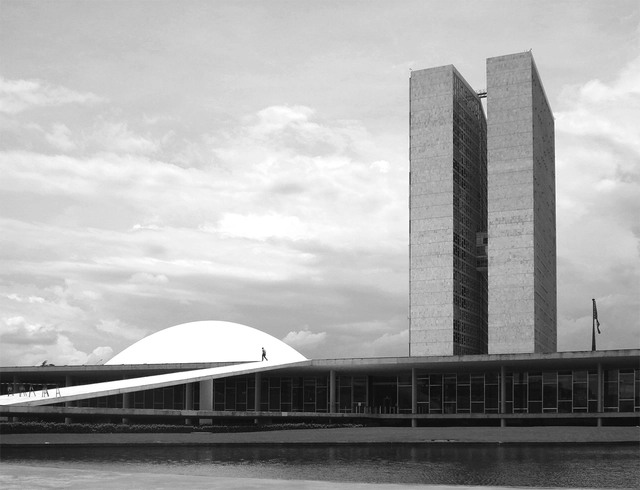
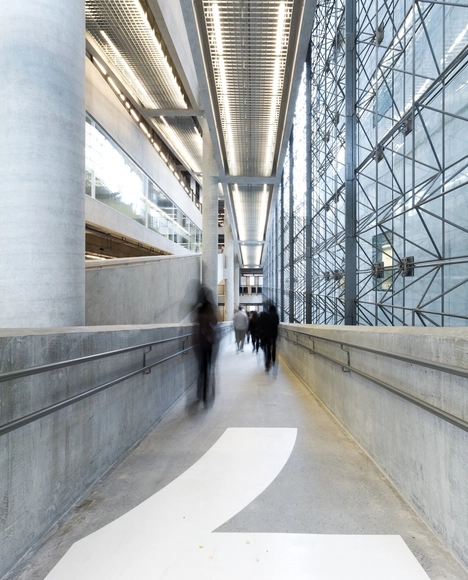
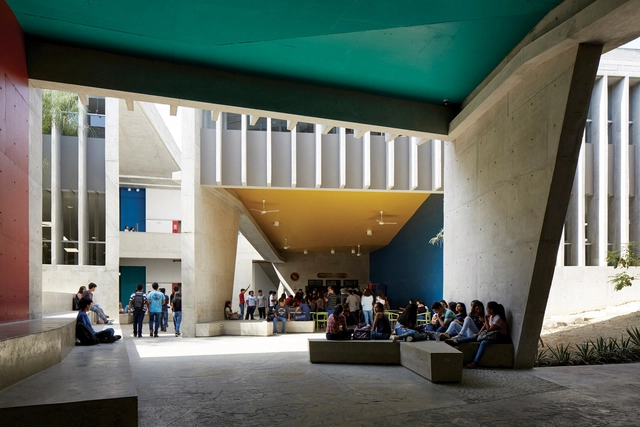
UDEP Classroom Building by Barclay & Crousse stands out internationally for its urban generosity

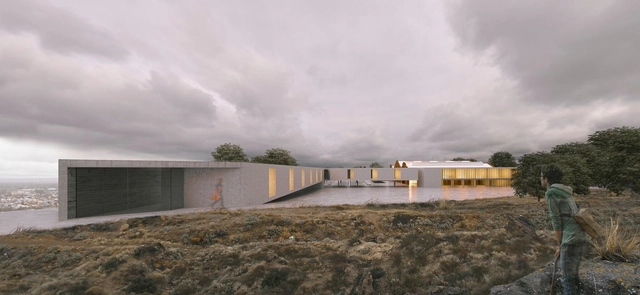
Before discussing how and by whom this project is internationally acclaimed, it is important to recognize its regional relevance. Built for the University of Piura, this classroom building is a robust educational project located in the middle of the northern desert. In light of the events of 2017 in various parts of Peru caused by the devastating El Niño phenomenon—where the north was hit hardest, losing many poorly situated buildings made of inadequate materials—this building stands firm. It exemplifies how to intervene with sensitivity, coherence, and respect for the local climate and landscape, serving as a replicable model for national reconstruction. Furthermore, it represents a major contribution to improving the quality of—and investment in—educational spaces outside the capital, promoting decentralization and offering better education and opportunities to students.

Beyond its domestic impact, the project has also garnered significant international recognition:
The Importance of Craftsmanship in Industrial Production: Visiting Herman Miller's Factories in Michigan

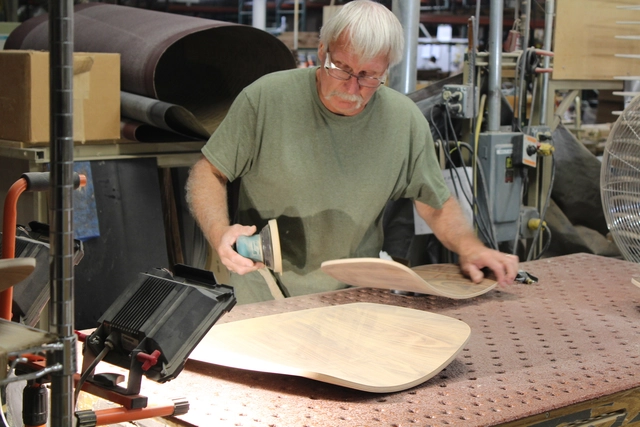
What is the manufacturing process of a chair like?

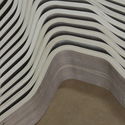
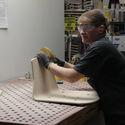
Our partners at Herman Miller opened the doors of their factories and offices in Michigan, United States, to show us the complex yet efficient design and manufacturing process of their various furniture pieces and products. During a three-day tour, we saw that their production involves a high level of detail and craftsmanship, where the experience and skill of their workers are essential.

The Importance of Craftsmanship in Industrial Production: Visiting Herman Miller's Factories in Michigan - Image 1 of 4The Importance of Craftsmanship in Industrial Production: Visiting Herman Miller's Factories in Michigan - Image 2 of 4The Importance of Craftsmanship in Industrial Production: Visiting Herman Miller's Factories in Michigan - Image 3 of 4The Importance of Craftsmanship in Industrial Production: Visiting Herman Miller's Factories in Michigan - Image 4 of 4The Importance of Craftsmanship in Industrial Production: Visiting Herman Miller's Factories in Michigan - More Images+ 17

Results of the Sixth Architectural Design Workshop 'Single-Family Housing' by Cota Paredes Arquitectos

Results of the Sixth Architectural Design Workshop 'Single-Family Housing' by Cota Paredes Arquitectos - Image 44 of 4Results of the Sixth Architectural Design Workshop 'Single-Family Housing' by Cota Paredes Arquitectos - Image 59 of 4Results of the Sixth Architectural Design Workshop 'Single-Family Housing' by Cota Paredes Arquitectos - Image 105 of 4Results of the Sixth Architectural Design Workshop 'Single-Family Housing' by Cota Paredes Arquitectos - Image 134 of 4Results of the Sixth Architectural Design Workshop 'Single-Family Housing' by Cota Paredes Arquitectos - More Images+ 148

The "Single-Family Housing" Architectural Design Workshop, organized by the architecture firm Cota Paredes Arquitectos, concluded its sixth edition, which invited graduate architects and senior architecture students to develop a Single-Family Housing Project over four weeks in either in-person or online formats. Discover the top projects:

The brief required designing a single-family home for a family of three in Cuautitlán Izcalli, State of Mexico. The workshop also aimed to design projects for low-income families who owned a plot of land and planned to build in the future. The chosen designs had to adapt to the context, creating a home for the family using the concepts of introspective architecture.

Google launches a tool that calculates the carbon footprint of cities

Google has launched the Environmental Insights Explorer tool to provide users with access to data and technology that can contribute to the transition toward a lower-carbon world. The information is primarily based on data already available on Google Maps.

The goal is to enable cities worldwide to calculate their greenhouse gas (GHG) inventories to facilitate climate action planning. “The inventory can help prioritize investments in the areas of greatest impact, as it highlights key emission sources or hotspots and can be used as a baseline to measure progress,” the company states on the tool's website.

Collapse at Upscale Shopping Mall in Mexico, No Casualties Reported Yet

Yesterday, July 12, a partial collapse occurred at Plaza Artz Pedregal, a high-end shopping mall in southern Mexico City. Designed by the prominent Mexican architecture firm Sordo Madaleno Arquitectos, the collapsed section appears to be an overlapping cantilevered volume, as seen in social media videos of the incident and renderings released in 2016. The cause of the collapse remains under investigation.

Madrid to renovate the Atocha 11-M memorial in 2019

Eleven years after its inauguration, the Madrid City Council has announced a renovation and upgrade plan for the monument to the victims of the March 11 (11-M) terrorist attacks at Atocha Station in Madrid, Spain, as reported by the Spanish newspaper El País.

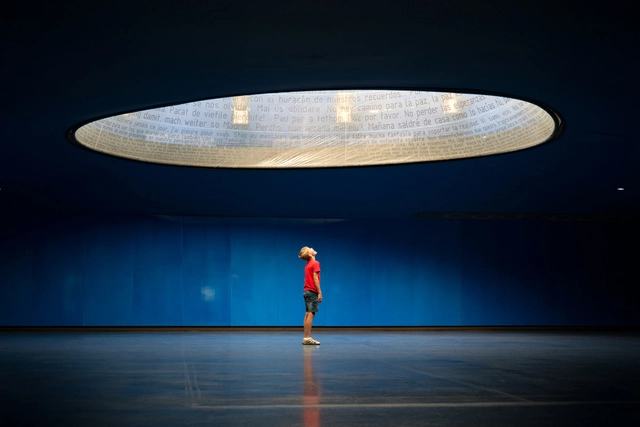
Designed by Estudio SIC, the monument to the victims of 11-M was inaugurated in 2007, three years after the attacks perpetrated by a terrorist cell on March 11, 2004. The attack consisted of the simultaneous explosion of 10 bombs on four commuter trains, claiming the lives of 193 people and leaving more than 2,000 injured, making it the worst terrorist attack in Spain's history.

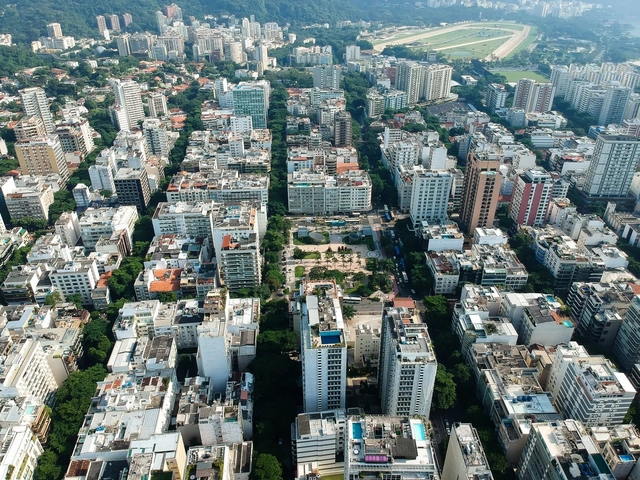
What do Bolsonaro and Haddad propose for Brazilian cities?

With the votes counted, the first round of the presidential election was not enough to determine the country's next political leader; candidates Fernando Haddad, of the Workers' Party, and Jair Bolsonaro, of the Social Liberal Party, will face off once again in the runoff vote on October 28.

Political differences and ideological discrepancies aside, the next president will have, among many other tasks, the responsibility of providing federal support for the development of Brazilian cities—home to about 87% of the country's population. To contribute to the debate and—if it is ArchDaily's place to do so—help undecided voters make up their minds, we have compiled below the proposals of both presidential candidates for the future of cities, based on their respective government platforms, covering topics such as housing, urban development, infrastructure, sustainability, mobility, and the right to the city.

5th Instituto Tomie Ohtake AkzoNobel Architecture Prize Announces Winners

Last Thursday, during the opening of the exhibition featuring the 13 finalist projects – selected from 244 submissions representing 17 Brazilian states and the Federal District – the winners of the 5th Instituto Tomie Ohtake AkzoNobel Architecture Prize were announced.

Schwember García-Huidobro Arquitectos, a Chilean firm distinguished at the 2019 German Design Awards

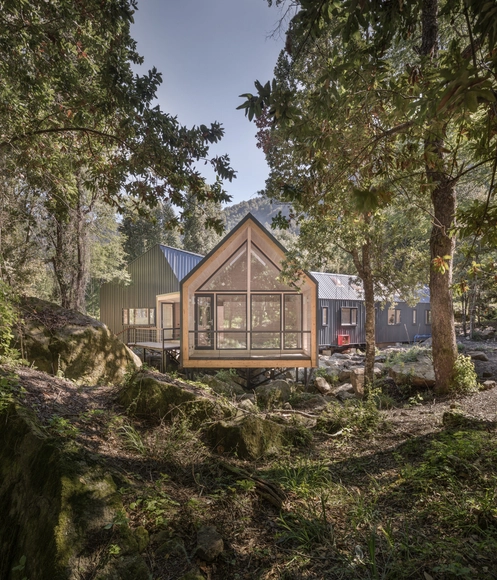
The project Casa sobre las rocas by the Chilean firm Schwember García-Huidobro Arquitectos has been recognized at the German Design Award 2019. The accolade, awarded in Germany by the Ministry of Technology, "identifies and presents unique design trends," according to the organization.

Built in a forest in the town of Cunco, Chile, Casa sobre las rocas received a Special Mention in the Architectural Design Communication category of the competition. The project is a second home that prioritizes communal areas, featuring a Y-shaped floor plan designed to optimize views and natural light.

Schwember García-Huidobro Arquitectos, a Chilean firm distinguished at the 2019 German Design Awards - Imagen 1 de 4Schwember García-Huidobro Arquitectos, a Chilean firm distinguished at the 2019 German Design Awards - Imagen 2 de 4Schwember García-Huidobro Arquitectos, a Chilean firm distinguished at the 2019 German Design Awards - Imagen 3 de 4Schwember García-Huidobro Arquitectos, a Chilean firm distinguished at the 2019 German Design Awards - Imagen 4 de 4Schwember García-Huidobro Arquitectos, a Chilean firm distinguished at the 2019 German Design Awards - More Images

Meet a winner of the 2018 Clarín-SCA National Award for Architecture Students

The restoration of a disused heritage asset, its repurposing, and sensitivity to the surroundings were the key concepts valued by the jury in selecting this winner of the 18th edition of the Clarin-SCA National Award for Architecture Students.

Agustín Ichuribehere, a student at the Faculty of Architecture and Urbanism of the Universidad Nacional de La Plata, guided by professor Martín Villanueva, designed the winning project. The proposal features a building for the Department of Music and Lutherie of the Universidad Nacional del Comahue, integrating an intervention on a heritage site: the former warehouses of "La Reginense" cider factory in Villa Regina, Rio Negro, Argentina.

Learn more about the proposal in the author's own words below.

California Approves Bill to Generate 100% Renewable Energy

The California Assembly voted in favor of SB 100, a Senate bill that sets the state on a path toward 100% renewable energy generation. The legislation establishes a new target of obtaining 60% of the state's electricity from renewable sources by 2030 and reaching 100% clean and renewable energy by 2045. Governor Jerry Brown has thirty days to sign the bill.

Project plans to install QR codes on historic buildings in Curitiba with details about the works

A project by the Federal University of Technology - Paraná (UTFPR) is cataloging the historical heritage of Curitiba and making all the information available on the website Arquivo Arquitetura. The portal is being gradually updated with all the research conducted since 2011 by more than 560 students, led by architects Giceli Portela and Iaskara Florenzano. In the near future, the goal is to install QR codes on tiles in front of all the buildings, allowing people to access the complete history of each building in real time.

Heritage at Risk: Iphan Authorizes the Construction of a Skyscraper Next to Lina Bo Bardi's Teatro Oficina

Heritage-listed at both the state and federal levels, Teatro Oficina, designed by Lina Bo Bardi and Edson Elito, is at risk of having its surroundings profoundly altered by the construction of two 100-meter-tall residential towers. The project, led by the Silvio Santos Group, was approved by the National Historical and Artistic Heritage Institute (Iphan) during a meeting on May 29.

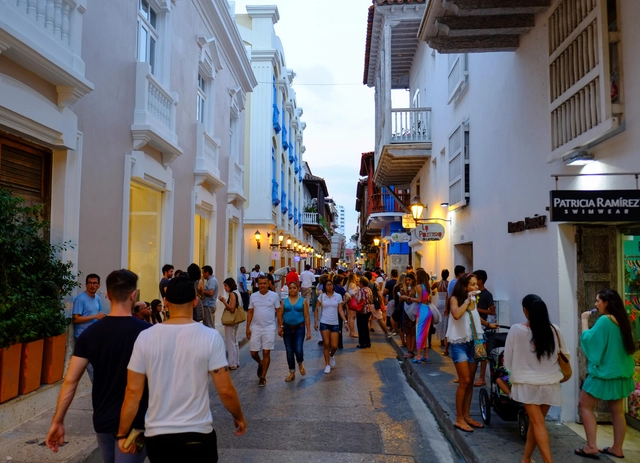
Cartagena to pedestrianize its historic center for the "enjoyment of public space"

Following its presentation and discussion with restaurant, commercial, and resident associations, the Mayor's Office of Cartagena (Colombia) announced the pedestrianization of 45 streets in its historic center, as reported by Caracol Radio. The decision is backed by the Bolívar Trade Council through its executive director, Patricia Galindo, who told the local outlet that the project will regulate traffic in the historic center and the San Diego neighborhood. This and other measures aim to improve mobility for residents, citizens, and tourists in the area.

The Bolívar Trade Council has participated in the various events organized by the District to coordinate these measures. Crucial to this process was listening to all stakeholders, as well as the district administration's willingness to lead on one of its most important issues, working to find effective and consensus-driven solutions for everyone.

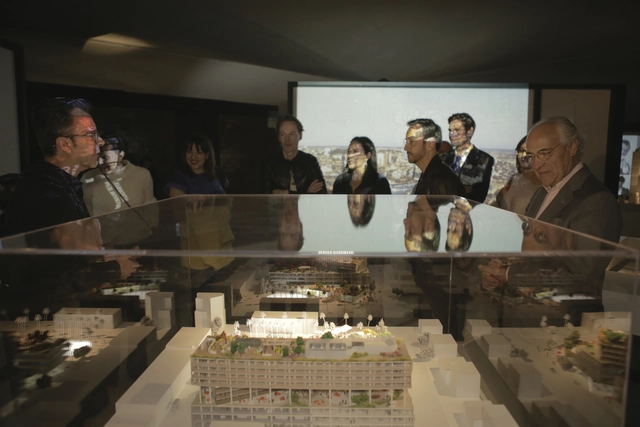
First Exhibition Presented at Espacio CDMX: '10 Exponents of the 21st Century: City-Architecture-Design'

The exhibition “10 Exponents of the 21st Century: City, Architecture, and Design” launches the cultural activities at Espacio CDMX, a public space dedicated to promoting architecture, urban planning, and socially responsible design in the city, while also serving as a temporary creative venue and Information Center for World Design Capital CDMX 2018.

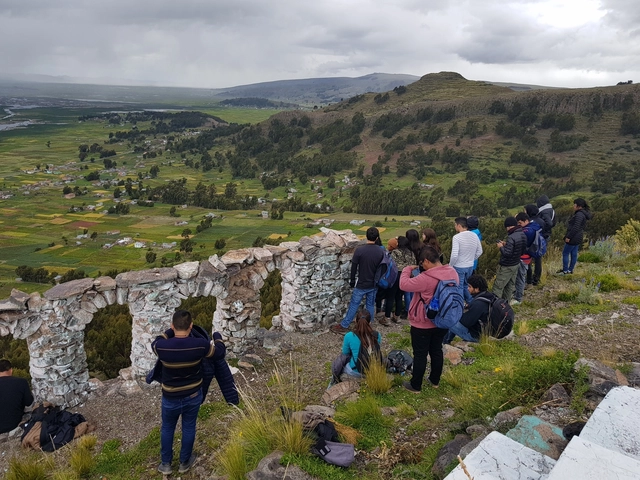
250 students from across Latin America inaugurate the 15th Latin American Social Workshop in Peru

On the shores of Lake Titicaca, nearly 250 students from 15 countries kicked off TSL Puno 2018 in Peru, marking the 15th edition of the Latin American Social Workshop, led by the Latin American Coordinator of Architecture Students (CLEA) and the Peruvian Organization of Architecture Students (OPEA).

Continuing a tradition that began in 2002, architecture students from across Latin America are joining forces with public and private entities, architecture collectives, workshop leaders, faculty, and members of civil society to conceptualize, design, and build public amenities across the Spanish-speaking world.

Fernando Alda explores the construction of a skyscraper in his latest photo essay

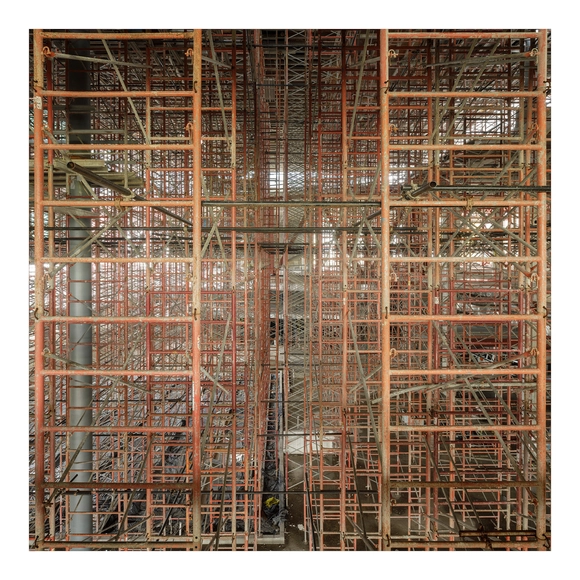
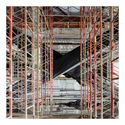
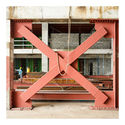
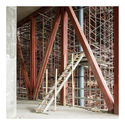
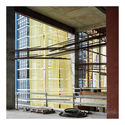
Spanish photographer Fernando Alda explores the construction of the Pacific Center building in Panama, designed by local firm Ventura Arquitectos, in his most recent photo essay. Titled "An Aesthetics of Disappearance," Alda's work was exhibited in the Panamanian firm's pavilion during the inaugural Expo Modii 2018 in Panama City.

Scaffolding, energy dissipators, shoring, electrical installations, and safety netting define the temporary spaces that make up this photo essay. These compositions center on spaces rendered invisible while awaiting the real spaces. "In Pacific Center," writes architect Silvia Escamilla, "he freezes this temporal lapse and the ephemeral elements that inhabit it, those that go unnoticed by us, granting them a new aesthetic value."

Fernando Alda explores the construction of a skyscraper in his latest photo essay - Image 1 of 4Fernando Alda explores the construction of a skyscraper in his latest photo essay - Image 2 of 4Fernando Alda explores the construction of a skyscraper in his latest photo essay - Image 3 of 4Fernando Alda explores the construction of a skyscraper in his latest photo essay - Image 4 of 4Fernando Alda explores the construction of a skyscraper in his latest photo essay - More Images+ 9

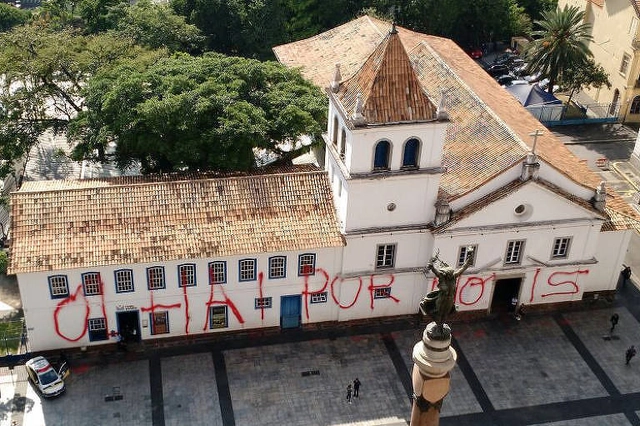
Pateo do Collegio, one of São Paulo's main historic landmarks, has its facade vandalized with graffiti

One of São Paulo's primary historical and tourist landmarks, the Pateo do Collegio—the founding site of the state capital—awoke with its facade covered in graffiti. "Olhai por nois" [Look out for us] is the phrase that, in red letters, covers the facade of the Museum of Sacred Art and the chapel of the complex, which belongs to the Society of Jesus.

Under Brazil's environmental crimes law, defacing monuments is a crime, and perpetrators can face up to one year in prison. At the time of publication, those responsible for the act had not been identified by the Metropolitan Civil Guard.