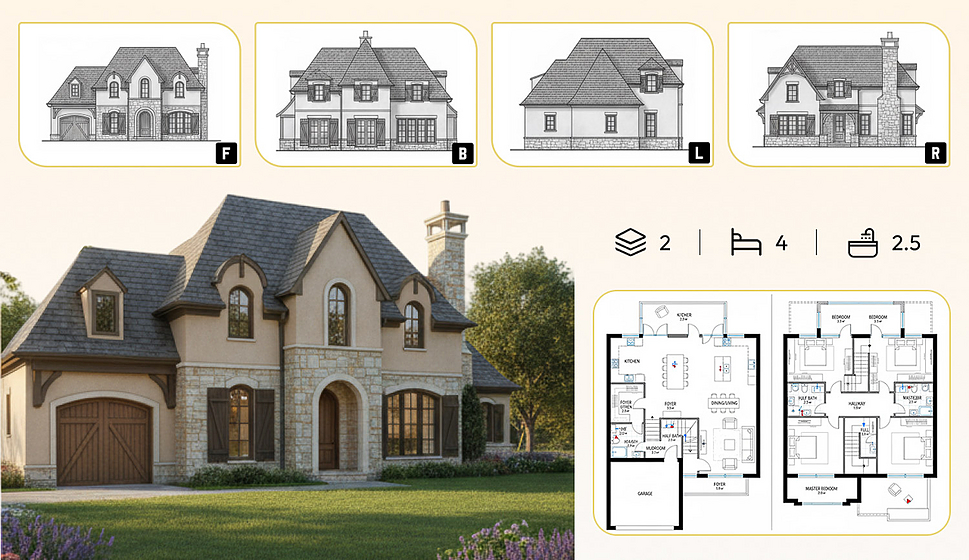
This guide covers a workflow that moves from project parameters to generated floor plans, 3D perspective views, exterior design exploration, and site context visualization, using AI tools in place of preliminary CAD and rendering work.
This guide covers a workflow that moves from project parameters to generated floor plans, 3D perspective views, exterior design exploration, and site context visualization, using AI tools in place of preliminary CAD and rendering work.
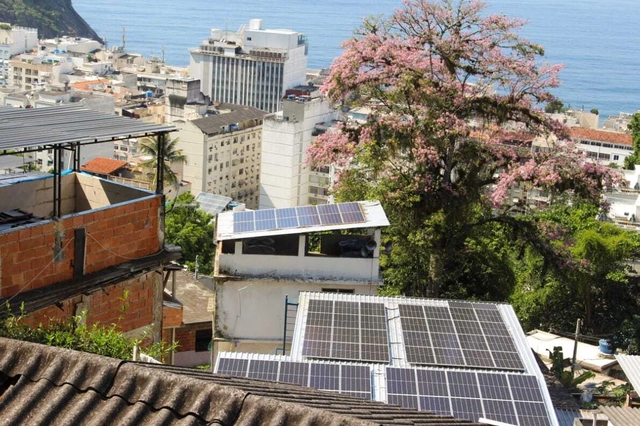
An initiative in the Rocinha community in Rio de Janeiro will provide professional training for residents in the solar energy market and install two photovoltaic plants in the community (at Acadêmicos da Rocinha and Igreja Batista), directly benefiting the NGOs Rocinha Recicla and Pedrinho Social through local energy generation.

"Light and movement allow us to achieve anything that is recognized as beautiful." This quote by Álvaro Siza Vieira, the universally acclaimed Portuguese architect, captures his philosophy. His work guides the relationship between built space and its surroundings, creating true works of art that prioritize nature. In furniture design, the approach can be similar. The intervention can indulge in the status of art, redefining meaning and joining new dialogues as if framed in a museum setting.
Driven by this provocation, Dell Anno presents an approach for its 2022 campaign that further strengthens its DNA of connecting architecture, art, and fashion. Titled Singular Dell Anno, the campaign draws a parallel with the sublime work of the Portuguese architect, paying tribute to his legacy of simplicity and architectural sophistication, which earned him global recognition and made him a major architectural influence today.
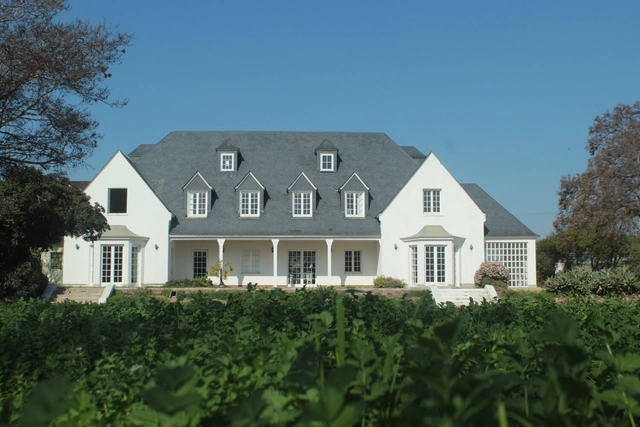
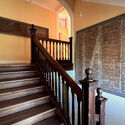
In 2016, in the commune of Limache in Chile's Valparaíso region, tunnels connecting to various parts of the city—including the CCU brewery—were discovered beneath a hatch in the gardens of the landmark Eastman Mansion. Prompted by uncertainty over why they were built, an investigation was launched, with the findings behind the project's origins finally revealed in 2021.
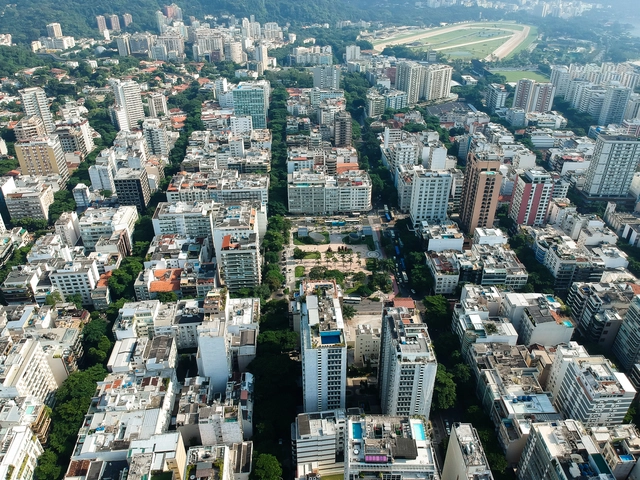
In an effort to improve air quality and the health of Rio's residents, the Rio de Janeiro City Hall is launching the Low Emission District. Measures to reduce greenhouse gas emissions will be implemented across an area of just over two square kilometers in the city center.
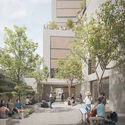
The district's implementation will be carried out in phases through 2030. The first phase, which is currently underway, consists of revitalizing 35,000 square meters of public space in the city center and monitoring air quality and GHG emissions. It is expected to be completed in 2024.
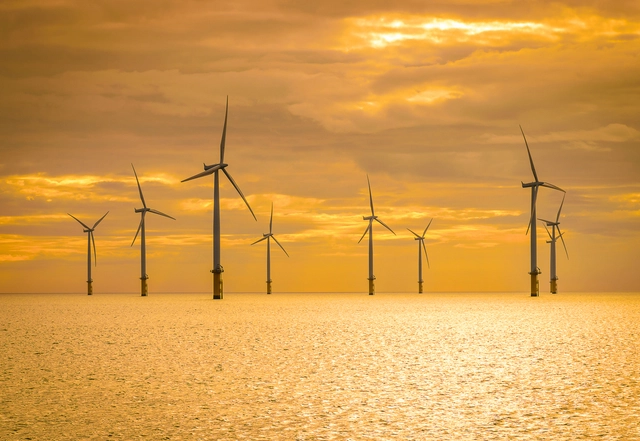
On Wednesday, August 17, the Senate Infrastructure Services Committee approved a bill establishing a regulatory framework for offshore energy generation—including wind, solar, or tidal—in Brazil's open seas, lagoons, and other bodies of water. The Bill (PL) 576/2021 regulates authorizations for harnessing offshore energy potential. Authored by Senator Jean Paul Prates (PT-RN), the bill was approved in a final vote by the committee and will now proceed to the Chamber of Deputies for review.
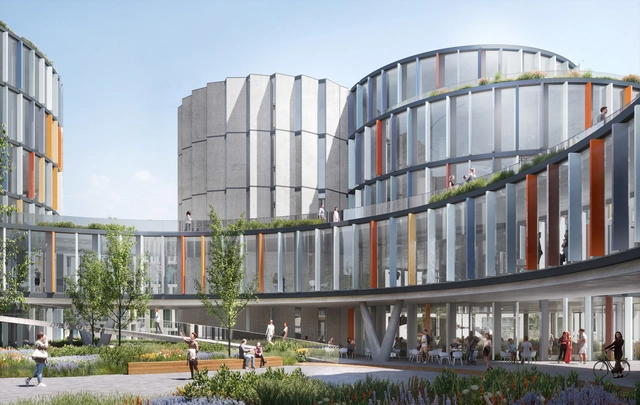
In the northern area of Greater Buenos Aires, Nordelta has been developing a new urban project across its 1,700 hectares for around 30 years. Initially conceived for low-density residential use, it now also includes medium- and high-density housing, educational, recreational, and service facilities, as well as production and supply hubs, among others. Area Beta is located in the southern part of Nordelta, designed to complement this mixed-use and service urban sector.
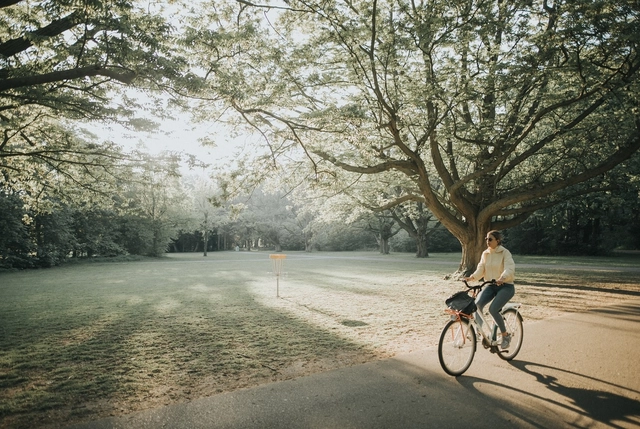
Those interested in purchasing low- or zero-emission transportation options can now access a new line of credit. This month, Banco do Brasil (BB) launched the BB Crédito Mobilidade line, which will finance items such as bicycles, kick scooters, electric or manual scooters, and motorcycles under 125cc, with repayment terms of up to five years.
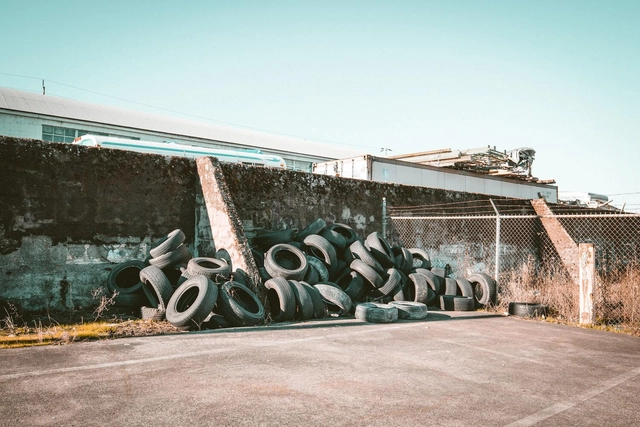
Rubber from discarded tires can replace 100% of conventional aggregates used in manufacturing concrete. This is what engineers at RMIT University in Melbourne, Australia, have discovered. The concrete made with the material meets building codes and promises to boost the circular economy.
This “greener concrete” uses rubber from discarded tires instead of gravel and crushed stone. According to the team that developed the material, the new concrete is lighter and promises to significantly reduce manufacturing and transportation costs.
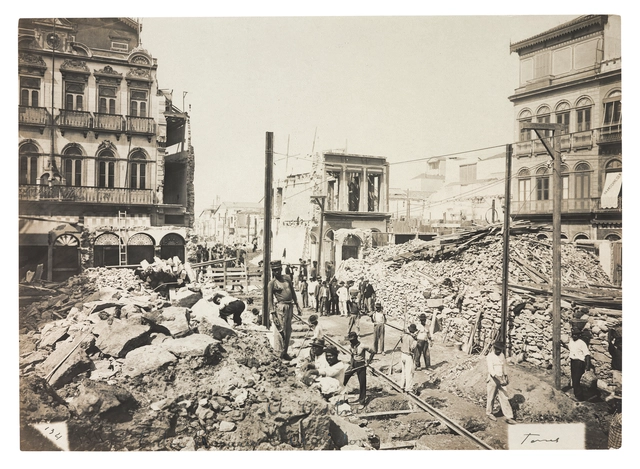
On September 13, IMS Paulista opens the exhibition Moderna pelo avesso: fotografia e cidade, Brasil, 1890-1930. With free admission, the exhibition features photography from some of the country's major capitals—Porto Alegre, São Paulo, Rio de Janeiro, Belo Horizonte, Recife, and Belém—during the First Brazilian Republic, from 1889 to 1930. The exhibition documents radical urban reforms that took place during this period, addressing the tensions and contradictions of these processes, which altered landscapes and the ways people lived in and moved through cities.
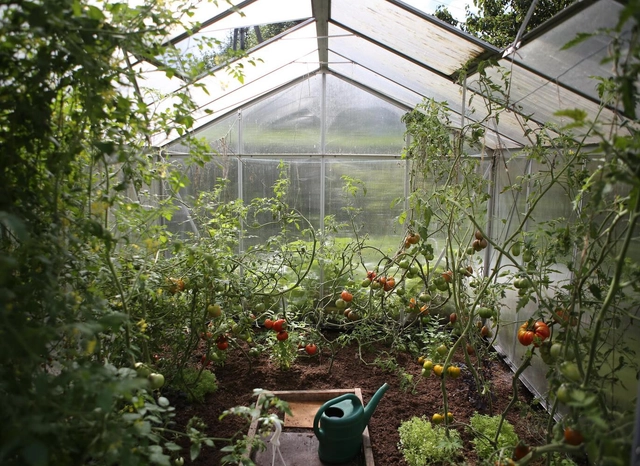
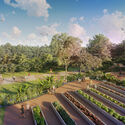
Rio de Janeiro will host the world's largest urban garden, according to the organizers of the Hortas Cariocas program. The municipal government-funded initiative aims to promote "food sovereignty, generating self-sufficiency through organic products, and creating gardens in municipal schools and communities across Rio."
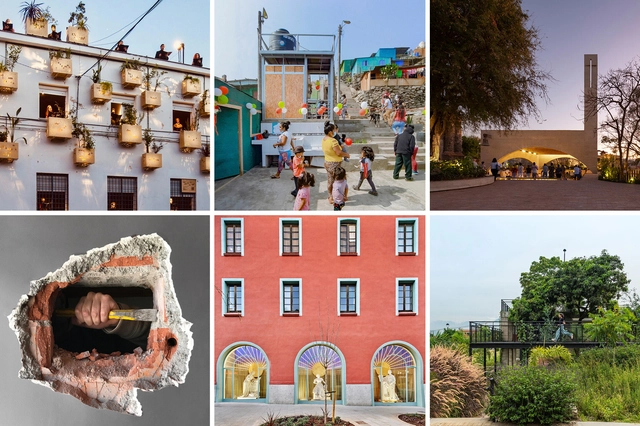
The 12th Ibero-American Biennial of Architecture and Urbanism (BIAU) announced today on its website the winners of its four categories: Works, Actions on the Margin, Publications, and Academic Programs.
A total of 9 works and 20 projects were named winners in this edition of the BIAU, an event organized by the Government of Spain through the Ministry of Transport, Mobility, and Urban Agenda (MITMA) via the General Directorate of Urban Agenda and Architecture. The biennial will take place within the framework of the MEXTRÓPOLI Architecture and City Festival in Mexico City from September 21 to 25.
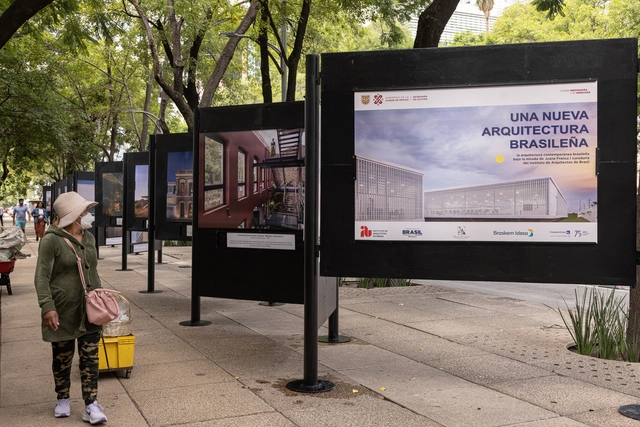
In early September, the Brazilian Embassy in Mexico launched the exhibition Una nueva arquitectura brasileña, curated by the Institute of Architects of Brazil (IAB) and featuring photography by Joana França. The exhibition is held entirely in a public space on Avenida Paseo de la Reforma, one of Mexico City's most prominent thoroughfares. Approximately one million people are expected to pass by the site during the exhibition run.
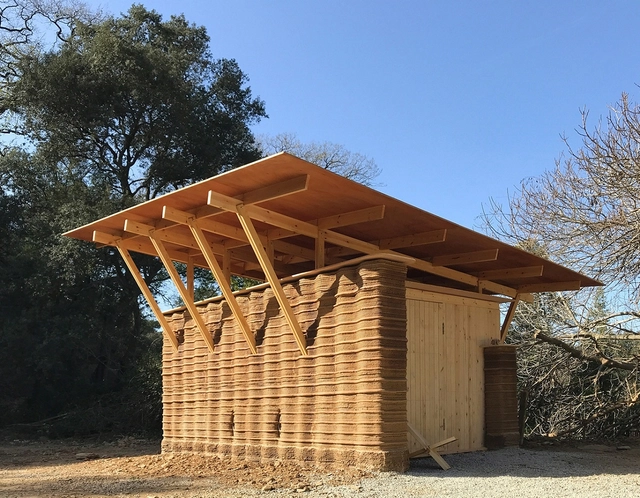
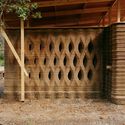
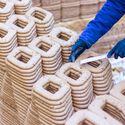
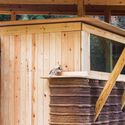
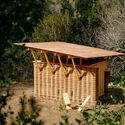
Combining new and old construction techniques, researchers from the Institute for Advanced Architecture of Catalonia (IAAC) have built a small earthen structure using 3D printing. It is the first project of its kind in Spain.
“This prototype represents a bridge between the past – vernacular earth architecture – and the future – large-scale 3D printing technology – which will not only help reshape the architecture of the future, but will also be highly useful in addressing the current climate and housing crisis worldwide,” states the Institute.
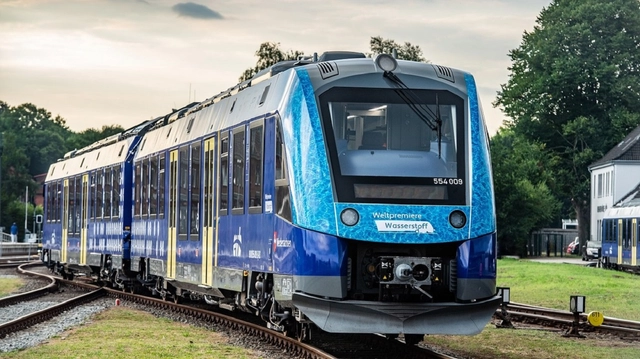
The world’s first hydrogen-powered passenger train service has begun operations in Germany. The 100% hydrogen-fueled rail line debuted in the small town of Bremervörde, near Hamburg. A total of 14 trains will replace diesel locomotives across nearly 100 kilometers of track in the northern part of the country. In addition to Bremervörde, the regional line serves the cities of Cuxhaven, Bremerhaven, and Buxtehude.
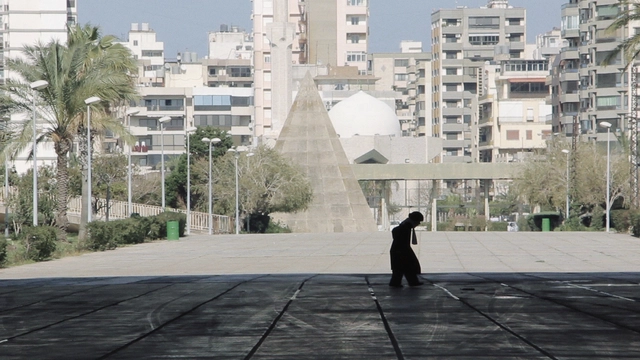
Slow Down! is the theme driving the 9th edition of the Arquiteturas Film Festival to the city of Porto, marking a change in both location and organization. Now organized by INSTITUTO under the direction of architect Paulo Moreira, the 2022 edition of the Arquiteturas Film Festival establishes itself as an international platform to discuss and disseminate architectural production through films, exhibitions, and debates.

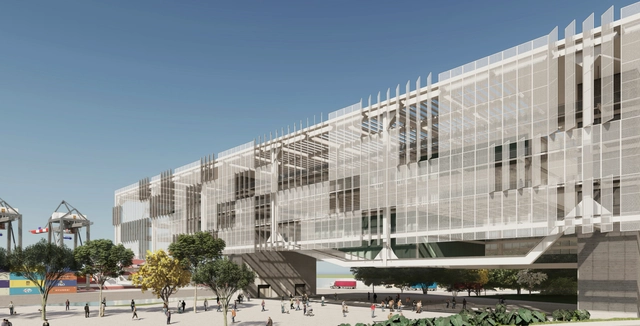
The Brazilian Steel Construction Center (CBCA) has announced the winners of the 15th CBCA Competition for Architecture Students. In this nationwide competition, teams were challenged to address the theme “Industry, Innovation, and Infrastructure.”
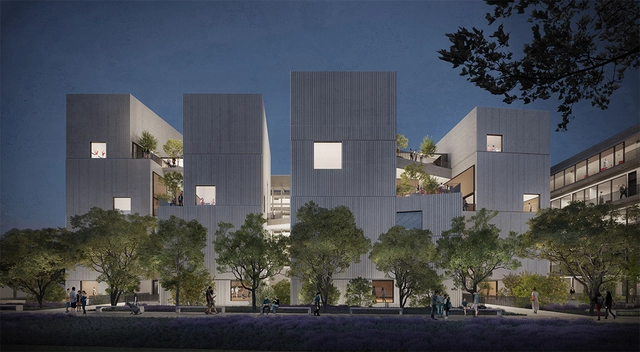
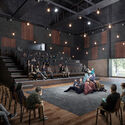
The winning proposal for the construction of the new infrastructure for the Faculty of Performing Arts at the Pontificia Universidad Católica del Perú (PUCP) has been announced. The project will be designed by the prestigious architecture firm Barclay & Crousse. The new building aims to centralize Performing Arts activities on the PUCP campus and strengthen a sense of community by bringing theater, performing arts creation and production, music, and dance together in an integrated space for learning where the architecture itself becomes a stage and a landscape for education.
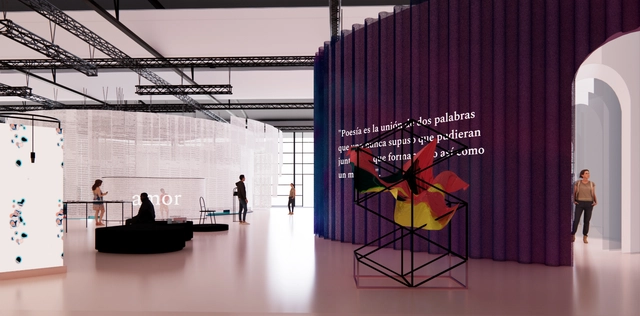
The Frankfurt Book Fair is the world's largest book trade fair in terms of publishing representation, taking place every year in mid-October. In this edition, Spain is the Guest of Honor, presenting a unique opportunity to showcase its culture and literature to the world.
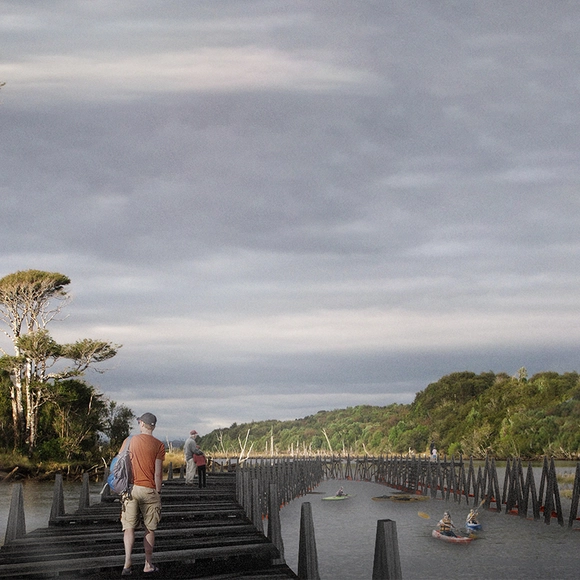
Castro Abierto is the architecture, landscape, and heritage festival of the city of Castro, Chiloé. The event will take place from October 19 to 23, 2022, featuring various activities such as talks and tours centered on local architecture and culture. These itineraries will visit different architectural works, islands, and neighborhoods in the area, highlighting contemporary projects like Hotel Estancia, Casa Barco, and Casa Muelle. Other featured activities include a cooking class by Lorna Muñoz, a scholar of Chilote cuisine; an afternoon of illustration with the Ilustra Chiloé collective; a visit to the Quilquico Rural School; and the opening of the MAM Chiloé Museum of Modern Art, among many others that can be found on their website. Finally, a key highlight is the opening of the exhibition “Imaginarios Archipelágicos” (Archipelagic Imaginaries), which the organizing team invites us to discover in more detail below.
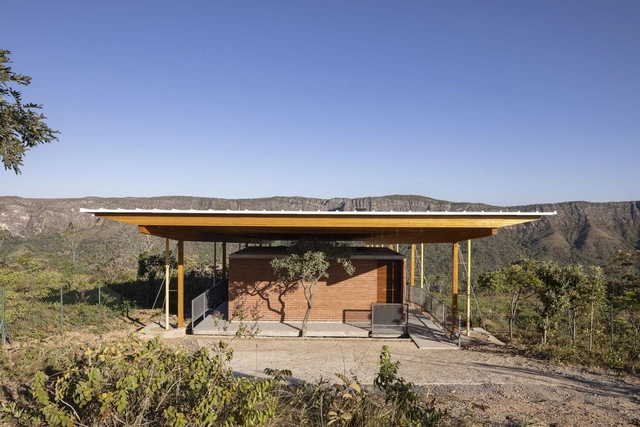
The Tomie Ohtake Institute and AkzoNobel have opened submissions for the 9th Tomie Ohtake AkzoNobel Architecture Prize. In addition to the Professional category, this ninth edition reintroduces the Student category, which was previously featured in the award's sixth edition in 2019. Submissions are free of charge and must be completed online by December 1, 2022, through the award website.
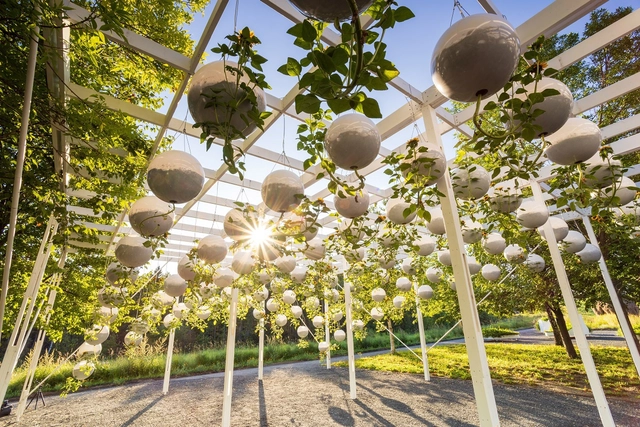
The International Garden Festival is launching a call for proposals for its 24th edition, to be held in June 2023. Gardening and land art enthusiasts are invited to apply—the selected projects will be featured in the temporary gardens of Les Jardins de Métis, also known as Reford Gardens.
In 2021, more than 60,000 visitors explored 25 garden installations under the theme "adaptation," in reference to the pandemic. Following the peak of the COVID-19 pandemic, the festival returns with the theme "roots" and aims to highlight traditional knowledge. Designers are invited to imagine an environmentally, economically, and culturally responsible present and future based on the teachings of past generations.



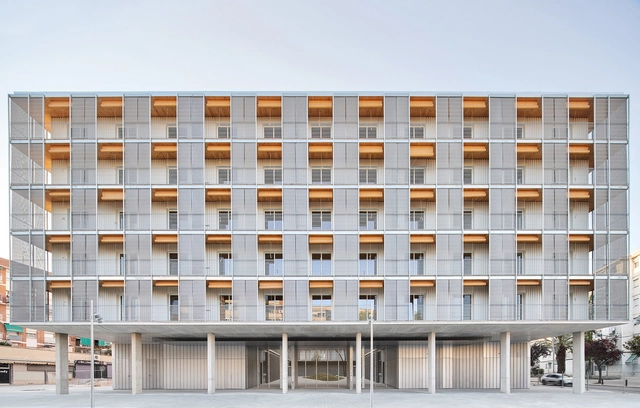
The Ministry of Transport, Mobility and Urban Agenda (Mitma), in collaboration with the Higher Council of Spanish Architects' Associations (CSCAE) and supported by the Arquia Foundation, has launched a two-stage selection process to choose the curatorial team for the XVI Spanish Biennial of Architecture and Urbanism (BEAU). The deadline for submitting proposals for the first stage is December 14, 2022.
Aiming to recognize initiatives that benefit Brazilian architecture and cities, the 5th edition of the FNA Award (Prêmio FNA 2022) has announced its winners. The national news portal ArchDaily Brasil, the Rio de Janeiro-based non-profit organization Comunidades Catalisadoras (ComCat), and the Fab Social project from Guarulhos (SP) will receive the award on November 26 during the 46th National Meeting of Architects and Urban Planners Unions (46th ENSA) in Brasília (DF). The decision involved former presidents and the organization's current president, Eleonora Mascia, who highlighted the projects' contributions to both the professional community and Brazilian society.
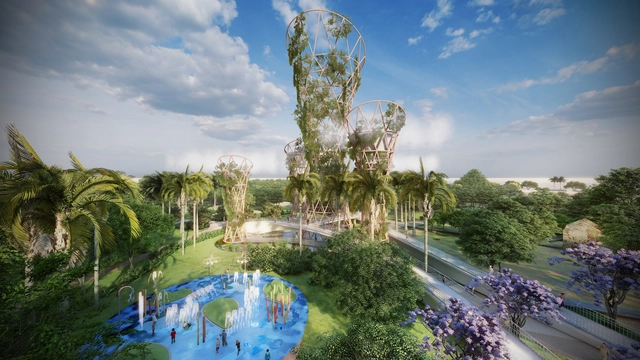
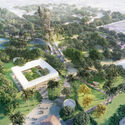
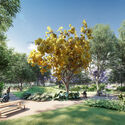
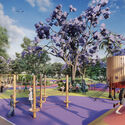
In September, the Rio de Janeiro City Hall began construction on the new Journalist Susana Naspolini Realengo Park, located in the West Zone of the state capital. Developed by the urban planning and landscaping firm Ecomimesis, the new park includes community gardens, a cultural route, a sports area, rain gardens, and an ecopoint (recycling station) for collecting and sorting all solid waste from the park.