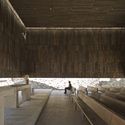
Light is an important, if complex, tool in architecture. Not only does it lend atmosphere, texture, and vibrancy, but it is increasingly essential in an age where technology alienates us from nature. In this excerpt from Mary Guzowski's new book, The Art of Architectural Daylighting, she introduces the science and art of daylighting - and details six ways the masters approach the challenge.
Daylight as Phenomenon and Material
Daylight is a dynamic environmental phenomenon and an ephemeral architectural material. It embodies the dimension of time as the movement of light and shadow reveal the changing diurnal and seasonal cycles. In a digital age that runs 24/7, daylight is an antidote to our increasing alienation from nature. Daylight and the changing environmental forces of sun, wind, and weather help us to know “where we are” and “who we are” by rooting us in the ecological phenomena of a particular place, in that climate, and on that site. When coupled with passive solar and bioclimatic design strategies, daylight can reduce energy consumption and provide environmental benefits while enhancing human comfort, health, and well-being.