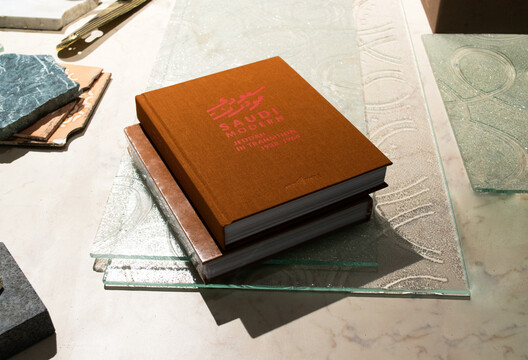
Saudi Modern: Jeddah in Transition, 1938–1964 explores the urban and architectural transformation of the city of Jeddah, Saudi Arabia, since the discovery of oil—highlighting the city's rapid modernization and societal change. This collection of essays and fifteen case studies bears witness to the dramatic evolution in Jeddah from traditional to contemporary structures, and to the profound impact this shift has had on communities and shared values. It thus establishes a common ground for learning from, evaluating, and critiquing notions of progress and modernization.
Over the last ninety years, Jeddah has transitioned from a modest walled city and pilgrimage hub into a sprawling modern metropolis. The complex urban morphology that characterizes it today can be entirely credited to the port city's role in the Saudi Arabian oil industry that arose after the discovery of natural oil reservoirs in 1938. The industry brought foreign companies and institutions, as well as workers and their families, from around the world. The city grew beyond its old walls. Moreover, interactions with modern technologies and development models launched a radical infrastructural and architectural reconfiguration of the urban fabric.
