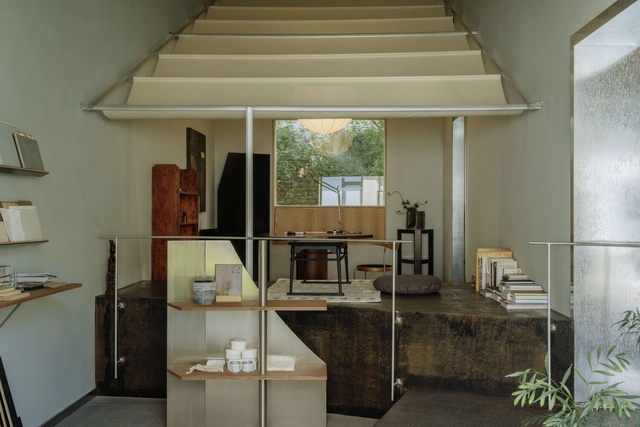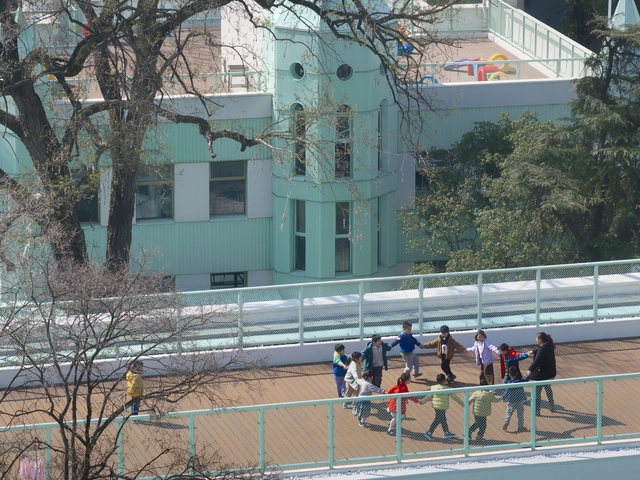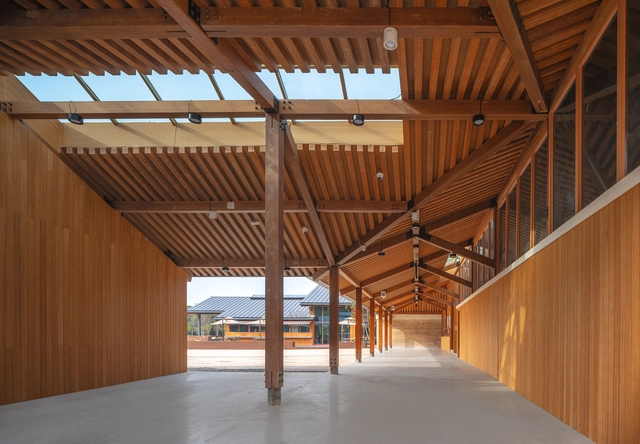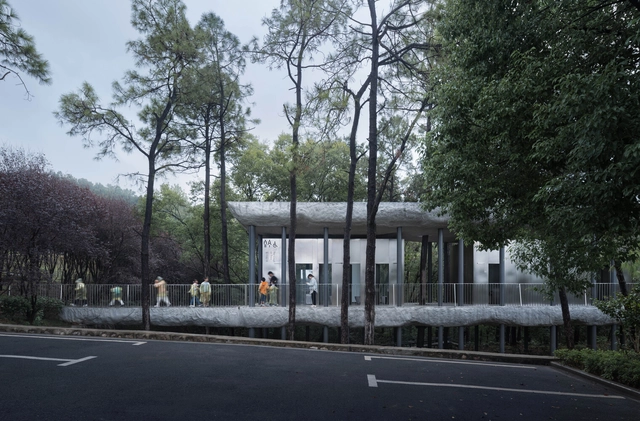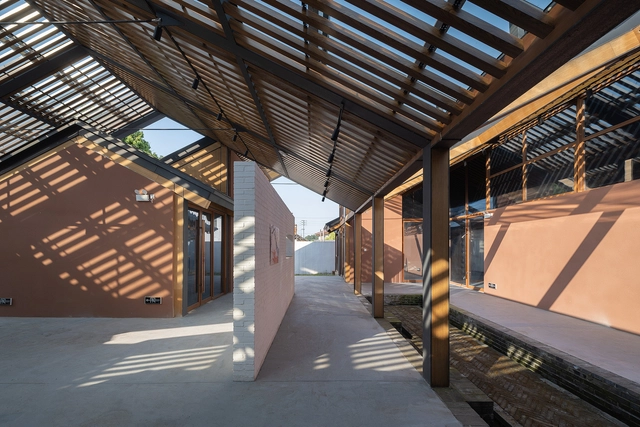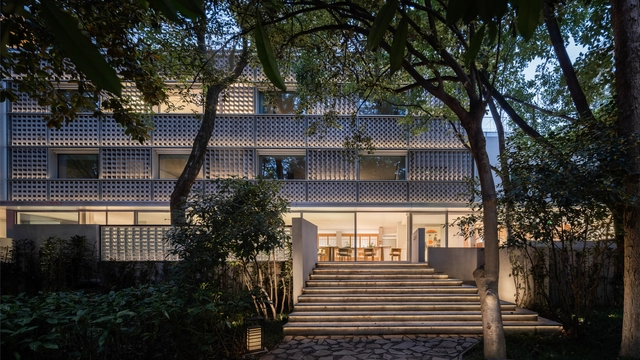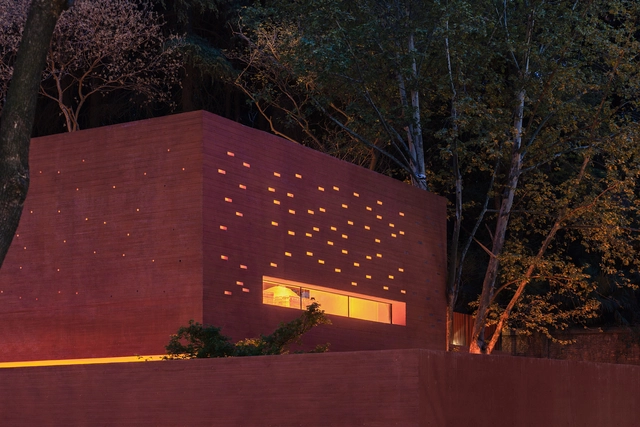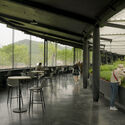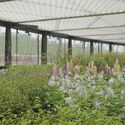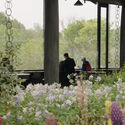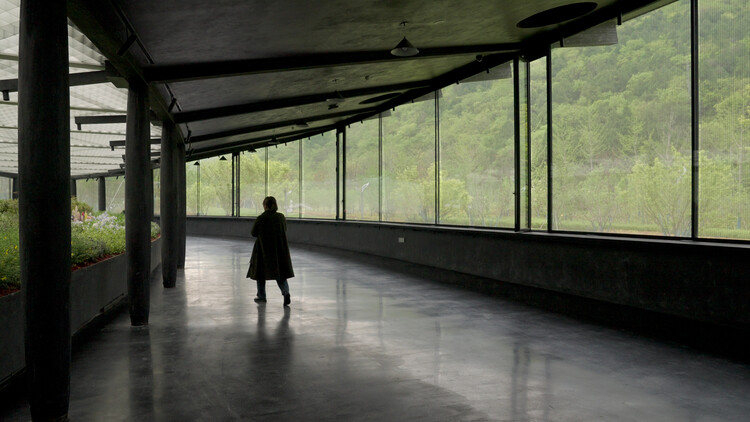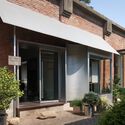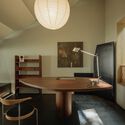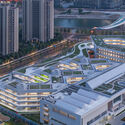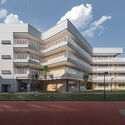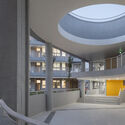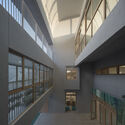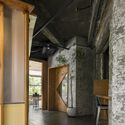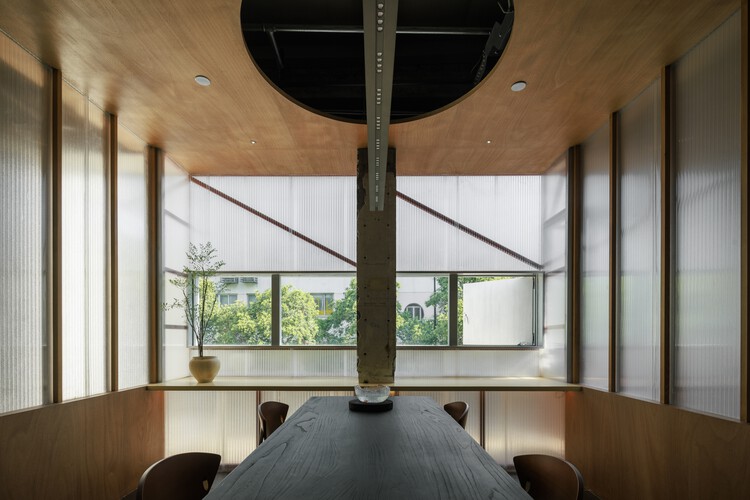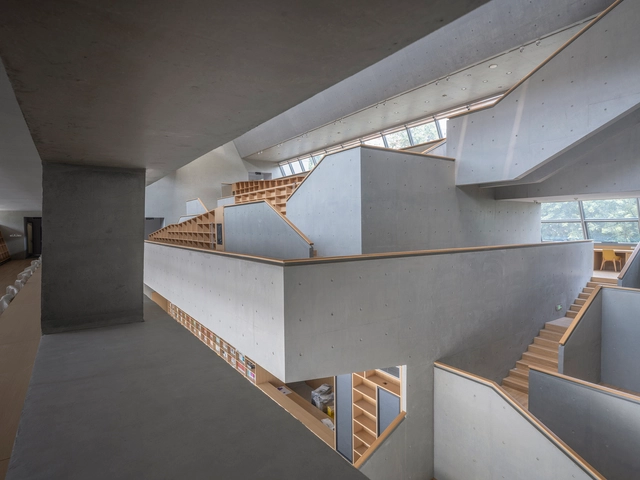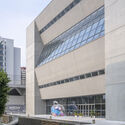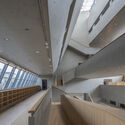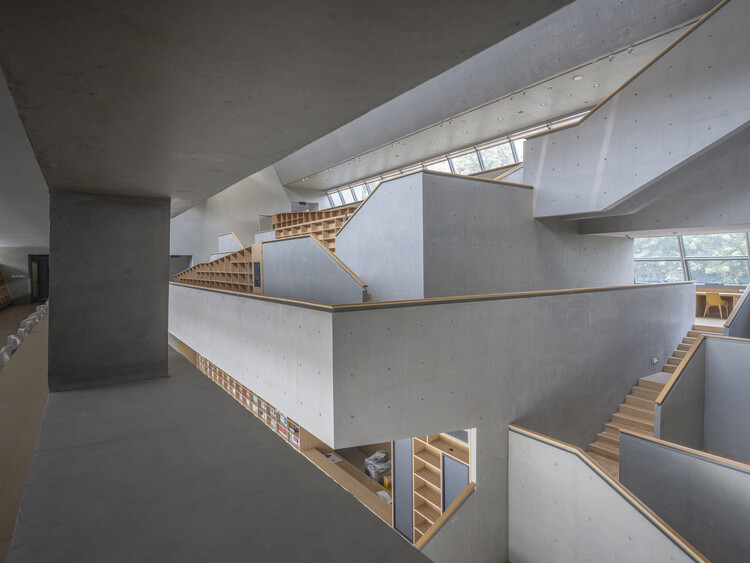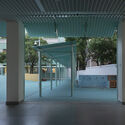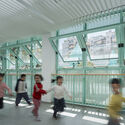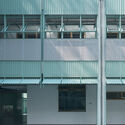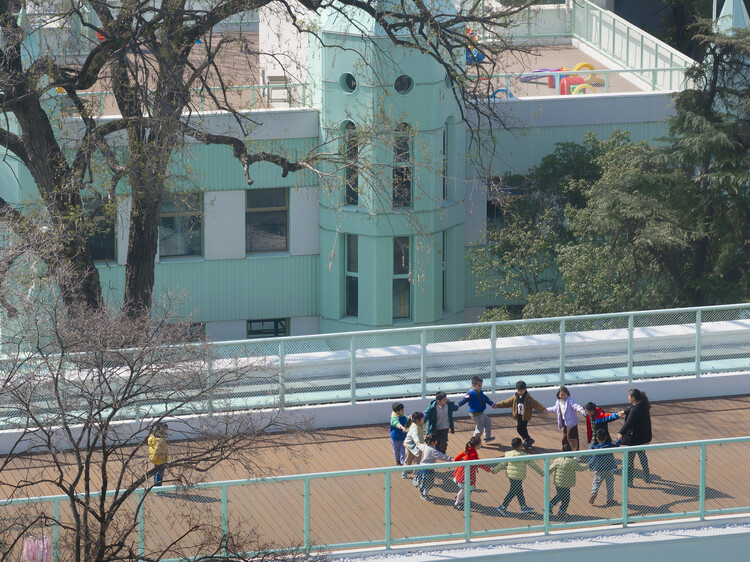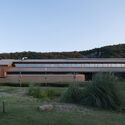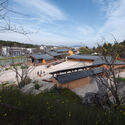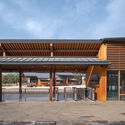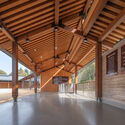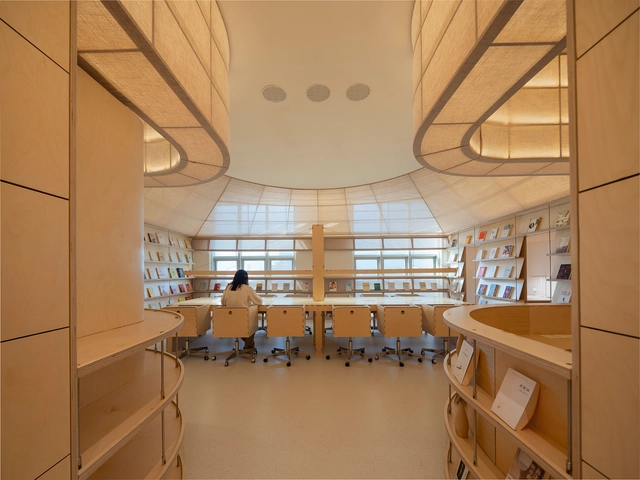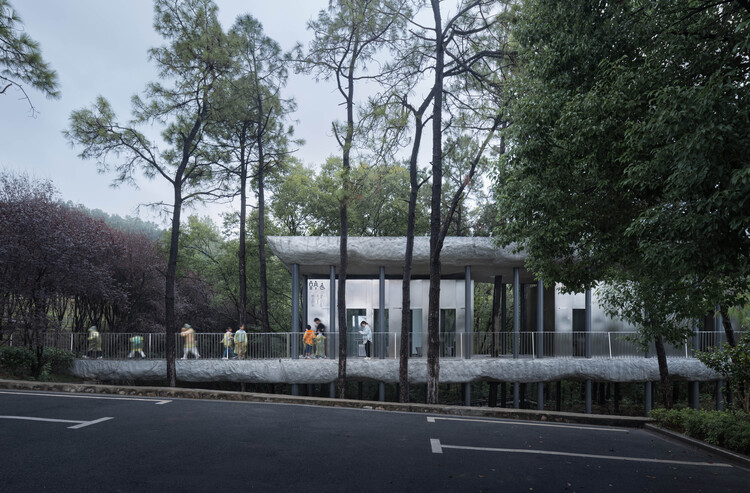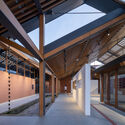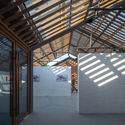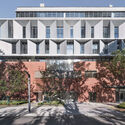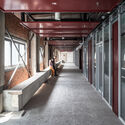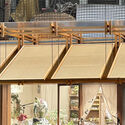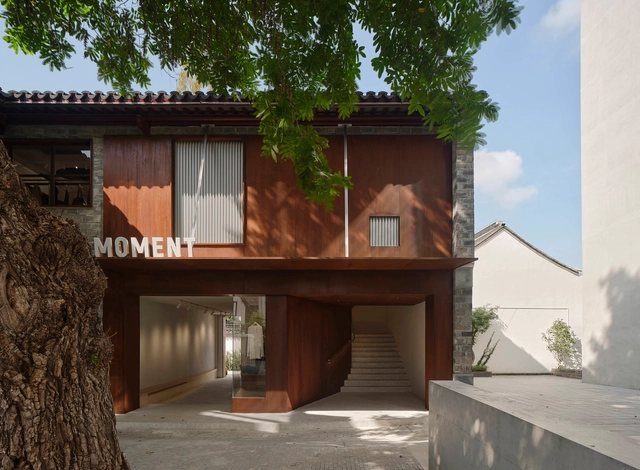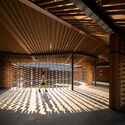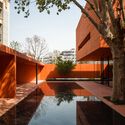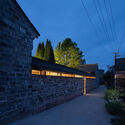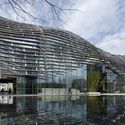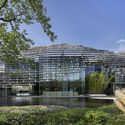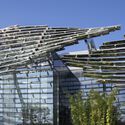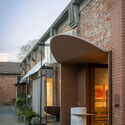
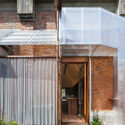
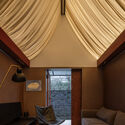
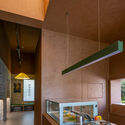
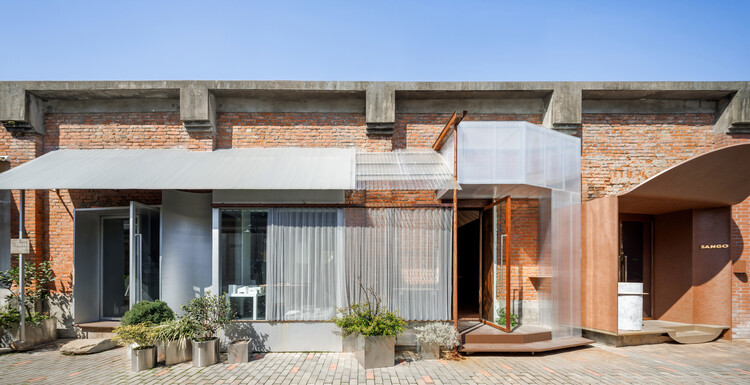
CIPEA No.4 House / AZL architects

Architects: AZL architects
Location: Nanjing, Jiangsu Province, China
Architect In Charge: Zhang Lei
Design Team: Zhang Lei, Jeffrey Cheng, Wang Wang, Wang Yi
Collaborator: Architectural Design & Planning Institute, NJU
Area: 500 sqm
Year: 2008
Photographs: Yao Li
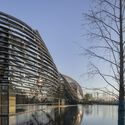
Nanjing Conference and Exhibition Center – South Expansion / tvsdesign

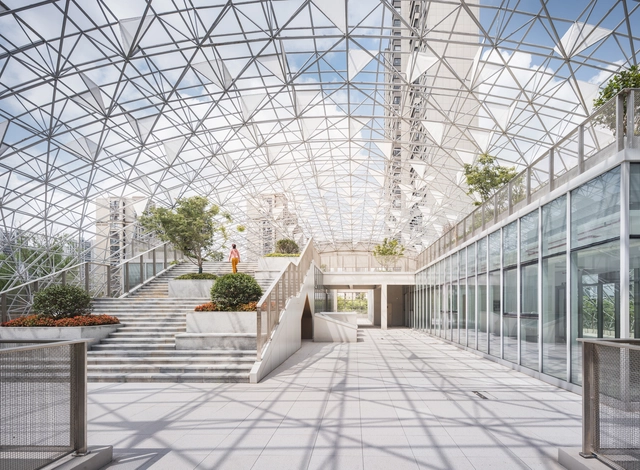
The Nanjing Hexi District recently selected tvsdesign for the south expansion of the Nanjing International Expo Center (NIEC). The goal of this mission was to promote cooperation and exchange between the two cities, and re-emphasize the importance of friendly business relations between China and the United States. Their design will compliment the original master plan and design while embracing the cultural history and beauty of Nanjing, calling upon its dramatic landscape of iconic mountains and scenic waterfronts to enhance architectural roof forms and shape towers that emphasize the importance of the Olympic Axis to the Hexi District. More images and architects’ description after the break.
Nanjing Ecological and Technological Island / AAUPC Agence Patrick Chavannes + G.C.A. Design Consulting

Located on the Yangzi River to the north-east of Nanjing in Jiangsu Province, the proposal for the Nanjing ecological and technological island, by AAUPC Agence Patrick Chavannes + G.C.A. Design Consulting, consists of a development strategy for the Yangzi delta and Jiangsu province. The aim is to define a new image for the city of Nanjing, transforming it into an open economy, developing eco-technological industries and modern services, innovating with existing mechanisms and putting in place the local development strategy of ‘crossing the Yangzi River’. More images and architects’ description after the break.
College of Engineering and Applied Sciences Building for Nanjing University / HDR

HDR was recently chosen by Nanjing University to provide conceptual and schematic design services, as well as a masterplan, for its new College of Engineering and Applied Sciences building. The facility will house four academic departments (material science and engineering; quantum electronics and optical engineering; biomedical engineering; and energy science and engineering), six interdisciplinary research centers, a state-of-the-art conference center, as well as common areas for student and faculty gatherings. The building, which is expected to be completed in 2014, will be over 650,000 square feet and accommodate more than 1,600 students and faculty on a daily basis. More architects’ description after the break.
Regeneration of the Forbidden City / WILCOTER Architects

In the invited competition launched by the Culture Relic Bureau of Nanjing, WILCOTER Architects envisioned an idea to regenerate the relics of the Forbidden City as a capital of the Ming Dynasty over six hundred years ago. In a city that needs a cultural symbol based on their own history, this proposal tries to regenerate an imperial axis, a special experience and atmosphere where people can never have chance to taste. More images and architects’ description after the break.
S.Deer Corporate Headquarters / Prechteck

The main idea behind the design for the S.Deer Corporate Headquarters building was to create a world of fashion underlining the lifestyle the retail company stands for. As fashion is not just about clothing, the new S.Deer headquaters should not just be about administration. Inspired by S.Deer’s appearance design, Prechteck‘s proposal implemented rotated cubes as a formal element in their design. More images and architects’ description after the break.
Plot 6 & Tea House in Jiangsu Software Park / Atelier Deshaus

Architect: Atelier Deshaus (Liu Yichun/Zhuang Shen/Chen Yifeng)
Location: Jishan, Jiangnin Developed District, Nanjing, China
Project Team: Chen Yifeng, Liu Yichun, Zhuang Shen, Chen Juan, Tang Yu
Building Area: 20000 sqm
Site Area: 24238 sqm
Project Year: 2007
Photographs: Shu He
Nanjing Jianning Highrise Complex Proposal / W2Y2L

Located in the Xiaguan District in Nanjing, China, W2Y2L was required to design a high rise complex which included entertaining, sport, commercial and official parts. Hence the major concern of the design was how to merge this “huge complex” into the existing circumstances and get a brilliantly transitional connection with the landscape there. The distribution of architectural volumes in this design follows the idea of traditional Chinese Gardens, which transforms the elements of water, stones, hills, bridges and flowers into significant urban shapes animating and vitalizing the daily life of the entire district. More images and architects’ description after the break.
SOM’s Design Chosen for Nanjing Waterfront Sustainable Redevelopment

Modern urban living, commerce and tourism are a part of the new multi-district redevelopment plans for Nanjing’s Yangtze Redevelopment. Selected by Beijing based MCC Real Estate Company, SOM has imagined a scheme that will create a new area of neighborhoods, shopping districts and corporate skyscrapers embodying a new identity for Nanjing and a mixed-use cityscape for its people.
SOM Director Douglas Voigt said, “The core concept of the SOM plan for Nanjing Xiaguan is making connections. Connecting the city to the river. Connecting the best of urban living to nature. Connecting under–utilized land to value creation that will increase growth, tourism and prosperity. Connecting Nanjing’s rich heritage with China’s rising economy.”
Tower Block Complex / gmp Architekten

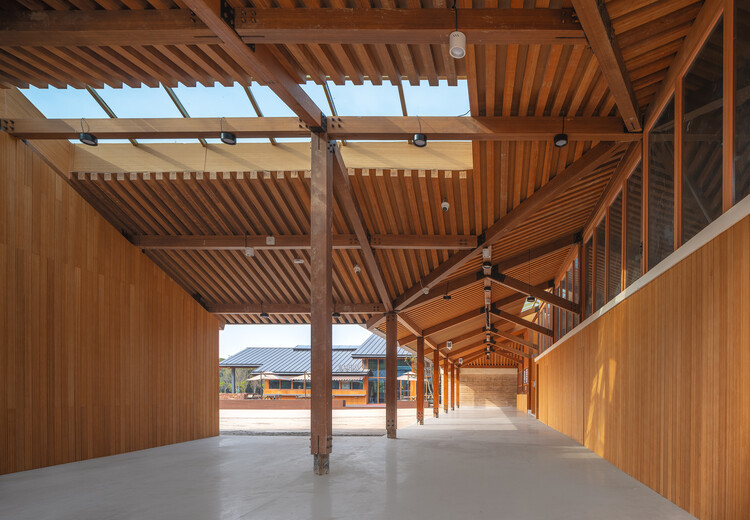
Following their success in winning first prize in an international competition, the architects von Gerkan, Marg and Partners (gmp) have been commissioned to realize a tower block complex of ten buildings in Nanjing. The design by gmp is for a financial enterprise center on a site of about 80,000 square meters in this large eastern Chinese metropolis. The above ground gross floor space of the 120 to 200 meter high tower blocks will be about 500,000 square meters. More images and architects’ description after the break.
Blurry Wall Proposal / Yaohua Wang, Scott Chung, Qing Cao, & Lennard Ong

A wall is a binary condition: in/out, old/new, here/there. Blurry Wall, a proposal for a culture complex in Nanjing, China is a project that confuses these distinctions through conflicting bodily sensations. The intention of team members, Yaohua Wang, Scott Chung, Qing Cao, and Lennard Ong, is to tune the architecture into an instrument that channels the different urban energies flowing through it, blurring the boundaries between them. More images and project description after the break.
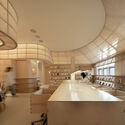
NJFS CEO Office / EXH Design

Architects: EXH Design
Location: Ruanjian Avenue, Nanjing, China
Project area: 3,200 sqm
Project year: 2009
Photographs: Meng Studio
Nanjing Sifang Art Museum / Steven Holl Architects

The new museum is sited at the gateway to the Contemporary International Practical Exhibition of Architecture in the lush green landscape of the Pearl Spring near Nanjing, China. It explores the shifting viewpoints, layers of space, and expanses of mist and water, which characterize the deep alternating spatial mysteries of early Chinese painting. This coming fall the Nanjing Sifang Art Museum will open to the public.
Drawings, photographs, and sketches following the break.
Architects: Steven Holl Architects
Design Architect: Steven Holl, Li Hu
Location: Nanjing, China
Associate-in-Charge: Hideki Hirahara
Project Architect: Clark Manning, Daijiro Nakayama
Project Team: Joseph Kan, JongSeo Lee, Pei Shyun Lee, Tz-Li Lin, Richard Liu, Sarah Nichol
Associate Architects: Architectural Design Institute, Nanjing University
Structural Consultant: Guy Nordenson and Associates
Lighting Design: L’Observatoire International
Client: Nanjing Foshou Lake Architecture and Art Developments Ltd
Project Area: 20,000 sqf
Project Year: 2011
Photographs: Li Hu, Shu He, Steven Holl Architects
Nan Gallery / AZL architects

Architects: AZL architects
Location: Nanjing, Jiangsu Province, China
Project Team: Zhang Lei, You Shaoping, Yuan Zhongwei
Project area: 230 sqm
Project year: 2007
Photographs: Nacasa & Partners
Concrete Slit House / AZL architects

Architects: AZL architects – Zhang Lei
Location: Nanjing, Jiangsu Province, China
Project Team: Zhang Lei, Meng Fanhao, Cai Menglei, Lu Yuan, Tang Xiaoxin
Collaborator: Architectural Design & Planning Institute, Nanjing University
Project area: 270 sqm
Project year: 2006 – 2008
Photographs: Iwan Baan
Populous to design Nanjing’s master plan for the 2014 Youth Olympic Games

The master plan for the 2014 Youth Olympic Games in Nanjing, China has been awarded to Populous, whose designs of special event include Olympic Games, World Cups and Super Bowls.
The winning master plan for the international competition will see over 3 million square meters (320 million square feet) of built space added to the city of Nanjing including Olympic sports venues, exhibition centers and athlete’s accommodations. The Populous plan includes public buildings that will be illuminated like lanterns for the Youth Games.
More images and complete press release after the break.
In Progress: Nanjing Museum of Art & Architecture / Steven Holl

Special thanks to our reader, Vivian Bratone, for sharing some insight to Steven Holl’s newest museum project with us. Situated in Pearl Spring near Nanjing, China, the museum is only a part of the Chinese International Practical Exhibition of Architecture (CIPEA) complex. The CIPEA project is a complete collaboration of architects from across the world, from Italy to Japan, and Mexico to Croatia. Upon completion, the complex will include more than a dozen buildings that will house exhibits for arts and culture.
More about Holl’s project, including a set of Bratone’s images, after the break.
Art Museum / KSP Engel und Zimmermann Architekten

KSP Engel und Zimmermann Architekten has shared their winning proposal for the new Art Museum for Nanjing, China. The museum lies near the cultural axis which is comprised of Changjiang Road to the south and the “revolution road”, Zhongshan East Road, to the north. These roads are slightly angled toward one another creating a “trapeze-shaped plot of land”. This distinct site inspired the team to respond to its critical surroundings. Components in the museum such as the Revolution Cube and the Culture Cube, are strategically placed to honor the project’s location.
More images and more about the museum after the break.