



India
Fortune Farm Store / MuseLAB


https://www.archdaily.com/1015069/fortune-farm-store-muselabHana Abdel
IDUS Furniture Showroom / I'm D'sign


-
Architects: I'm D'sign
- Area: 10000 ft²
- Year: 2023
-
Professionals: IDUS Furniture Store
https://www.archdaily.com/1015073/idus-furniture-showroom-im-dsignHana Abdel
The Stoic Wall Residence / LIJO RENY architects


-
Architects: LIJO RENY architects
- Area: 680 m²
- Year: 2023
https://www.archdaily.com/1015016/the-stoic-wall-residence-lijo-reny-architectsHana Abdel
The Aranya House / Modo Designs


-
Architects: Modo Designs
- Area: 795 m²
- Year: 2023
-
Manufacturers: Asian Paints, Radicals, TWF (the window factory), Techtona Grandis, concube , +3
-
Professionals: Studio PVDRS, Ashish teli, 912 Consultants, Triarch consultants
https://www.archdaily.com/1014957/the-aranya-house-modo-designsValeria Silva
Brick Manor / Bhutha Earthen Architecture Studio


-
Architects: Bhutha Earthen Architecture Studio
- Area: 2800 ft²
- Year: 2023
-
Manufacturers: Hybec
https://www.archdaily.com/1014988/brick-manor-bhutha-earthen-architecture-studioHana Abdel
Boulder House / HabitArt Architecture Studio


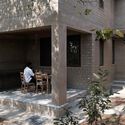
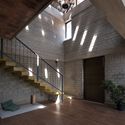
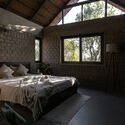

-
Architects: HabitArt Architecture Studio
- Area: 2400 ft²
- Year: 2024
-
Manufacturers: Fenesta, Hindware, Jaquar, Modern Clay, Rave Global Tiles
-
Professionals: HabitArt Architecture Studio
https://www.archdaily.com/1014928/boulder-house-habitart-architecture-studioHana Abdel
Seema Gujral Flagship Store / RENESA Architecture Design Interiors Studio


-
Architects: RENESA Architecture Design Interiors Studio
- Area: 9000 m²
- Year: 2024
-
Manufacturers: Escape Furniture, White Domus
-
Professionals: White Lighting Solutions
https://www.archdaily.com/1014725/seema-gujral-flagship-store-renesa-architecture-design-interiors-studioHana Abdel
ZAURA Boutique / R+R Architects


-
Architects: R+R Architects
- Area: 1600 ft²
- Year: 2023
https://www.archdaily.com/1014819/zaura-boutique-r-plus-r-architectsHana Abdel
Screen House / Kiron Cheerla Architecture Design


-
Architects: Kiron Cheerla Architecture Design
- Area: 7500 ft²
- Year: 2022
https://www.archdaily.com/1014812/screen-house-kiron-cheerla-architecture-designHana Abdel
KLE Sanskruti Pre-primary school, Nipani / Shreyas Patil Architects


-
Architects: Shreyas Patil Architects
- Area: 14000 ft²
- Year: 2024
-
Professionals: Sagar Huddar Associates
https://www.archdaily.com/1014727/kle-sanskruti-pre-primary-school-nipani-shreyas-patil-architectsHana Abdel
House of Reclaimed Gold / OutOfTheBox I Eco-Architects


-
Architects: OutOfTheBox I Eco-Architects
- Area: 2900 ft²
- Year: 2023
-
Professionals: Out Of The Box
https://www.archdaily.com/1014692/house-of-reclaimed-gold-outofthebox-i-eco-architectsHana Abdel
Pott House / Kiron Cheerla Architecture Design


-
Architects: Kiron Cheerla Architecture Design
- Area: 2650 m²
- Year: 2021
https://www.archdaily.com/1014631/pott-house-kiron-cheerla-architecture-designHana Abdel
Chembarathi Boutique Resort / Satkriya


-
Architects: Satkriya
- Area: 3000 ft²
- Year: 2022
-
Professionals: Project Strukon
https://www.archdaily.com/1014630/chembarathi-boutique-resort-satkriyaHana Abdel
Brick House / ShoulderTap


-
Architects: ShoulderTap
- Area: 4600 m²
- Year: 2023
-
Manufacturers: Durgamba, Fenesta
-
Professionals: Cruthi Consultants Consortium Pvt Ltd
https://www.archdaily.com/1014500/brick-house-shouldertapPilar Caballero
Nokha Village Community Centre / Sanjay Puri Architects


-
Architects: Sanjay Puri Architects
- Area: 13000 ft²
- Year: 2024
-
Professionals: Vijaytech Consultants Pvt. Ltd, Sanjay Puri Architects
https://www.archdaily.com/1014460/nokha-village-community-centre-sanjay-puri-architectsHana Abdel
Backyard Pad / Dev & Kaushik Architects


-
Architects: Dev & Kaushik Architects
- Area: 2500 ft²
- Year: 2023
-
Manufacturers: Natural Elements, Odaville, StoneLife Super Studio
-
Professionals: The Pinewood Studio, ID Structural consultants, Ashwin Reddy, Srinivas Rao, AIRCON India, +2
https://www.archdaily.com/1014327/backyard-pad-dev-and-kaushik-architectsPilar Caballero
BEHIND the SCENES Pavilion / LIJO RENY architects


-
Architects: LIJO RENY architects
- Area: 325 m²
- Year: 2023
-
Professionals: Majo Fabricators, Enlite Energy Solutions
https://www.archdaily.com/1014254/behind-the-scenes-pavilion-lijo-reny-architectsHana Abdel
Hassan House / Monsoon Projects


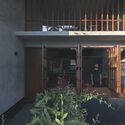
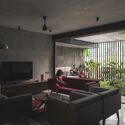
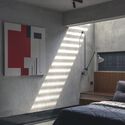

https://www.archdaily.com/1014215/hassan-house-monsoon-projectsHana Abdel