How to visualize architectural concepts in SketchUp using D5 Lite for faster design exploration.
How to visualize architectural concepts in SketchUp using D5 Lite for faster design exploration.
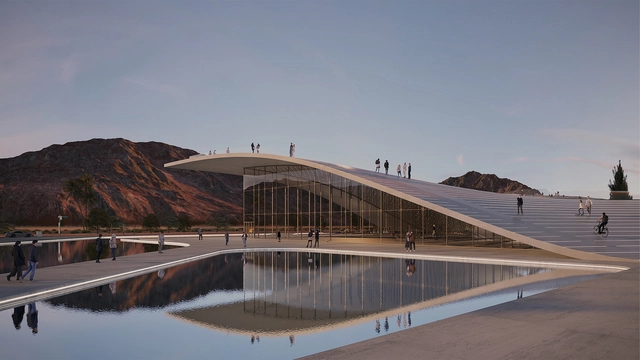
In any city, cultural centers can play a significant role in preserving and celebrating the community’s heritage and history, officing space for a vast array of activities and initiatives to encourage social interaction and the sharing of ideas and memories. They are also institutions that promote education and learning, often offering classes, workshops, and lectures on various topics related to culture, history, and the arts. By fulfilling these crucial roles within a given community, they can also become attractive centers for tourists eager to learn about local identities, cultures, and traditions.
This week’s curated selection of Best Unbuilt Architecture highlights designs submitted by the ArchDaily community dedicated to cultural institutions. From a multifunctional cultural center in Buenos Aires to a cultural storage facility in South Korea or a timber-clad library in Vietnam, this selection features projects that aim to encourage communities to come together to celebrate their shared cultures and histories. The article includes projects from offices such as LOOP Architects, Eddea, Salon Alper Derinboğaz, and Boozhgan Architecture Studio.
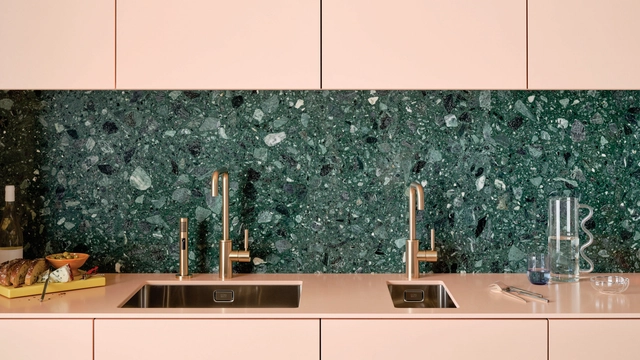
Appropriate fittings are as crucial to interior design as any other prominent feature, enhancing aesthetic appeal and providing the finishing touches to a space. Considered spaces where some of our most basic needs are met, kitchens are ideally designed to suit the lifestyles of its inhabitants, and can include customized fittings with diverse faucet systems, functions and finishes. Seeking style and functionality, we showcase a round-up of Dornbracht’s latest series of kitchen faucets, which seamlessly integrate cutting-edge refinements with timeless design to create versatile living spaces.
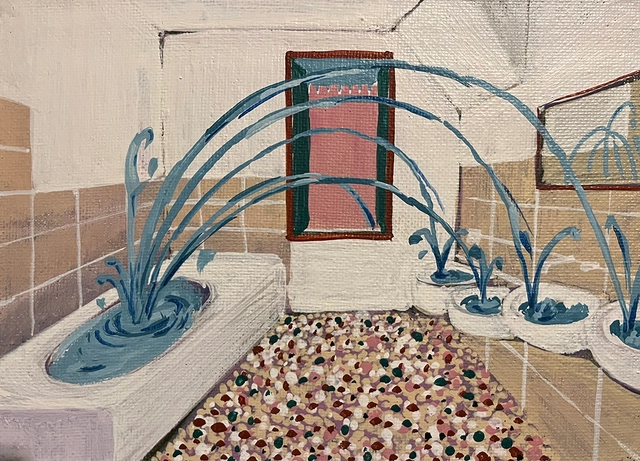
The Estonian Centre for Architecture has chosen the exhibition “Home Stage,” curated by Aet Ader, Arvi Anderson, Mari Möldre of b210 Architects, to represent the Pavilion of Estonia at the 18th International Architecture Exhibition of La Biennale di Venezia. Hosted in a rental apartment close to the rear exit of the Arsenale complex, the exhibition explores the contradiction between the living place as a home and as an exchange value. Various Estonian performers will each spend a month in the Venetian rental apartment, which will become both a home and a stage. The exhibition will be open from May 20 to November 26, 2023.

Known for its impressive architecture, Dubai could add a 93-kilometer city-wide bike path to its list of mega-projects. Designed by architecture studio Urb, the mega-structure would be a covered pathway designed exclusively for cyclists and pedestrians, aiming to encourage Dubai's three million residents to swap their cars for more sustainable and healthier modes of transportation.
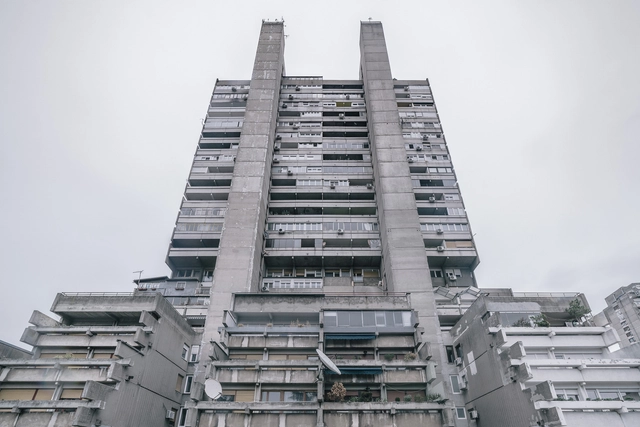
Brutalism is a deeply dividing architectural style - a subcategory of the Modernist movement that featured bare concrete finishes, unusual shapes, and an undoubtedly unique aesthetic. Whilst emerging into prominence in 1950s Great Britain, the most iconic examples of this architectural style are arguably found in Eastern Europe - particularly in the territory formerly known as Yugoslavia.

Whenever light falls on a surface there will be a shadow, no matter how insignificant its focus is. The outline will hardly be visible, but other shapes will come to the fore in this play of light and dark. In the case of being projected by solar dance, a latent dynamic is added to the shadows that can be used to intensify everyday phenomena, breaking the monotony of space. Orthogonal openings in a long corridor or woven pieces in a courtyard are examples of constructive elements that create patches of light and shadow, bringing in addition to aesthetic delight and thermal comfort to its users. In this way, it becomes evident that these intangible elements are essential parts of an environment that, long before Louis Kahn declared the power of shadows, was already being manipulated.
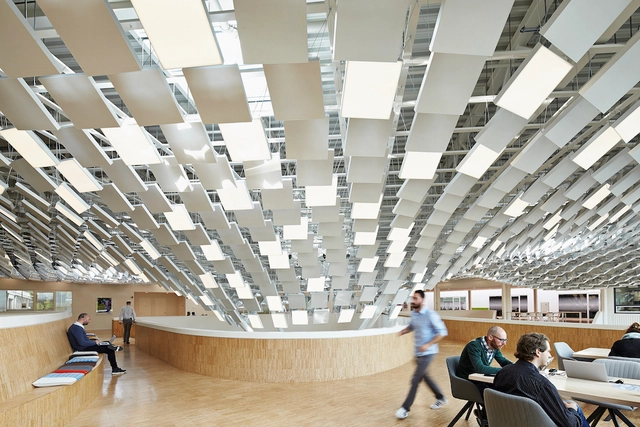
As trivial as the act of flipping a switch and lighting up a room may seem, we've had to come a long way to have safe and reliable light sources. It is estimated that the first lamps were invented 70,000 years ago, consisting of hollowed out stones or shells filled with an absorbent material soaked with animal fat that could be ignited. The Egyptians, on the other hand, used decorated ceramic vessels filled with oil, which provided a constant flame. Candles were popularized during the Middle Ages, made of tallow (animal fat) or beeswax, and could be burned in simple candlesticks and chandeliers. It was in the late 19th century that Thomas Edison and his team invented an incandescent light bulb that could be mass manufactured and was economically viable, soon becoming the dominant form of lighting for much of the 20th century. Although it was a revolutionary invention at the time, we are now aware that these lightbulbs are not very efficient, and they were eventually replaced by fluorescent and, more recently, LED bulbs. But if we have already advanced so much in such a short time, what can we expect for the future of lighting, and more specifically, how will our interiors be lit in a few years or decades?


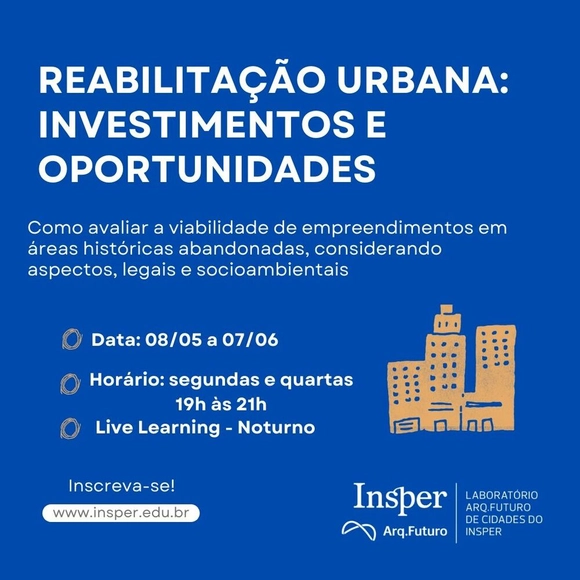
Insper, through the Arq.Futuro Cities Laboratory, has opened registration for the first cohort of the online course Urban Rehabilitation: Investment and Opportunities, which begins on May 8. In this course, students will learn to identify the factors that determine the obsolescence of an urban area, as well as rehabilitation strategies capable of transforming such environments into vital new spaces. The course is led by architects Samuel Kruchin, principal of Kruchin Arquitetura—one of the first private firms to work in the field of preservation and restoration—and Cristiane Gonçalves, principal of Cambota and a professor at FAU-Mackenzie.