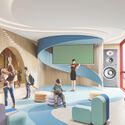
How to visualize architectural concepts in SketchUp using D5 Lite for faster design exploration.
How to visualize architectural concepts in SketchUp using D5 Lite for faster design exploration.
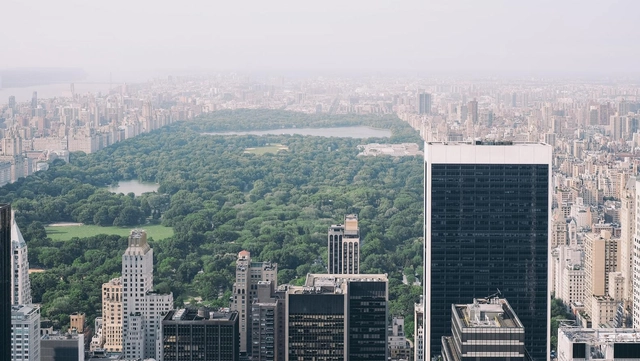
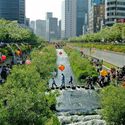
Infrastructure is widely known by the population in general, defined simply as a set of fundamental services for the socio-economic development of a region, such as sanitation, transportation, energy, and telecommunication. The commonly presented examples always refer to man-made physical structures. However, a new concept of infrastructure has emerged in recent decades, driven primarily by the urgent need for reconciliation between humans and nature for the survival of species.
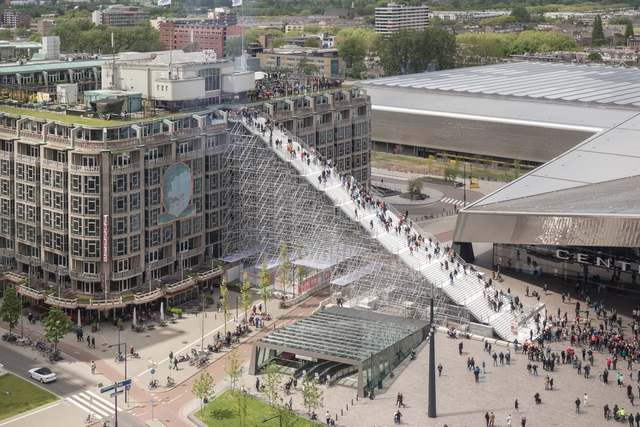
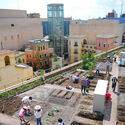
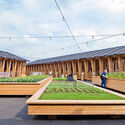
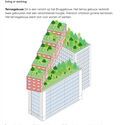
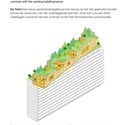
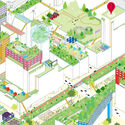
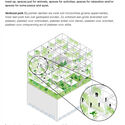
Highlighting an untapped spatial resource, MVRDV's Rooftop Catalogue, in collaboration with Rotterdam Rooftop Days, is now available online for free. Commissioned by the City of Rotterdam, the Rooftop Catalogue presents 130 innovative ideas to make use of Rotterdam's empty flat roofs, showcasing a potential new phase in the city's development and illustrating how reprogramming rooftops can help with issues such as land scarcity and climate change while also addressing the practical side of repurposing these spaces in terms of construction options and suitable sites.
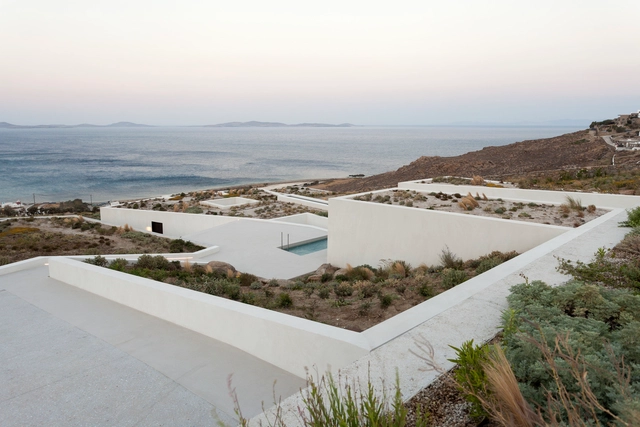
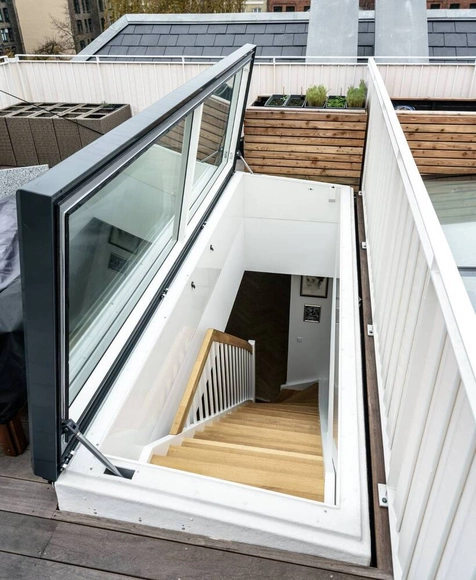
Beyond light as a physical phenomenon perceptible by the human eye, daylight is an inexhaustible architectural resource that is sometimes taken for granted. Just like the air we breathe, we are all aware of the existence of light, but rarely do we seek to do anything else with it. It is essential to recognize its presence as an enabler of experiences in space, due to its intrinsic relationship with architecture and human beings.
The incidence of light in architecture directly influences the way we perceive the passage of time. Since ancient times, constructions such as ziggurats have integrated strategies to capture the changing daylight through their roofs, evolving and remaining present in modern constructions such as the Villa Savoye. More recently, the flatness of roofs in contemporary buildings has been a great resource for incorporating architectural elements that also allow them to be inhabited, such as roof access hatches, which serve as a link between natural light and roof terraces.
Below, we review some of the latest technologies in skylights and access hatches, such as those developed by LAMILUX.
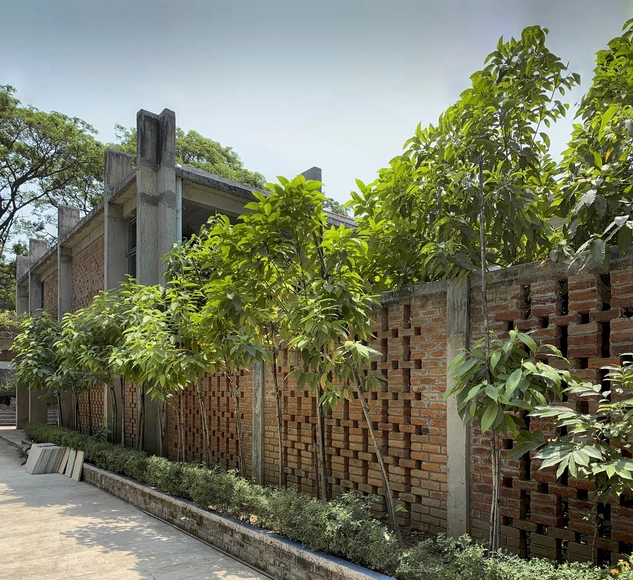

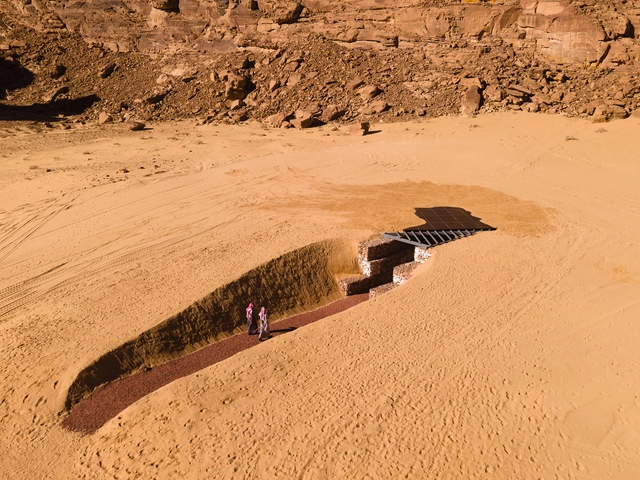
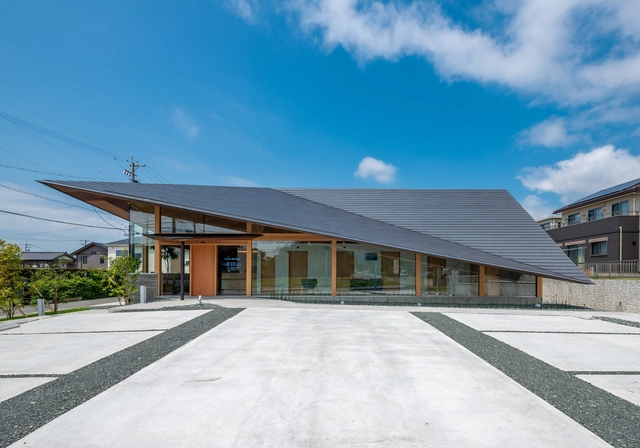


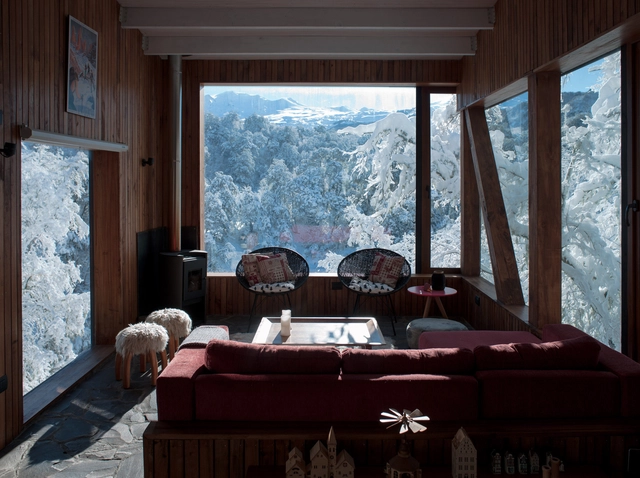
In each region of the globe, vernacular constructions of the most varied kind emerged, whether buried underground, inside caves or even built with stones, wood and fabrics. Shelter solutions were based on available materials and weather conditions. The architecture arises from the development of these shelters, built to protect people from predators and the weather.
The construction solutions employed thousands of years ago have evolved and become increasingly complex but kept a common goal: dealing with the weather.
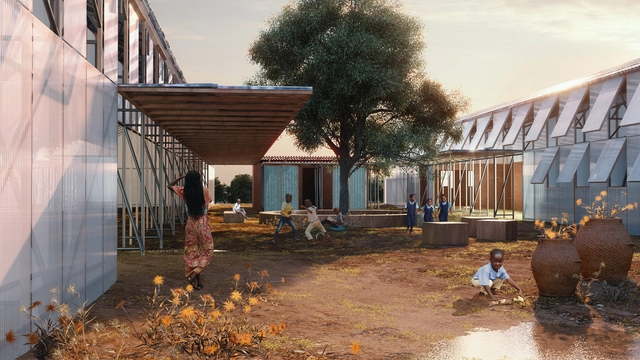
The year 2022 was marked by several socio-cultural and economic crises across the globe, from the Russian invasion of Ukraine to the increasing cost of living worldwide, combined with a number of natural disasters such as the devastating floods in Pakistan and hurricane Ian in the US. In these difficult times, architects are stepping up and embracing their role in developing design-based solutions to humanitarian crises, ranging from temporary shelters and affordable housing schemes to centers for protecting at-risk groups such as homeless underage girls, children from low-income environments, or families in need of medical care.
This week's curated selection of Best Unbuilt Architecture highlights projects submitted by the ArchDaily community that engage with their local communities, offering safe spaces for disadvantaged and at-risk groups. From a sanctuary for homeless girls in Iraq to an affordable housing project in Prague’s first skyscraper, this selection features projects centered around people, their needs, and desires. Many of the projects employ local materials such as clay bricks to lower the construction costs. They also reuse existing buildings and hope to engage the local community in building and appropriating the proposed spaces.