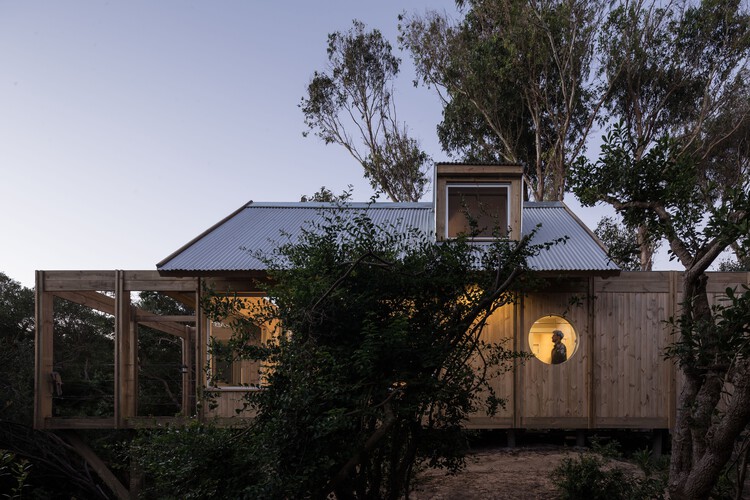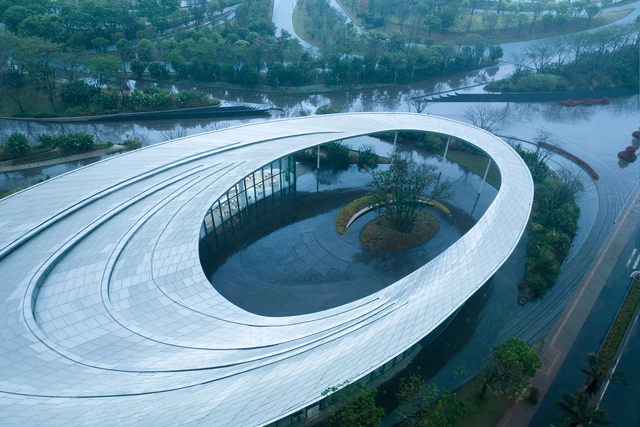


-
Architects: MUDA-Architects
- Area: 1996 m²
- Year: 2023
-
Professionals: Lab D+H, iStructure
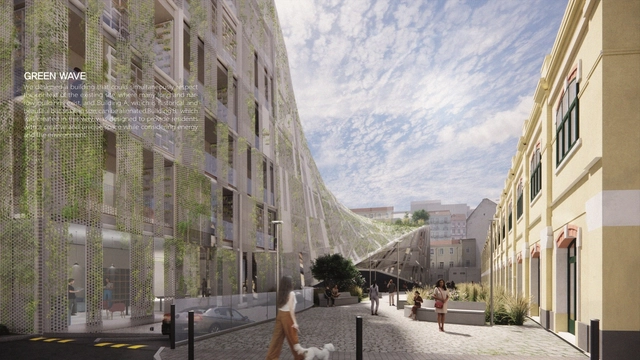
In the face of increasingly intensive planet-wide challenges, it is now clear that the construction sector must shift rapidly and comprehensively toward sustainable construction. The aim of this mobilization must be to drastically and permanently reduce construction-related greenhouse gas emissions, to preserve non-renewable natural resources, to reduce energy consumption, and to provide decent, comfortable housing for all.
In the 2023 Sustainable Construction Barometer, architects are identified as best placed to drive forward sustainable construction (40%, just after public institutions, 44%). And in order to do this, they must be equipped with the knowledge and tools to carry this forward.

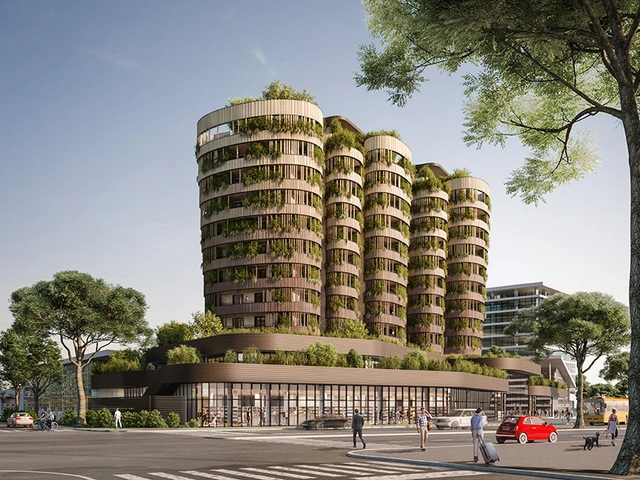
Mario Cucinella Architects has unveiled the design for the new Piazza dei Navigatori in Rome, Italy. Planned as a mixed-use development, the design is predominantly for residential spaces, with a retail and office component, parking, and "plant rooms". The development is located in an area rich in natural elements, which heavily inspires this urban agglomeration.
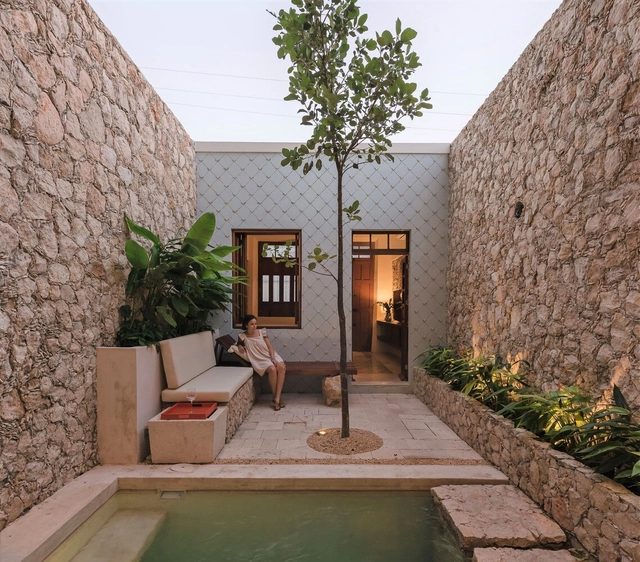
The city of Mérida, the capital of the state of Yucatán in Mexico, has experienced a significant architectural boom in recent years due to emerging talent that has gained recognition through awards and biennials across the country. With its tropical climate, the architecture in this region responds to specific geographical conditions, making it one of the most visited destinations. Mérida is a city that was built upon the remnants of the Mayan city called T'Ho and is composed of a rich culture that combines different moments in history. As a result, the contemporary architecture of this region incorporates traditional elements such as vaults, lattices, and sustainable traditional finishes that are reinterpreted to create a new language that reflects the present moment in which they were constructed.
Foodscapes: Spain's Pavilion for the Venice Architecture Biennale 2023, curated by Manuel Ocaña and Eduardo Castillo-Vinuesa, explores the Spanish agro-architectural context to address global issues. It analyzes the past and present of food systems and the architectures that construct them, in order to look towards the future and question other possible models that are capable of feeding the world without devouring the planet.


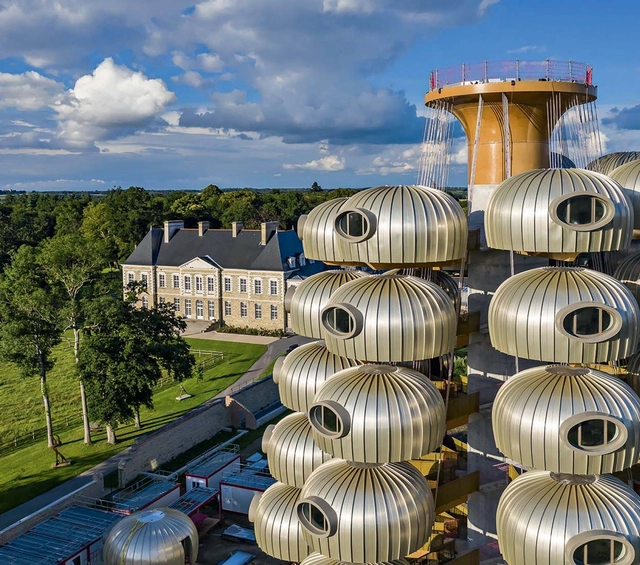
Designed by architect Anthony Rio and his firm Agence Unité, the Château des Pères hotel project showcases the integration of innovative design and materials in the realm of hotel architecture. Taking inspiration from nature, it reimagines the traditional hotel room as a protective nest. This expansion of a historic hotel, nestled in a 12th-century mansion, features reception, restaurant, and event spaces. The new structure, reminiscent of a tree, gracefully extends with branches radiating from a central trunk. Within each bubble-like structure, guests can experience a sanctuary-like ambiance, offering both privacy and panoramic views of the surroundings, made possible by the generous ovoid windows that adorn each facade.


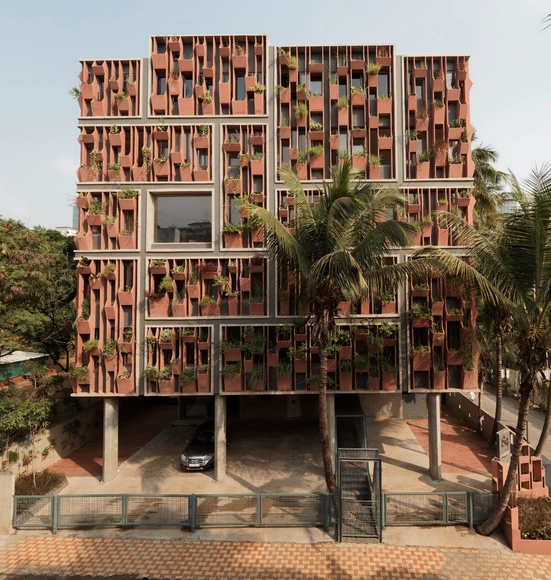
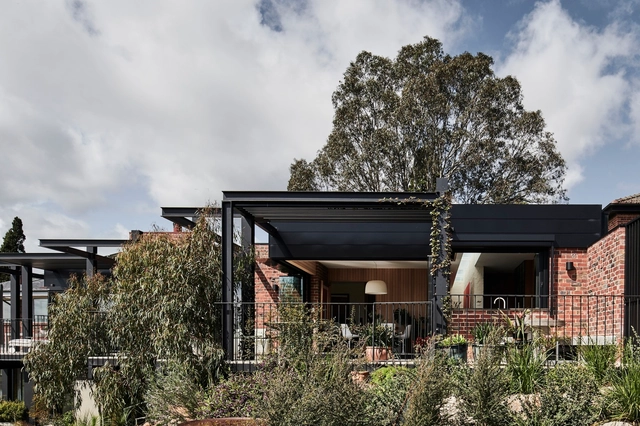
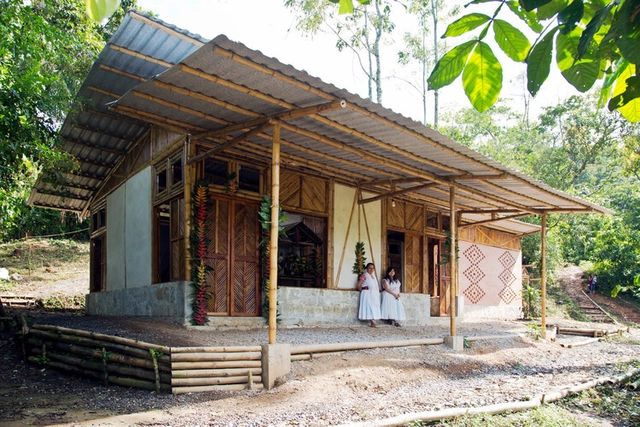
The Royal Academy has honored Shane de Blacam at the 2023 Royal Academy Architecture Awards, alongside announcing the finalists for the Royal Academy Dorfman Award—an accolade that celebrates global architecture, looking toward the future of the discipline and architectural practice. The finalists are COMUNAL (Mexico), Taller Gabriela Carrillo (Mexico), H Arquitectes (Spain), and Tropical Space (Vietnam).


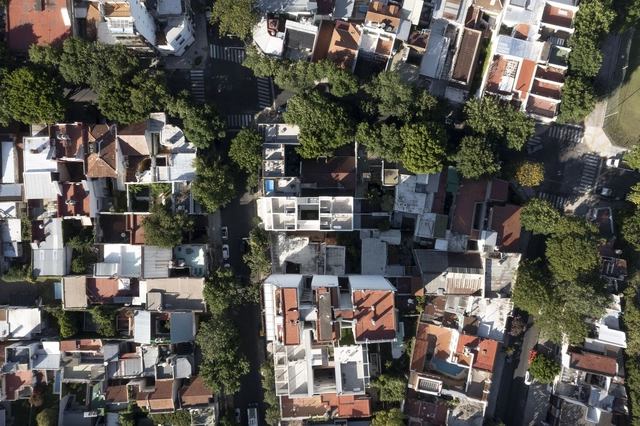
The Economist Intelligence Unit (EIU) released a new edition of its Global Liveability Index, announcing the world's most liveable cities in 2023. Vienna has topped the ranking in four of the last five years, thanks to its stability, cultural richness, entertainment options, and reliable infrastructure. Copenhagen, Denmark, held onto second place, while Melbourne and Sydney took third and fourth, respectively. These cities were regular fixtures at the top of the list prior to the pandemic.
What is the situation in Latin America? Buenos Aires once again emerged as the top Latin American city to live in. Santiago, Chile, reclaimed the second-place spot it held before the social unrest, while Montevideo, Uruguay, ranked third. San Juan, Puerto Rico, followed closely with a very strong score. Conversely, Caracas in Venezuela, Aguascalientes in Mexico, and Guatemala City were among the lowest-rated in the region.