How to visualize architectural concepts in SketchUp using D5 Lite for faster design exploration.
How to visualize architectural concepts in SketchUp using D5 Lite for faster design exploration.
From the changing seasons to the users' interactions, there is almost an infinite set of facets of the architectural project that can be represented through film, and many photographers have entered into this dimension in different formats: documentaries, fixed camera, scripted performances or time-lapses, among others that you can browse in our video section.
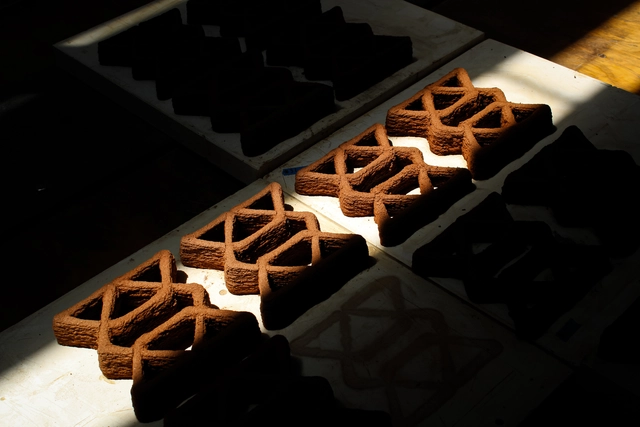
Carved stones were the first tools that hominids used to transform their environment. It is exciting to imagine how, since the Stone Age —a period that began approximately around 10,000 BC— and thanks to humanity's long evolutionary process, the tools we used have evolved from simple stones to complex robotic systems. These advancements represent a revolution in production methods, both at the current industrial level and on a local scale.
Technologies such as artificial intelligence (AI) and digital fabrication systems have been perceived as labor-replacing threats varying by context. In Latin America, manual fabrication is deeply ingrained, specialized, and cost-efficient in some sectors, making digital substitution less pressing. In contrast, biomaterials derived from fungi or agro-waste provide environmentally friendly construction alternatives, promoting sustainability and circular economies. This stimulates meaningful discussions about the potential of digital fabrication, requiring an understanding of local resources and challenges. Therefore, it lays the groundwork for biomaterials that preserve identity while offering solutions to local issues.
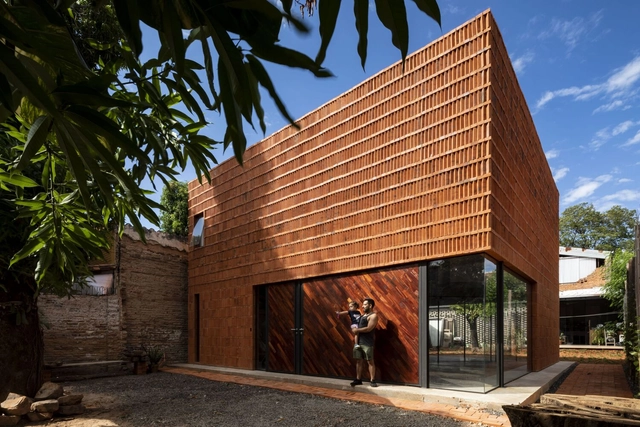

How can we create inclusive, equitable and dignified public spaces that are adaptable and responsive to the local environment? World Urban Parks seeks to identify innovative and creative proposals to this question through the Parkitecture international design contest, inviting visionary architects, landscape designers, and urban planners to reimagine urban parks for a sustainable future.
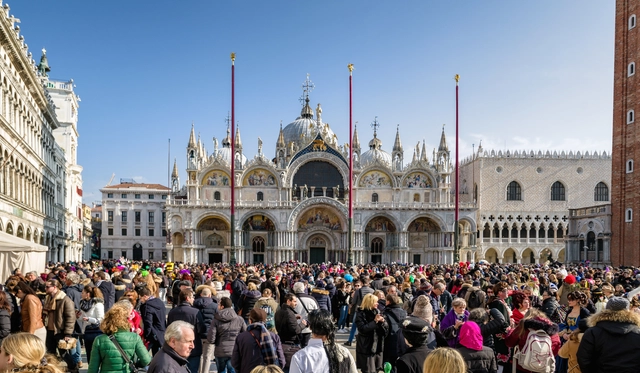
Since pandemic-imposed restrictions have been lifted, Europe has experienced a surge in tourism, with millions of people visiting some of its most attractive destinations, such as Venice, Barcelona or Paris. The large number of visitors has proved to be a challenge for the cities, creating overcrowding and affecting the local population, urban development, and even the natural ecosystems surrounding the urban areas. In a bid to limit this influx, some of Europe’s most popular cities are taking various measures to address the overcrowding and the subsequent social and infrastructural issues. The measures include fines, entrance fees, and time-slot systems to impose some restrictions.

Drawing inspiration from the visual style of acclaimed director Wes Anderson, known for films like "Asteroid City" and “The Grand Budapest Hotel,” this new architectural film chronicles the homeland and landscape of Singapore. Directed by Kevin Siyuan, this is the second volume of “A Wes Anderson-ish Singapore” released. Moreover, the 20-minute documentary will be previewed on Singapore’s National Day and focuses on the urban planning, architecture, parks, and the people of Singapore.
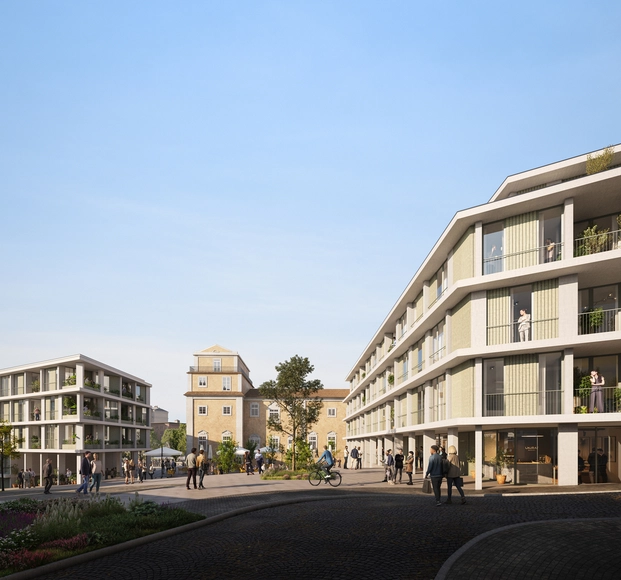
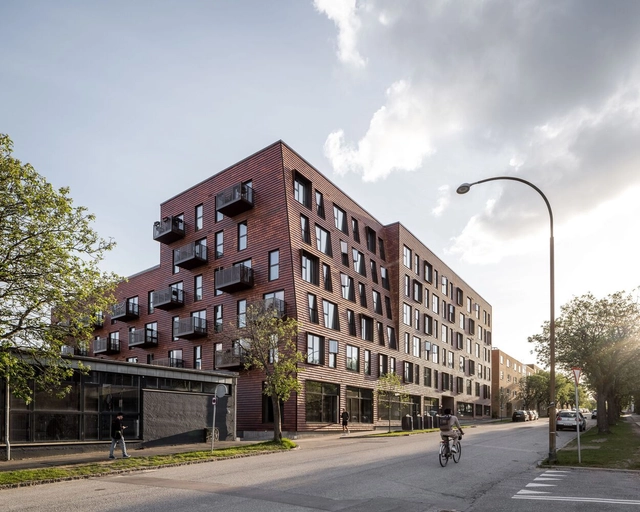
The Portuguese office MASSLAB won a competition promoted by the Housing and Urban Rehabilitation Institute (IHRU, IP) for 100 affordable housing units in Lisbon. The competition aimed to integrate the new buildings with heritage values and the city’s urban fabric next to the Estrela Basilica.