How to visualize architectural concepts in SketchUp using D5 Lite for faster design exploration.
How to visualize architectural concepts in SketchUp using D5 Lite for faster design exploration.


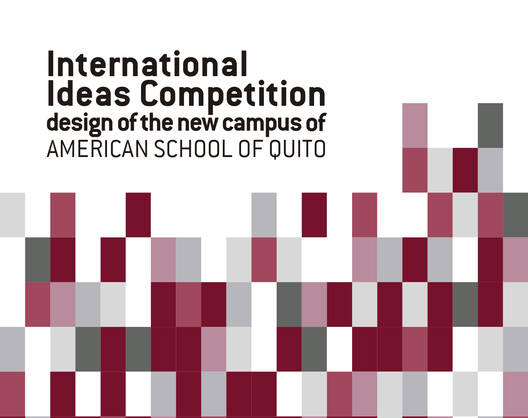
The American School of Quito Foundation (FCAQ) and the College of Architects of Pichincha (CAE-P) have announced the launch of an International Ideas Competition. The competition aims to solicit entries for the design and architectural direction of the school's new campus. The American School of Quito is renowned for its academic excellence and has shaped students with integrity, values, and principles for over 80 years. It provides a learning environment that fosters freedom, responsibility, and democracy while remaining committed to society's and the environment's well-being.

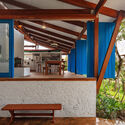
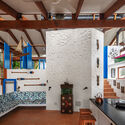
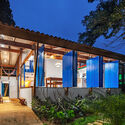
Join us to learn the technique of rammed earth and plaster by intervening and transforming an abandoned tobacco house next to the Zaza River, in the central region of the island of Cuba. This is a workshop for all interested professionals, students and practitioners.


Learn about rammed earth and plaster techniques by intervening in and transforming an abandoned tobacco house next to the Zaza River, in the central region of Cuba.

This book delves into the architectural heritage of public housing developed in Hong Kong between the 1950s and the 1980s. Embracing the modernist architectural approach, the city initiated mass housing projects that redefined urban living. Towering structures emerged to meet the housing needs of nearly three million residents, resulting in one of the world’s most futuristic and densely populated urban landscapes.
Through captivating photographs and engaging narratives, the first half of Concrete Hong Kong offers a glimpse into the housing estates constructed during the second half of the 20th century, showcasing a variety of structures, including the cruciform Shun On Estate, the vibrant Choi Hung Estate, and the brutalist Po Lai Court. The second half of the book immerses readers in a hands-on experience, featuring six pre-cut and pre-folded models ready to be pressed out and assembled, making this book a must-have for anyone seeking to uncover the hidden stories behind Hong Kong’s concrete jungles. All you need is glue!
Includes a foreword by Charles Lai, architect and architectural historian based in Hong Kong.
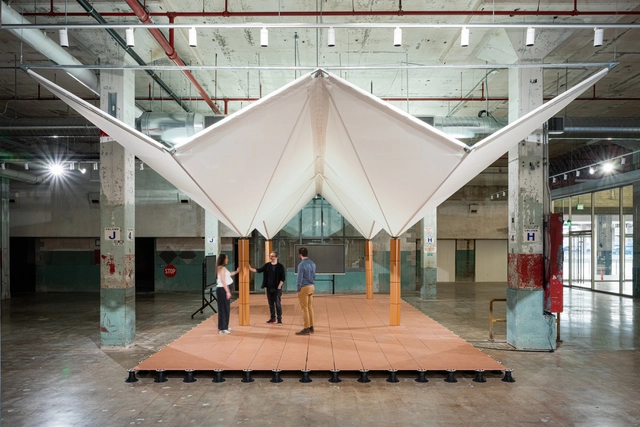
Building Ecologies is the result of collaborative and interdisciplinary research led by architect Juan José Castellón at Rice University, featuring the participation of the School of Architecture, the Department of Civil and Environmental Engineering, and the Shepherd School of Music, along with support from the Carbon Hub initiative.
Exhibited at POST Houston in Texas, this model proposes innovative approaches to urban infrastructure and social spaces, aiming to promote the integration of architectural, technological, and ecological systems.
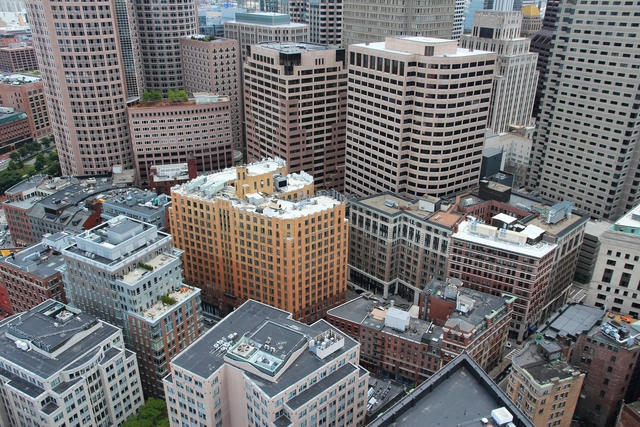
Cities across the US are struggling to fill their office spaces. Major cities like Washington DC, Boston, and San Francisco have increasingly vacant downtowns, while the urban centers of small Rust Belt cities struggle to survive altogether. This trend is consistent beyond the US, with over three-quarters of Europe’s office buildings at risk of obsolescence by the decade’s end. The cause of this, in most cases, is simple: an oversupply of offices and a shift towards remote work. These vacant buildings can trigger a negative domino effect of economic and social challenges for cities, and their surplus, coupled with a housing shortage, has sparked discussions among cities and architects about the impending necessity to transform offices into housing.

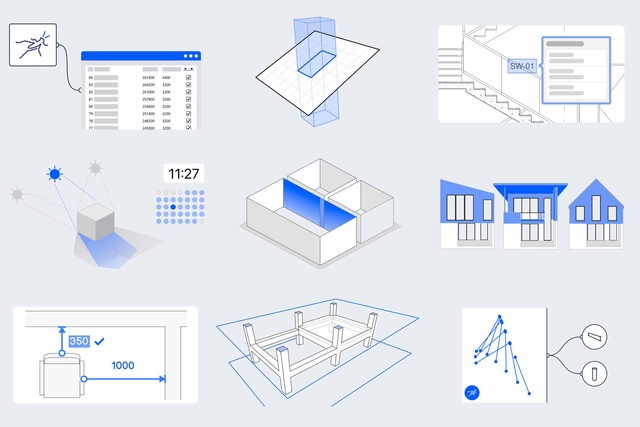
Architecture is a unique field that combines equally constant aesthetic and functional needs, while immersed in dynamic technological environments. At this juncture, design processes and buildings are becoming increasingly intricate, requiring architects to manage projects efficiently while fostering multidisciplinary and multi-level collaboration throughout workflows. Additionally, the new technologies and tools we employ in the process must evolve at the same pace —sometimes even faster— by embracing aspects such as sustainability and efficiency, all while keeping an eye on the future.
The tools available in the multidisciplinary architectural environment have evolved significantly quickly. Both students and experienced architects have now nearly completely transitioned from manual methods to computer-aided drafting software. Today, we find ourselves immersed in the era of architecture driven by technologies such as Building Information Modeling (BIM), artificial intelligence, and digital processes. At the same time, the fundamentals of BIM and its historical background trace back to the early days of computing, research, and new technologies, which sparked a rapid evolution within the AEC industry and among its professionals.
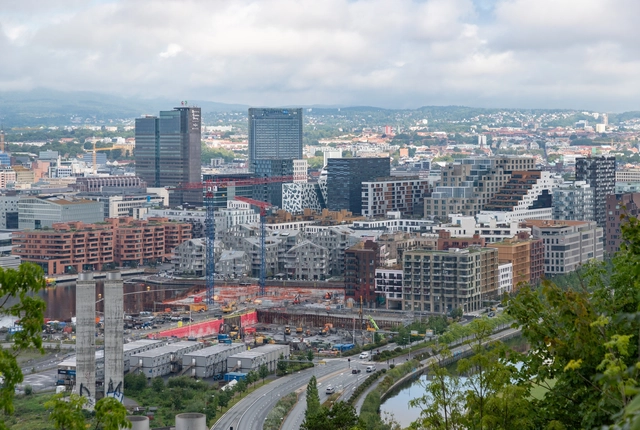
The Norwegian studio of Powerhouse, in collaboration with KIMA arkitektur, has won a design competition for the transformation and extension of one of the historical buildings located in the center of Landbrukskvartalet. Known as the Agricultural Quarter, a former farming and industrial site in central Oslo, the area is now scheduled to go through an urban revitalization process to be transformed into an active neighborhood based on the design philosophy of ‘new meets old’.

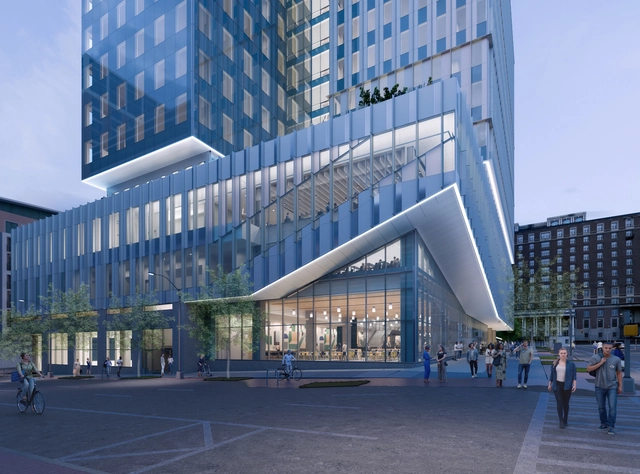
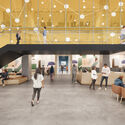
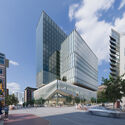
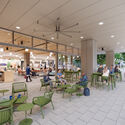
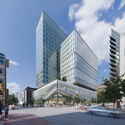
EskewDumezRipple has just revealed the designs for a new academic building for the Georgia Institute of Technology in Atlanta. Embedded into the new “Technology Square,” this expansive project marks phase 3 of Georgia Tech’s growth initiative. Designed to facilitate the development of technology leaders and enhance the human condition of Georgia Tech students and faculty, the scheme creates a vibrant intellectual environment filled with inspiration.
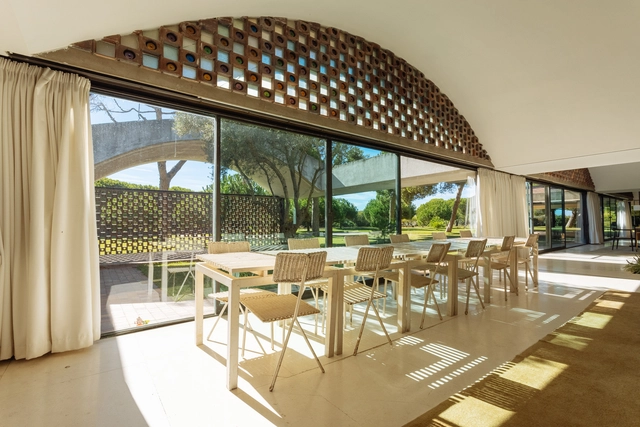
In 2021, the Government of Catalonia recognized Casa Gomis, designed by the architect Antoni Bonet Castellana for the Gomis-Bertrand family between 1949 and 1956, as a Cultural Heritage of National Interest in the category of Historical Monument.
Designed from a distance in Argentina, 'La Ricarda,' as the residence is also known due to its proximity to the eponymous pond, which recently became the center of debate over the expansion of Barcelona Airport, stands out for its vaulted roof and glazed enclosures that engage with the surroundings of Prat de Llobregat.
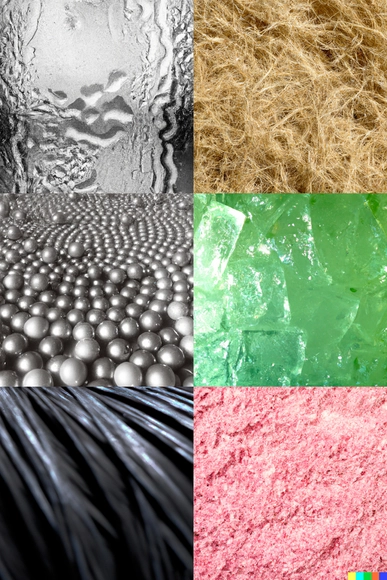
Although more related to evolutionary aspects than to architecture itself, the inherent physical fragility of human beings has required, since prehistoric times, that we protect our bodies and our buildings from external elements. As an example, beginning with the primitive huts used in the earliest forms of domestic architecture, furs were employed as an exterior covering to restrict the flow of air and, consequently, regulate the interior environment.
Subsequently, we have observed an evolution that clearly shows advances in insulation techniques, going from vernacular materials such as adobe to an increase in the thickness of walls using stone or brick, finally reaching the cavity walls developed in the 19th century, which left a small air chamber between an exterior and an interior face of the wall. Its later popularization led to the introduction of insulation between both faces, a system that is widely recognized and used today and has laid the foundations for further developments in this field.