How to visualize architectural concepts in SketchUp using D5 Lite for faster design exploration.
How to visualize architectural concepts in SketchUp using D5 Lite for faster design exploration.
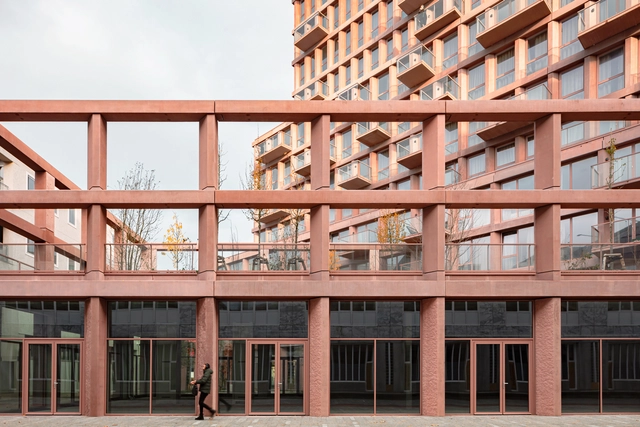

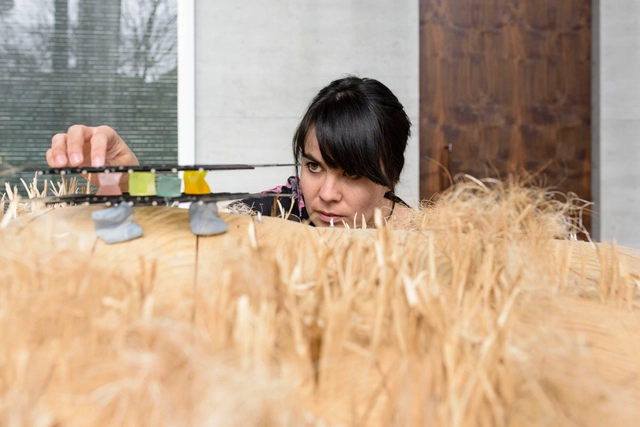
Born in Brazil and educated in Paraguay, Gloria Cabral is an architect who early on learned that home can be many places—or none at all. Guided by a comprehensive understanding of the geography, culture, and social conditions of the places she designs, she has left her mark on buildings and artistic installations constructed in various locations, from Asunción to Venice.
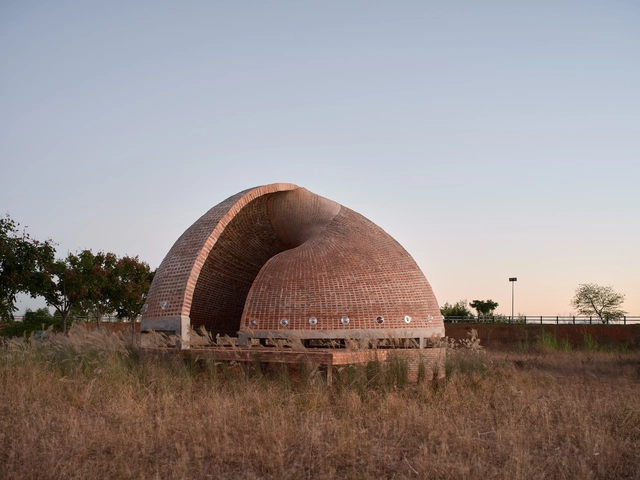
Besides her interest in the specificities of the places where she operates, Gloria focuses on resource economy and material reuse — a trending theme that Gloria has championed for over fifteen years. We had the opportunity to speak with the architect about her experiences in Paraguay and Brazil, some of her works involving recycled brick, and her insights into architecture and sustainability.
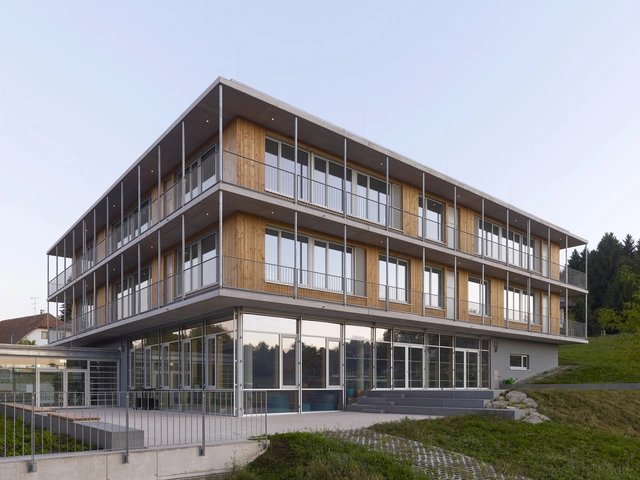


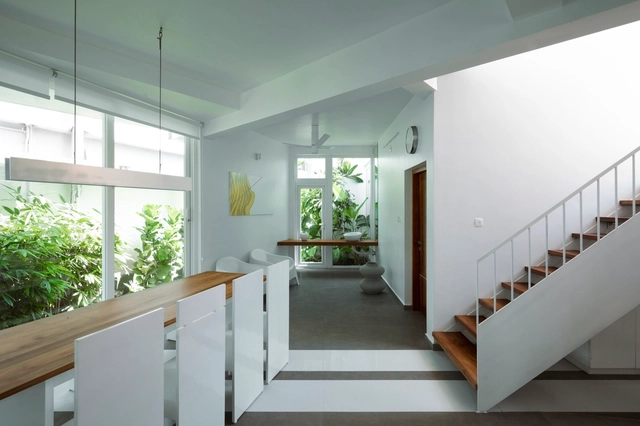
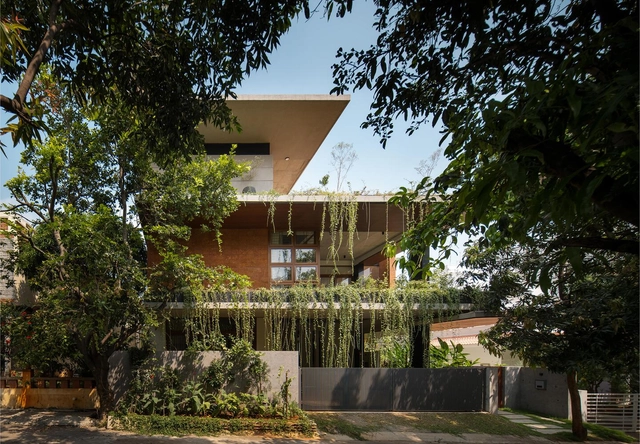

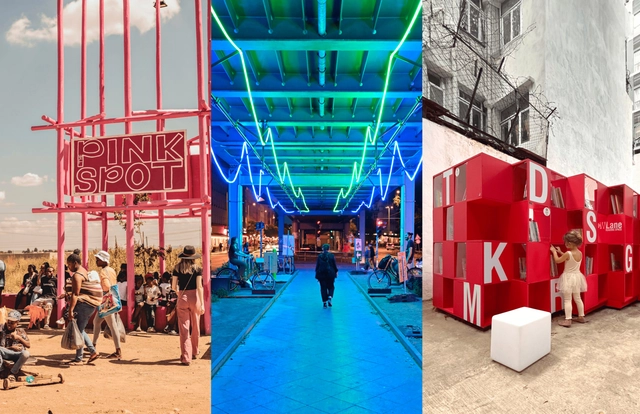
Contemporary cities and urban settlements manifest as intricate structures that demand deep reflection and a careful approach. The social models and spatial layouts within them are in constant evolution, transforming over time. In this context, a crucial question arises: What is the predominant model for cities today? Many contemporary cities result from a paradigm that reached its apogee in the 19th century, characterized by intensive densification and urbanization in response to needs that weren't always reflective of its inhabitants.
In some cases, due to the transformations experienced by large cities, certain urban sectors have fallen into disuse, becoming residual spaces or moving away from purposes oriented to community development. Recognizing that people are the driving force behind the dynamics of cities and human settlements, it is imperative to reclaim these spaces. To this end, theoretical approaches such as the one proposed by Henri Lefebvre's right to the city and the 15-minute city are presented as alternatives. In these cases, people regain the focus, becoming key elements in the design, and allowing for the re-establishment of a community-person-space bond.