Natura Building / Diez+Muller Arquitectos

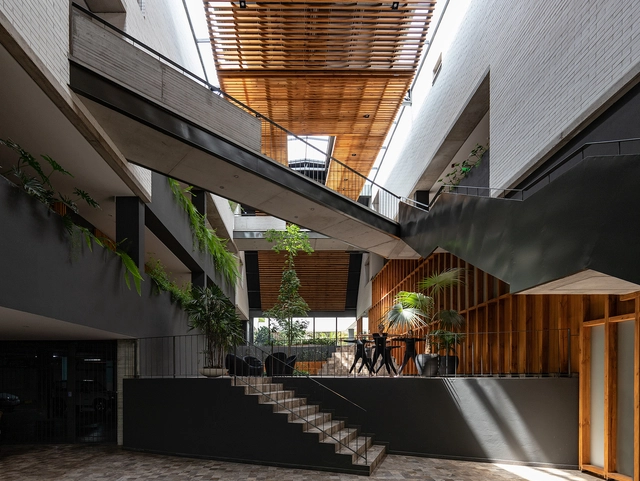
The Tumbaco Valley: Tumbaco Valley has become a highly developed residential zone, achieving in recent years a significant population growth. The vast majority of people who inhabit the valley work in the city, which has meant that this area is being transformed into a small dormitory town. This resulting in: long journeys, vehicular congestion, pollution and an extended development, lacking services and equipment. The project emerges from the interest of a group of people to attack this problem. Thus, a mixed-use building (offices and housing) is proposed, promoting certain concepts: work close to home, work and live in contact with nature, and consolidation of the city.
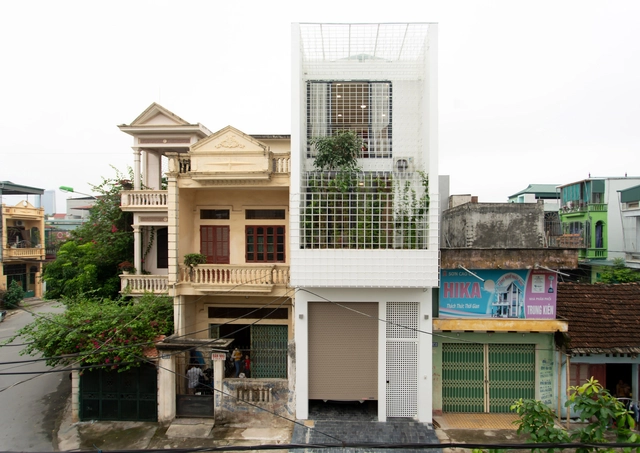
Cage House / T-architects

We met the client who had a request to design a new 76-square-meter house (4,5 meters wide and 17 meters long) in the urban area of Thanh Hoa, a city in the middle part of Vietnam. The owner wished to have a three-story house providing a space for a family of four people, a young couple and two children. Before the concept stage, they gave us some requirements to follow: a house differently compared to around ones in the neighborhood and a house with a strong connection between the family members.

Taizhou Contemporary Art Museum / Atelier Deshaus

Taizhou Contemporary Art Museum is situated inside the Shamen Grain Depot Cultural and Creative Park with unique historical context. Taking advantage of a large area of existing factories and warehouses in the former Soviet Union style within the park, the new project aims at reintegrating and renovating the depot park with appropriate restoration and reservation. 

Nakasone House / Escobedo Soliz

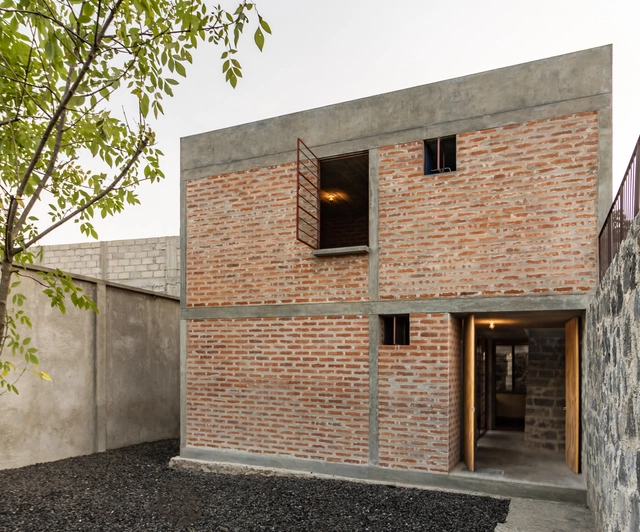
The house is located in an informal neighbourhood on the outskirts of Mexico City. This small house of 100 m2 spread over just 50 m2 on two levels was built for a retired teacher. The client's limited budget forced us to use the most common and affordable construction materials and systems on the market.

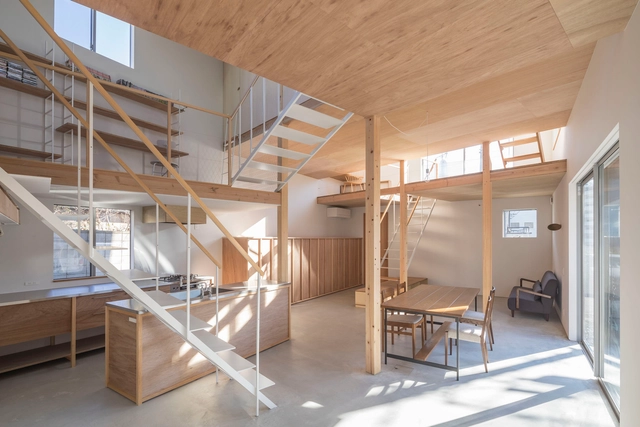
Stairway House / nendo

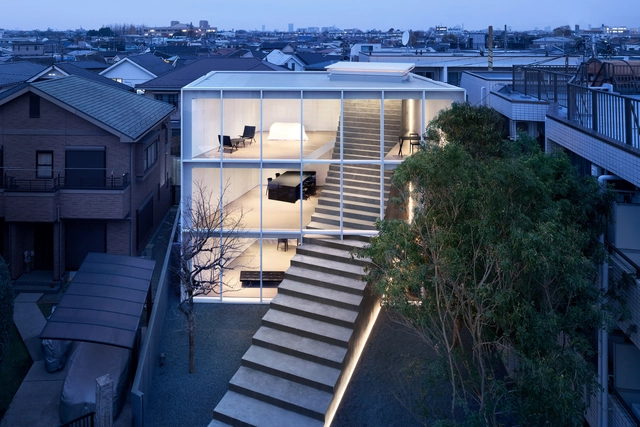
A two-family home in a quiet residential area of Tokyo. With other houses and apartment buildings pressing around the site, the architectural volume was pushed to the north to take in daylight, ventilation, and greenery of the yard into the living environment by a large glass front southern façade.

Shikhara House / Wallmakers

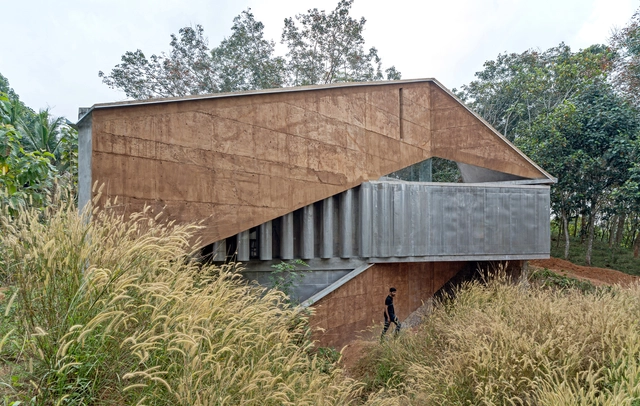
Set against one of the silent hilltops of Trivandrum, the site was located at the highest point in that particular part of the woods. The client was somebody who loved to travel and planned frequent escapades to distant lands, all over the country. The Himalayas had always caught his attention and intrigued him the most and he was lucky that his abode too would be just as reclusive, set into the lovely hilltop. However, being a west facing site one would have to hold up a hand to shield their eyes from the harsh west sun. That ‘hand’ was re-imagined as a slanting wall along the site giving birth to the concept of conceiving the residence as - Shikhara ( Peak)

Municipal Archive / Aulets Arquitectes

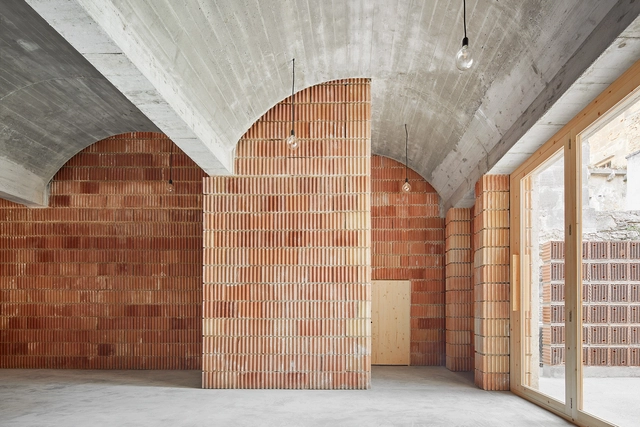
The plot is part of the historic center of Felanitx. A place built by overlapping plots, patios, terraces and walls, a legacy that remains in the plot as part of the material history of the building and the city. In the same way, the building is a sequence of constructions and materials that gathers the constructive systems of the territory of Mallorca.

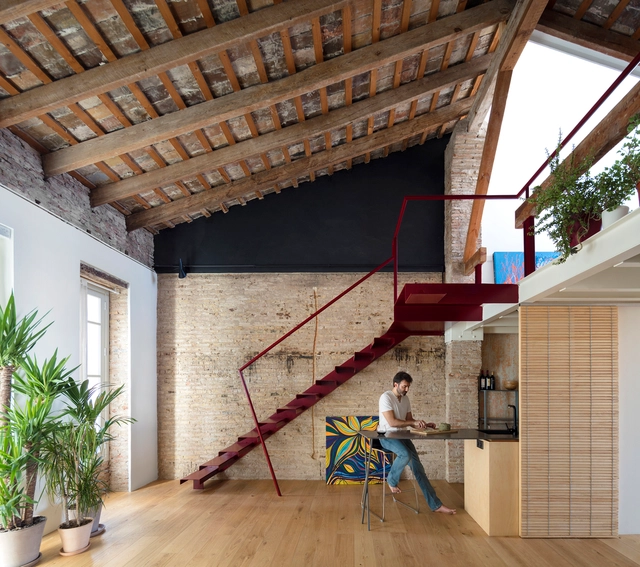
The Parchment Works House / Will Gamble Architects

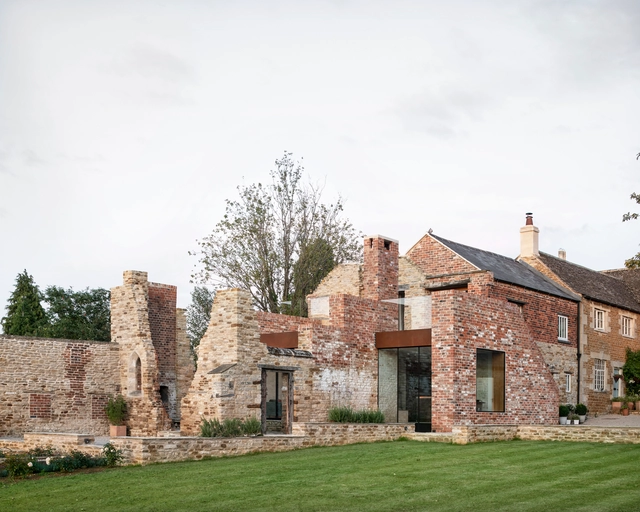
The existing property consisted of a Grade 2 listed double fronted Victorian house.  Connected to the house was a disused cattle shed and beyond that a ruin, which was a former parchment factory and a scheduled monument.  The client’s initial brief was to convert the cattle shed and demolish the ruin to make way for a new extension. From the beginning of the design process, it was clear that the client viewed the ruin as a constraint as opposed to a positive asset that could in fact be celebrated through a sensitive but well-conceived intervention. 

Woodcroft Neighbourhood Centre / Carter Williamson Architects

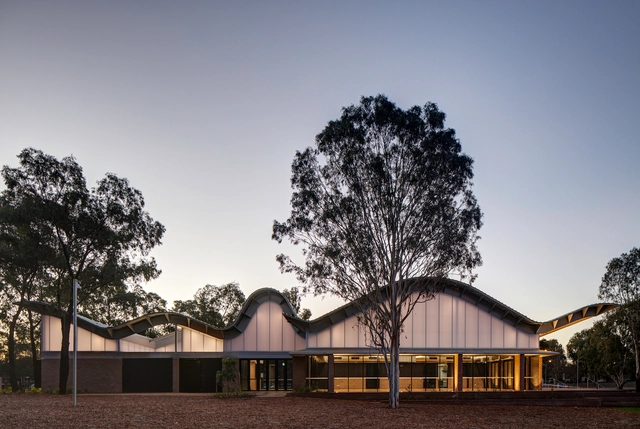
After the former Community Centre was deliberately burnt down in 2015, the newly created City Architect’s Office took the opportunity to build a centre exemplifying its vision for community centres as places of lifelong learning, well-being, recreation and culture. Ambitions for the centre included an increased capacity and flexibility of spaces and for its architecture to galvanise civic pride. The brief to Carter Williamson called for:

Saadat Abad Residential Building / Mohsen Kazemianfard - fundamental approach architects

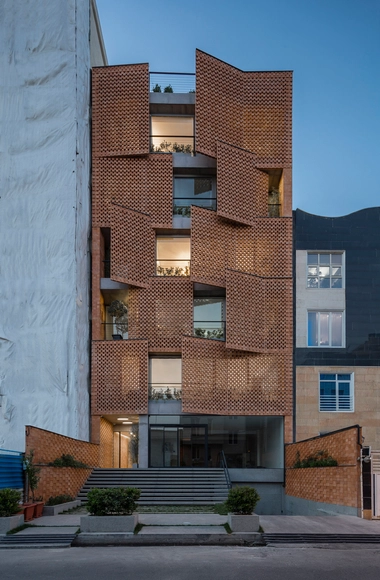
A built structure of a seven-store apartment which two floors of them are under the ground was given to us to be designed. In that phase, we had to design the plans and also a façade which could create a strong connection between the interior and exterior spaces. Having interior spaces with an open view in spite of reaching an adequate privacy was required by our client. Thus, this issue played a crucial role in the designing process of the façade.

Transformation of a Square in Mallabia / azab

Traditions in a global world
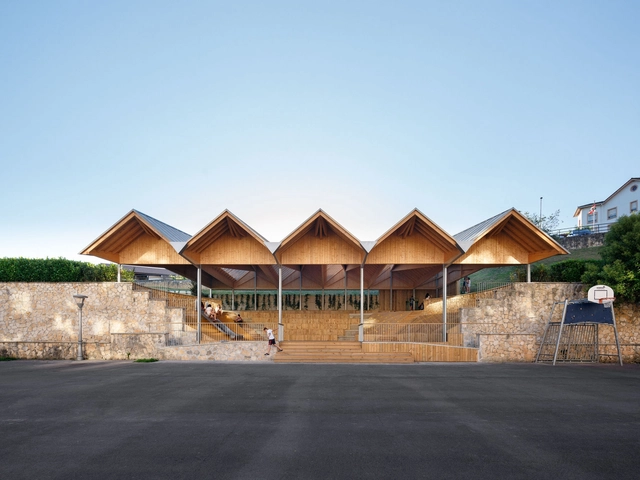
Globalization also imposes on urbanism a loss of contextual and social values ​​that are transferred to its plans and buildings.

House in Hakuraku / Tato Architects

At this house - a residence designed for a family of four - it was requested that everyone in the family should be able to feel the presence of each other regardless of where they are in the house. The design is based on the fixed topography of the site at the top of a hill, and the expectation that there will not be any big changes to the quiet residential area of the surrounding in the future. 
On the site there was an aging main house and a rental building; we decided to rebuild both houses using the same composition.

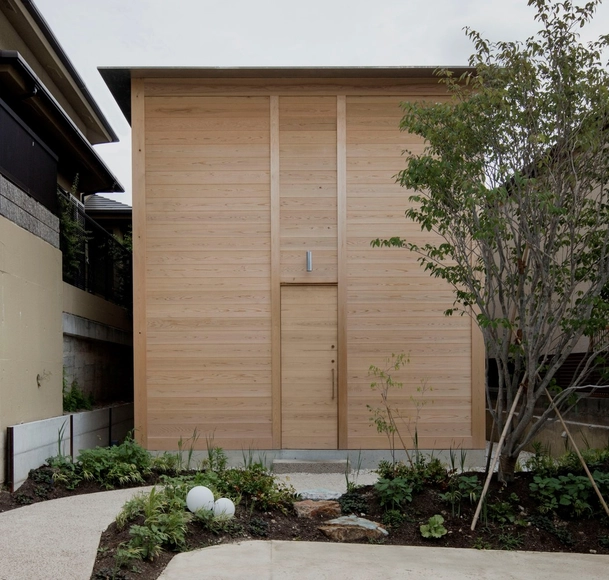
Ogimachi House / Tomoaki Uno Architects

This house was built by a son for a sick mother. An important concept of this house is the way private and society interact. Eventually, I proposed a house with no windows on the wall except for the entrance and the rear entrance. Instead, he suggested installing 32 fixes and five large windows that could be opened and closed on the ceiling.

De la Conserva House / Jose Costa

The architect’s house. The most personal, intimate and necessary project an architect can face. An opportunity to explore unlikely paths and propose a unique and particular way of living. This place must host stories coming from past lives and stimulate future ones. A space that expresses a particular character and identity, that welcomes dreams and whims invites you to fly.

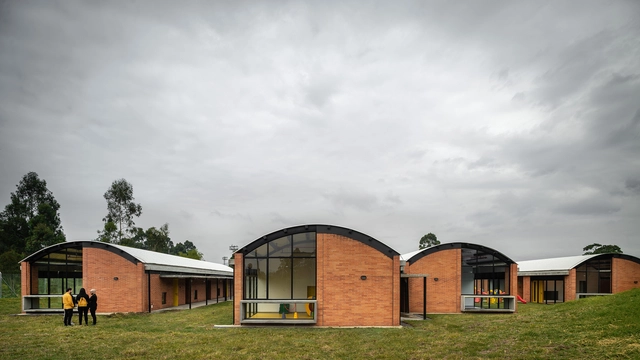
El Porvenir Children Center / Taller Síntesis

The El Porvenir Child Development Center is a public institution, located in the municipality of Rionegro, Antioquia. The centre can house up to a total of four hundred children, mainly inhabitants of the neighbouring neighbourhood of the same name.

White Rabbit House / Gundry & Ducker

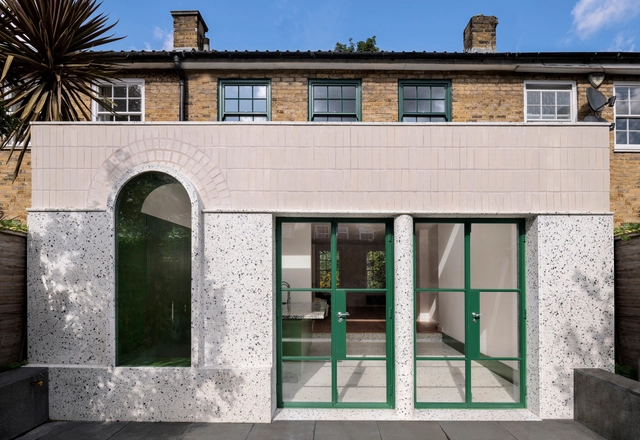
The house is part of a terrace of 1970s neo-Georgian houses, built on the site of demolished large Victorian Villas. This terrace is one of many similar examples built in a ten year period from the mid-1960s around Canonbury. Whilst the front facade was designed in the Neo-Georgian style, the interior layout and design were generic 1970’s housebuilders. Stripping out the entire interior back to just the external walls and the roof, we inserted a new interior as a modern interpretation of a Georgian house interior. The design is centered around a cantilevered pill-shaped staircase that sits in a triple-height space with the upper rooms accessed directly off the stair. 

Fogon Restaurant / Hitzig Militello Arquitectos

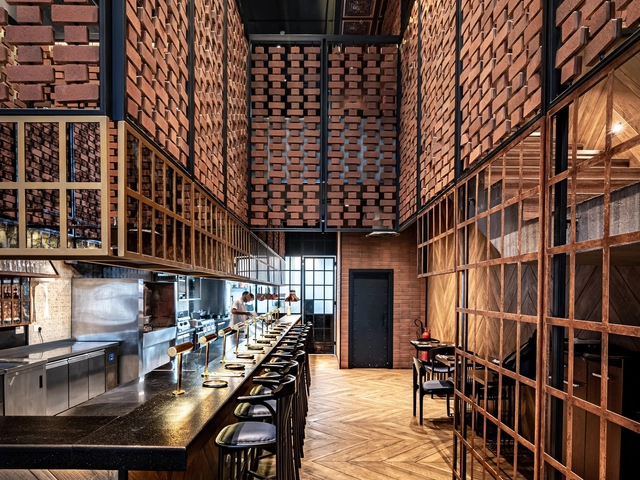
The idea of a typical traditional London tavern, pub aesthetics was the premise of our client. In order to do so, we looked for concepts of the spirit of traditional British taverns, without falling into typical resources, nor losing the focus of the idea of a classic European restaurant with a contemporary artistic touch.

Bisate Lodge / Nicholas Plewman Architects

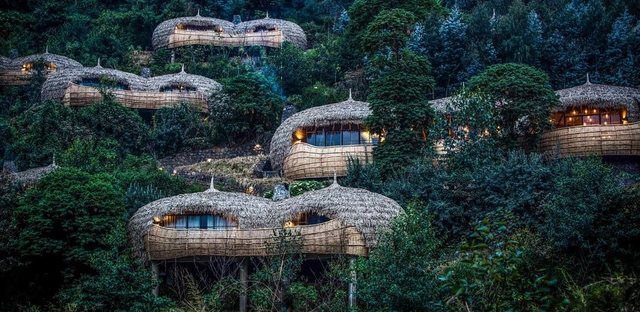
Inspired by the rolling hills of Rwanda and the thatched design of the King’s Palace at Nyanza, Bisate sits woven between the lush growths adjacent to Volcanoes National Park. Bisate reflects the innate organic culture of Rwanda and reflects sophisticated spaces around every turn. Craftily designed the spherical rooms and public areas add bespoke and sustainable solutions to the intricate and difficult surroundings. The design is a celebration of modern luxury and a unique culture which has stood the test of time, becoming a platform from which the guest experience departs.