1. ArchDaily
  2. Green Space

Green Space: The Latest Architecture and News

Snøhetta Unveils Design for New Innovation Hub and Elevated Gardens in Bangkok, Thailand

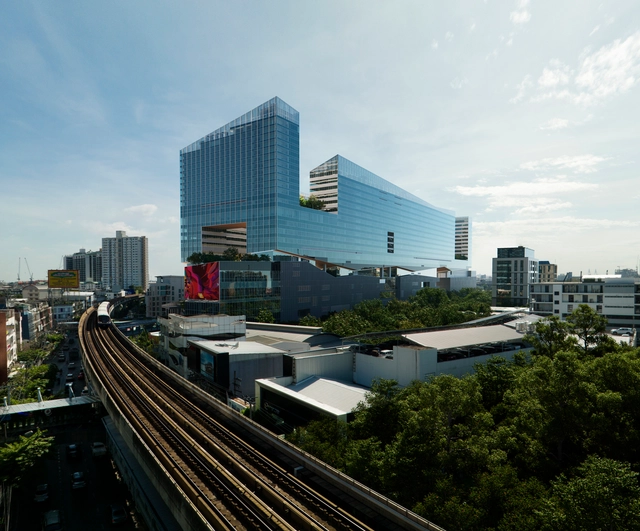
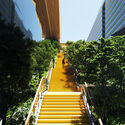
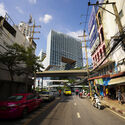
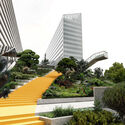
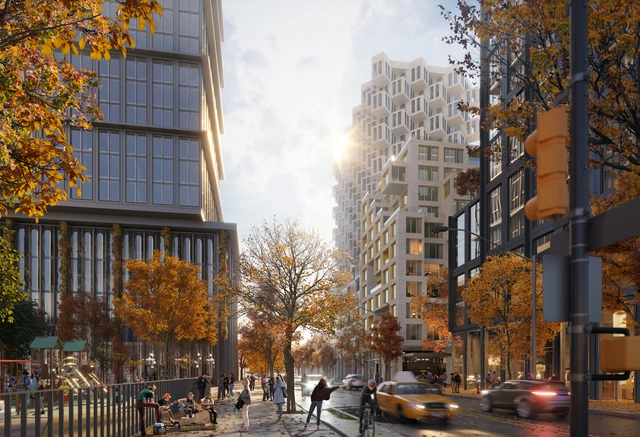
Snøhetta, in collaboration with MQDC, has released the design for Cloud 11, a large-scale mixed-use complex in the South Sukhumvit district in Bangkok, Thailand. The new development addresses the pressing need for urban green spaces in the densely built neighborhood. The project, measuring a total of 250.000 square meters, also aims to help transform the Sukhumvit into a hub for innovation and tech companies in the city while providing the area with a large, green public space and spaces for artists, makers, and tech entrepreneurs. Construction has already started, and the project is expected to be completed by the end of 2024.

Snøhetta Unveils Design for New Innovation Hub and Elevated Gardens in Bangkok, Thailand - Image 1 of 4Snøhetta Unveils Design for New Innovation Hub and Elevated Gardens in Bangkok, Thailand - Image 2 of 4Snøhetta Unveils Design for New Innovation Hub and Elevated Gardens in Bangkok, Thailand - Image 3 of 4Snøhetta Unveils Design for New Innovation Hub and Elevated Gardens in Bangkok, Thailand - Image 4 of 4Snøhetta Unveils Design for New Innovation Hub and Elevated Gardens in Bangkok, Thailand - More Images+ 1

KPF Reveals Design for a Mixed-Use Neighborhood in Seoul, South Korea

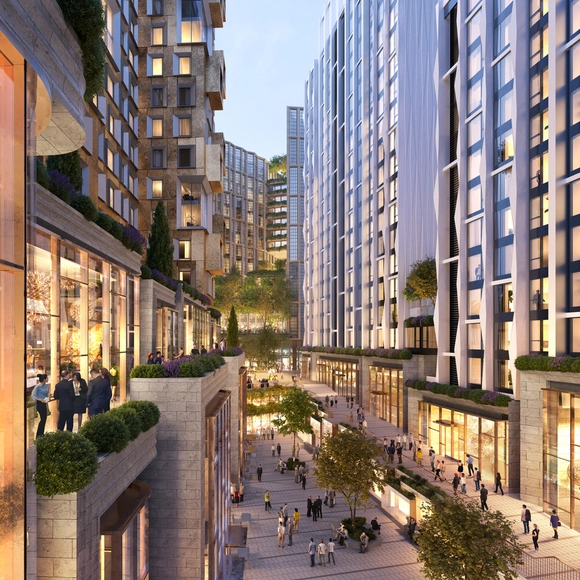
International architecture office KPF has unveiled the design for Parkside Seoul, a new mixed-use neighborhood planned for the South Korean capital designed to complement the surrounding natural elements and pay homage to Yongsan Park. The 482,600 square meter development is composed of a layered exterior envelope that encompasses various programs and public amenities with the purpose of enhancing the residents’ experience of space. Besides the residential units, the complex includes office and retail spaces, and hospitality facilities along with public and green spaces.

KPF Reveals Design for a Mixed-Use Neighborhood in Seoul, South Korea - Image 1 of 4KPF Reveals Design for a Mixed-Use Neighborhood in Seoul, South Korea - Image 2 of 4KPF Reveals Design for a Mixed-Use Neighborhood in Seoul, South Korea - Image 3 of 4KPF Reveals Design for a Mixed-Use Neighborhood in Seoul, South Korea - Image 4 of 4KPF Reveals Design for a Mixed-Use Neighborhood in Seoul, South Korea - More Images+ 9

Form Follows Fun: The New Paradigm

Subscriber Access | 

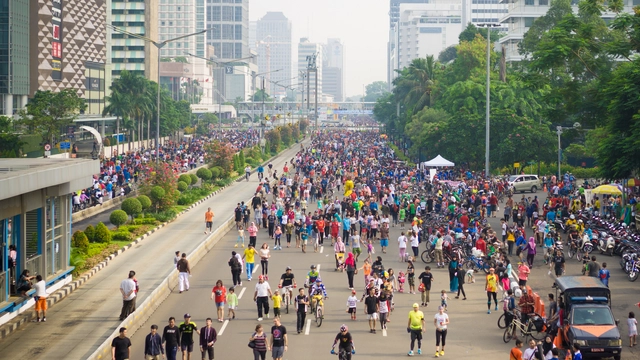
If street culture is the glue that holds together an urban environment, what happens when its denizens no longer need to go outside? This is one of the fundamental questions faced by architects today, decades after the New Urbanist movement first popularized, or rather brought back, the concept of mixed-use streetscapes—and more than sixty years since Jane Jacobs famously championed walkable streets as essential to building vibrant urban communities.

Long gone, of course, are the days when city streets were our only outlet or option for access to retail and other services. Now, the internet gives us all that and more: remote shopping, banking, education, and even healthcare. Meanwhile, social media has transformed the way we communicate with friends and neighbors. All of which is to say: we no longer need to go out for social interaction or to procure services, we choose to.

Form Follows Fun: The New Paradigm - Image 1 of 4Form Follows Fun: The New Paradigm - Image 2 of 4Form Follows Fun: The New Paradigm - Image 3 of 4Form Follows Fun: The New Paradigm - Image 4 of 4Form Follows Fun: The New Paradigm - More Images+ 4

A New Digital Tool Allows Users to Investigate Spatial Equity across New York City’s Communities

The Transportation Alternatives and the Massachusetts Institute of Technology have initiated a new digital tool, Spatial Equity NYC, to help users understand how space is distributed and restricted across the neighborhoods of New York City. The tool asses the use of streets, sidewalks, and public spaces, as they are key factors that influence data such as pollution, traffic fatalities, accessibility, or air quality. The data collected shows a direct correlation between neighborhoods with low-income communities and communities of color and the detrimental ways in which public space is used, leading to health and mobility issues in those communities.

A New Digital Tool Allows Users to Investigate Spatial Equity across New York City’s Communities - Image 1 of 4A New Digital Tool Allows Users to Investigate Spatial Equity across New York City’s Communities - Image 2 of 4A New Digital Tool Allows Users to Investigate Spatial Equity across New York City’s Communities - Image 3 of 4A New Digital Tool Allows Users to Investigate Spatial Equity across New York City’s Communities - Image 4 of 4A New Digital Tool Allows Users to Investigate Spatial Equity across New York City’s Communities - More Images+ 4

Docklands Park / BAU Brearley Architects + Urbanists

Docklands Park / BAU Brearley Architects + Urbanists - Exterior Photography, Urban & Land Use Planning, GardenDocklands Park / BAU Brearley Architects + Urbanists - Exterior Photography, Urban & Land Use Planning, CoastDocklands Park / BAU Brearley Architects + Urbanists - Exterior Photography, Urban & Land Use Planning, GardenDocklands Park / BAU Brearley Architects + Urbanists - Exterior Photography, Urban & Land Use Planning, GardenDocklands Park / BAU Brearley Architects + Urbanists - More Images+ 19

Vertical Greenery: Impacts on the Urban Landscape

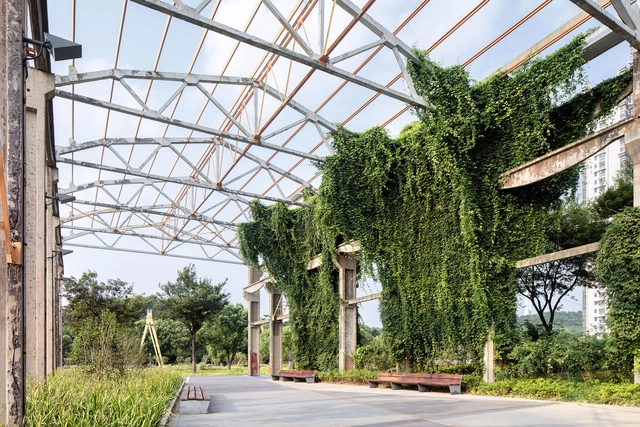
With the increase of urban density and the decrease in the availability of land, the verticalization phenomenon has intensified in cities all over the world. Similar to the vertical growth of buildings — which is often a divisive issue for architects and urban planners — many initiatives have sought in the vertical dimension a possibility to foster the use of vegetation in urban areas. Vertical gardens, farms and forests, rooftop vegetable gardens, and elevated structures for urban agriculture are some of the many possibilities of verticalization in plant cultivation, each with its unique characteristics and specific impacts on the city and its inhabitants.

But is verticalization the ideal solution to make cities greener? And what are the impacts of this action in urban areas? Furthermore, what benefits of urban plants are lost when adopting vertical solutions instead of promoting its cultivation directly on the ground?

Vertical Greenery: Impacts on the Urban Landscape - Image 2 of 4Vertical Greenery: Impacts on the Urban Landscape - Image 3 of 4Vertical Greenery: Impacts on the Urban Landscape - Image 5 of 4Vertical Greenery: Impacts on the Urban Landscape - Image 6 of 4Vertical Greenery: Impacts on the Urban Landscape - More Images+ 2

Henning Larsen Wins Competition for a Mixed-Use Development in South Korea

Henning Larsen’s proposal for Seoul Valley was selected as the winner of the Central Seoul Development Competition. Seeking to become a new home for the public in the center of the city, the mixed-use developmentmerges Seoul’s global commercial profile with an ecological return to downtown pedestrian life”. Other entries included schemes by MVRDV and SOM.

Henning Larsen Wins Competition for a Mixed-Use Development in South Korea - Image 1 of 4Henning Larsen Wins Competition for a Mixed-Use Development in South Korea - Image 2 of 4Henning Larsen Wins Competition for a Mixed-Use Development in South Korea - Image 3 of 4Henning Larsen Wins Competition for a Mixed-Use Development in South Korea - Image 4 of 4Henning Larsen Wins Competition for a Mixed-Use Development in South Korea - More Images+ 11

Schmidt Hammer Lassen's Mixed-Use K8 Tower in Norway Moves Forward

The sustainable mixed-use K8 tower, designed by Schmidt Hammer Lassen moves forward with final approval from the Stavanger City Council in Norway. The proposal aims to encourage future urban developments in the city and generates a new benchmark for sustainable and creative work environments.

Schmidt Hammer Lassen's Mixed-Use K8 Tower in Norway Moves Forward - Image 1 of 4Schmidt Hammer Lassen's Mixed-Use K8 Tower in Norway Moves Forward - Image 2 of 4Schmidt Hammer Lassen's Mixed-Use K8 Tower in Norway Moves Forward - Image 3 of 4Schmidt Hammer Lassen's Mixed-Use K8 Tower in Norway Moves Forward - Image 4 of 4Schmidt Hammer Lassen's Mixed-Use K8 Tower in Norway Moves Forward - More Images+ 4

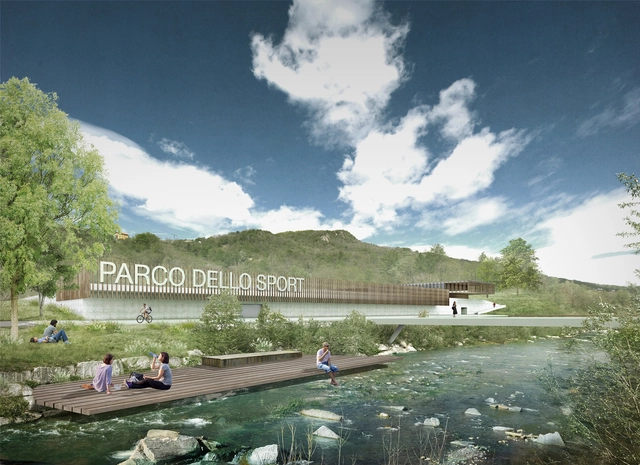
LAND Gets the Green Light for Parco dello Sport Al Maglio, a new Pole of Sports and Events in Switzerland

Focusing on the future of public space, and centering their approach on wellbeing and sport as drivers of sustainability, economic and social development, the Lugano Municipal Council in Switzerland has given the go-ahead for the planning of the new Pole of Sports and Events (PSE). Designed by LAND, the project dictates the direction for public spaces in the post-pandemic era.

Systematica Releases First Assessment on Milan Public Realm, Green Areas and Gathering Places

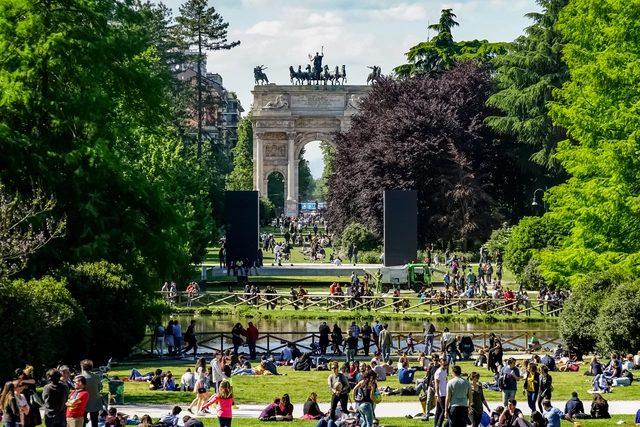
Systematica has just released a case study on access to green areas and the public realm in the city of Milan. Focusing on the availability of these gathering spaces for residents, the research, particularly relevant in this time of the pandemic, also highlights open and not crowded public spaces, convenient for a safe social life.

ODA Introduces New Approach to Tower Building in Seattle

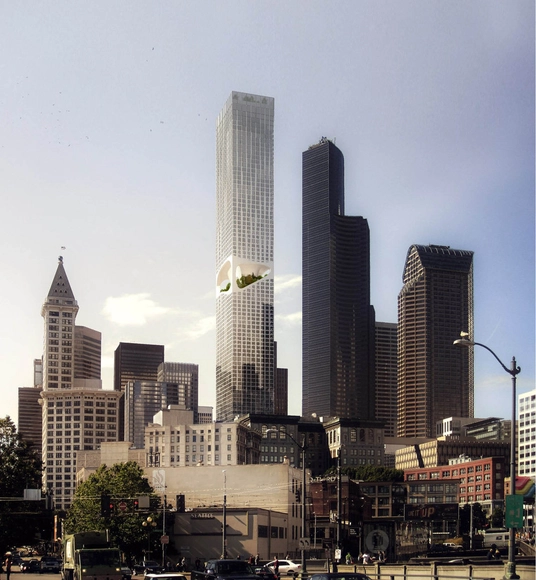
ODA released images of its 1,185’ mixed-use tower in downtown Seattle. Showcasing a novelty in high-rise design, the project underlines the value and importance of outdoor space. Carving out a void in the middle of the tower, the design creates a shared outdoor amenity space with impressive views to Mt. Rainier.

Gardens, Parks, and Boulevards: Mapping Green Spaces Via Satellite

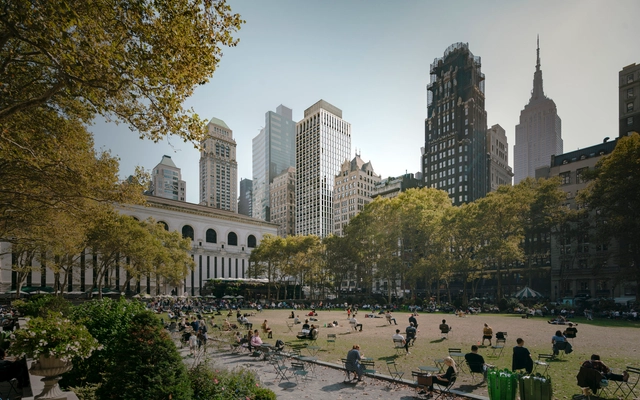
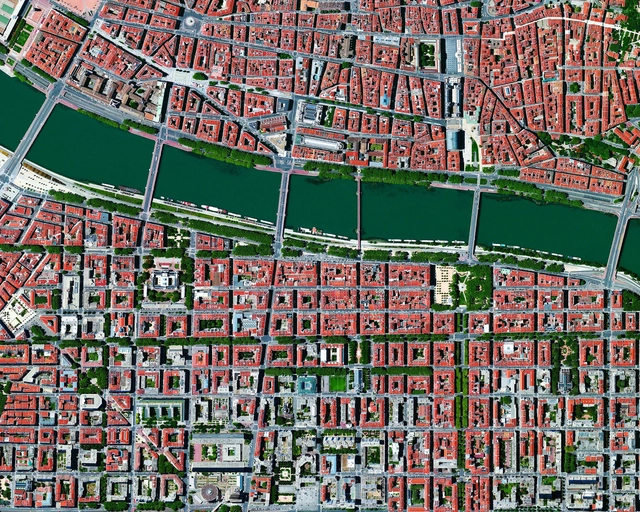
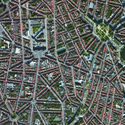
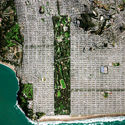
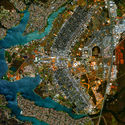
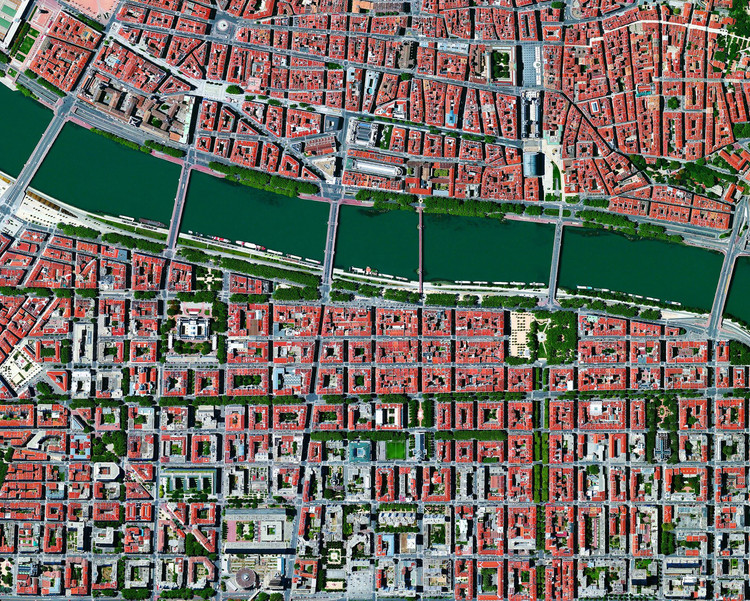
There are a plethora of benefits associated with urban green spaces, namely pollution control, temperature regulation, and biodiversity--all of which ultimately add to the quality of life of city dwellers. Like other urban common areas used for sports and recreational activities, green spaces have a direct impact on the health and well being of the residents who use them.

Gardens, Parks, and Boulevards: Mapping Green Spaces Via Satellite - Image 4 of 4Gardens, Parks, and Boulevards: Mapping Green Spaces Via Satellite - Image 8 of 4Gardens, Parks, and Boulevards: Mapping Green Spaces Via Satellite - Image 12 of 4Gardens, Parks, and Boulevards: Mapping Green Spaces Via Satellite - Image 13 of 4Gardens, Parks, and Boulevards: Mapping Green Spaces Via Satellite - More Images+ 11

LAD Reimagines a Public Square in Milan with Hanging Garden

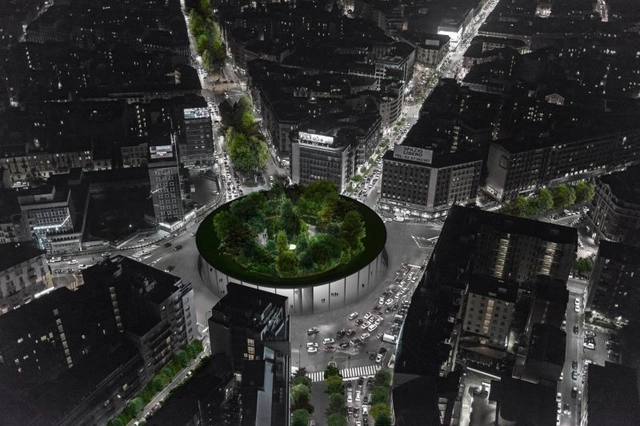
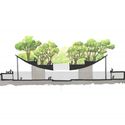
In the city of Milan, architecture firm LAD identified a busy roundabout with the potential to host a new public square typology. Sovraparco, literally “over park,” is a design by the Italian firm and Hypnos Studio to better utilize an existing area in the city, Piazzale Loreto, by infusing it with greenery and public space. The project intentionally does not impose on the surrounding buildings to revamp the area, but instead inserts itself into the central space and aims to rethink what belongs to the public sector.

LAD Reimagines a Public Square in Milan with Hanging Garden - Image 1 of 4LAD Reimagines a Public Square in Milan with Hanging Garden - Image 2 of 4LAD Reimagines a Public Square in Milan with Hanging Garden - Image 3 of 4LAD Reimagines a Public Square in Milan with Hanging Garden - Image 4 of 4LAD Reimagines a Public Square in Milan with Hanging Garden - More Images+ 7

Vanke Times Center / SHL

Vanke Times Center / SHL - Commercial Architecture, Facade, Lighting
© Yuzhu Zheng

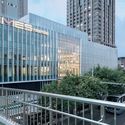
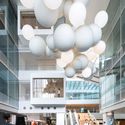
Vanke Times Center / SHL - Commercial Architecture, Fence, Facade, Handrail, CityscapeVanke Times Center / SHL - Commercial Architecture, Facade, LightingVanke Times Center / SHL - Commercial Architecture, Stairs, Facade, Beam, Handrail, LightingVanke Times Center / SHL - Commercial Architecture, Courtyard, Facade, ChairVanke Times Center / SHL - More Images+ 29

C.F. Møller's Green-Centric Proposal Wins Competition for New Train Station in Hamburg

Acting both as a “visionary landmark and an urban catalyst,” C.F. Møller Architects’ proposal for a new train station development in Altona, Hamburg, emphasizes the significance of green space within the city’s urban fabric. The project will have several uses, ranging from cafes, restaurants, and shops to offices and fitness centers. Its unique undulating roof landscape “embodies a collective and progressive vision of reinforcing Hamburg’s green credentials.”

C.F. Møller's Green-Centric Proposal Wins Competition for New Train Station in Hamburg - Image 1 of 4C.F. Møller's Green-Centric Proposal Wins Competition for New Train Station in Hamburg - Image 2 of 4C.F. Møller's Green-Centric Proposal Wins Competition for New Train Station in Hamburg - Image 3 of 4C.F. Møller's Green-Centric Proposal Wins Competition for New Train Station in Hamburg - Image 4 of 4C.F. Møller's Green-Centric Proposal Wins Competition for New Train Station in Hamburg - More Images+ 1