Located in the south of the "Land Down Under", Melbourne is a city that resists simplistic definitions. While refined Victorian façades confront graffiti-covered laneways, meticulously maintained public gardens coexist with former industrial warehouses transformed into cafés, studios, and cultural spaces. It is precisely in this contrast between deliberate planning and spontaneous appropriation that the architectural essence of the metropolis resides.
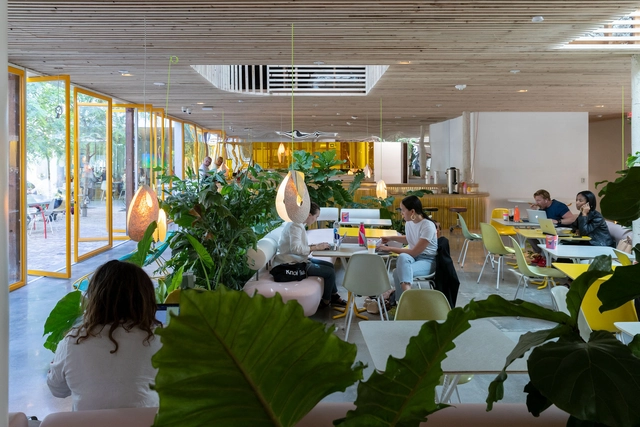
The intersection of neuroscience and architecture/design has brought innovations to the way spaces are conceived.Recently, the relevance of inclusive and regenerative design has come to the fore, addressing the need to create environments that welcome human diversity, including older adults and neurodiverse individuals. This approach not only broadens accessibility but also promotes environmental regeneration and user well-being.
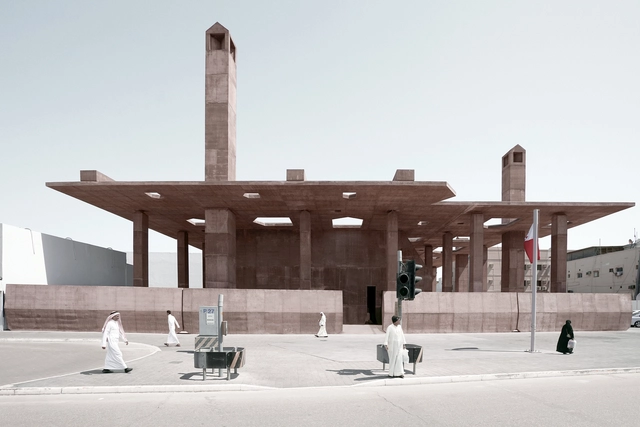
A place of rebirth, the city of Muharraq in Bahrain has undergone a visionary cultural and urban transformation, emerging as a pioneering model for culturally-led regeneration in the Arab world, particularly in the Gulf region. Once the capital of the country's pearling industry, Muharraq has preserved, reinterpreted, and reintegrated its historical legacy into its evolving urban fabric.
The intersection between architecture and neuroscience—known as neuroarchitecture—is emerging as an innovative field, highlighting the significant influence of design, whether in urban spaces or buildings, on human perception, including the sense of safety. This area of study gains relevance in a context where urban architecture is not merely a matter of aesthetics or function, but also a crucial element in creating environments that promote well-being and safety.
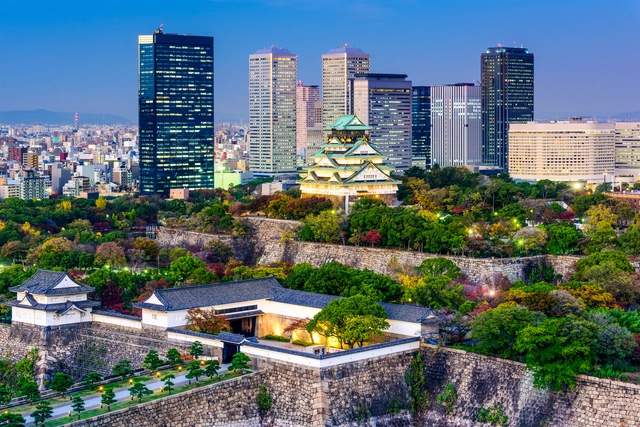
"If buildings could speak," as a filmmaker once mused, then Osaka's cityscape might sound loud, vibrant, and slightly rough around the edges—yet somehow neatly composed. Much like the city itself, the architectural landscape reflects Osaka's distinctive character: layered, dynamic, and full of messy vibrancy. With a population of 2.7 million and growing, this dense urban center continues to evolve in its idiosyncratic way.
Tokyo is never-ending. It is a city made up of many cities, where everything is superlative and encounters with overwhelming scale are constant. For those visiting for the first time, the cultural shock is striking. Everything is extremely clean despite the absence of public trash bins, there's a strong impression of zero violence, and society seems to follow strict disciplinary codes to the letter. There’s a sense that human relationships and individual feelings are set aside in favor of the collective, with all the benefits and drawbacks that this way of life may bring.
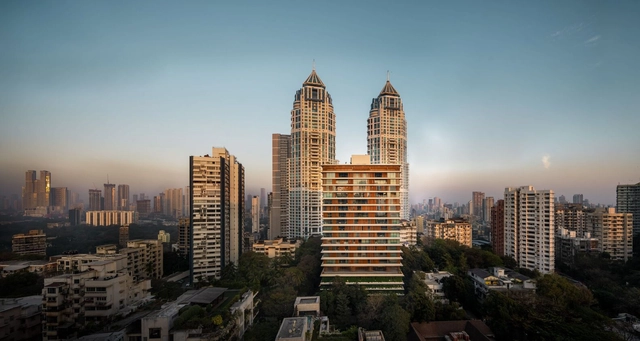
To a first-time visitor, Mumbai presents itself as a kaleidoscope of sensory overload. Architecturally, the peninsula city is host to numerous styles. Mumbai's architectural identity emerges from centuries of cultural exchange and colonial influence. What makes the experience unlike that of other historical cities is the density and the proximity in which juxtapositions occur.
Nowadays, attention to mental health and well-being—not only physical but also emotional and psychological—has become an increasing focus not just in clinical settings but also in relation to numerous everyday factors. A notable example is the White January campaign, which emphasized this urgency, inviting us to reflect on mental and emotional well-being. In this scenario, neuroaesthetics and neuroarchitecture emerge as fields that serve as allies in this pursuit. They are not merely academic disciplines; they are practical approaches that seek to understand how our physical environment affects our psychological state. Neuroaesthetics, in particular, studies the relationship between aesthetic perception and neurological processes, as highlighted by Colin Ellard, a psychologist at the University of Waterloo and author of Places of the Heart: The Psychogeography of Everyday Life (2015).
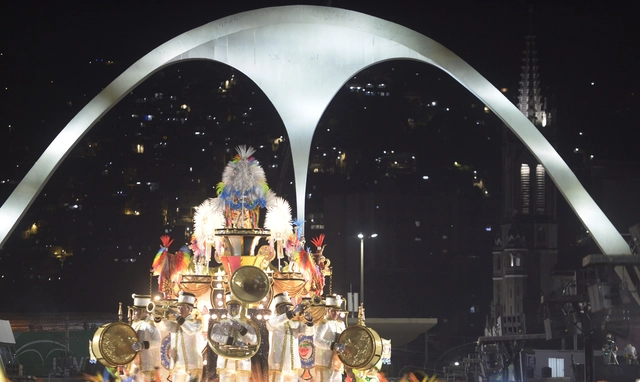
Carnival is one of the biggest cultural expressions in Brazil. Image via Shutterstock
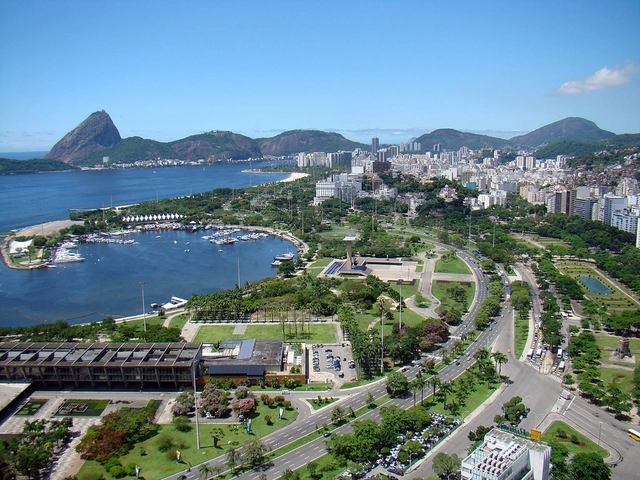
Rio de Janeiro, often called the "Marvelous City," is a vibrant tapestry woven from diverse cultural, historical, and social threads. Its story begins with the indigenous Tupi, Puri, Botocudo, and Maxakalí peoples who originally inhabited the region. The city's name, translating to "River of January," originates from Portuguese explorers who arrived at Guanabara Bay on January 1, 1502, mistakenly believing it to be the mouth of a river.
Maria Carlota de Macedo Soares was born in 1910 in Paris, where her father—who ran one of Rio de Janeiro’s most influential newspapers, Diário Carioca—was exiled. Raised among the elite, Lota arrived in Brazil in 1928 at the age of 18. She was often described as a controversial figure, known for her love of race cars, wearing jeans and men’s shirts, and for her discreet yet enduring relationship with the acclaimed American poet Elizabeth Bishop.
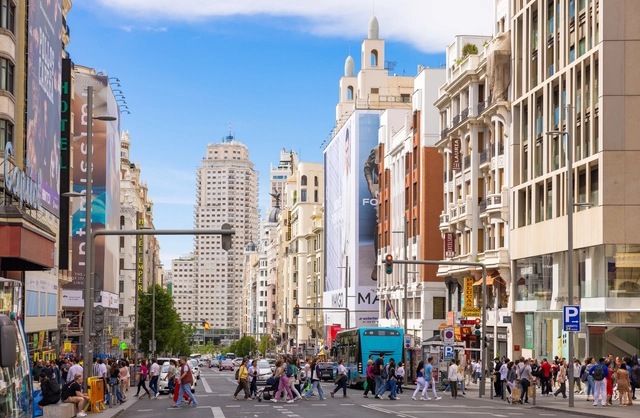
It is almost impossible to talk about Madrid, the Spanish capital, which, in addition to its obvious tourist appeal and its leadership as the most visited city in the country—followed by Barcelona—is inseparable from its long history and evolution up to the present day. In 2024, Madrid welcomed over 11.2 million visitors, accounting for approximately 11.9% of the total tourists who came to Spain that year. Much of the city's identity, the uniqueness of each of its neighborhoods, and the new areas developed over the years are deeply linked to growth that, although planned and modernized in many aspects, has managed to preserve the diverse character that defines its urban essence.
Architecture has long been framed as the work of singular visionaries, yet Beatriz Colomina, a leading theorist, historian, and curator, challenges this notion, arguing that architecture is inherently a collaborative endeavor. She critically examines how the myth of the lone genius—almost always depicted as male—has erased the contributions of countless women and entire teams involved in the design process. For Colomina, rethinking architecture means recognizing the complexities of collective work and dismantling the historical biases that have shaped the discipline's narratives.
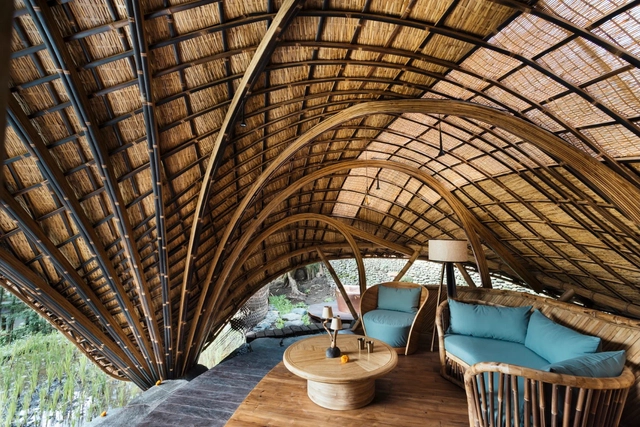
Over the years, through projects such as the Green School and homes at the Green Village, bamboo has become an increasingly popular material in Bali, Indonesia. While design firms in Bali such as IBUKU have most often worked with bamboo in its round-pole form, advancements and testing in recent years are looking to increase the use of bamboo split beams in the realm of construction.
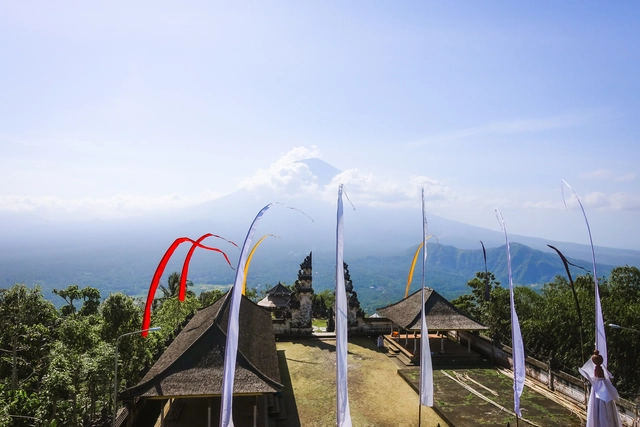
Bali, often called the "Island of the Gods," is known for its unique harmony between the microcosm of human life and the macrocosm of the natural environment. This delicate balance is deeply embedded in its traditional architecture, which reflects a synergy between cultural, religious, and environmental elements. Home to approximately four million people, Bali is Indonesia's only Hindu-majority province. While 1.7% of Indonesia's total population practices Hinduism, 87% of Bali's residents follow the faith. Over centuries, Balinese architecture has evolved through influences from the ancient Bali Aga culture, the Majapahit Kingdom, Dutch colonization, migration, and the rise of global tourism. Visitors are captivated not only by its temples and natural beauty but also by its evolving architectural styles, which strive to preserve the island's cultural essence.
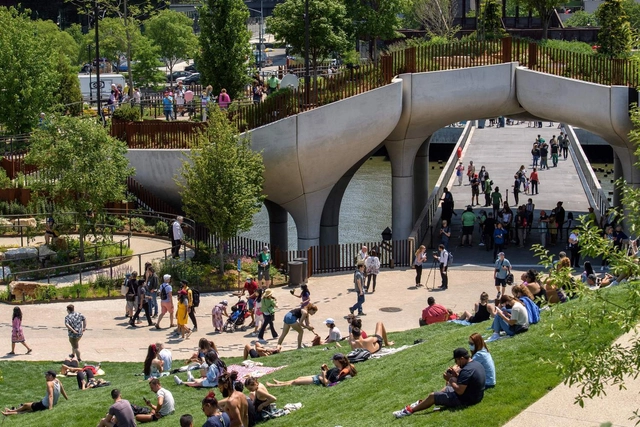
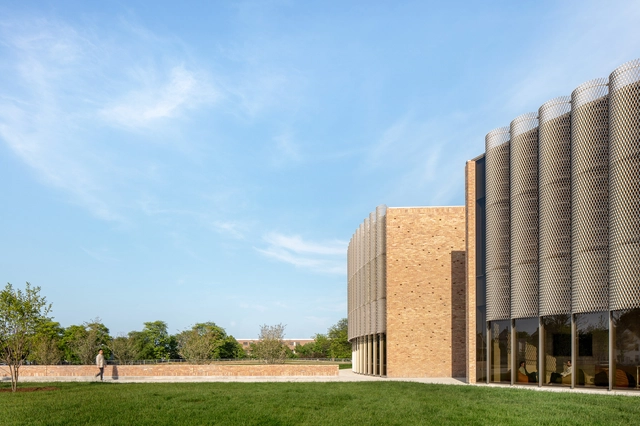
The new headquarters of the Chicago Park District showcases how thoughtful architecture can bring communities together while prioritizing sustainability. Featured in the latest episode of the Design Matters series by the Chicago Architecture Center, this project exemplifies how innovative design can positively shape daily life.
https://www.archdaily.com/1024097/inside-the-new-chicago-park-district-headquartersArchDaily Team
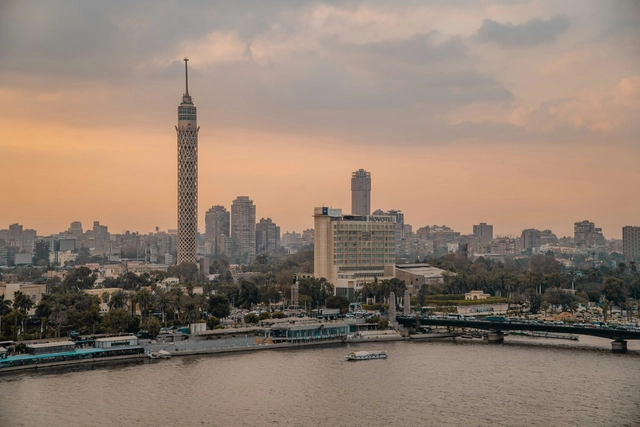
To this day, Cairo has a vibrant history, rich architectural culture, and heritage, which, from an outside perspective, is still the vivid and leading representation of the city. But what is today's Cairo beyond the capital of Egypt, the Nile, the deserts, the bustling streets, the museums, and the archaeological sites and historic buildings? The city has experienced a rapid urban transformation over the past few decades, acquiring a remarkably different character from the one recent and older generations remember from their youth in the streets, neighborhoods, and buildings of the city.
https://www.archdaily.com/1022982/cairo-a-mosaic-of-contrasting-urban-narrativesHadir Al Koshta
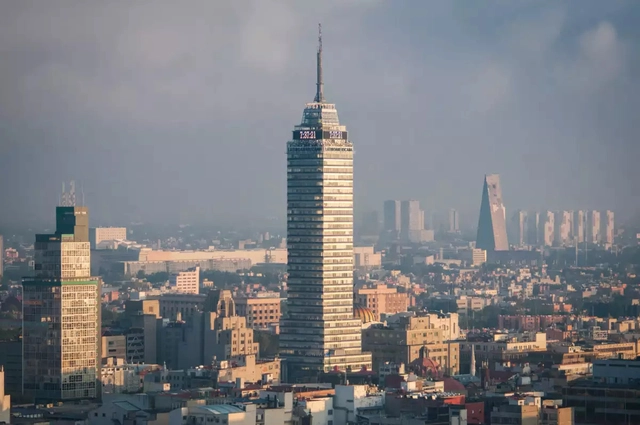
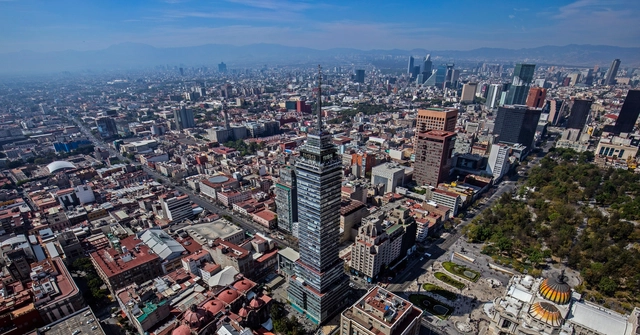
Mexico City's skyline is not just a testament to its rich architectural heritage but also a reflection of the stories, myths, and quirks embedded within its structures. From monumental landmarks to lesser-known buildings, each corner of the city holds a fascinating history that goes beyond its facade. In this article, we dive into some of the most intriguing tales that surround CDMX's most iconic buildings, offering a glimpse into the mysteries and cultural significance hidden within their walls.
Thousands of years ago, a chain of volcanoes and hills formed a valley that became home to five lakes. According to indigenous mythology, this area served as a key reference point for the founding of the ancient Tenochtitlan, marked by the signal of an eagle perched on a cactus, devouring a snake. At the height of its splendor, the city was organized within an intricate system of causeways, many of which still serve as main thoroughfares, along with canals connecting the five water bodies. Over time, events such as colonization, independence, revolution, and modernization transformed its structure and name, leading to what is known today as Mexico City.
https://www.archdaily.com/1022469/mexico-city-a-bustling-evolving-metropolis-built-above-five-lakesEnrique Tovar