In Beirut, the Interdesign Building stands as a striking yet enigmatic structure. Never used since its conception in 1973, the building was designed by Lebanese architect Khalil Khouri and, in some ways, it represents a physical testament to the region’s hopes and struggles. During the inaugural edition of We Design Beirut, the exhibition “All Things Must(n't) Pass: A Subjective Recount Of Khalil Khouri’s Life And Career As A Designer” opened the building to the public, aiming to tell the story of its architect, Khalil Khouri, through the lens of his son and grandson, Bernard and Teymour Khoury. On this occasion, ArchDaily’s Editor in Chief, Christele Harrouk sat down with Bernard Khoury at his DW5 office to discuss the life of his father and a little-known chapter of Lebanese architectural history.
Khalil Khouri, Modernism, and the Arab World: In Conversation with Bernard Khoury


https://www.archdaily.com/1020386/khalil-khouri-modernism-and-the-arab-world-in-conversation-with-bernard-khouryMaria-Cristina Florian
Vanity Height: How Much of a Skyscraper is Usable Space?
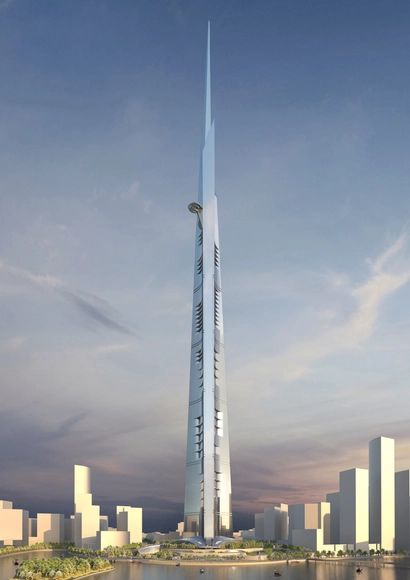
Ever expanding population growth coupled with the continuous development of urban centres mean that buildings, in general, will continue to get taller. With the topping out of One World Trade Centre in May this year the worldwide competition to construct towers with soaring altitudes doesn’t seem to be slowing, especially in China and the UAE. The question on many people’s lips, however, is how much of these colossal buildings is actual usable space?
https://www.archdaily.com/425730/vanity-height-how-much-of-a-skyscraper-is-usable-spaceJames Taylor-Foster
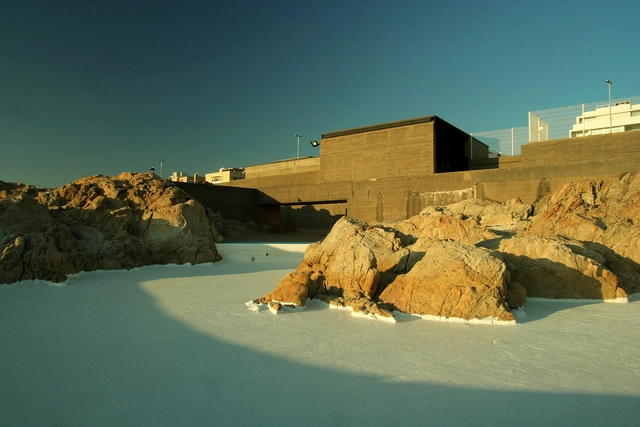
AD Classics: AD Classics: Leça Swimming Pools / Álvaro Siza Vieira


-
Architects: Álvaro Siza Vieira
- Year: 1966
https://www.archdaily.com/150272/ad-classics-leca-swimming-pools-alvaro-sizaSofia Balters