Stefano Pedretti

BROWSE ALL FROM THIS PHOTOGRAPHER HERE

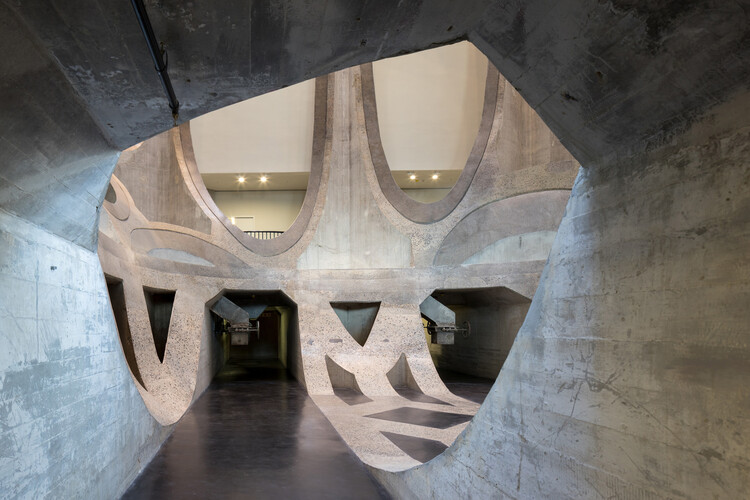
Laying the Groundwork: Six Creative Strategies for Reusing Architectural Foundations

Adaptive reuse allows architects to conserve resources, reduce waste, and extend the life of existing structures. By working with what already exists, architects lessen the need for new materials, lower energy consumption, and limit demolition debris. This approach protects natural habitats and green spaces by reducing the demand for new land development. Through reuse, cities become more sustainable and less carbon-intensive while preserving the material and cultural value of the built environment.

Laying the Groundwork: Six Creative Strategies for Reusing Architectural Foundations - Imagem 1 de 4Laying the Groundwork: Six Creative Strategies for Reusing Architectural Foundations - Imagem 2 de 4Laying the Groundwork: Six Creative Strategies for Reusing Architectural Foundations - Imagem 3 de 4Laying the Groundwork: Six Creative Strategies for Reusing Architectural Foundations - Imagem 4 de 4Laying the Groundwork: Six Creative Strategies for Reusing Architectural Foundations - More Images+ 11

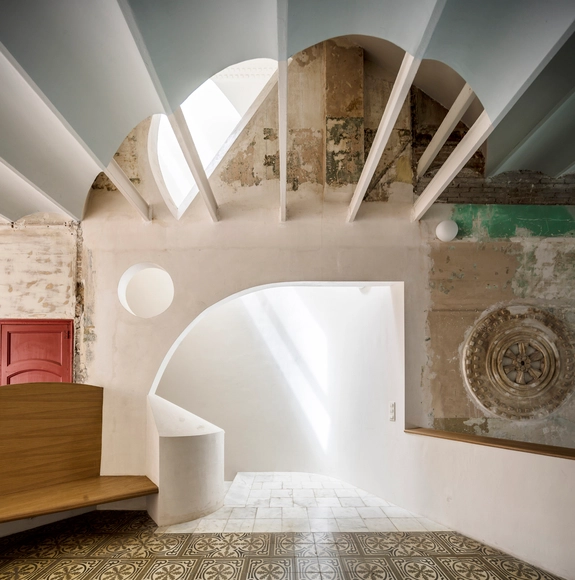
12 Cultural Spaces That Owe Their Power to Adaptive Reuse

Subscriber Access | 

When approaching the design of cultural spaces such as museums, performance venues, or places of research and study, architecture and design professionals often have to assemble pieces of a uniquely challenging puzzle in order to make the structure resonate with a variety of visitors and occupants. Hitting the right chord can be difficult, especially when trying to combine forms into a whole that pays respect to a building's intended use while being timeless in its universality.

One way of making sure a sense of culture is omnipresent: adaptive reuse. The practice of breathing life into historic structures has been on the rise in recent years and is particularly well-suited to creating spaces that address and embody contemporary issues while connecting their inhabitants to the past. But it's not just a sense of updated heritage that makes them stand out; adaptive reuse buildings can fight urban sprawl and unsustainable building practices simply by way of existing.

12 Cultural Spaces That Owe Their Power to Adaptive Reuse - More Images+ 10

AR Penthouse / Carola Vannini Architecture

AR Penthouse / Carola Vannini Architecture - More Images+ 17

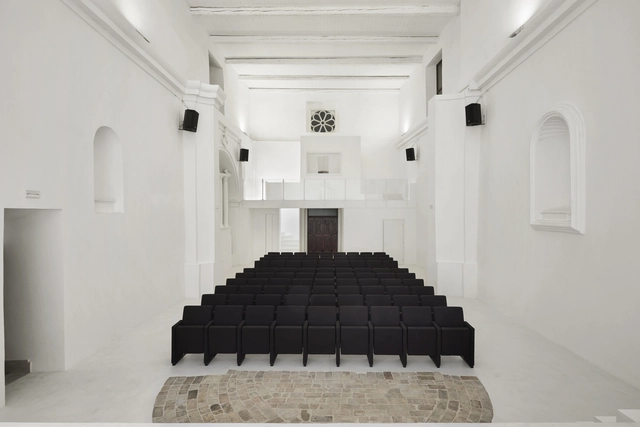
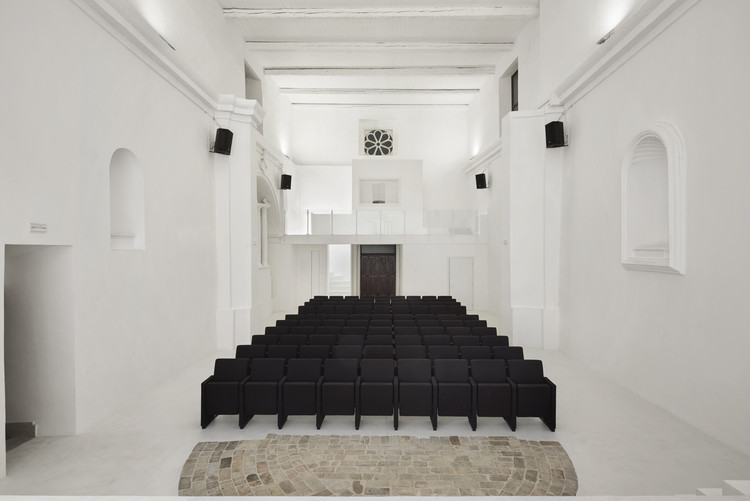
Transformation of Saint Rocco’s Church into a Theater / Luigi Valente + Mauro Di Bona

Transformation of Saint Rocco’s Church into a Theater / Luigi Valente + Mauro Di Bona - More Images+ 9

  • Area Area of this architecture project Area:  240
  • Year Completion year of this architecture project Year:  2019
  • Manufacturers Brands with products used in this architecture project
    Manufacturers:  AutoDesk, Caloi, Ideal Work

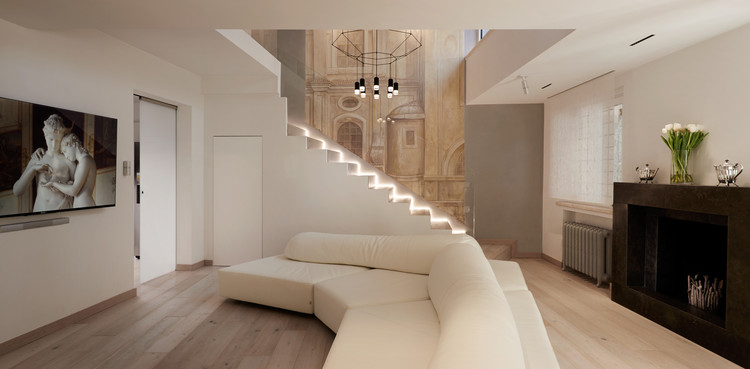
Navona Penthouse / Carola Vannini Architecture

Navona Penthouse / Carola Vannini Architecture - Renovation, Bedroom, Beam, Bed
© Stefano Pedretti

Navona Penthouse / Carola Vannini Architecture - More Images+ 19

  • Area Area of this architecture project Area:  200
  • Year Completion year of this architecture project Year:  2017
  • Manufacturers Brands with products used in this architecture project
    Manufacturers:  Vibia, EDRA, Porcelanosa Grupo, Sciroccoh, Viabizzuno

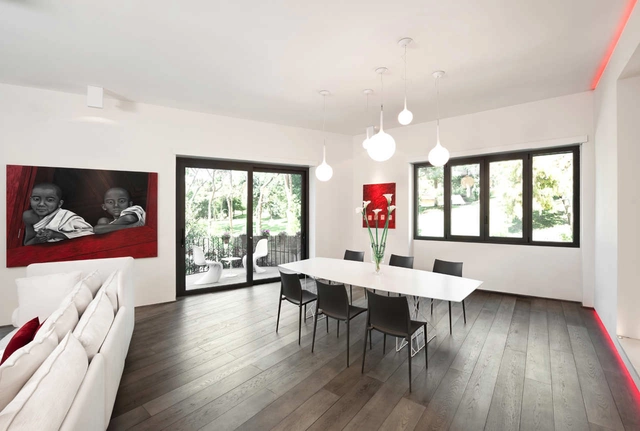
Celio Apartment / Carola Vannini Architecture

Celio Apartment / Carola Vannini Architecture - More Images+ 21

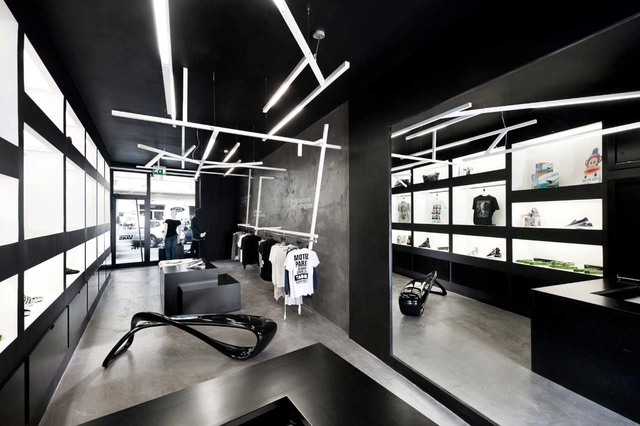
HOME:Unusual Store / Luigi Valente

HOME:Unusual Store / Luigi Valente - More Images+ 8

Venafro, Italy