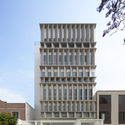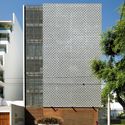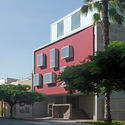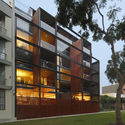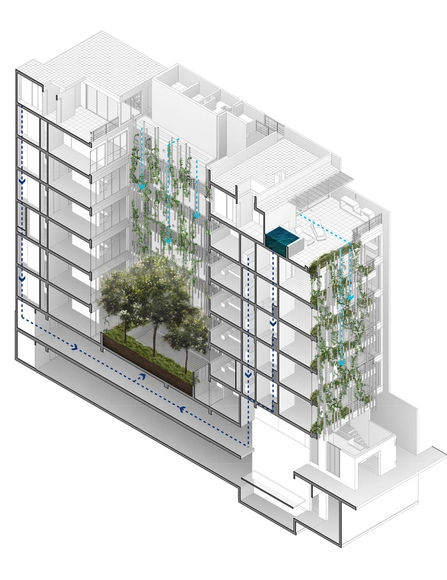
Over the last decade, prominent and widely recognized architecture in Peru has slowly moved away from single-family housing, showcasing a promising output of educational buildings, restaurants, offices, and collective housing.
This latter category encompasses a series of private buildings characterized by maintaining a scale appropriate to their urban contexts. They serve as prime examples of architecture that allows for multiple families to live together on the same plot while maintaining a low overall density. Furthermore, their low height is complemented by evocative treatments of their facades and interior spaces, suggesting a conscious effort to create high-quality living environments for their inhabitants.