BROWSE ALL FROM THIS PHOTOGRAPHER HERE
↓

Designing for Plants: The Architecture of Greenhouses and Their Relationship with the Environment

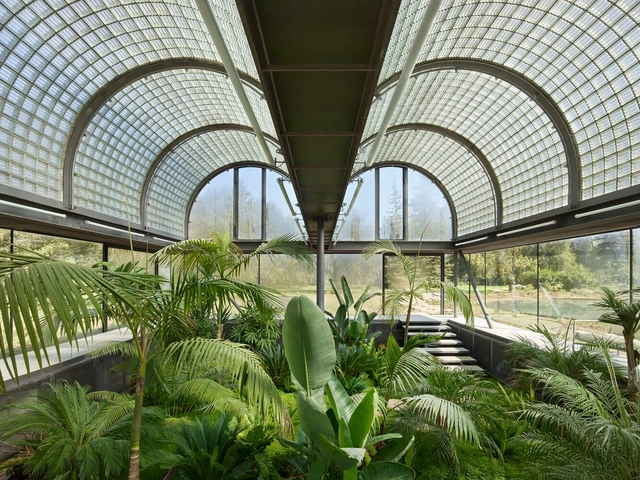
When delving into the envelope of construction and examining how the interior relates to the exterior, the concept of greenhouses emerges as an opportunity to cultivate life indoors, whether dependent on external factors or not. Defined as spaces enclosed by glass or other transparent plastic materials, greenhouses facilitate the growth of vegetables and ornamental plants even during periods of adverse external weather conditions. However, what does designing for plants involve? Climate, species, structural design, and the type of covering are just a few of the considerations to take into account.
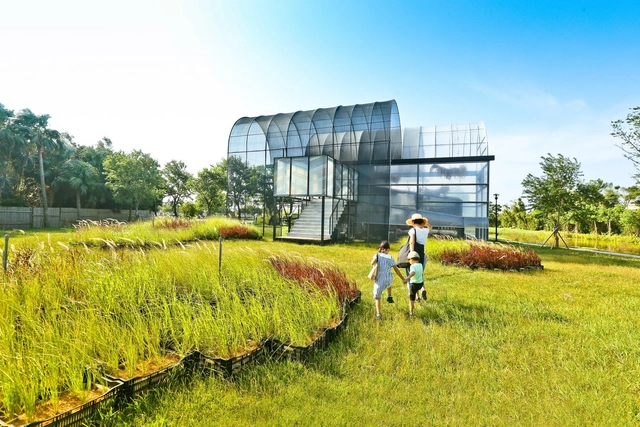
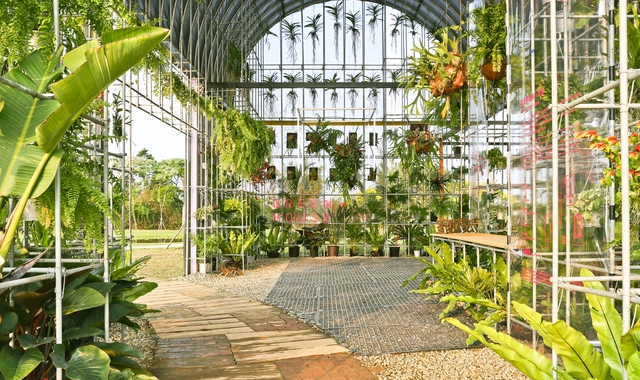
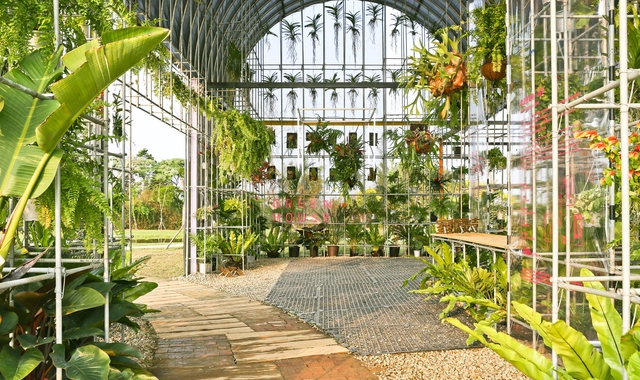
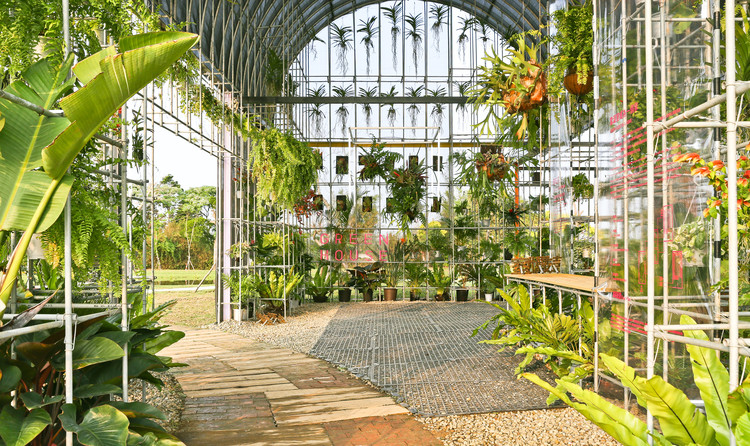
Greenhouse2 Grass Field / BIAS Architects

Greenhouse2 Grass Field / BIAS Architects - More Images+ 22

•
Xinwu District, Taiwan

Structure and Translucent Cladding: How to Design a Greenhouse

Subscriber Access | 

Structure and Translucent Cladding: How to Design a Greenhouse - More Images+ 17

Since at least as early as ancient Roman times, humans have recognized the value of what is now known as controlled environment agriculture, allowing farmers to cultivate plants year-round rather than seasonally. Though they were invented hundreds of years ago, greenhouses continue to be the most popular means of controlled environment agriculture today, with innovations in technology and design having improved both the beauty and efficacy of this typology. Below, we will explore in detail the history and structure of the greenhouse, as well as several examples of innovative and experimental greenhouse design.

Greenhouse as a Home / BIAS Architects

Greenhouse as a Home / BIAS Architects - More Images+ 37

•
Taoyuan City, China