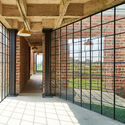
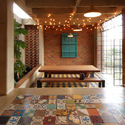
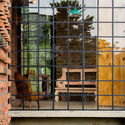
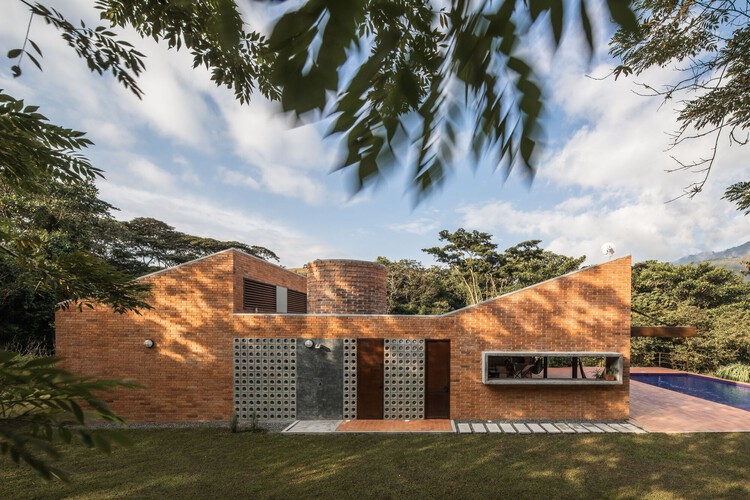
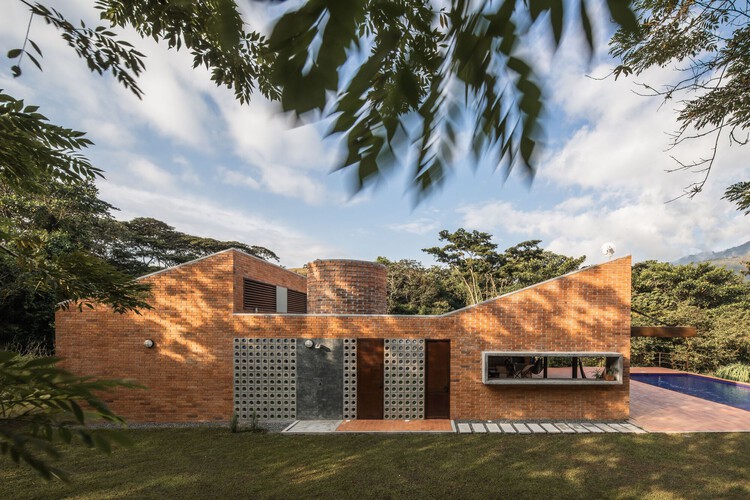
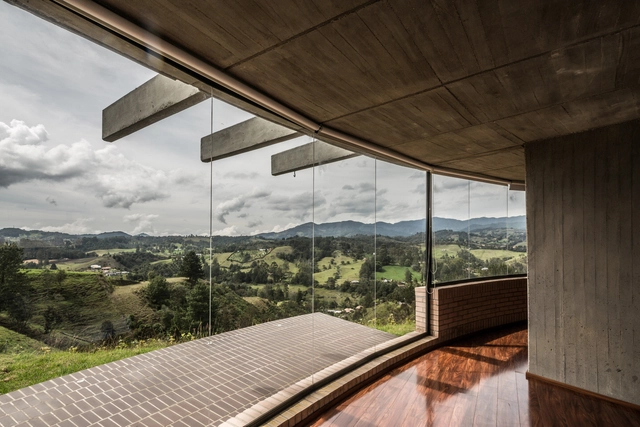
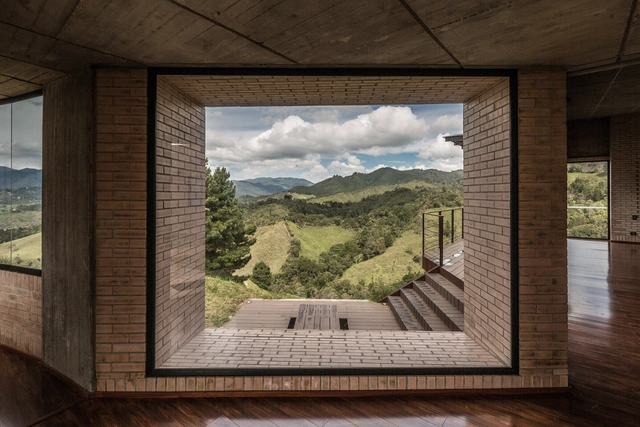
Brick is one of Colombia's most widely used materials, helping its local architecture stand out globally. This is due to the excellent quality of the clay found in several regions of the country. In addition to cladding most of the buildings that define Bogota's urban landscape, the material is used in all its forms, from adobe to floor tiles in rural homes.
Relatively close to the capital are the iconic artisanal brickworks that have supplied the materials defining Colombian architectural trends, as was the practice of architect Herbert Baresch, who even had custom brick formwork designed for his concrete columns, and whose adobe bricks were manufactured by local artisans directly on the construction sites. This material seems destined never to become obsolete; on the contrary, technological advancements continue to reveal new methods of application. Below are 12 examples of houses that employ it as an exposed surface.