Jan M. Lillebø

BROWSE ALL FROM THIS PHOTOGRAPHER HERE

Extreme Architecture: Challenges and Solutions in Inhospitable Environments

Subscriber Access | 

"In various regions of the planet, nature imposes adverse conditions on the human body. In these places, designing a building is almost like creating a garment: an artifact that protects and offers comfort. This challenge requires technological performance that must be combined with aesthetics. Making human beings feel good involves more than just meeting notions of comfort and safety; it's also a question of working with spaces in their symbolic and perceptual dimensions." This is the beginning of the description for the design of the Brazilian Antarctic Station in Antarctica, by Estúdio 41, located on the Keller Peninsula, where the surrounding sea freezes for around six to seven months of the year, where everything and everyone arrives by plane or ship and the nearest hardware store is days away. If designing a building in normal circumstances already presents numerous complexities, it's not hard to imagine the additional challenges when developing something in an extreme environment, such as locations with very high or low temperatures, or in places susceptible to corrosion, radiation, and more. In this article, we will explore the difficulties, the main solutions and the materials used in these contexts.
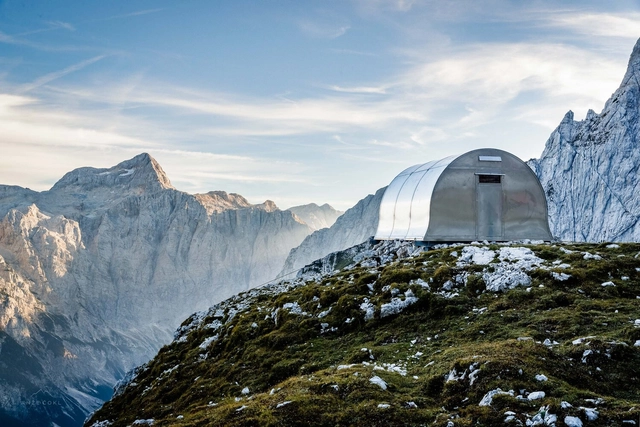
On Mountains: Architectural Designs Adjusted for High-Altitude Climates

Mountainous and high-altitude regions are considered to be among the most fragile ecosystems on Earth. From melting glaciers to land erosion, these environments face mounting threats from climate change, making it imperative to reimagine how architecture and its supporting infrastructure are designed for such places.

The communities settled in mountain ecosystems are especially vulnerable to the impacts of climate change because of their proximity to early symptoms of changing environments and lack of access to adaptive resources and materials. Beyond all poetic aspirations of building and living in mountain environments, it is an urgent challenge to design solutions that properly resist hostile climatic conditions and promote sustainable and safe human settlements in mountainous regions.

On Mountains: Architectural Designs Adjusted for High-Altitude Climates - More Images+ 15

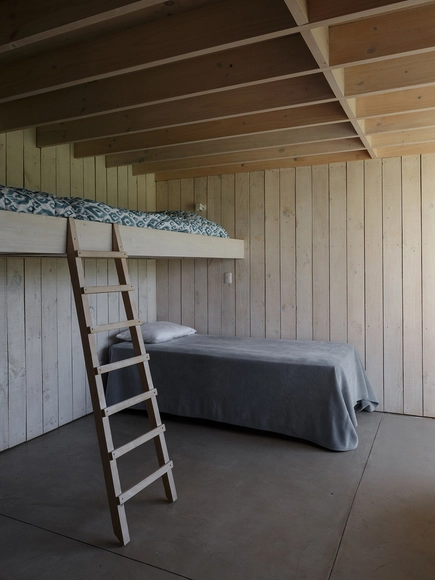
Architecturally Integrated Bunk Beds: Material and Design Tips

Subscriber Access | 

It is a common misconception that bunk beds - which are sleeping spaces elevated above floor-level - are used exclusively for the bedrooms of children and teens. While bunk beds are a great solution for younger kids and older kids alike, the practical aspect of bunk beds which gives ample sleeping space while saving on floor space, makes them great for a variety of purposes and applications. With a rise in density and the majority of people living in large urban centers making use of increasingly smaller living spaces, there has come a push towards modularity in interior architecture. For this reason, bunk beds and lofted sleeping areas have become a great solution to maximize square footage. 

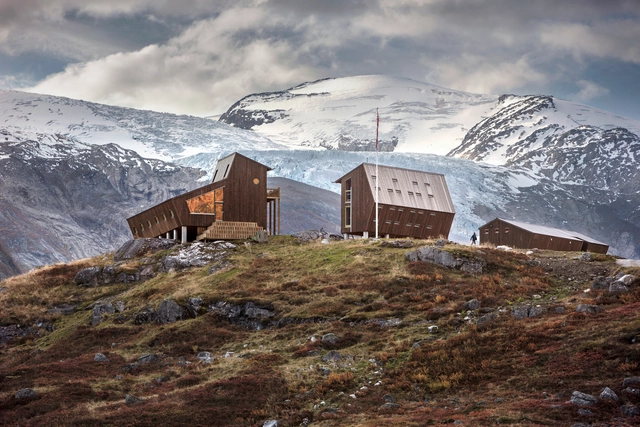
Tungestølen Hiking Cabin / Snøhetta

Tungestølen Hiking Cabin / Snøhetta - More Images+ 18

  • Architects: Snøhetta
  • Area Area of this architecture project Area:  400
  • Year Completion year of this architecture project Year:  2019

National Dental Faculty / Kristin Jarmund Architects

National Dental Faculty / Kristin Jarmund Architects - Dental Clinic, Facade, Lighting, Cityscape
© Jan M Lillebø

National Dental Faculty / Kristin Jarmund Architects - More Images+ 12