1. ArchDaily
  2. Temporary Shelters

Temporary Shelters: The Latest Architecture and News

Emergency Architecture: How Temporary Should It Be?

Floods, earthquakes, tsunamis, hurricanes, war, economic and social conflicts, pandemics. The number of refugees in the world is setting records year after year. Immediate and temporary solutions, produced in batches in response to crises, mark the difference between doing what is possible and doing what should be done, always doing a lot with what's at hand. But how temporary is emergency architecture? Is it more permanent than we think?

We want to offer our readers the possibility to openly express their opinions and experience on the matter. If we were aware of the difficulty of coping with major losses, that result in the temporary becoming "permanent", would it change the way we design emergency architecture? Would we demand a higher quality emergency architecture? Would we propose other types of solutions?

We invite our readers to fill out the following form and share their ideas on this topic -- the opinions will be collected and processed by our team to form a future article.

Building Burning Man: The Unique Architectural Challenges of Setting Up a City in the Desert

Subscriber Access | 
Building Burning Man: The Unique Architectural Challenges of Setting Up a City in the Desert - Image 1 of 4
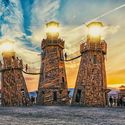
The Black Rock Lighthouse Service by Jonny & Max Poynton. Image © Dan Adams

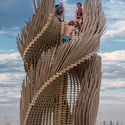
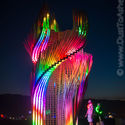
Every year in August, a temporary metropolis is erected in Black Rock City, Nevada. This is Burning Man, an annual event of art and architecture that attracts some 70,000 participants. The people who come to Burning Man come from all walks of life. What is incredible is that they come together to construct an ephemeral city that lasts for 7 days. These people assume the role of architects and construction workers and use the desert to build all sorts of shelters in a fast, sustainable way. The desert is so remote, and everything built in Black Rock City is packed and taken home at the end of the event, and some of the art is burned on site. This poses a unique architectural challenge. The people who have come to build these structures have to plan them way in advance to accommodate all the challenges of working in the desert, but the result is worth it - a striking, unique city, democratically built, set against a desert landscape, and for only one week.

We had the chance to interview Kim Cook at the World Architecture Festival in Berlin. Kim Cook is Director of Art and Civic Engagement at Burning Man. Kim Cook and her team are tasked with increasing the impact of Burning Man’s arts and civic initiatives. As part of her role, Kim engages with artists and community leaders to increase opportunities for funding, collaboration and learning.

Building Burning Man: The Unique Architectural Challenges of Setting Up a City in the Desert - Featured ImageBuilding Burning Man: The Unique Architectural Challenges of Setting Up a City in the Desert - Image 2 of 4Building Burning Man: The Unique Architectural Challenges of Setting Up a City in the Desert - Image 3 of 4Building Burning Man: The Unique Architectural Challenges of Setting Up a City in the Desert - Image 4 of 4Building Burning Man: The Unique Architectural Challenges of Setting Up a City in the Desert - More Images+ 1

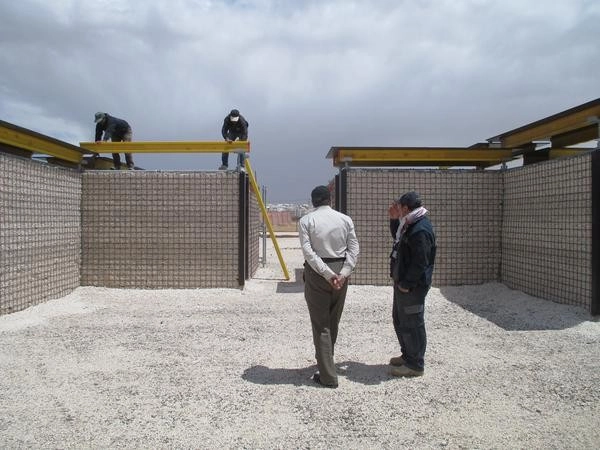
Timelapse: How to Build an Emergency Shelter with Scaffolding and Local Materials

Subscriber Access | 

Designed and developed by Pilosio Building Peace, RE:BUILD is a construction system for building refugee camps and facilities for emergency assistance. The temporary modular structures can be used as houses, schools, clinics, dining areas or any other space that is urgently needed.