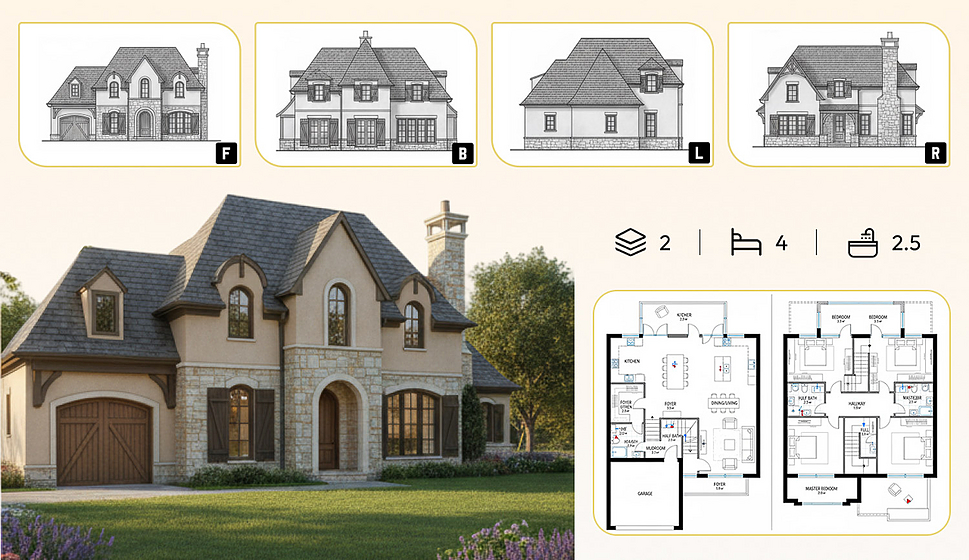
This guide covers a workflow that moves from project parameters to generated floor plans, 3D perspective views, exterior design exploration, and site context visualization, using AI tools in place of preliminary CAD and rendering work.
This guide covers a workflow that moves from project parameters to generated floor plans, 3D perspective views, exterior design exploration, and site context visualization, using AI tools in place of preliminary CAD and rendering work.
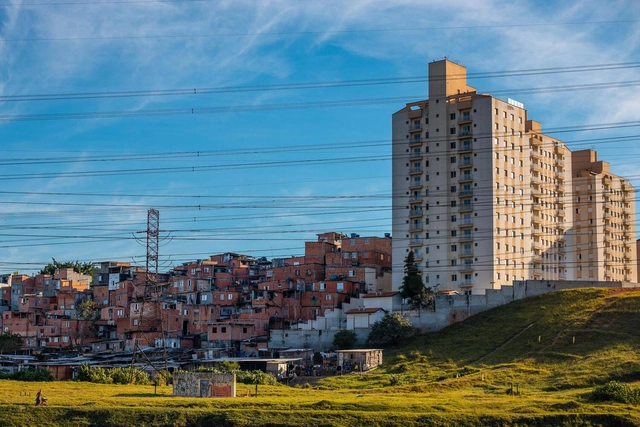
We know that Brazilian cities are exclusionary. They fail to prioritize public transit, which disproportionately harms the poorest residents. They segregate wealthier neighborhoods, driving the working class to live on the urban peripheries. And even there, a large part of the population can only afford housing in the informal market.
"Domingos Libro" is hosted by Carmelo from Enorme Studio, delving into forgotten architectural publications, books, and architecture magazines from the 1960s, 70s, and 80s that hide the most fascinating stories behind them.
After a hiatus in 2022, the series returned with episode 19, titled “Always Young,” which tells the story of Ettore Sottsass Jr. Now, it presents "No One Is a Prophet in Their Own Land," a tribute to the recently deceased master of architecture Ricardo Bofill.

A practical guide to discovering the incredible power of color and how to apply it to our daily lives. A practical guide to discovering the incredible power of color and how to apply it to our daily lives.

The dynamic Brazilian design scene has seen a prominent trend in recent years: self-production in wood, where designers develop and craft their creations by hand in their own workshops. The book Ricardo Graham Ferreira: O Ebanista offers an intimate look at the work of one of this generation's leading figures, encouraging readers to form their own formal and emotional interpretations through a collection of records and testimonials from those who are part of the designer's life. Rather than providing a chronological or technical guide, the intention is to let the gaze wander, discovering what attracts and moves the reader. For this very reason, it was essential that each piece be presented within its creative context—the workshop—so that the narrative extends between the work and its environment, between inspiration and result. It is a reflection of the symbiosis between body and raw material, the union of distinct lives and cycles in an object meant to endure.

Architectural lighting design is a broad subject, as it encompasses discussions on the physical and perceptual aspects of light, its applications in lighting projects, luminous effects, and the variables of comfort and performance. Furthermore, it is within the lighting design itself that the integration of natural and artificial lighting systems takes place. Arquicast invited two professionals from the field—one from the manufacturing industry and the other from design services—to outline the current state of this specialty in Brazil.
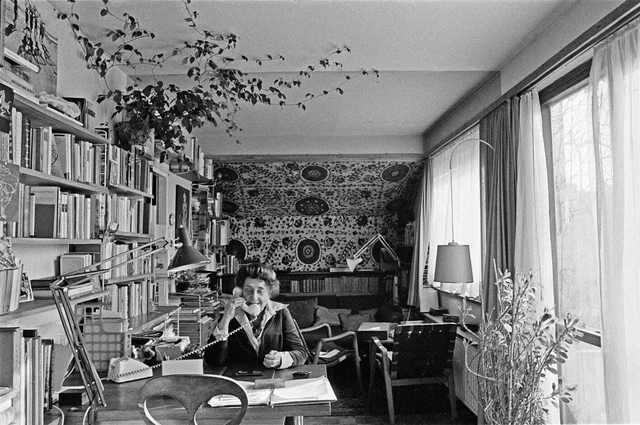
So often overshadowed by romantic and professional partnerships with men, women architects have been, and still are, constantly tested and subjected to symbolic violence, disguised as jokes or "simple" banter. The conversation in episode 51 of the Betoneira Podcast, with professor and researcher Silvana Rubino, raised an ever-urgent debate: what is the place of women in architecture?
"Architecture and urbanism have the opportunity to offer solutions that involve looking beyond the discipline itself, so that the margins and boundaries of necessity lead us to seek actions outside of standard practice. Positioning ourselves on the margins allows us to see new alternatives, expand the practice, and have a perspective that is not central, but peripheral," say Anna Vergés and Guillem Augé (UNDO), curators of the XII Ibero-American Biennial of Architecture and Urbanism, whose central theme is "Habitar al margen" (Living on the Margins).

Any Cardoso is an interior designer who, over the course of a 10-year career, has designed more than 1,500 spaces.
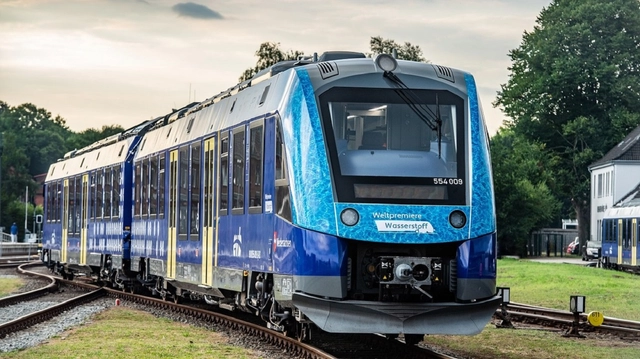
The world’s first hydrogen-powered passenger train service has begun operations in Germany. The 100% hydrogen-fueled rail line debuted in the small town of Bremervörde, near Hamburg. A total of 14 trains will replace diesel locomotives across nearly 100 kilometers of track in the northern part of the country. In addition to Bremervörde, the regional line serves the cities of Cuxhaven, Bremerhaven, and Buxtehude.
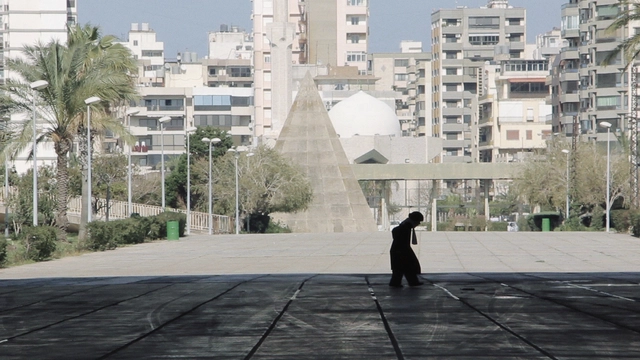
Slow Down! is the theme driving the 9th edition of the Arquiteturas Film Festival to the city of Porto, marking a change in both location and organization. Now organized by INSTITUTO under the direction of architect Paulo Moreira, the 2022 edition of the Arquiteturas Film Festival establishes itself as an international platform to discuss and disseminate architectural production through films, exhibitions, and debates.





"More than just a drawing book, you are holding a definitive practical guide featuring 25 exercises and simple tricks that will help you dive headfirst into the world of urban sketching. How do you create sketches without being intimidated by a sketchbook you have just bought? How do you produce quick drawings? How do you achieve spatial depth? What should you consider when coloring a sketch? How do you find the best spot to draw?

Nearly a decade after the first edition of Arquitetura e política and following their tenure in institutional politics, the authors revisit the key postulates of contemporary architecture—its responsibility toward society—in this second volume, adapting them to new forms of political engagement that center feminism as a primary component. To this end, they provide a historical and thematic overview of the social role of architects and urban planners, tracing its evolution into the current era of globalization. Drawing on issues such as community life, participation, gender equality, and sustainability, the book identifies and analyzes the contemporary vulnerabilities of architecture.

Focusing on the relationship between architecture and criticism, this introduction to architectural theory provides the necessary context to understand the mechanisms, limitations, and objectives of the field. It spans from the pioneers of 20th-century architectural criticism to key figures in modern historiography, such as Sigfried Giedion, and the writings of leading architects like Adolf Loos and Le Corbusier. The text explores various interpretations derived from existentialism, phenomenology, iconography, and structuralism, leading up to the current post-structuralist landscape—highlighting figures such as Peter Eisenman, Rem Koolhaas, and Kenneth Frampton. This journey through the 20th century offers a comprehensive understanding of the critical frameworks employed from the field's origins to the present day.

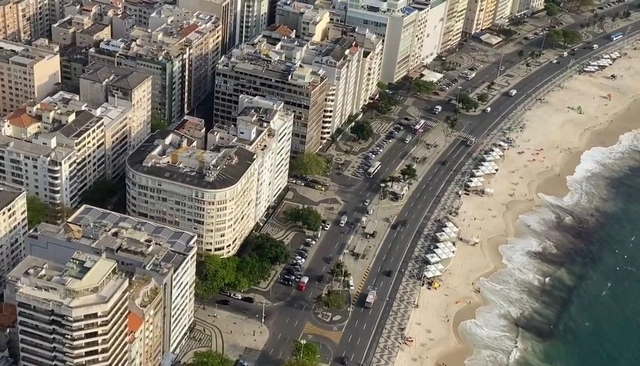
Over its 457-year history, the built landscape of Rio de Janeiro has taken shape in diverse ways. During its first few centuries, the city developed around Rua Direita (now Rua Primeiro de Março), consisting primarily of two-story row houses, typically featuring a single door and two windows on the ground floor. This layout stemmed from the measurement standard of the era, the *braça* (fathom), with plots usually measuring three *braças* wide (each *braça* equivalent to 2.2 meters). Rio's land ownership profile has always driven its urban form, and the Portuguese plot—with its narrow frontage and deep lot—defined an era and left an indelible mark on the city's development.
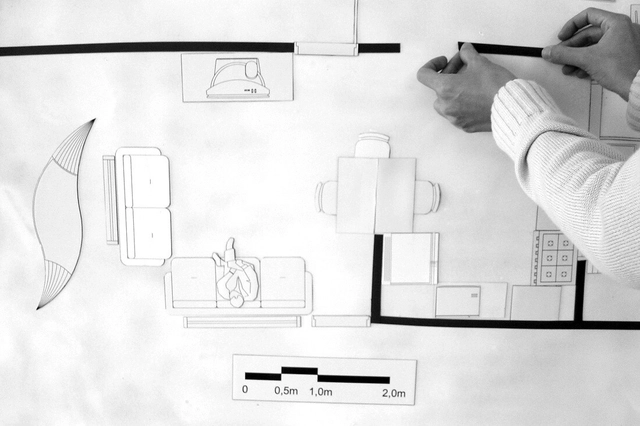
The vulnerability found in countries on the periphery of capitalism, such as Brazil, has wide-ranging consequences that are evident both in statistics and in how the occupied territory is shaped. Peripherization and the struggle to access fundamental rights—such as healthcare, education, and housing—are among these consequences. Addressing these challenges falls to organized social groups striving to build alternatives within this context, as seen in social movements and Usina CTAH, an architectural practice dedicated to providing technical assistance to organized social groups.