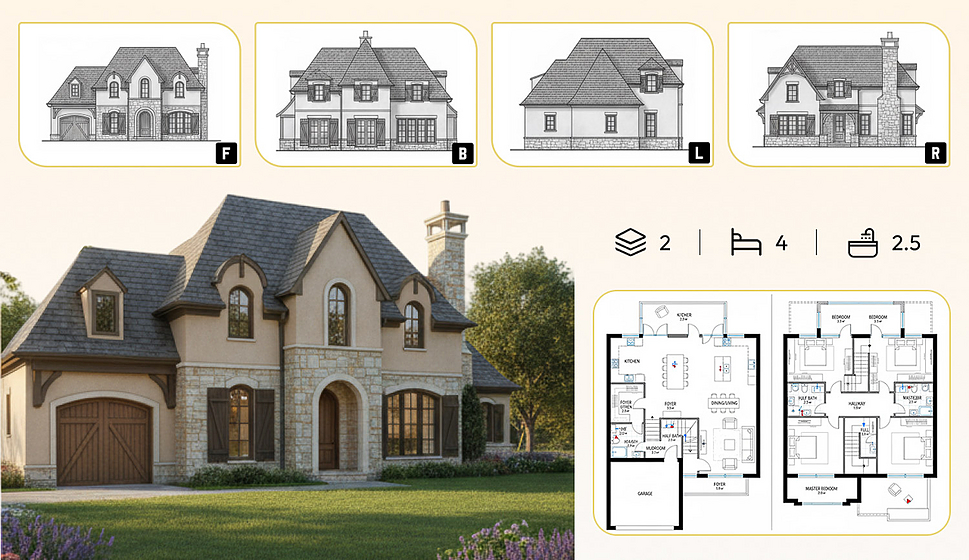
This guide covers a workflow that moves from project parameters to generated floor plans, 3D perspective views, exterior design exploration, and site context visualization, using AI tools in place of preliminary CAD and rendering work.
This guide covers a workflow that moves from project parameters to generated floor plans, 3D perspective views, exterior design exploration, and site context visualization, using AI tools in place of preliminary CAD and rendering work.
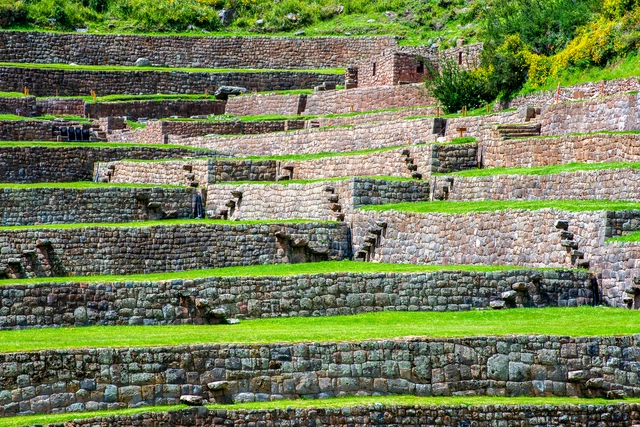
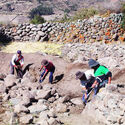
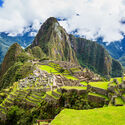
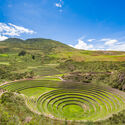
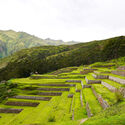
In sloped topographies, factors such as rainfall and excess water promote surface runoff, triggering a series of impacts that lead to the loss of soil, water, nutrients, and seeds, consequently reducing agricultural productivity (Posthumus, 2005). In Andean mountain environments, this is compounded by water scarcity and variability, alongside the challenges of water retention (Canziani, 2007). To address these challenges, territorial transformations and modifications known as terraces and andenes emerged, representing some of the oldest infrastructural practices for soil and hydrological conservation and management. Their physical presence, productive use, and cultural relevance remain vital in many parts of the world today.

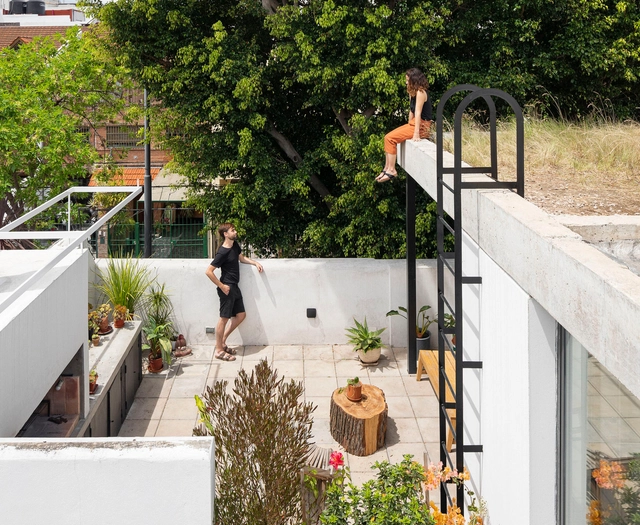
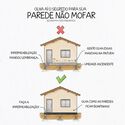
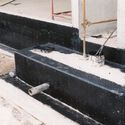
Concrete, metal, or wood—all building materials degrade over time when exposed to water and moisture. Moreover, every building element is exposed to weathering to varying degrees, from the foundation to the roof. Consequently, protective layers must be incorporated to prevent water from contacting raw materials—a process known as waterproofing—ensuring the structure's maintenance and longevity.
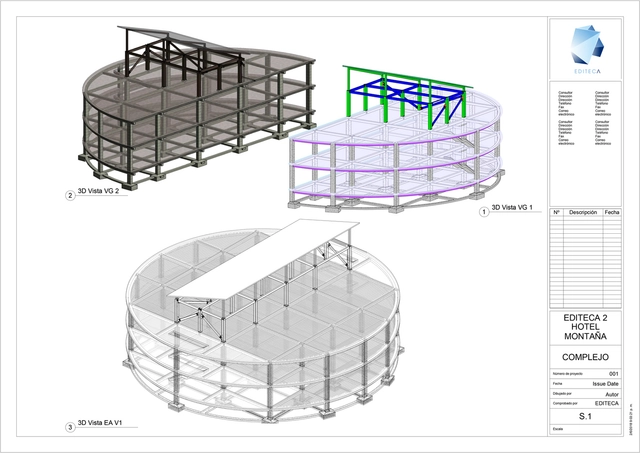
BIM methodology is currently booming and on the lips of every industry professional, making it essential for any sector expert to keep in mind. In this article, we review the five most relevant factors to help you assess your compatibility with BIM, according to Editeca.

As part of a new collaboration between the Mexico City-based firms, Esrawe Studio and Francisco Pardo present "Biodynamic Community," a new project in Los Altos de Jalisco, Mexico. The development will be built on an 820,000-square-meter site and will have a total built area of 29,700 square meters.
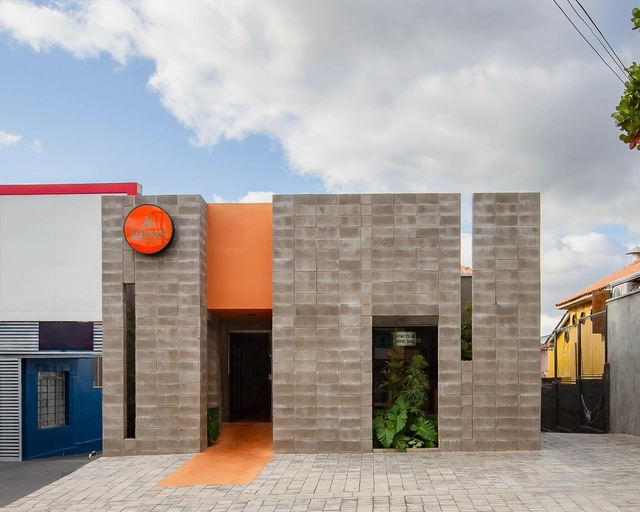
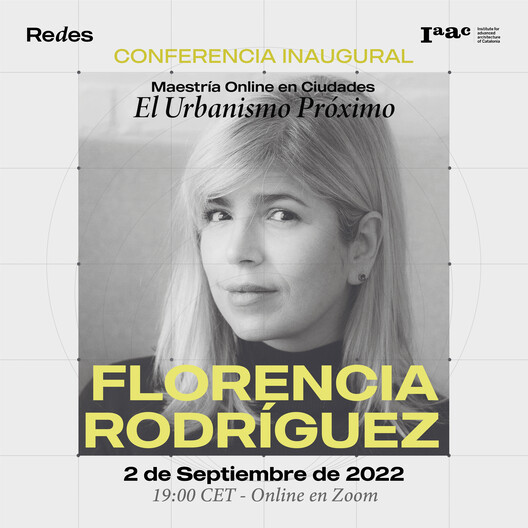
IAAC and Redes are pleased to announce the inaugural lecture for the second edition of the Online Master in Cities: The Near Urbanism (MOeC), IAAC's first master's program in Spanish, designed for Ibero-American professionals.

IAAC and Redes are pleased to announce the inaugural lecture for the second edition of the Online Master in Cities: Proximity Urbanism (MOeC). This is IAAC’s first master's program in Spanish, aimed at Ibero-American professionals.
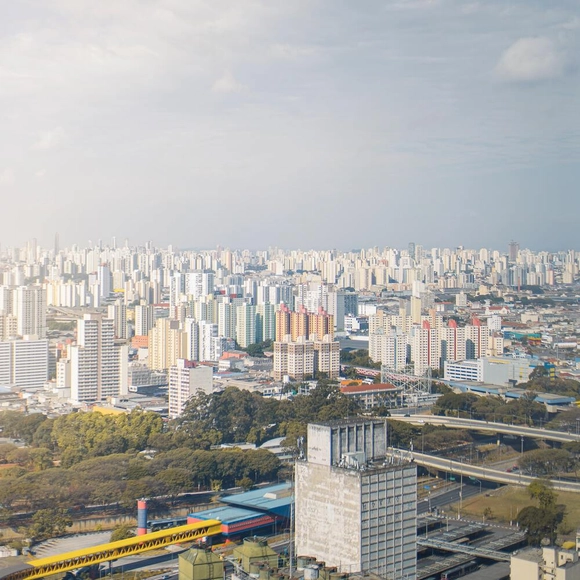
In Brazil, urban policies are commonly assumed to be the responsibility of either municipalities or the federal government. However, there is another level of government that cannot be overlooked: the states. State urban policies are just as important as municipal and federal ones.


The footprint of urban construction is expanding rapidly. Globally, building floor area could double by 2060. Constructing and maintaining urban infrastructure requires significant amounts of energy and material resources. Consequently, how cities build—and with what materials—directly impacts whether sustainability goals are achievable or even realistic. Cities must ensure they are using low-impact, renewable materials. This challenge presents a clear opportunity for wood.
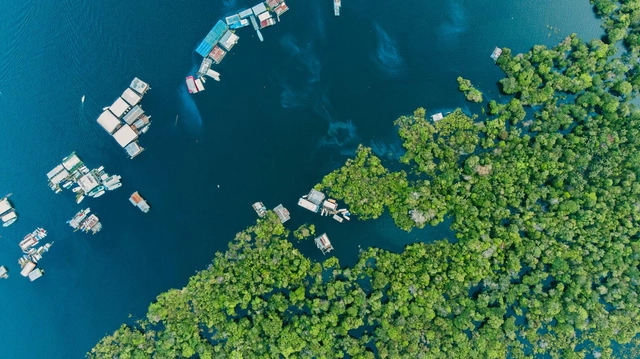
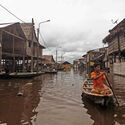
Amazon Day was celebrated on the 5th of this month. Established in 2007, the date aims to raise awareness about the importance of this biome, which is essential to the planet's environmental and climate balance. Constantly under threat and shaping a contested territory, Earth's largest natural biome is a frequent site of human intervention. How have architecture and urbanism engaged with this context?

The Faculty of Architecture and Design at Universidad Finis Terrae will launch the second issue of Revista Archipiélago, an academic publication that seeks to disseminate new knowledge related to various artistic disciplines. This issue focuses on "distance," a crucial theme for our times and for the fields of space and design, explored through three thematic axes: Design Critique, Design Processes, and Logbook.
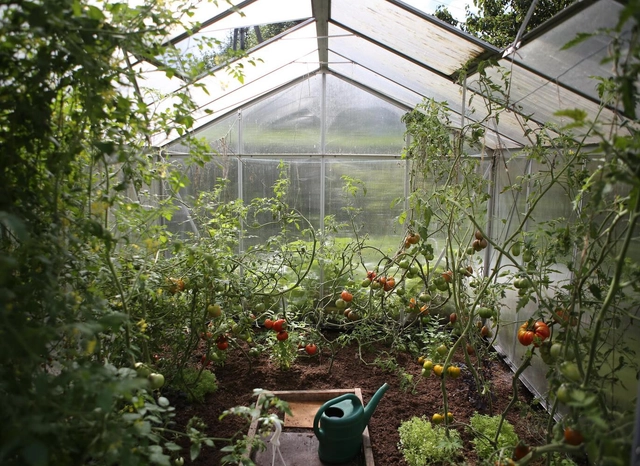
Rio de Janeiro will host the world's largest urban garden, according to the organizers of the Hortas Cariocas program. The municipal government-funded initiative aims to promote "food sovereignty, generating self-sufficiency through organic products, and creating gardens in municipal schools and communities across Rio."
Together with publisher gestalten, we recently published our first book: The ArchDaily Guide to Good Architecture. It represents a pause to reflect on the more than 40,000 projects curated over the past 15 years, drawing from their contributions to answer the ambitious question of what constitutes good architecture.
Now, it is your turn—our readers—to tackle this question.

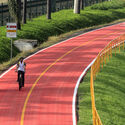
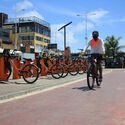
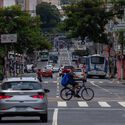
The use of bicycles has grown in recent years, altering the landscape of Brazil's major cities. Among the factors that may have contributed to this shift, one of the most prominent is investment in cycling infrastructure. Data from a Brazilian study reinforces this perspective, demonstrating that bike lanes are a determining factor for those who do not yet ride to take up cycling.

What you will learn:
- Learn how to increase the perceived value of your work to close more and better projects;
- Learn the secrets to becoming a more confident professional;
- Discover Renata Pena's tips for growing your architecture and design firm.
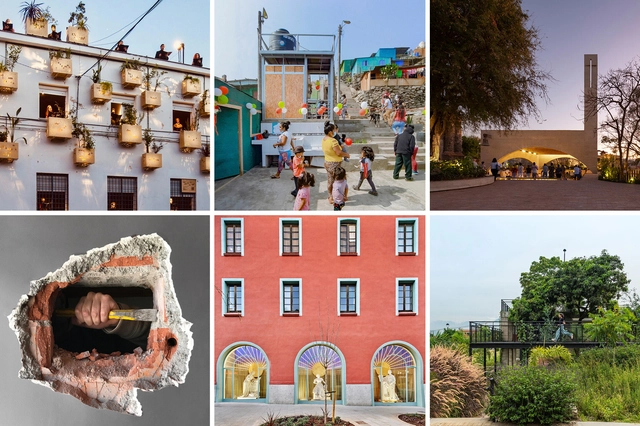
The 12th Ibero-American Biennial of Architecture and Urbanism (BIAU) announced today on its website the winners of its four categories: Works, Actions on the Margin, Publications, and Academic Programs.
A total of 9 works and 20 projects were named winners in this edition of the BIAU, an event organized by the Government of Spain through the Ministry of Transport, Mobility, and Urban Agenda (MITMA) via the General Directorate of Urban Agenda and Architecture. The biennial will take place within the framework of the MEXTRÓPOLI Architecture and City Festival in Mexico City from September 21 to 25.

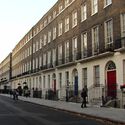
What is it like to walk past the buildings and houses on the street where you live? Or the street where you work, study, shop, or take your children to school? What relationship do these buildings and houses have with the sidewalk? How do they treat pedestrians? Do they make you want to walk past them? Do they welcome or repel?