

-
Architects: MedinaMas/Arq
- Area: 430 m²
- Year: 2022
-
Manufacturers: Muchtek, Reno Amoblamientos, Vexar, supermat

Architecture is a discipline that connects diverse fields and practices, manifesting in the physical and theoretical conceptualization of strategies for intervening in the human environment. This spatial intervention involves applying artistic, social, and technological knowledge which, when combined, inevitably reflect a given culture or dominant ideology. In this sense, architecture is also an image that conveys meaning.


In many ways, observing rural areas and their communities can offer valuable lessons for implementing sustainable dynamics in cities. By studying ecovillages specifically, key aspects of the relationship between humans and the biosphere become clear—particularly in a space of central importance to all of them: the kitchen.
In Western capitalist culture, the dichotomy between nature and humanity is stark. Humans shape their identity as something external to nature, and more often than not, superior to it. As a result of this conceptual rupture, spatial divides also emerge. The city is seen as a human product, where residents must seek out remnants of nature in parks or plazas to connect with it. "Voids" of human occupation, such as forests, are viewed as gaps—spaces that humanity has yet to transform.


Years ago, the construction industry was among the most technologically lagging; today, however, we can confidently say that automation is here to stay.

The Training for Technical Assistance in Social Interest Land Regularization course, supported by the Council of Architecture and Urbanism of São Paulo (CAU/SP), is a free program that fulfills the requirements of Public Call 006/2020, including providing training for 300 professionals with active CAU registration.
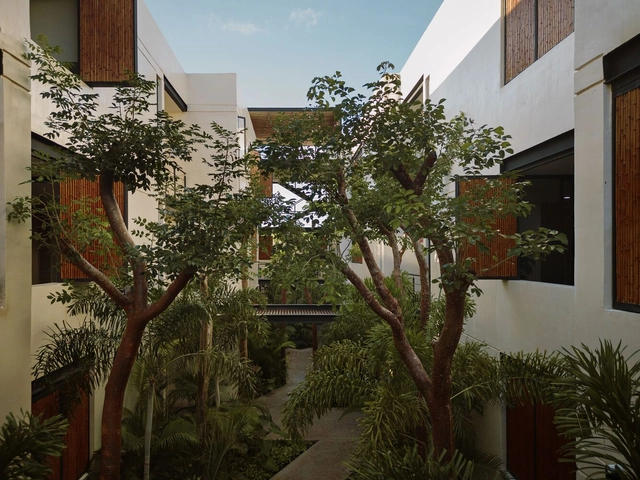
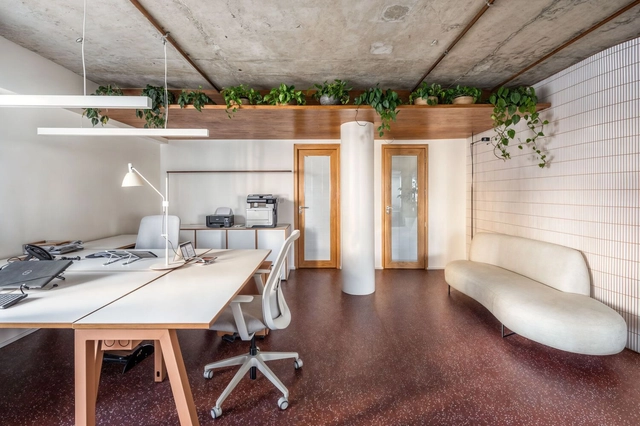
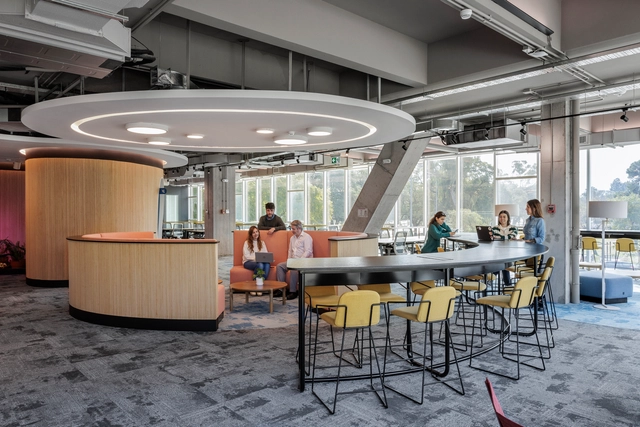

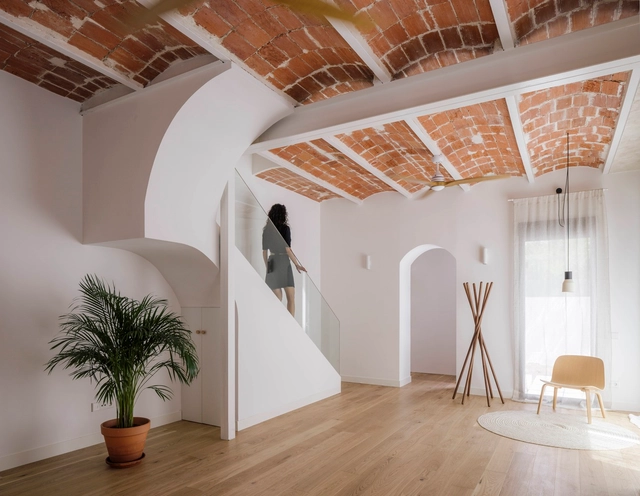
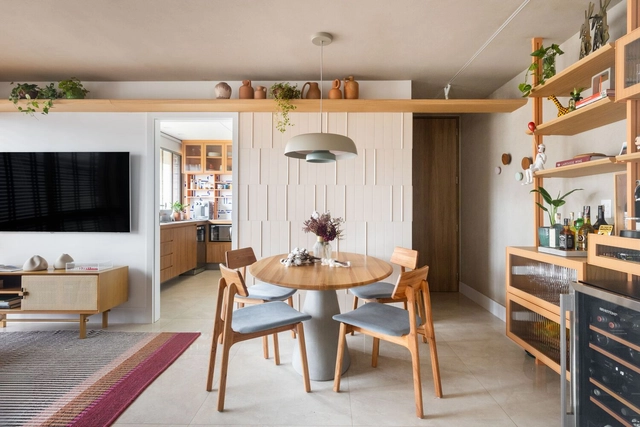

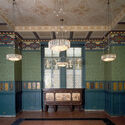
William Morris was one of the leading figures of the 19th-century Arts and Crafts movement. Guided by his political ideals, his practice spanned architecture, decoration, and design, eventually extending to writing—always striving to foster workplaces as spaces of pleasure and contemplation.
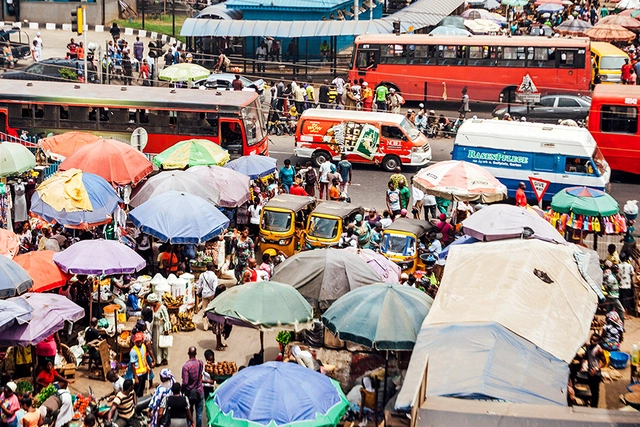
Crises typically spark shifts in how we move. Post-war prosperity turned the automobile into a household staple and a lifestyle. The global fiscal and oil crises of the 1970s brought a short-lived bicycle boom alongside a withdrawal of municipal funds from public transit. Meanwhile, the 2008 financial crisis paved the way for Silicon Valley venture capital to surge, backing new platforms like Uber and Waze.
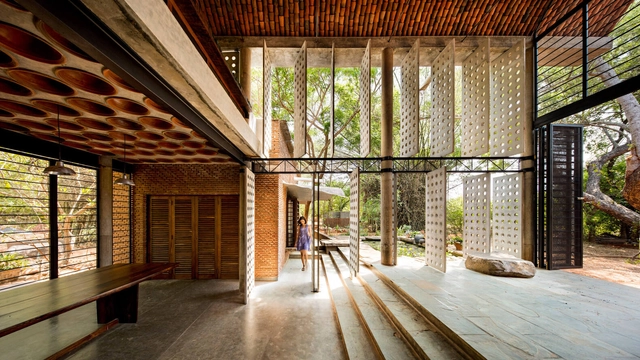
“Since the Industrial Revolution, assembly lines have dictated a world made of parts, framing the imagination of architects and designers who were trained to think of their projects as the result of pieces with distinct functions.” These were the words of Israeli architect and MIT Media Lab researcher Neri Oxman during her TED Talk entitled “Design at the intersection of technology and biology.”
Oxman emphasizes that our traditional way of building has remained unchanged for millennia and must be reinvented. Indeed, we have been taught to construct buildings and cities in a rationalized, piecemeal manner, without considering the whole. To this day, this logic is still taught in universities.
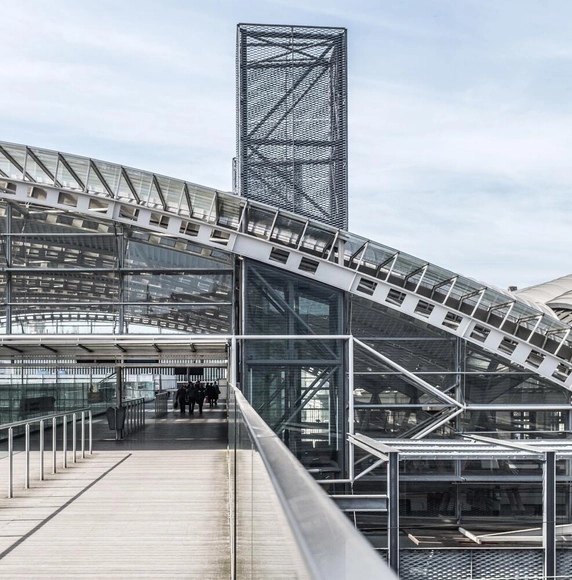
The Brazilian Center for Steel Construction (CBCA) has launched its 2021 call for proposals for its Undergraduate Research Scholarship. The nationwide selection process is open to undergraduate students in architecture and civil engineering, who must be supported by an advising professor from the same higher education institution.