Romullo Baratto is an architect with a PhD from FAUUSP and Managing Editor of ArchDaily. He previously coordinated the editorial team of the 11th São Paulo Architecture Biennial and served as Managing Editor of ArchDaily Brasil, where he led the platform to win the FNA Award—the first time the honor was granted to a media outlet. He collaborated on the editing of the book "Concrete Jungle", published by gestalten, and has curated architecture exhibitions in Brazil, Chile, Denmark, and Italy, as well as delivered lectures and moderated debates in Spain, the United States, and Portugal. His doctoral thesis investigates the urban landscapes of São Paulo through cinema. His work spans academic research and editorial practice, communicating architecture through texts, interviews, lectures, curatorship, and photography. Follow him on Instagram @romullobf.
There are various ways to position a residence on a lot. It can be built along the side boundaries, set back from the rear or one of the sides, aligned with the street, or freestanding on the plot. Each strategy presents its own advantages and drawbacks. On smaller plots, introducing courtyards is an effective way to site a house, particularly for maximizing natural light and ventilation.
Portuguese architectural video production company Building Pictures, directed by Sara Nunes, has shared with us a visual narrative focusing on the Afife House, designed by Guilherme Machado Vaz.
The video, titled Somewhere in Afife, begins by contextualizing the house within the landscapes of Portugal's North Coast, gradually drawing closer until we enter the interior of a compact, vertical volume that, in the architect's words, “evokes the essence of a traditional construction type in Minho.”
Based on themes suggested by the exhibition "Infinito Vão – 90 Anos de Arquitetura Brasileira" (Infinite Span – 90 Years of Brazilian Architecture), the "Architecture in Dialogue: Portugal and Brazil" seminar invites 13 architects from both countries to debate the distinctive features of new architectural production in both nations, and the extent to which they converge or diverge, on February 23rd, from 10:00 AM to 6:00 PM.
Using approaches such as program, technique, infrastructure, and cultural heritage as a starting point, the seminar will assess the current state of architecture in these two sister countries, separated by the Atlantic and by their own unique cultural dynamics.
Japan House SP, the City of São Paulo, and FAB LAB LIVRE SP have partnered to launch the competition New Perspectives, New Scales: Your Design for Dog Houses, which will select fifteen architecture and design projects for dog houses.
The initiative complements the exhibition currently on display, Architecture for Dogs, which brought dog house designs developed by Kazuyo Sejima, Toyo Ito, Sou Fujimoto, and FGMF, among other firms, to Japan House São Paulo.
The first episode of the ARQ.DOC documentary series, recently released on YouTube, explores the theme of "new aluminum" in architecture and design. Aiming to discover the stories behind architectural projects and urban interventions, the series' first season will feature 11 episodes where, alongside investigating specific themes, the producers turn their attention to the regional diversity of Brazilian architecture.
With over 1.3 million visits last year, the GeoSampa platform, an open-format digital map of the city of São Paulo, has expanded its reach since its launch in 2016. These results demonstrate that the portal remains a benchmark for geospatial data in São Paulo, thereby strengthening public sector transparency — one of the guidelines of the Strategic Master Plan.
Brumadinho, MG. Photo by Ricardo Stuckert / Fotos Públicas. Via Gazeta do Povo
Brazilian architecture and urbanism organizations have published a technical note regarding the failure of the Vale mining company dam in the city of Brumadinho, Minas Gerais, on January 25 of this year. Released last Friday, the document outlines ten points that comprise a preventive action strategy aimed at avoiding further tragedies and "protecting and saving lives."
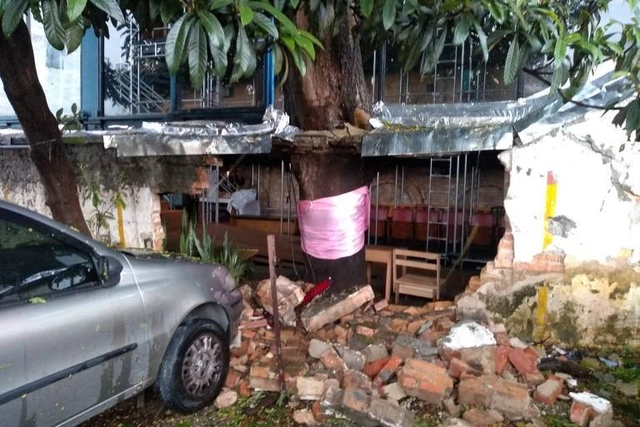
The wall of Teatro Oficina that collapsed under the pressure of the tree following Tuesday's heavy rains in São Paulo. Photo: Courtesy of Teatro Oficina
The Teatro Oficina, designed by Lina Bo Bardi and Edison Elito in 1984, had one of its walls partially destroyed by heavy rain that hit São Paulo yesterday afternoon. The wall of the large glass facade, which faces one of the last vacant lots in the Bixiga neighborhood, collapsed around the iconic tree planted inside the theater.
Álvaro Siza was born in 1933, the same year the Bauhaus closed its doors. He is perhaps the last practicing modernist, or at least the most significant voice still carrying the incomplete modern project into the 21st century. The exhibition Siza - Unseen and Unknown, opening on February 20 at the Tchoban Foundation in Berlin, presents a series of one hundred sketches that narrate the Portuguese master's work, interwoven with the modern project and personal stories.
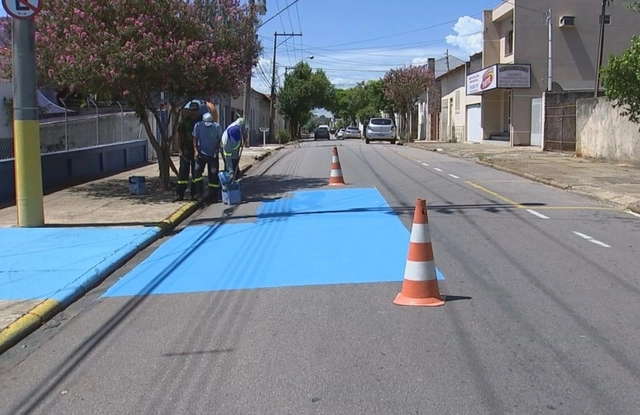
Streets of Tietê were painted blue to lower the ambient temperature. Photo: Reprodução/TV TEM
The effects of urban heat islands, which are particularly noticeable during high summer temperatures, are closely linked to paved areas in urban centers. Because it is impermeable and absorbs significant heat due to its dark color, the asphalt covering streets can considerably raise a city's average temperature—especially in areas lacking vegetation.
With this in mind, the local government of Tietê, a city in the state of São Paulo, implemented a remarkably simple and inexpensive strategy: they painted the streets cyan blue. According to the city's Secretary of the Environment, George Nicolosi, studies show that this blue color reflects more light than the dark gray of traditional asphalt, helping to lower the surface temperature.
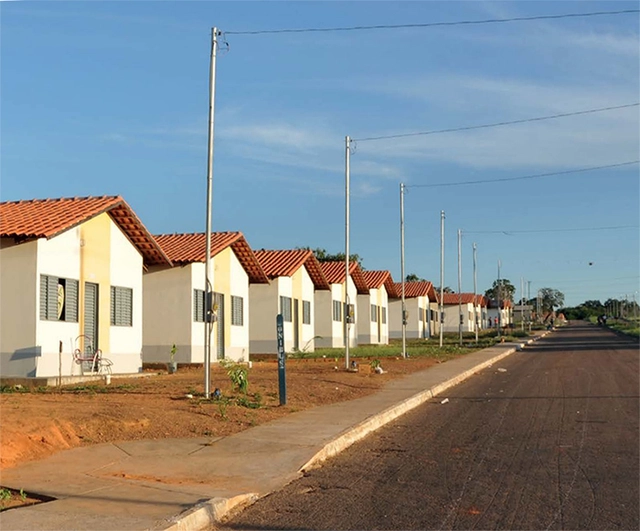
WRI Brasil has launched a free online publication detailing the benefits, costs, and barriers of adopting sustainability measures in social housing developments. Jointly produced by Lara Caccia, Henrique Evers, Luana Betti, and Camila Schlatter, the study examines simple, low-cost actions and technologies aimed at reducing water and electricity consumption in buildings.
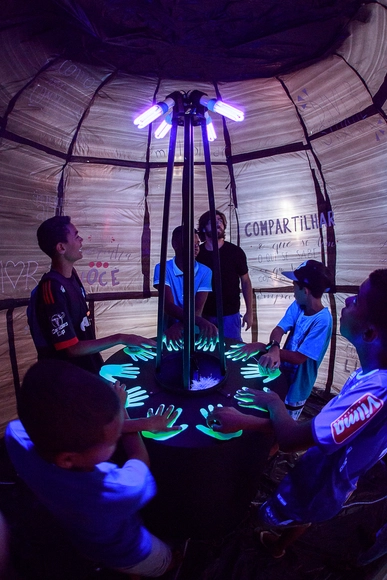
FLUTUA, instalação artística e arquitetônica, Luiza Dalvi e Rayssa Carvalho, com a colaboração de Isabela Magro, Rodrigo Pereira, Ariane Freitas e Alexandre Machado (UFU - MG). Image Cortesia de Instituto Tomie Ohtake
On January 23, 2019, during the opening of the exhibition showcasing the 20 selected projects out of 127 entries from 16 Brazilian states and the Federal District, the three winners of the 1st Instituto Tomie Ohtake Leroy Merlin Design Award and one honorable mention were announced.
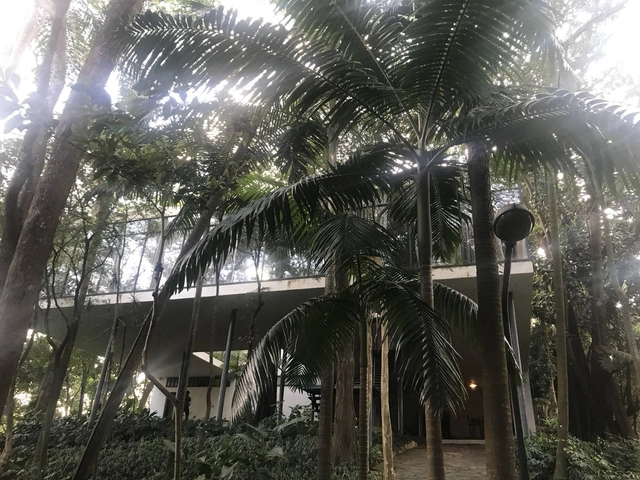
The Glass House, the residence where Lina Bo Bardi and her husband, Pietro Maria Bardi, lived for over 40 years and the current headquarters of the Lina Bo and P.M. Bardi Institute, will open its doors for a special free tour in celebration of São Paulo's 465th anniversary. The program begins at 11:30 AM and will feature the participation of the Institute's president, Waldick Jatobá.
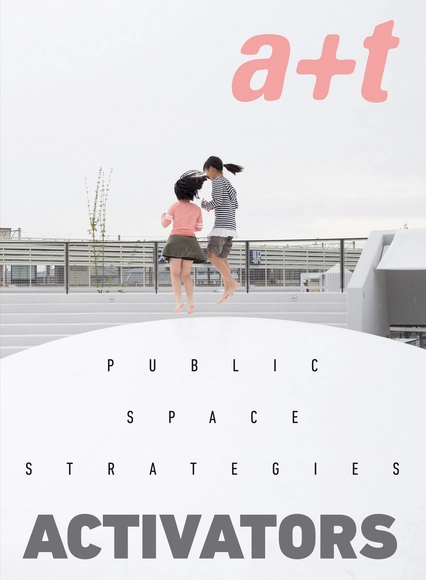
The publishera+tresumes its STRATEGY series, which began in 2010 with the goal of highlighting and analyzing the strategies and actions found in various projects addressing public spaces.
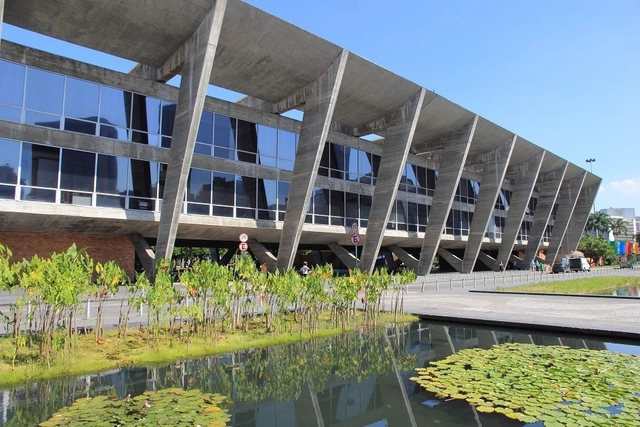
Museum of Modern Art. Designed by Rio de Janeiro architect Affonso Eduardo Reidy. Image courtesy of CAU/BR
Rio is the World Capital of Architecture. The title was awarded by the United Nations Educational, Scientific and Cultural Organization (UNESCO) on Friday morning, January 18, during a ceremony held at the organization's headquarters in Paris, and stems from the hosting of the World Congress of Architects in Rio in 2020. This is the first time a city has received this designation—established last year through a partnership between UNESCO and the International Union of Architects (UIA).
Discovering the stories behind architectural projects and urban interventions is the premise of ARQ.DOC, a new series set to premiere in January 2019 on YouTube. Produced in a documentary format, the episodes explore the creative diversity of Brazilian architecture.
The Ministry of Education (MEC) has released its list of the best and worst architecture programs in Brazil, based on the Preliminary Course Score (CPC). Topping the list is the Architecture and Urbanism program at the Centro Universitário Facvest, in Lages, Santa Catarina.

.jpg?1549372143&format=webp&width=640&height=580)

-U204285124265iRC-1200x800_GP-Web.jpg?1549280258&format=webp&width=640&height=580)