The goal of the competition is to design a one- or two-story prototype that acts as a sculptural element within its environment. It should be adaptable to beaches, parks, and plazas, serving as a landmark and safety point for tourists in major cities worldwide, while adding value to both natural and urban settings.
Registration is now open for the ‘Ir e Vir’ ideas competition, a contest for architecture students across Brazil that aims to investigate the impact of the pandemic on our collective imagination and its repercussions on the practice of the contemporary city through architectural projects.
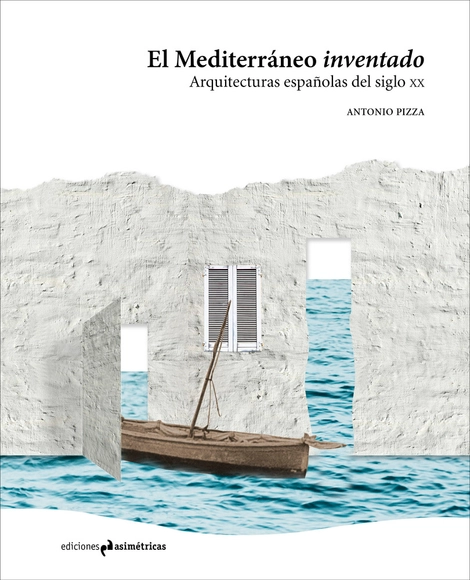
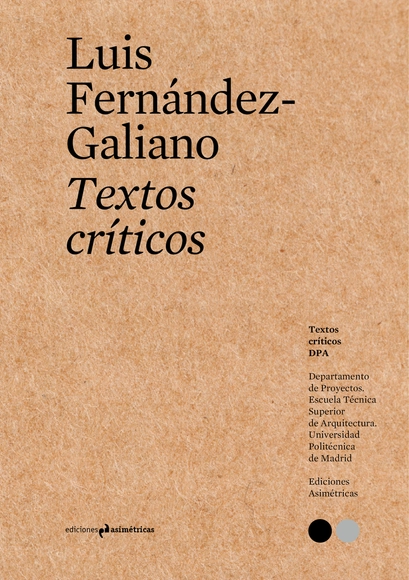
The collection of texts gathered in this book spans from 1997 to the present, aiming to challenge the canonical narratives developed around significant events in the history of modern Spanish architecture.
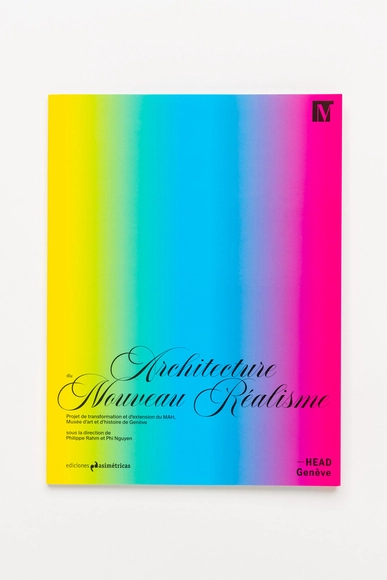
This book is the result of a workshop, a collaboration between the Interior Architecture department at HEAD and the Geneva Museum of Art and History. It invites students to explore the architectural vision for the Museum’s transformation and expansion, which will be the subject of an architectural competition next year. The work will help define the competition program and provide a space to reflect on the invention of a new museum model for the 21st century.
National Architecture Award book cover. Design: Florencia Labbé F.
This book is a unique and iconic project that captures—in a format that enhances both written and graphic information—the essence of contemporary Chilean architecture. It serves as a comprehensive and detailed record that, beyond acting as a form of creative memoir of our heritage, allows us to understand the past, present, and future of architecture, our cities, and our country.
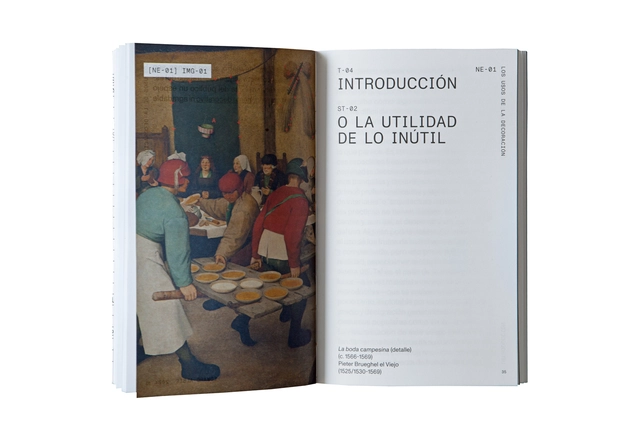
The Uses of Decoration comprises four essays that investigate a set of normative representations of non-professional home decoration and its instrumentalization within various economies.
The Ugly is the first posthumous book by Mark Cousins (1947–2020), the renowned British cultural and architectural theorist and critic who sadly passed away a few months ago.
In this notable attempt to define the meaning and idea of architecture, José Ricardo Morales proposes the noun Arquitectónica. Starting from a critical analysis of the prevailing trends in 19th-century art history and a precise dismantling of early 20th-century architectural theories—form, function, and space—Morales clears the ground to propose his own theory of architecture.
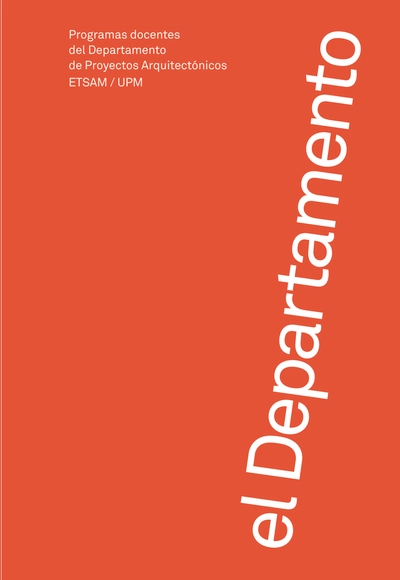
This publication compiles the teaching programs of the various and diverse units within the Department of Architectural Projects at ETSAM, offering an opportunity to analyze and compare the set of pedagogical initiatives that have shaped the teaching of design projects in recent years. It serves as an X-ray of a department that is key to understanding the general approach to teaching at the Madrid School, allowing readers to discern how learning tools have evolved to become more useful, effective, and contemporary.
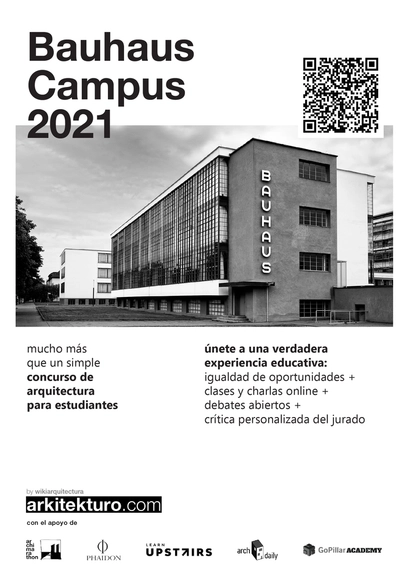
After setting aside his career as an architect to serve on the front lines during World War I, Walter Gropius sensed that the world needed a radical change—a change in which art and architecture would play a fundamental role.
As the urban effects of humanization reach unprecedented scales and forms, it is clear that cities and landscapes are undergoing transformations driven by cultural, social, and economic shifts, even if we do not always possess the appropriate tools to fully understand them.
This ninth volume of the Essays on Architecture and Ceramics collection, edited by Cátedra Cerámica Madrid, continues to explore the significance of ceramics in architecture. It compiles a series of reflections, ideas, and thoughts concerning ceramic materials and architectural space. In doing so, it expands the scope of interest in a material deeply rooted in architectural practice, offering a contribution that broadens our understanding by bridging its historical, technical, and spatial values.
Luis Fernández-Galiano, professor of architectural design at ETSAM and the guiding spirit behind the triplet of A&V journals—whose pages have served as a precise X-ray of the finest architecture of each era—has structured his work, both as an educator and a critic, from the exceptional vantage point of an advanced observer. This dual role allows him to operate as an agile, sharp-witted columnist and the author of books such as the prescient El fuego y la memoria: sobre arquitectura y energía, Empeños sostenibles, Fracturas y ficciones, La edad del espectáculo, and Tiempo de incertidumbre, as well as the encyclopedic creator of several Atlas de arquitectura del siglo XXI and the instigator of the polyphonic La quimera moderna.
The Oscar Niemeyer Award for Latin American Architecture, or ON Award, was established as an initiative of the Latin American Architecture Biennials Network (REDBAAL), founded in Quito through a constitutive act signed on November 23, 2012, during the XVIII Pan-American Architecture Biennial of Quito (BAQ 2012).