
With six editions and 22 guests across Chile, Ecuador, and Costa Rica, #XFORMAS (X Ways of Making Architecture) will present two featured sessions at the XXI Chile Architecture and Urbanism Biennial 2019 this October.
With six editions and 22 guests across Chile, Ecuador, and Costa Rica, #XFORMAS (X Ways of Making Architecture) will present two featured sessions at the XXI Chile Architecture and Urbanism Biennial 2019 this October.
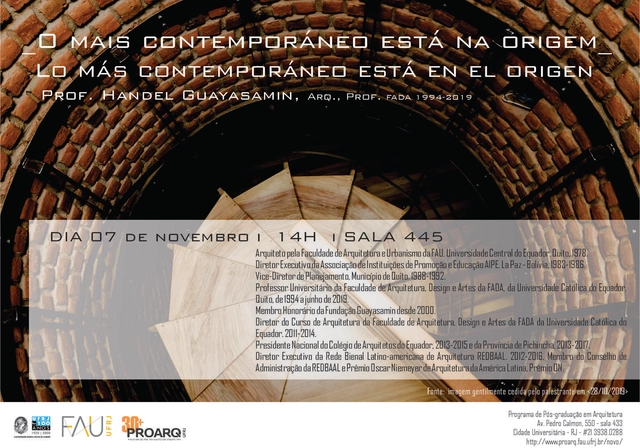
Contemporary architectural production is often debated through the lens of various qualities: being modern, techno, sustainable, local, austere, functional, or authentic, among others. These are various ways of being, many of which converge within a single project.
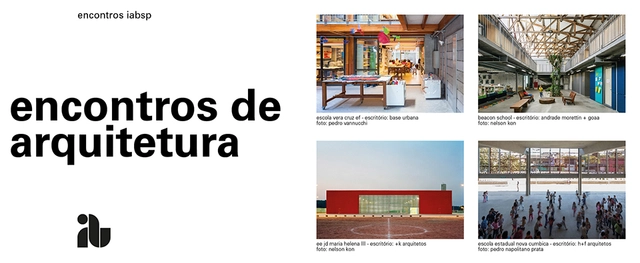
Starting in June 2019, the IABsp professional platform will launch the "Architecture Encounters" series. The series aims to discuss contemporary Brazilian architectural production through a thematic lens. Each session will feature active professionals in the field and will be moderated by an external guest or a member of the IABsp curatorial group.
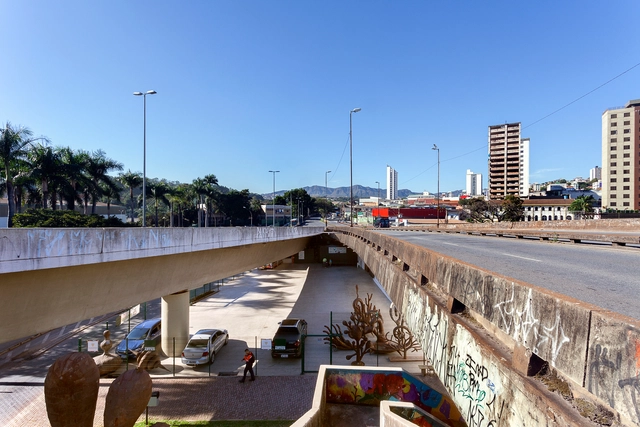
Aiming to shed light on the possibilities of urban voids, the International Open Call for Urban Intervention Projects “Outros Territórios” (Other Territories) was recently held, gathering proposals for ephemeral interventions for the “stilt structures” of buildings in the Buritis neighborhood of Belo Horizonte.
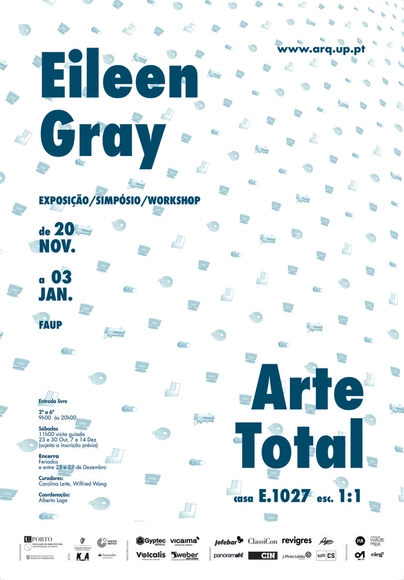
On the rocky hillside of the Côte d'Azur in Roquebrune-Cap-Martin, Anglo-Irish designer Eileen Gray (1878–1976) built a long, white vacation home she named E.1027 (1926–1929). At 52, this was her first foray into the world of architecture, realized with the support of her then-partner Jean Badovici, editor of the avant-garde magazine L’Architecture Vivante. For Gray, E.1027 was more than an opportunity to apply new spatial concepts; it served as a manifesto, revisited in her subsequent projects, for which she designed not only the architecture but also virtually every object and piece of furniture—creating a total work of art represented in this 1:1 scale exhibition.
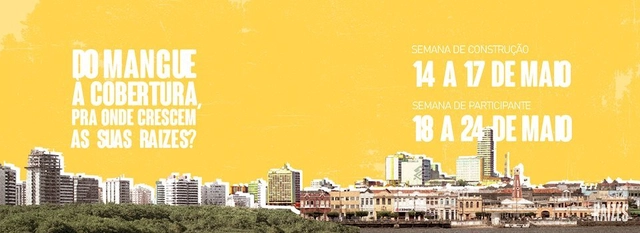
We understand culture as all the actions through which peoples express their ways of creating, doing, and living; scientific, artistic, and technological creations; works, objects, documents, buildings, and other spaces intended for artistic-cultural manifestations; as well as urban complexes and sites of historical, landscape, artistic, archaeological, paleontological, ecological, and scientific value. Culture encompasses both the language through which people communicate, tell their stories, and write their poems, as well as how they build their homes, prepare their food, pray, and celebrate.

The 2nd Seminar on Planning, Urban Landscape, and Sustainability (II SEPPAS) is organized by the RTVE Foundation (TV UFG) through the Graduate Program in Project and City at the UFG Faculty of Visual Arts (FAV-UFG), with sponsorship from the Council of Architecture and Urbanism of Goiás (CAU-GO). The event will take place from November 4 to 6, 2019, at the Marieta Telles Machado Auditorium, located in the Central Library of the UFG Campus II in Goiânia, Goiás.
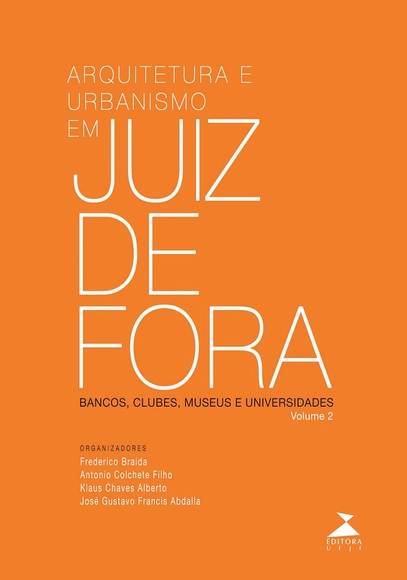
We are pleased to announce the launch of the second volume of the book "Arquitetura e Urbanismo em Juiz de Fora".
The "Modern Architecture in São Paulo" course is offering special editions in July and August dedicated exclusively to Lina Bo Bardi. The sessions will provide historical-critical theoretical approaches to the architect's work, in addition to guided tours of two projects: MASP and SESC Pompéia. During these visits, the architecture will be experienced and discussed in detail on-site.
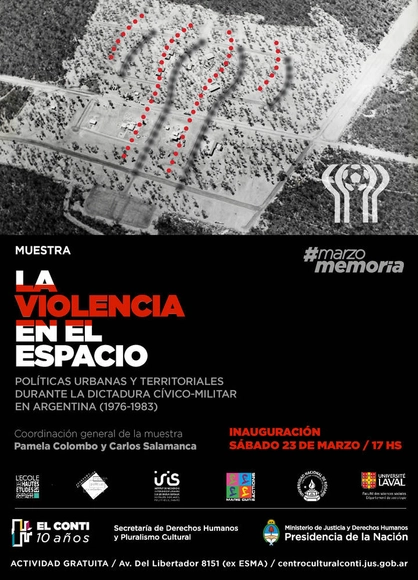
Slum eradication programs, highway construction, the creation of strategic towns, the redesign of public spaces, the building of stadiums, and the repurposing of cities for the "World Cup celebration": these are some of the territorial and urban projects carried out during the last military dictatorship in Argentina (1976-1983) that this exhibition examines. It is a spatial reorganization carried out at all scales and across all regions of the country, which directly impacted broad sectors of the population and permanently transformed Argentine society.

{CURA} has opened registration for the 8th "Entre Coletivos," to be held at the course's headquarters in São Paulo, starting at 7:00 PM on May 31st. The chosen theme is Landscape Architecture, and the firms Oficina2Mais and Seiva have been invited to participate.

The International Conference and Summer School 2019: Technopolitics in Urban Regeneration: Co-creating Public Spaces will explore different forms of co-creation, based on the premise that cities are a blend of new forms of sociability and collective action rooted in the association between humans and digital technologies. Consequently, it will discuss ways to develop urban solutions based on co-creation processes, giving a voice to the various stakeholders who can play a significant role in rebuilding public space at the local level. For co-creation to be successful, it must identify networks and engage diverse participants who can benefit from effective collaboration. This event provides opportunities to share international best practices and research, identify areas for action, and highlight their importance in city-building.
The event will be held at the ISCTE-University Institute of Lisbon, in Lisbon, Portugal, and consists of two days of conferences, four days of workshops, and a one-week design laboratory focused on real-world scenarios in the city of Cascais, Portugal.
The conference aims to contribute to the debate surrounding the use of digital technologies in bottom-up strategies for urban public space design. The conference is structured into four thematic sessions: (1) Collaboration in a Digital Condition; (2) Civic Laboratories; (3) Community Participation and Toolkits; and (4) Digital Collective Mapping. Each session will feature a keynote followed by presentations of papers selected through the open call (the deadline for paper submissions is 04/01/19; more information is available at: https://turcocreating.weebly.com/call.html).
The workshops are designed to engage all participants in an integrated collaborative learning approach to develop urban design solutions during the design laboratory, which will focus on self-built neighborhoods in the city of Cascais.
The goal is to integrate technological knowledge with design concerns, establishing inclusive strategies that connect students, researchers, citizens, and municipalities with diverse expertise, thereby enhancing their ability to navigate urban regeneration project methods and the co-creation of public spaces.

The University of Navarra presents three Master's programs for 2019: the Master's Degree in Architectural Theory and Design (MtDA), the Master's Degree in Environmental Design and Building Management (MDGAE), and the Master's Degree in Architecture (MUA). These in-person programs will be taught at the university's Pamplona, Madrid, and Bilbao campuses starting in September of this year. Explore more details below.
Upgrading skills, renewing oneself, or reinventing a career can sometimes feel like a pipe dream. Indeed, work and family obligations, or simply where we live, often make it nearly impossible.
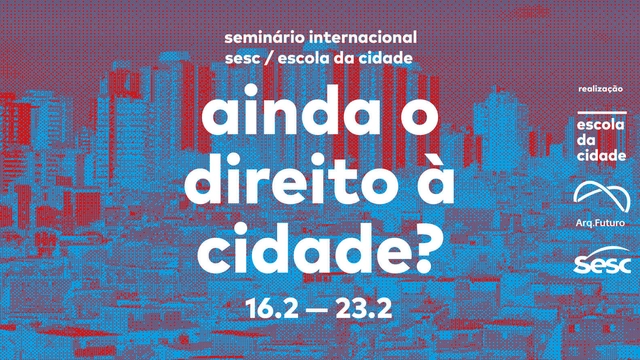
Established as one of the most significant events hosted by the Escola da Cidade – Faculty of Architecture and Urbanism, the International Seminar reaches its 14th edition with the theme “The Right to the City, Still?”
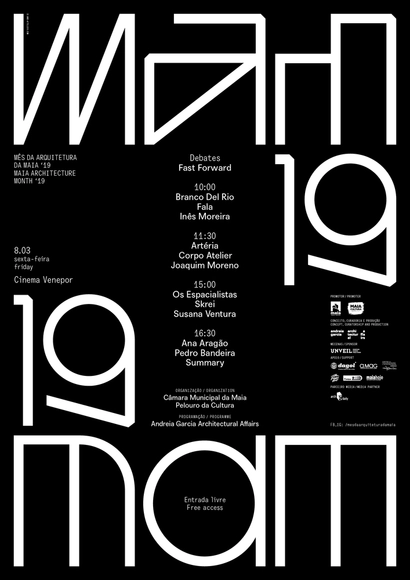
Debating the Future of the City and Architecture at MAM'19 – “Fast Forward”
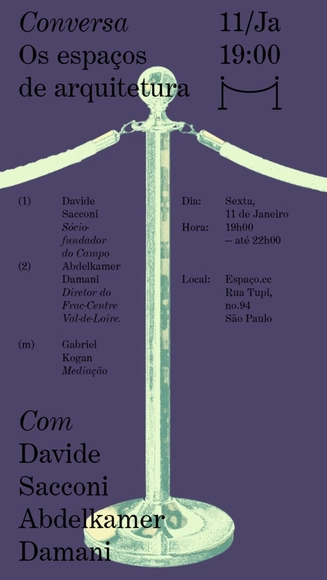
On Friday, January 11, 2019, a discussion on architectural spaces will be held with architects Davide Sacconi and Abdelkader Damani, moderated by Gabriel Kogan. The event will feature two institutions, exploring their different scales, audiences, content, and approaches, as well as potential dialogues with the Brazilian scene. The event is free and open to the public.

The Regional Meeting of Architecture and Urbanism Students (EREA) is an annual event held in each of the Federation's regions. EREA addresses topics related to our education, providing students with opportunities for debate, knowledge acquisition, and the exchange of experiences. These interactions strengthen reflection on various issues concerning architectural and urban education and professional practice, particularly in light of the challenges inherent in urban development and social organization. EREA plays a fundamental role in building and structuring the regional architecture and urbanism student movement. By bringing together hundreds of students, dozens of grassroots organizations, and collectives around common agendas, it fosters local mobilization within their respective cities and universities.