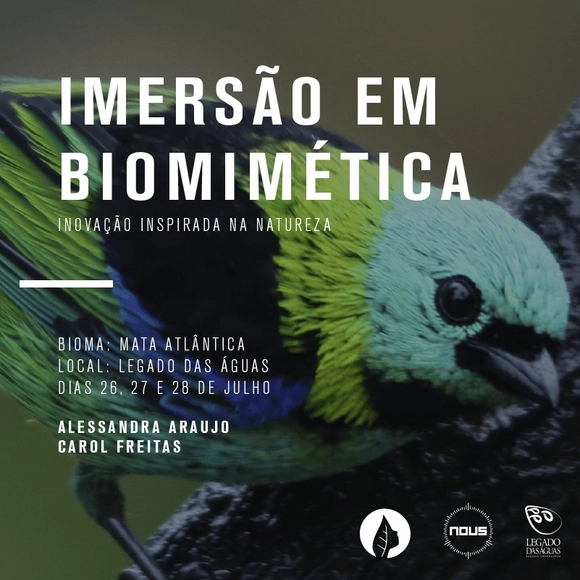
Drawing inspiration from nature to create innovative projects is the core concept of biomimicry. This science studies the vast array of strategies nature employs to ensure the survival and reproduction of living organisms on the planet. By understanding these strategies, it is possible to foster innovation across all forms of design. We utilize the creative journey known as Biomimicry Thinking, which enables nature-inspired creation even for those without a background in science.
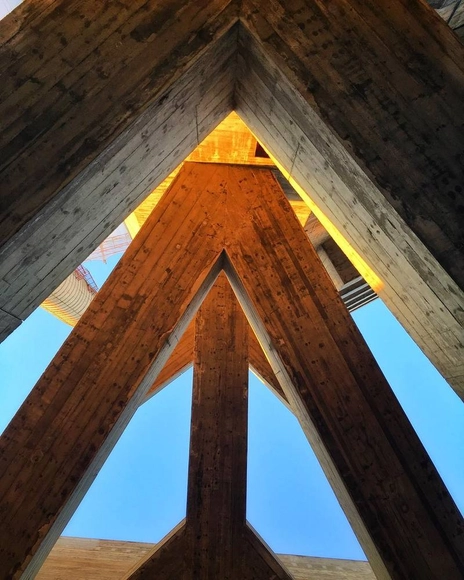
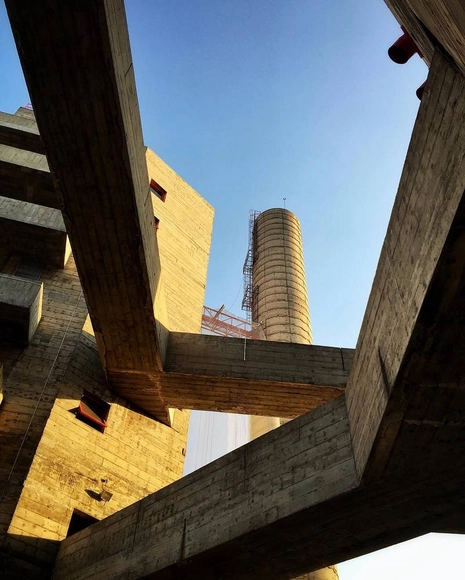
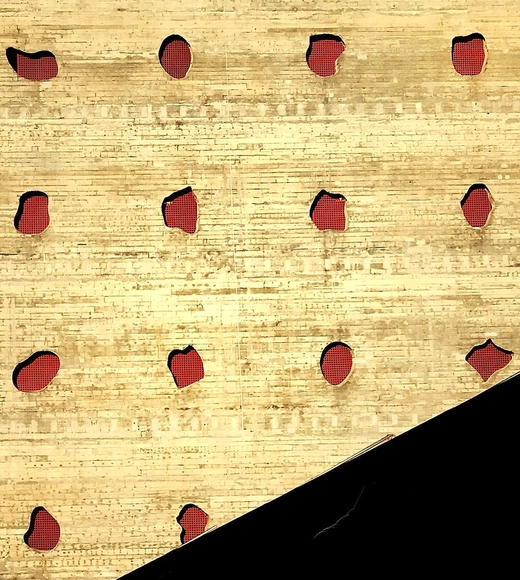
The "Modern Architecture in São Paulo" course presents a special edition in July focusing on Lina Bo Bardi. The sessions will feature historical-critical theoretical approaches to the architect's work, in addition to guided tours of two projects: MASP and SESC Pompéia. During these tours, the architecture will be experienced and discussed in detail on-site.
The Modern Architecture in São Paulo course presents a special edition in July dedicated to Lina Bo Bardi. The sessions will feature historical-critical theoretical approaches to the architect's work, in addition to guided tours of two projects: MASP and SESC Pompéia. During these tours, the architecture will be experienced and discussed in detail on-site.
The Modern Architecture in São Paulo course presents a special edition in August focused on Lina Bo Bardi. The sessions will provide historical and critical theoretical approaches to the architect's work, in addition to guided tours of two projects: MASP and SESC Pompéia. During these visits, the architecture will be experienced and discussed in detail on-site.
The 14th SEMAU - Architecture and Urbanism Week presents this year's theme: "(IN)VISIBILITIES: POLITICS, DEMOCRACY, AND RESISTANCE." The event aims to discuss and reflect on the social and political landscape and its relationship with urban dynamics in Brazil. Likewise, it seeks to showcase and share positive experiences in addressing the urban challenge of overcoming socio-spatial inequalities, highlighting the political role of architecture, urbanism, and related fields as a means of resistance.
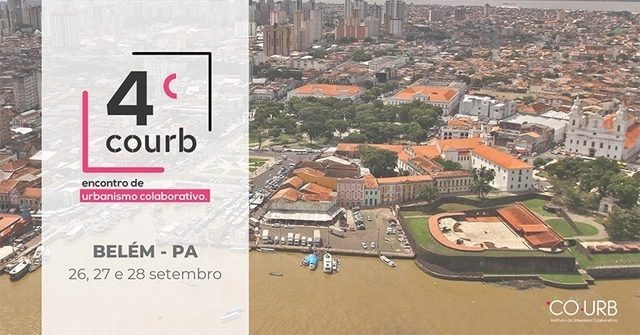
The 4th COURB, the Collaborative Urbanism Meeting, aims to connect the plurality of actors involved in the co-creation of cities, seeking collaborative solutions and fostering social technologies and tools for social participation in the development of urban actions, projects, and policies. With each edition, the network of people, institutions, universities, and organizations engaged in the inclusive transformation of Brazilian cities has grown.
The course is structured around visits to contemporary architectural works in São Paulo, always in the company of the architect who developed the project. A public inaugural class will be held to present the course and explain the logistics of the visits. The selection of sites to be visited is based on the following criteria: location, scale, author, and use. Each visit includes discussions on topics such as the practical realities of architectural practice, education, new technologies, work processes, and the project's relationship with the city.
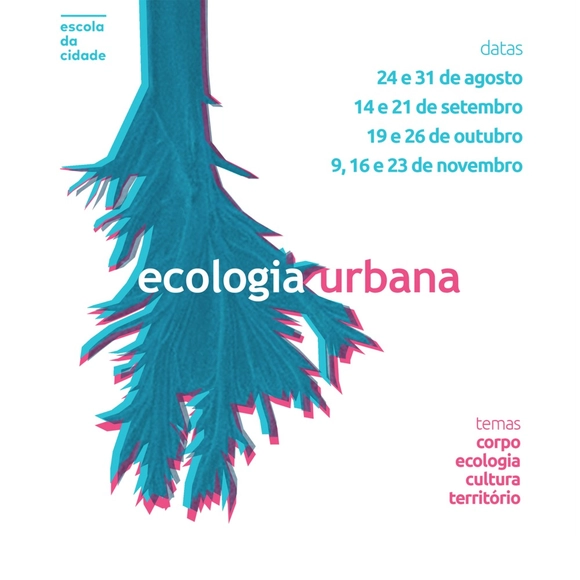
How can we cultivate a holistic, complex, and systemic perspective on what we call home? How can we produce new ways of valuing and recognizing non-hegemonic cultures? What are the pathologies of the systems we are taught to believe in, and how can we create new forms of perception and action that recognize the interconnectedness of life’s production and organizational systems?
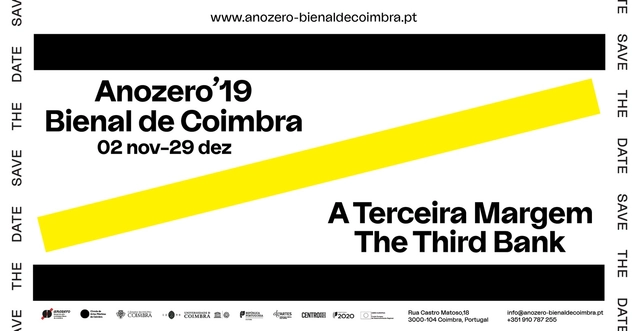
Determining how to house the ashes of those who do not profess any religion and wish to be cremated is one of the challenges addressed by the international architecture workshop Finita Existência – Panteão Para Cinzas (Finite Existence – Pantheon for Ashes), part of the convergent programming of Anozero’19. Registration is now open.
The Anozero – Coimbra Biennial of Contemporary Art was established through a joint effort between the Círculo de Artes Plásticas de Coimbra, the University of Coimbra, and the Coimbra City Council. Its third edition is curated by Agnaldo Farias, with associate curators Lígia Afonso and Nuno de Brito Rocha.
The Japanese textile universe, with its richness and variety of fabrics and prints, is the latest facet of Japanese culture to be presented at Japan House São Paulo through the exhibition "NUNO – Contemporary Textile Poetics," on view from August 20 to October 27, 2019. The exhibition highlights pieces created by Japanese designer Reiko Sudo, from the brand NUNO (a word meaning "fabric" in Japanese), which develops aesthetic lines, materials, and techniques, often reinterpreting Japan's textile tradition for the contemporary world.
Escola da Cidade – School of Architecture and Urbanism is hosting the third edition of the Portas Abertas program, featuring a series of activities for prospective students interested in pursuing a degree in Architecture and Urbanism. The program, which has been running since 2017, aims to provide students with the opportunity to experience the school firsthand, explore its facilities, and interact with faculty and current students.
On August 29, the Istituto Europeo di Design (IED) in São Paulo will host the second edition of IED Parla, a series of open forums where IED coordinators and faculty invite design professionals to engage in discussions that bridge the gap between speakers and the audience. In partnership with the Istituto Italiano di Cultura (IIC), this edition features Alberto Salvadori, curator of the Munari exhibition, and Rafael Toledo, coordinator of the Product and Service Design undergraduate program at IED São Paulo, for a conversation on the contributions of Italian artist and designer Bruno Munari.
The 11th Scientific Initiation Symposium at Escola da Cidade – Faculty of Architecture and Urbanism will take place on October 29 and 30. Submissions for presentation will be accepted until September 20.
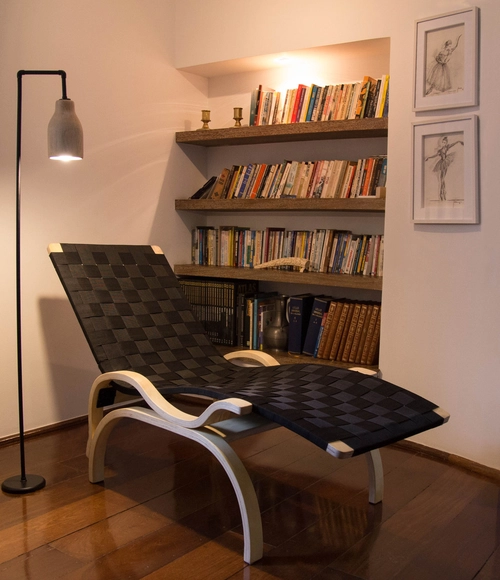
The IED Research and Innovation Center (CRIED) and the company YVY Reciclagem launched a promising joint project. In April of this year, with the support of Enel Distribuição São Paulo, they established the IED LAB MOB | YVY, an innovative laboratory that combines furniture design, the circular economy, and entrepreneurship to generate new opportunities for developing furniture from a new raw material: recycled wood from utility pole crossarms in the state of São Paulo.
A class on building structural models, taught by professors Roberto Alfredo Pompéia and Maria Rosa Almeida, will take place on September 17. Registration is open. Free of charge.
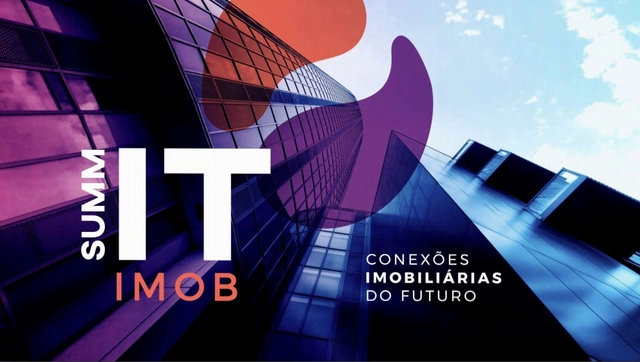
Proposing a look at new paradigms in the real estate, architecture, and civil construction markets in the face of the rapid pace of digital transformation is the goal of summIT IMOB. This event, promoted by TRACE and Somos Lares, will take place on September 12 at the Teatro da Unisinos (Av. Dr. Nilo Peçanha, 1600). The gathering will bring together experts and major market players, while also providing networking opportunities for industry professionals. The program is divided into four thematic tracks: people, buildings, cities, and connections, in addition to a virtual reality experience taking place in the theater foyer throughout the event.