This year's DW! will feature the launch of the Satélite lamp, created by Superlimão for Luxion Iluminação. Inspired by space exploration devices, the design blends the essential with the unexpected, pairing indirect lighting—which adds comfort to any environment—with an articulated body that allows for endless lighting configurations.
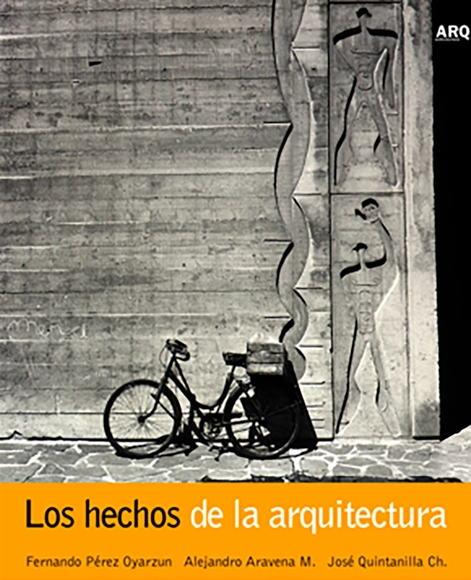
This is the third edition of the book originally published in 1999 by Fernando Pérez Oyarzún, Alejandro Aravena, and José Quintanilla. Intended primarily for architecture students and faculty, and secondarily for professionals and interested readers, Los Hechos de la Arquitectura aims to illustrate the fundamental issues that form the substance of the discipline, adopting the perspective of project generation and development.
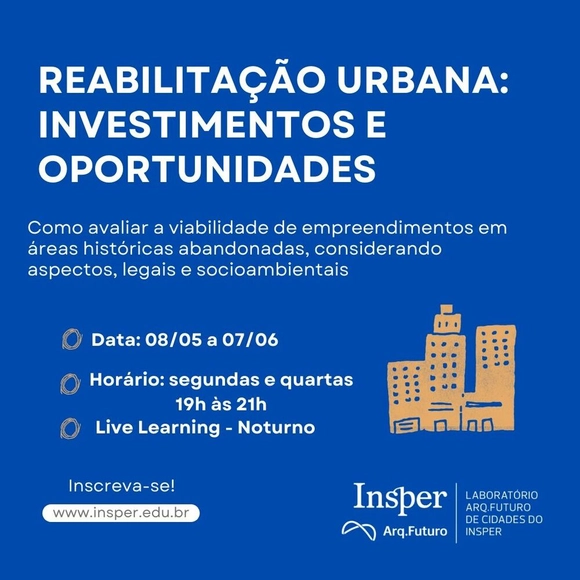
Insper, through the Arq.Futuro Cities Laboratory, has opened registration for the first cohort of the online course Urban Rehabilitation: Investment and Opportunities, which begins on May 8. In this course, students will learn to identify the factors that determine the obsolescence of an urban area, as well as rehabilitation strategies capable of transforming such environments into vital new spaces. The course is led by architects Samuel Kruchin, principal of Kruchin Arquitetura—one of the first private firms to work in the field of preservation and restoration—and Cristiane Gonçalves, principal of Cambota and a professor at FAU-Mackenzie.
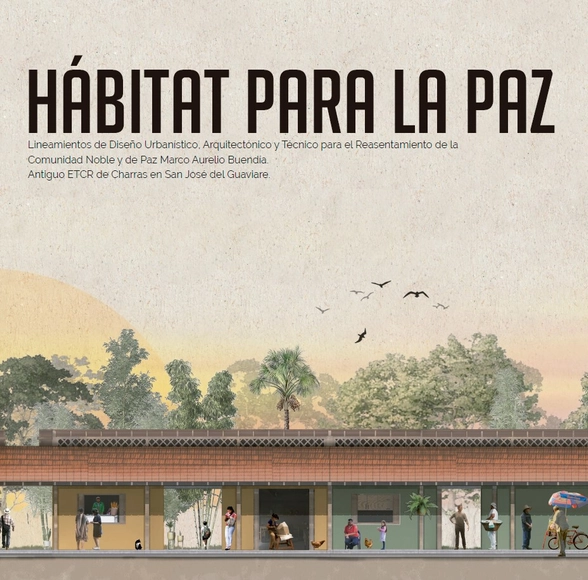
Habitat for Peace is an urban, architectural, and technical proposal that captures the expectations, dreams, and needs of a community of former FARC guerrilla combatants in the process of reintegration, aimed at the management and construction of a new settlement.
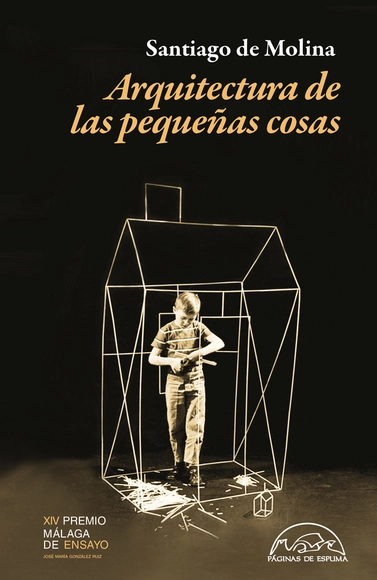
No one suspected that the least extraordinary of architectures—the house, our home—would so quickly change its meaning. While this box, burdened by mortgages and rooms, has traditionally served as the most immediate human habitat and our daily point of departure, the dizzying changes it has undergone in recent times have endowed it with new and profound existential dimensions.
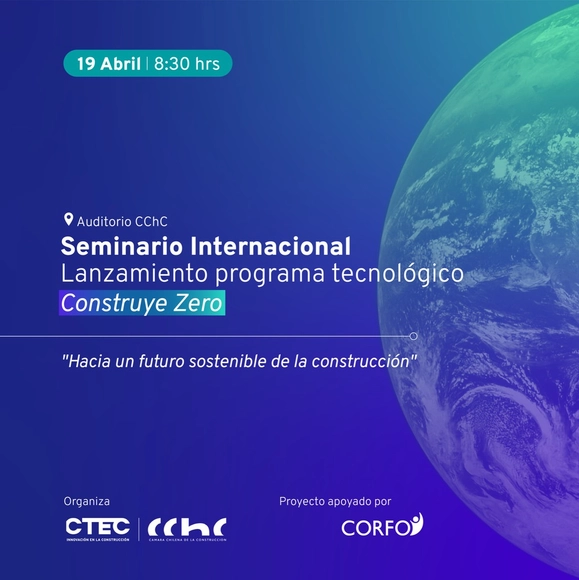
On April 19, we will gather with national and international experts to discuss the housing deficit and the climate crisis. Additionally, we will launch the Construye Zero Program, led by CTEC and supported by Corfo, which aims to contribute to the decarbonization of Chile amidst the climate crisis.
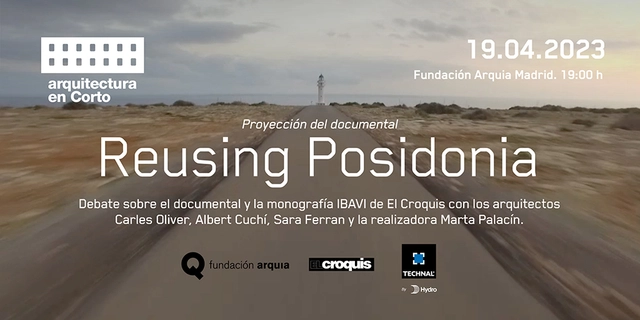
On April 19 at 7:00 PM, we invite you to the Fundación Arquia (C/Tutor, 16, Madrid) for the screening of Reusing Posidonia, a documentary about the first public housing units built on the island of Formentera by the IBAVI (Balearic Housing Institute) based on the principles of circularity, emission reduction, and climate change adaptation from the Life Reusing Posidonia project.
Following the screening, there will be a discussion regarding the documentary and the recently published El Croquis monograph on the IBAVI, which compiles and analyzes 24 works and projects promoted by the Balearic institution between 2019 and 2023. Speakers will include Carles Oliver, director of the Life Reusing Posidonia project; Albert Cuchí, author of the essay "IBAVI, una experiencia necesaria" published by El Croquis; Sara Ferran, architect and partner at the firm taller11; and Marta Palacín, the documentary's screenwriter, director, and producer.
O V Seminário Internacional da Academia de Escolas de Arquitetura e Urbanismo de Língua Portuguesa (AEAULP), que tem como tema "Proximidades Distantes" , ocorrerá de 22 a 24 de Novembro de 2023 em Brasília. O evento reunirá profissionais e acadêmicos das áreas de arquitetura, urbanismo, ensino e prática em busca de soluções para um futuro mais humano, sustentável e igualitário.
In the works featured in Luiz Pizarro’s solo exhibition, opening on Tuesday, March 4, at the Paço Imperial, the artist demonstrates a clear commitment to expressing a holistic view of the elements, shifting the focus away from the human figure to prioritize the whole—whether nature, organic forms, or universal harmony. This is the essence of "Metapaisagens" (Metalandscapes), which occupies a 300-square-meter gallery with 18 large-format canvases (ranging from 1.70m to 2.25m), produced between early 2022 and 2023 using acrylic paint, with color serving as a fundamental element—a hallmark of the artist's work. At the back of the space, the "Magic Cube"—or "Cube of Wishes"—invites visitors to select a color from available yarn, threading it through points within the interactive installation to match the number of letters in their name while "focusing on their wishes." Geometric forms also appear as white cubes within the canvases themselves, which Pizarro refers to as "crystal cubes." This marks the artist's fourth exhibition at the Paço Imperial, where they have previously showcased paintings, prints, and paraffin works.
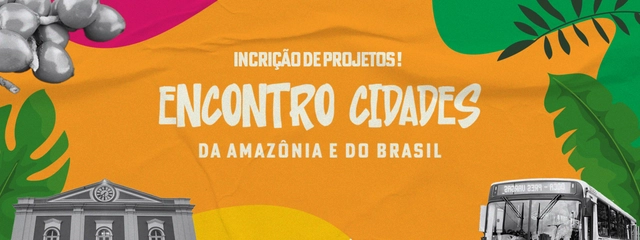
A partnership between the Laboratório da Cidade and the 5th Collaborative Urbanism Meeting (COURB), the Amazon and Brazil Cities Meeting is a new event format designed to raise and debate the primary challenges facing our cities and their inhabitants in the current landscape.
We invite teams from across Brazil to submit projects for the 5th Collaborative Urbanism Project Exhibition, to be held on May 5, 6, and 7 in Belém, Pará.
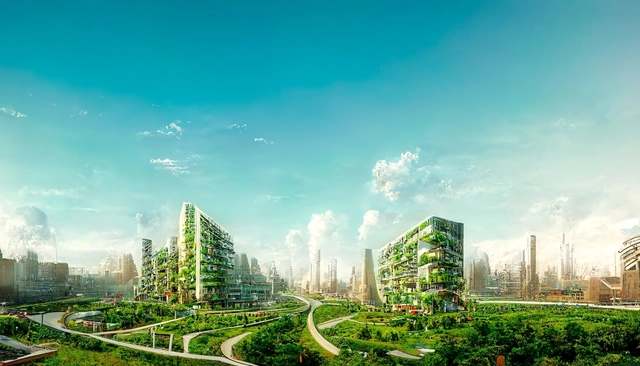
Today, it is essential to integrate strategies that help limit the emissions generated by buildings over their lifespan into design and functionality concepts to mitigate climate change. Consequently, reducing embodied carbon in construction has become an urgent priority, and industry professionals are increasingly taking this into account to build with a smaller carbon footprint, alongside the principles of circularity, sustainable development, and energy efficiency.
José Antonio Coderch was not a prolific writer; in his restraint, he wrote only when he deemed it strictly necessary.
This book compiles one of his most renowned texts, "We Don't Need Geniuses Now"—a work that remains relevant today, having been read and reread by generations—alongside the legendary interview he gave to Enric Soria in the 1970s. Reading these texts provides a deeper understanding of the complex figure of this great master of modern Spanish architecture.
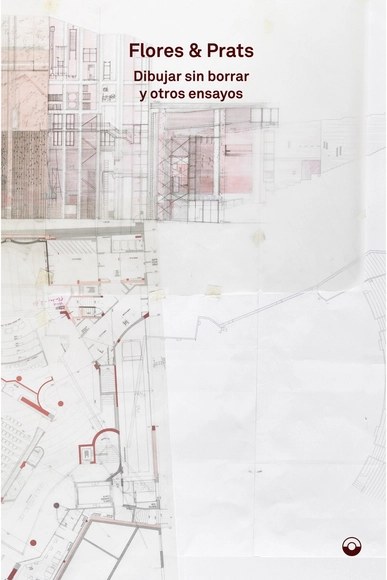
Almost all the texts in this anthology revolve around a single theme: drawing. Although distinguished by subtle variations in their conception and approach, the seventeen texts in this volume can be understood as a single, continuous monologue with almost compulsive returns to the same idea. Flores & Prats believe in the capacity of hand drawing to generate multiple, complex layers of knowledge about a space or place, thereby guiding the successive steps of the design process.
Their obsession with drawing is a form of optimistic resistance; they believe that if mobilized with intensity, rigor, and passion, the tools of architectural representation can still help us decipher the world around us.
Maria Fernanda Lucena's solo exhibition presents her new series, "Paper Doll." The works were conceived through practices central to the artist's process: cutting and collage. She views these as playful activities that evoke childhood games, while also referencing the customary gestures of the fashion world—a cornerstone of her practice. A regular at the Praça XV antique market in downtown Rio de Janeiro, she sources 3x4 photographs to create layered images, stitching these unknown faces into costumes worn by pop culture icons and her own musical influences.
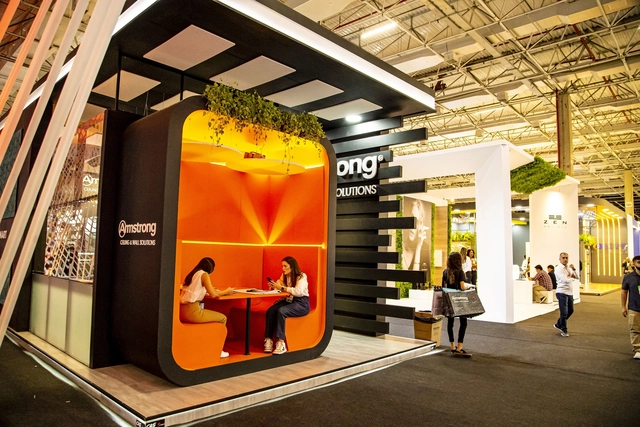
Jazz bars around the world were the subject of illustrations by architect Jose Ricardo Basiches and provided the theme for the booth designed for the Armstrong brand, conceived and built to foster real sensory experiences within the exhibition hall. Well-known for his freehand drawings on napkins and various unconventional surfaces, Basiches says he never leaves home without a pen in his pocket. "For me, drawing is more than a hobby. It is a way of experiencing the environment I am in," the architect adds. These illustrations permeated many elements of the booth during Expo Revestir 2023, particularly the acoustic wall and ceiling panels, presenting the idea that Design + Acoustics can stem from a fresh perspective shared by architects and acoustic consultants regarding existing market products.
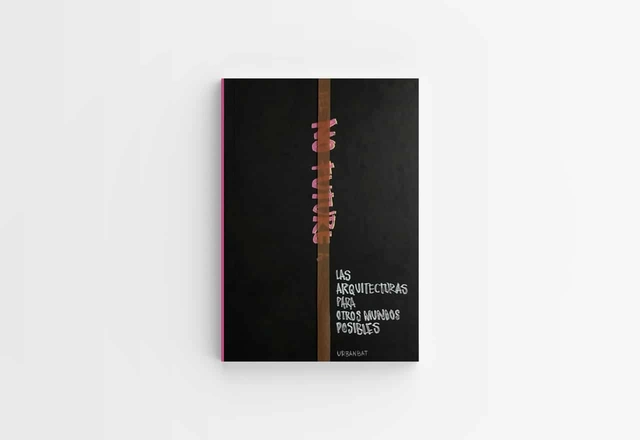
Combining expert voices and emerging visions, this book offers a diverse range of perspectives on the responsibility of architecture and urbanism within our current context of multidimensional crisis. It explores their complicity and forms of resistance, their possibilities and limitations, their tools and working methodologies, their relationship with other disciplines, their areas of intervention, and their capacity to create new imaginaries.