Women have pioneered new ways of practicing, not only by specializing in peripheral and often transdisciplinary subjects but also by proposing new forms of business organization that generally facilitate a better balance between professional and personal life. These working methods, in the face of a reassessment of production and business models, as well as workplaces and schedules, are fundamental to addressing the challenges of a profession that—in the midst of an internal transformation—is confronting the need for economic, social, and environmental sustainability.
"The City Inside the House" is a collection of essays by various authors written during the 9th edition of the URBANBATfest architecture, urbanism, and social innovation festival. The experience of lockdown—spending so much time in our homes—has forced us to focus on the domestic sphere, a concept that has gained particular relevance in current reflections, research, projects, and public policy.
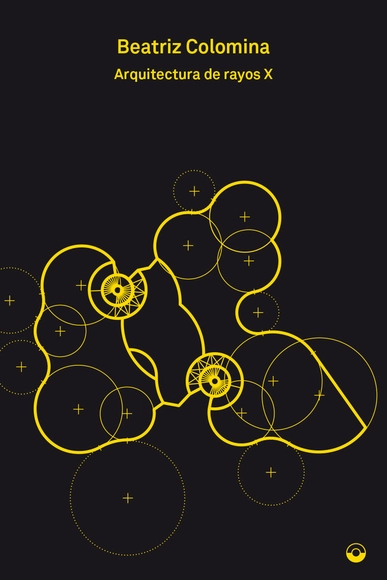
This book explores the enormous impact of medical discourse and imaging technologies on the formation, representation, and reception of 20th-century architecture, while challenging the conventional understanding of modern architecture by proposing that it was shaped by the dominant medical obsession of its time: tuberculosis and its primary diagnostic tool, the X-ray.
"Arquitectura Popular is not a book about 'popular architecture'—though that would be a great subject. Instead, this book summarizes my quest to make architecture popular. In other words, I strive to make my designs accessible to everyone. Because they are simple, affordable, and mass-producible. I believe that architectural design possesses virtues that can improve people's quality of life, and there should be no barriers to that." Alejandro Soffia begins his book with these words, emphasizing the importance of access to architecture and how it directly impacts quality of life.
Opportunity is a decidedly optimistic, positive word that brings to mind that ideal moment when everything is possible. However, it also has a dark side, as it is frequently linked to the negative concept of crisis. This duality seems to be an essential condition for defining the value of an opportunity as inversely proportional to that of its opposing crisis. In this sense, the proposal of VAD could not be more relevant at a time when we, as a society, are facing one of the greatest and most universal crises in living memory.
“Pension Hotels in the City of Buenos Aires: Housing Precarity, Evictions, and Organizational Processes in the Constitución Neighborhood” is a book published by the Fundación Tejido Urbano. It emerged from the Buenos Aires Publica open call, an initiative that seeks to support research and innovative actions that can guide specialists and decision-makers toward solutions and tools aimed at reducing the housing deficits of our metropolis. The book’s author is María de la Paz Toscani, who holds a degree in Social Work and a PhD in Social Sciences from the Faculty of Social Sciences at the University of Buenos Aires.
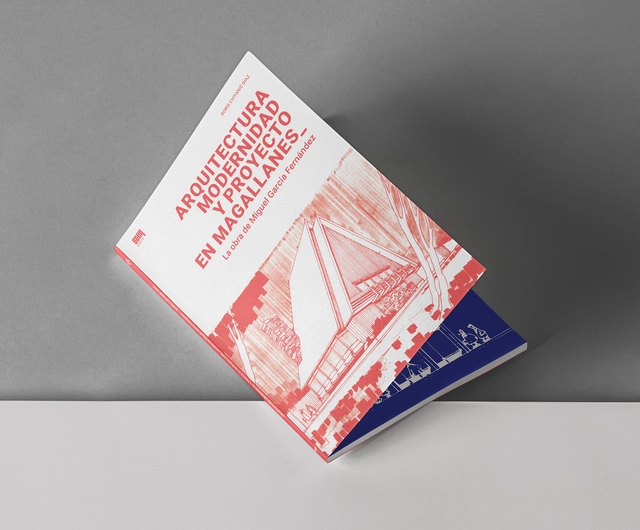
"Architecture, Modernity, and Project: The Work of Miguel García Fernández" seeks to highlight the history and development of modern architecture in Chile's southernmost region through the projects and ideas of this unique architect.
The Alberto Cruz C. Foundation, in collaboration with the Amereida Cultural Corporation and the School of Architecture and Design at the PUCV, hosted a seminar focused on the architectural work of Cruz Covarrubias, which transcends and complements his career in academia.
"Perhaps architecture is nothing more than the art of building climates that artificially correct what nature presents in its path," as Vitruvius maintained. For Swiss architect Philippe Rahm, architecture exists because the natural climate is often inhospitable to humans: too hot or cold, too dry or humid, too dark or sunny. Architecture must soften, intensify, mitigate, and regulate the natural climate to make it habitable.
In January 2021, Phaidon published Radical Architecture of the Future, which presents the world's most inspiring, innovative, and advanced architecture, offering new ways to view, understand, and build our environment and the spaces that surround us.
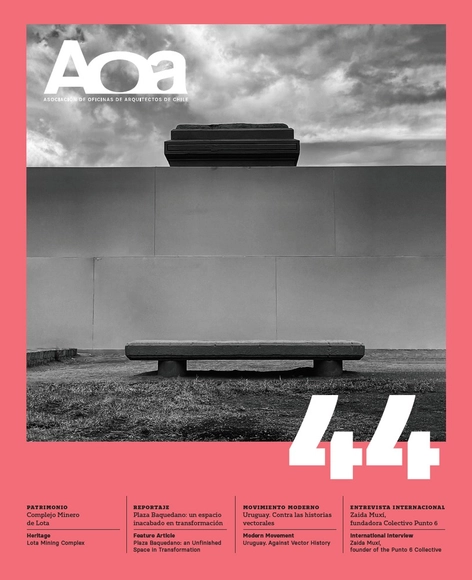
Through a panel discussion featuring four expert perspectives and an audience of architects, urban planners, academics, and other industry stakeholders, the Association of Architecture Offices (AOA) presented the 44th issue of Revista AOA. This edition focuses on Santiago’s iconic Plaza Baquedano, tracing its history, past renovation attempts, the social unrest, and the subsequent transformations it has undergone.
Tenerife Airport. Sketch by Alberto Campo Baeza. Image courtesy of Estudio Campo Baeza. Cover design by Víctor Sánchez Taffur.
Highlighting Alberto Campo Baeza's work is not just an act of recognition for the quality of his professional output, but also a matter of justice regarding his dedication across various facets of the discipline, particularly in teaching. In this sense, this book is not intended to showcase his projects and built works, but rather to share a series of reflections and some of his teachings. It is a modest, personal perspective, filled with records, experiences, and data that I have meticulously gathered over the years.
This book emerged from the first Buenos Aires Publica open call, promoted by the Fundación Tejido Urbano in 2019, and was one of the two inaugural prize winners. The publication is a reworking of the research conducted by the author for their doctoral thesis. The publication’s central argument is that the city of Buenos Aires is the product of deliberate decisions rather than spontaneous growth. In a comprehensive and methodological narrative, the author compiles decades of urban planning decisions embedded in the city, accompanied by a central color section that investigates and reinterprets the most significant maps and plans in the development of our metropolis. It offers an interesting and necessary reflection on the construction of the city through political and state-led actions.
Little is known about the trips Sigurd Lewerentz made to Italy. Among the documents from his estate deposited at the Stockholm Architecture Museum, several boxes contained negatives wrapped in paper that had become brittle with time. These images of Italy barely reveal recognizable locations; instead, they unveil an enigmatic approach to the remains of Antiquity—one focused on details, materials, and textures—that can help us understand the work of the great Swedish architect.
The fifth issue of Revista Pliego compiles the entire output from the second term of the architecture studios at the National University of La Matanza.
Additionally, the Pliego team had the opportunity to interview Juan José Méndez, Secretary of Transportation and Public Works for the Government of the Autonomous City of Buenos Aires, who provided insights into the city's management during the COVID-19 pandemic, as well as the achievements and challenges that defined his tenure in the government office.
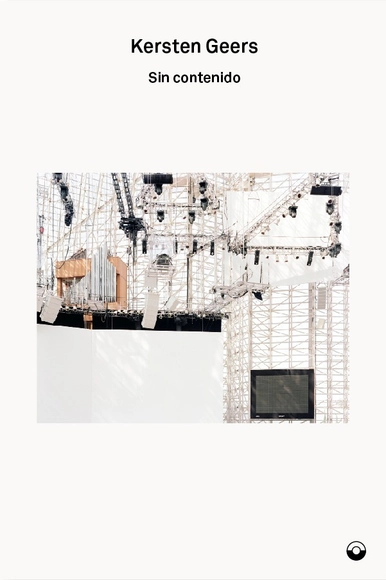
This book compiles a series of essays written between 2010 and 2020 by the Belgian architect Kersten Geers. In these texts, he writes about a diverse range of historical architects—from Bramante, Scamozzi, and Mies van der Rohe to Aldo Rossi, James Stirling, Álvaro Siza, and Robert Venturi—who serve not only as companions in his writing but also as a means to construct a theory of contemporary architecture, through which he can address the core issues that inform his own practice.
Titled MIRALLES. A l'Escola, the fifth and final exhibition in the tribute cycle to Enric Miralles highlights his academic work as a professor at the Barcelona School of Architecture (ETSAB). This significant facet of the architect's career is poorly documented, despite its international impact, as Miralles served as a professor, visiting lecturer, and speaker at prominent universities worldwide.