Award-winning architect Nicolas Valencia is the former Head of Editorial at ArchDaily, leading a global editorial team ---- @nicolasvalencia.cl | nicolasvalencia.cl | hellonicolasvalencia@gmail.com
After a week of nominations, more than 25,000 readers selected their favorite projects from nearly 1,000 built works across Latin America and Spain. Today, the finalists for ODA18 have been announced.
Now in its tenth edition, this award has become a true tradition. We invite all our readers to recognize the projects published during 2017 that inspired them and represent the identity of their local contexts in a globalized world, shaping how architecture is practiced in Latin America and Spain within an increasingly diverse and multicultural landscape.
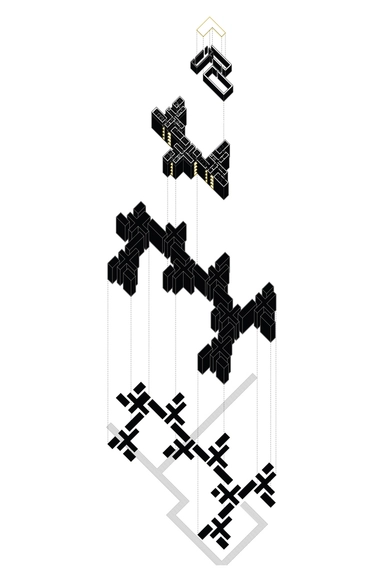
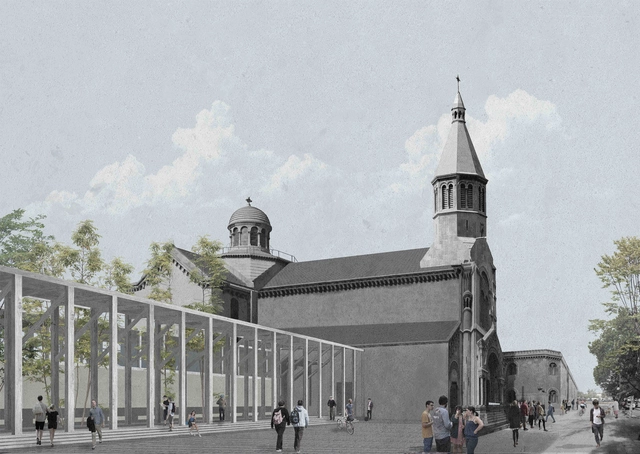
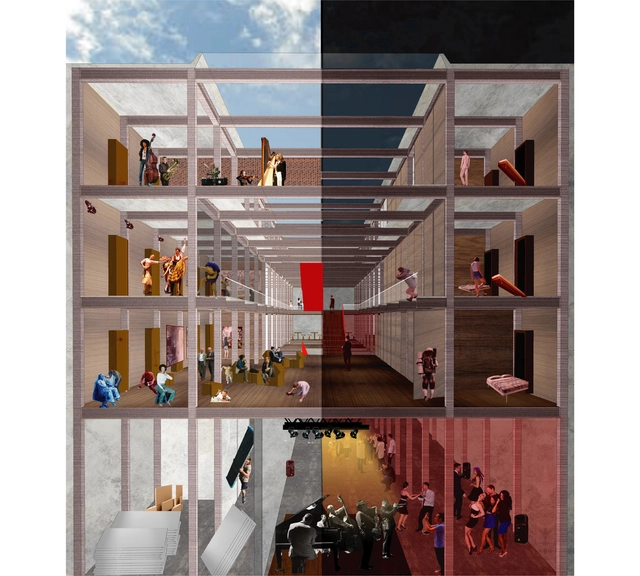
Designed by Camila Chaler, the project Cloister Typology as an Opportunity for Urban Reintegration was selected as one of the ten winners in the Thesis Project category of the 2018 Arquitectura Caliente Competition (CAC 2018), a Chilean awards program organized by Grupo Arquitectura Caliente and funded by the Ministry of Cultures, Arts, and Heritage.
Santiago's urban fabric is home to numerous religious orders. These properties (convents and monasteries) are currently facing obsolescence because they operate under outdated models. This is due to two main factors: their urban incongruity, which isolates them as inward-facing cloisters within the city, and their programmatic obsolescence relative to the scale of the buildings, driven by a decline in religious vocations.
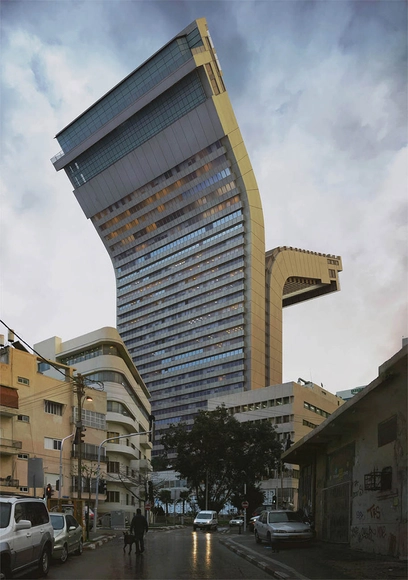
Barcelona photographer Víctor Enrich (b. 1976) has defined himself as a "professional in architectural visualization" since 1998. His ultra-high-quality photomontages trick the eye. Is there really a Guggenheim on the periphery of Bogotá? No, it is the work of Enrich. What about that replica of the Chrysler Building dome in a residential neighborhood? Not that either; it's Enrich.
He is currently working on three simultaneous projects: the fiasco of the 'Castor' case in Spain, a series on the phenomenon of gentrification, and a final series on the political situation in Catalonia—all while venturing into oil painting. "But that is a whole other world," Enrich explains in the following interview.
Looking specifically at Latin America, the list shows some changes compared to the previous year, with a Mexican university returning to the top three. Regarding Brazilian institutions, however, the same four from last year—USP, UFRJ, Unicamp, and UFRGS—remain on the list.
In 2010, humanity marked a new milestone: more than half of the world's population lives in cities. And by all accounts, this process only seems to be intensifying, alongside rising consumption, resource depletion, increased pollution, traffic congestion, water scarcity, and a lack of planning. Is urbanization spiraling out of control?
Drawing on a published study by Daniel Hoornweg and Kevin Pope, British newspaper The Guardian reflects on an extreme scenario: if countries are unable to manage fertility rates and urbanization continues unabated, over the next 35 years, more than 100 cities will each have a population exceeding 5.5 million.
Unidad Social / Benjamín Sierra + Mack Riffo. Image Cortesía de Arquitectura Caliente
After evaluating 94 undergraduate student projects from 20 architecture schools across 8 regions of Chile, the jury of the 2018 Arquitectura Caliente Competition has announced the winning projects of its latest edition.
These projects span the entire country and encompass various typologies, ranging from urban planning to student housing, landscape designs, and emergency structural initiatives.
Below, we present the projects honored with regional distinctions:
The team consisting of Francisca Méndez, Francisca Campos, and Lucero Arce (Universidad Mayor) has been awarded second place in the XXXII CAP Chile Competition. Designed for Punta Arenas, the project—known as María Behety Park—aims to “bring Chile to Punta Arenas,” an idea that seeks to introduce various plant species from across the country to the city as a tourist attraction, according to the authors.
The competition jury praised the project as one “that takes a bold stance through clear and powerful elements to generate wide spans, where the steel pieces shine to create three volumes that emerge like icebergs along the park. And it is precisely this clarity that demands a high level of structural resolution, which is perfectly adjustable.”
Under the title “More Living, More Humanizing,” the 14th Spanish Biennial of Architecture and Urbanism (BEAU) presented the winning projects of its latest edition today, Thursday the 19th, in Santander. This exhibition, housed in a temporary pavilion in Santander's Pereda Gardens, showcases the works selected in the categories of Panorama of Works, 2nd Research Exhibition, and 7th Thesis Projects Exhibition.
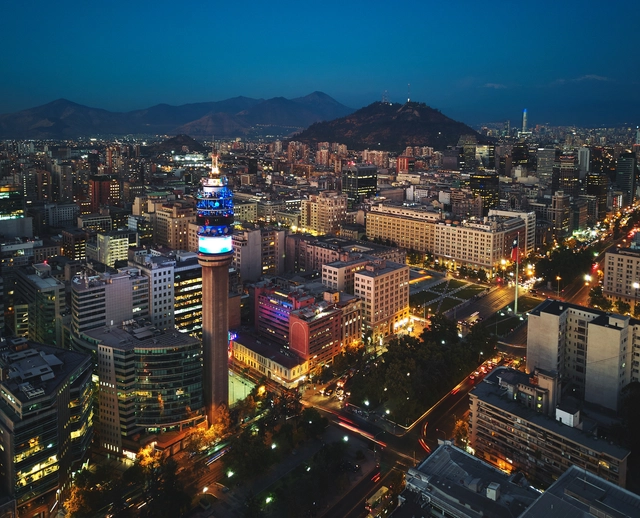
As Line 3 of the Santiago Metro begins its trial run on its way to becoming the Chilean capital's sixth line, other cities are starting studies to install cable cars and improve train frequencies. Meanwhile, biodiversity is celebrating great news. This and more in this edition of La ciudad chilena en la prensa, the ArchDaily section where we bring you updates on Chile's major cities.
As part of Semana UTEM 2018 in Chile, the **Infraestructuras en Obsolescencia** (Obsolete Infrastructures - WIO) workshop brought together 21 teams from the Faculty of Architecture at the Universidad Tecnológica Metropolitana (UTEM). These teams developed design proposals to intervene in seven obsolete structures in Santiago, ranging from a currently closed pedestrian bridge to a dilapidated train station.
Featuring international guests Luis Tombé (Colectivo720, Colombia) and Walter Leone (Leone Arquitectura, Venezuela) —who also participated in the CONTRAPOSICIONES lecture series and delivered keynote addresses at the Colegio de Arquitectos de Chile—, each team comprised seven students from different years of the architecture program, guided by two faculty advisors.
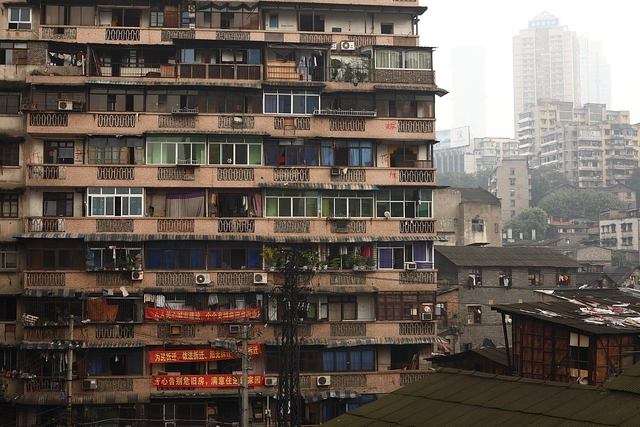
Last November, the Comptroller General of Chile ordered the halt of construction of the so-called vertical ghettos in the municipality of Estación Central (Santiago). In response, on Friday, December 14, a group of real estate developers filed a series of injunctions against the resolution, while the Chilean Chamber of Construction raised concerns regarding the suspension of projects, as reported by the Chilean newspaper El Mercurio.
At the same time, the Colegio de Arquitectos de Chile (Chilean Association of Architects), the Association of Architectural Offices (AOA), the Association of Works Directors and Municipal Works Department Professionals of Chile, the Association of Independent Reviewing Architects of Chile, and the National Association of Independent Reviewers issued a document obtained by El Mercurio. In it, they claim they "have seen [their] right to practice their profession with confidence affected [...] due to the legal uncertainty currently facing our field."
A City Made of Rooms - OM Ungers. Image Cortesía de Workshop y simposio internacional “De la Villa a la Célula”
The international workshop and symposium “From the Villa to the Cell,” held at the School of Architecture of the Pontificia Universidad Católica de Chile between April 2 and 20, focused on social and collective housing, understood not only as vital to the city, but as an eminently architectural problem. The workshop featured local tutors Alejandra Celedón, Álvaro Arancibia, Tatiana Carbonell, and José Manuel Monge, alongside international guests Sam Jacoby (AA/RCA, London), Francesco Marullo (UIC, Chicago), and Max Kahlen (AA, London).
As the organizing team explains, "we questioned the definition of the word 'villa,' which has been used to designate very different kinds of architecture: from the 'Palladian villa' to the villa as a housing development, and the villa as a collective project; the workshop will build its own definition. Through the idea of the “cell,” the project sought to challenge the concept of “minimum housing,” viewing it no longer individually or as an isolated architectural object, but through the ideas of Karel Teige, who as early as 1932 proposed understanding this problem not as a scaled-down version of the dominant minimum-housing typology, but as a spatial transition toward a collective mode of habitation."
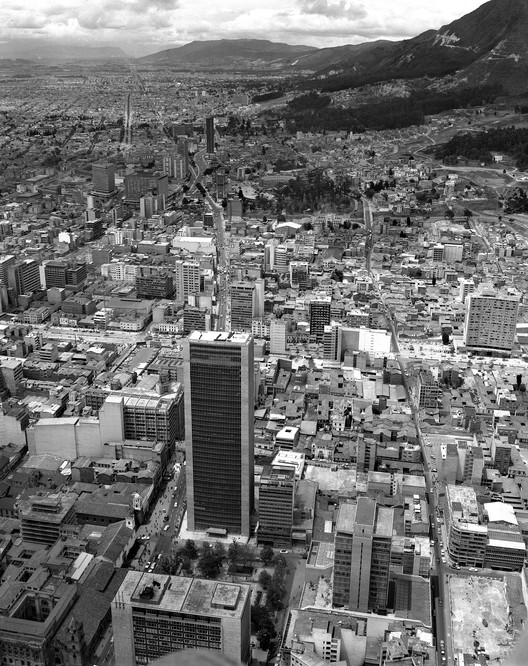
Driven by a shared interest in cities, architecture, and photography, the FORM+ research group at the Universitat Politècnica de Catalunya (UPC) and ArchDaily en Español established an editorial partnership in 2018 to showcase the research of FORM+, following the recent publication and exhibition Bogotá en la mirada de 10 fotógrafosheld in the Colombian capital.
Through this collaboration, our Spanish-speaking readers discovered the work of pioneers of urban and architectural photography, drawing on research by curators María Pía Fontana (UdG), Miguel Mayorga (UPC), and Margarita Roa (USB, Cali), all members of the FORM+ group. "Photography is a form of intellectual and sensory mediation with the world, expanding our perceptual experience and renewing our visual sensitivity: an instrument to learn how to look, a resource for the creative imagination, and a means to recognize space and the built environment," the curators explained.
With the aim of "reducing response times and streamlining the processing of certificates, permits, and final approvals," Chile will launch a digital platform called DOM en Línea, as reported by the newspaper La Tercera.
Currently, every municipality, regardless of size, has a Municipal Works Department (DOM). This department is responsible for ensuring compliance with local urban planning and construction regulations. Consequently, the DOM is tasked with authorizing new construction projects through an in-person, paper-based process; therefore, the DOM en Línea platform will allow these procedures to be completed online.
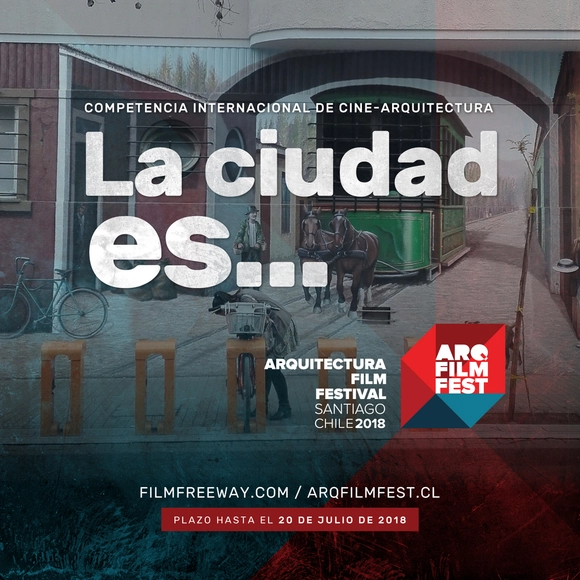
The call for entries for the international film competition on architecture, the city, and urban life—"The city is..."—organized by the Santiago Architecture Film Festival (ArqFilmFest), closed successfully with the submission of 1,518 audiovisual productions from around the world.
According to the organizers, they received more than 100 films from the United States (183), Iran (166), and India (160), and over 50 from Turkey (79), the United Kingdom (74), Italy (60), Brazil (58), and France (50), among many other countries across all continents.
At the end of last November, we published the winners of the second call for graduation thesis projects in Colombia, which received 70 proposals from 14 cities and 29 universities. Ultimately, nine projects cleared all three evaluation stages, standing out for addressing pressing issues, presenting rigorous research, and proposing challenges for both urban and rural contexts, much like in 2016.
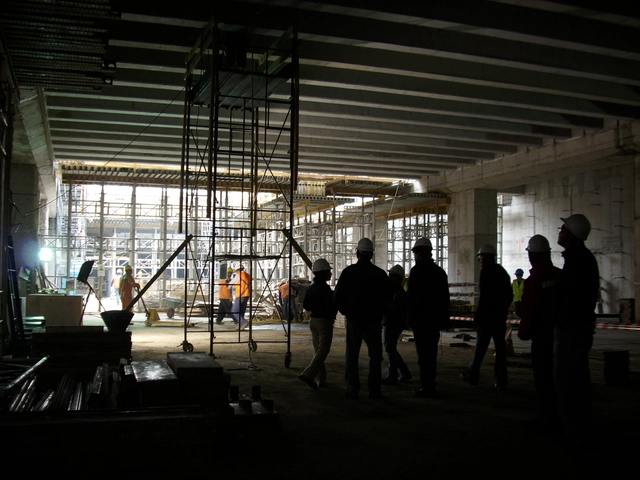
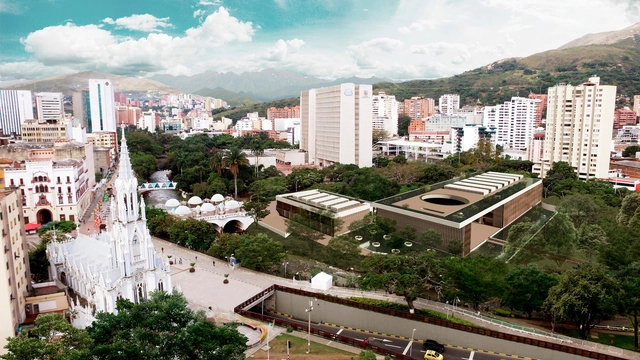
Here, we take an in-depth look at the Paseo Bolívar Cultural Integration Center, a proposal developed by Ángela Puerta Gaviria and Carolina Delgado Quintero, both graduates of the Universidad del Valle in Cali.
Public attention turned to the protests in Puchuncaví and Quintero, municipalities designated as a "sacrifice zone" due to the presence of 15 major energy, chemical, and fuel companies, while Santiago works on the opening of a new green lung in the city center. This week is dedicated to the environment in this edition of La ciudad chilena en la prensa, the ArchDaily section where we cover what is happening in Chilean cities.
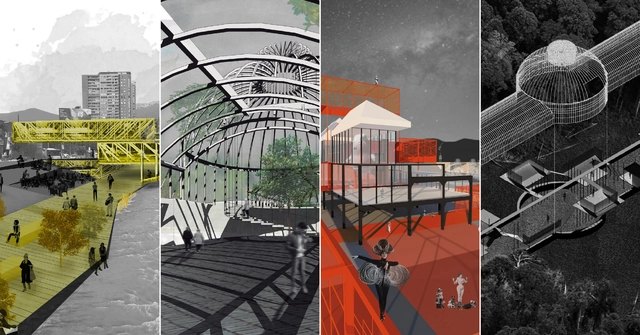
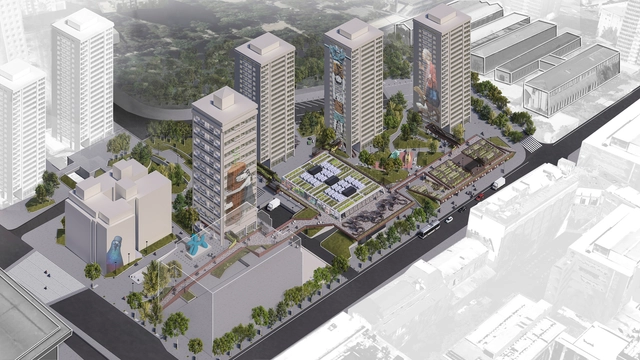
The Ensamble San Borja proposal was awarded second place in the Pasarelas San Borja competition in Chile. The main objective of the competition was to recognize "the best urban design ideas that help define intervention criteria and generate proposals for the San Borja Neighborhood."
According to the authors, the second-place winning proposal aims to create "a living space that mutates according to needs and adapts to demands."



_-Homenaje_a_la_poesia_-f01.jpg?1534629437&format=webp&width=640&height=580)