Buenos Aires is a city shaped by successive layers of architectural, cultural, and urban transformations. Its built environment reflects a complex history of migration, economic development, political change, and cultural exchange, resulting in a remarkably diverse architectural landscape. From historic institutional buildings and European-inspired residential architecture to modernist landmarks, industrial heritage, and contemporary public spaces, the city offers countless opportunities to explore the relationship between architecture and urban life.
From September 30 to October 7, Madrid will be the featured capital of the 16th Architecture Week 2019, organized by the Official Association of Architects of Madrid (COAM) through the COAM Architecture Foundation.
After reading and compiling all the submissions received—from construction professionals and students to architecture enthusiasts—it is now time to present the key perspectives. Thank you very much for sharing your opinions!
The Helium Pavilion —GA estudio— notonly demonstrates a design and construction exploration of temporary installations, but also highlights the compelling capabilities of inflatable architecture: lightweight, easy to assemble, flexible, economical, and nomadic.
It is time to say goodbye to 2018 and look back at everything we have achieved. What captured our interest? What surprised us? What made an impact?
After presenting the best architecture of 2018, we decided to round up and highlight some of the Argentine projects that generated the most engagement on our social networks. Goodbye 2018, hello 2019.
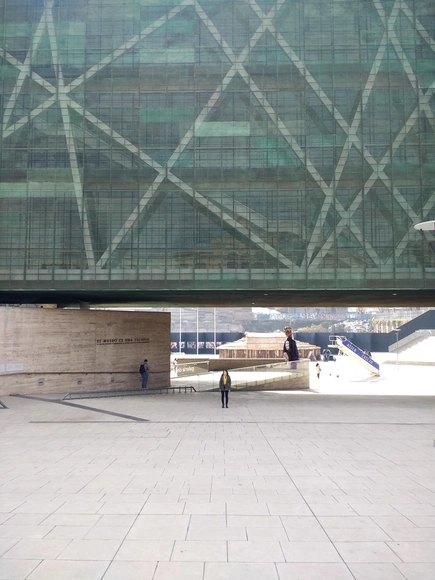
Museum of Memory and Human Rights / Mario Figueroa, Lucas Fehr, and Carlos Dias. Image
After visiting numerous sites that have been the setting for tragic crimes against humanity and violent conflicts, one can make a simple observation: the space of collective memory is not solely confined to a memorial building that commemorates through names and stories. Particularly in Latin America, it is also a place evoked through gatherings and public demands.
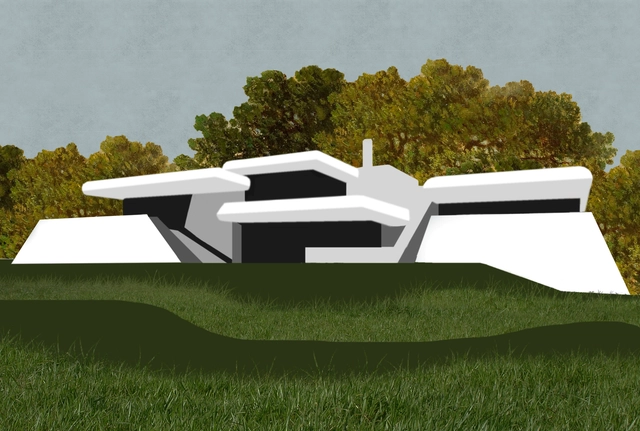
Overlooking the Río de la Plata, in the quiet of Laguna del Diario, amidst trees and a vast sky, lies Casa Poseidón, an example of modern Uruguayan architecture designed by Samuel Flores Flores in 1978. Unsurprisingly—as private interests and a lack of awareness have made demolition a recurring theme—its quiet existence is being disrupted to make way for yet another casualty of the real estate market.
The announcement of its demolition, justified by the construction of a building complex, has sparked well-founded criticism from the community seeking to protect the country's tangible architectural heritage. What are your thoughts on this?
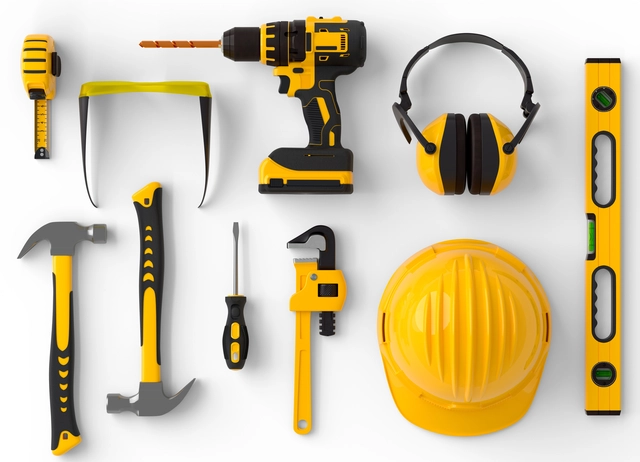
Construction is complex. Anyone who has been on a construction site understands this. It is not just about having the right attitude and knowing how to lead a team of skilled craftspeople, masons, and specialists, but also about providing—or at least understanding—the right tools for them to perform each task in the best possible way.
While the construction knowledge gained during your university studies might be minimal until you have a few projects under your belt, learning to recognize the tools available on the market will not only help you save costs, but also speed up construction and reduce physical effort—delivering significant advantages.
Here, we present an overview of the different equipment, tools, and machinery most commonly used in architectural construction.
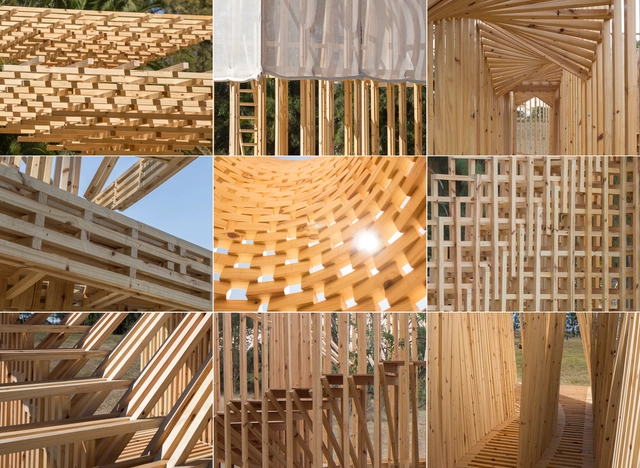
In early March, students, architects, and designers from Argentina gathered to bring their ideas to life in the second edition of Hello WoodArgentina, an international experience brought by local partners TACADI and MANDARiNA.
For this edition, the chosen theme for 2018 was "CON-TEXT"—a context we consciously build, where balance is achieved through the interaction of each of its parts, and what each part contributes is unique.
Discover the projects built in this edition below.
"To create strong, modern pieces influenced by one's own heritage" is how industrial designer Emiliana Gonzalez and conceptual artist Jessie Young introduce their multidisciplinary studio, Persona.
Originally from Montevideo, Uruguay—though currently based in Los Angeles, CA—their focus centers on furniture design, with a material production distinguished by its austerity and continuity.
The third edition of Hello Wood Argentina is approaching—the renowned timber architecture and design festival that aims to teach thinking with your hands and learning through experience.
From March 2 to 10, 2019, 10 selected projects will be built around this edition's theme: a space of containment, a space of CON-TENSION.
Discover the projects selected for Hello WoodArgentina 2019, described in the words of their creators, below.
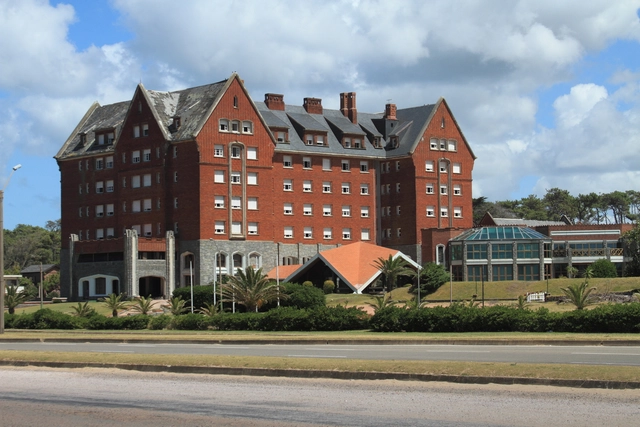
San Rafael Hotel Building, a symbol of Punta del Este. Image via Flickr user: Gabriel Millos Licensed under CC BY-SA 2.0
Media and social networks are abuzz. This time, the controversy centers on a proposal by architect Rafael Viñoly to build a three-building complex—including a skyscraper rising well over 250 meters tall—on the site of the former San Rafael Hotel in Punta del Este, Uruguay.
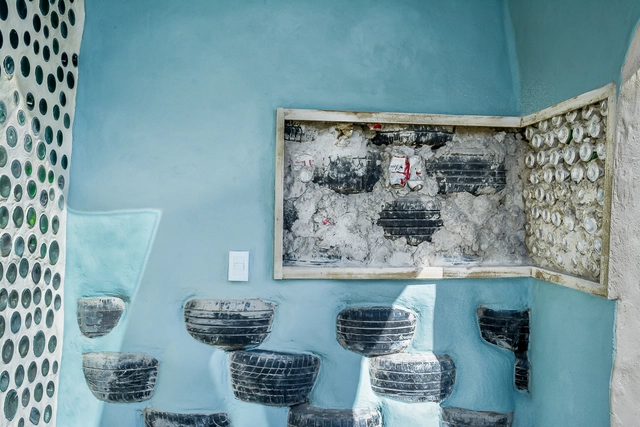
On April 19, Argentina's first sustainable public school was officially inaugurated in the town of Mar Chiquita.
The project was realized under the Una Escuela Sustentable program, an initiative by the Uruguayan organization Tagma that aims to build a symbolic regional network—with a sustainable public school in every Latin American country—in partnership with Garbage WarriorMichael Reynolds and his team at Earthship Biotecture.
Below, the organizers outline the seven core principles and the construction process of this project.
PERSA SANTA ROSA / Santiago. Image Cortesía de OH! Stgo 2018
Between September 8 and 9, the annual Open House architecture festival—which began in London and is now held in more than 40 cities worldwide—will host its second edition in Santiago, Chile.
Aimed at anyone interested in exploring the city's architecture and urban design under the slogan "TENGO GANAS DE CONOCER SANTIAGO" (I Want to Get to Know Santiago), this free, weekend-long open-door festival offers access to spaces normally closed to the public or hidden within the city, showcasing their outstanding architectural, engineering, environmental, urban, social, and cultural value.
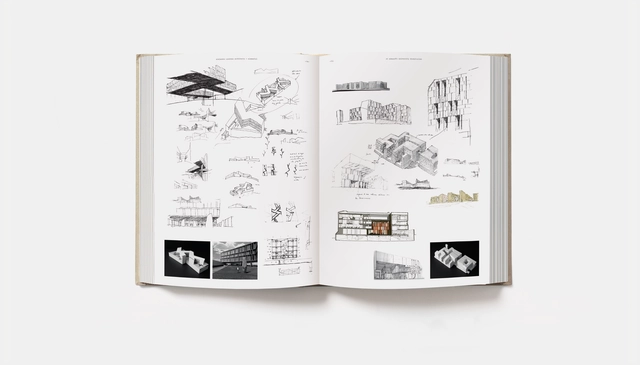
A historical platform available online offers a look at the last one hundred years of architectural competitions in Uruguay, exploring the shape of the city its society set out to imagine.
100 Years of Architecture Competitions in Uruguay is a project created by authors Virginia Delgado, Francisco Magnone, and Marcelo Staricco (architects and design instructors, DEAPA - FADU, UdelaR) along with research advisor Mag. Arch. Diego Capandeguy.
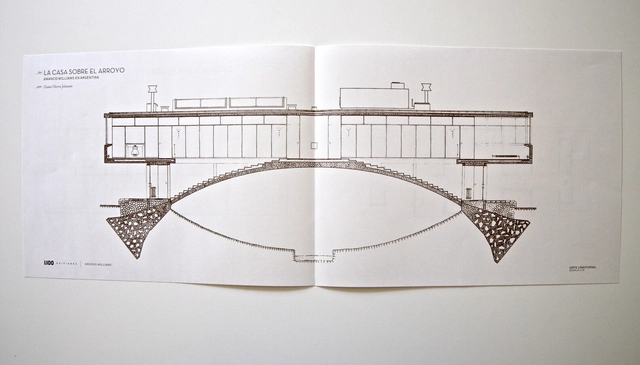
‘The smell of smoke mingled in the air, like poison,’ these captivating opening words already foreshadow a tragic end. The result of an unusual sequence of events, they demonstrate that the threads of fortunate—and unfortunate—circumstances are far more complex to weave and comprehend than a casual observer might think. The chain of stories sequenced by Daniel Merro Johnston in Casa sobre el Arroyo by Amancio Williams —published by Ediciones 1:100— does not merely outline a process and its parallel events; it highlights the singularity of the construction itself, serving as a testament to the complexity, the timelines, and the unforeseen circumstances involved in creating a ‘good’ work of architecture.
'Monumento: Humanity Behind the Concrete' is a documentary by Fernando Díaz on the construction of the National Holocaust Memorial in Buenos Aires, designed by architects Gustavo Nielsen and Sebastián Marsiglia.
The film establishes a dialogue between Holocaust survivors living in Buenos Aires and the construction of the monument, addressing the need to keep humanity's memory alive.