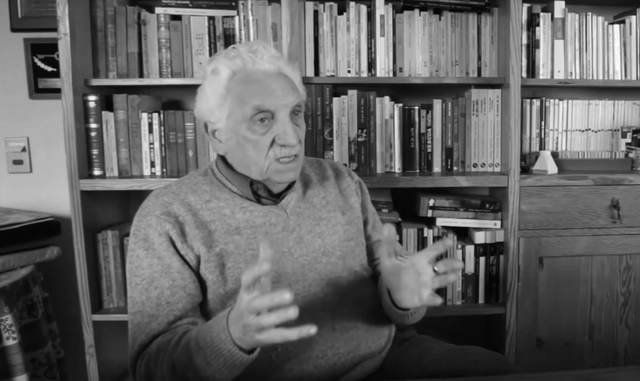
In his book "Tracing the Horizon," Alfonso Arango González explores the line that defines the space above and below. He examines how five contemporary architects conceive and represent this line in their work, while also compiling the cosmogonic narratives of five distinct cultures regarding the sky and the earth, and their translation into built space. Read a review of the book in the author's own words below.
Recognizing outstanding heritage practices, the fourth edition of the European Award for Architectural Heritage Intervention AADIPA has announced 15 shortlisted works in Category A (Intervention in built heritage) and 10 in Category B (Exterior spaces).
On June 13, during the 4th International Biennial of Architectural Heritage Intervention—an event organized by the directors with the support of COAC, AADIPA, and the Generalitat de Catalunya—the finalists and winners of each award category will be announced.
Videos
Screenshot from Drone: así pasan los camiones por el recién inaugurado Paseo del Bajo. Image via Gobierno de Ciudad Autónoma de Buenos Aires Licensed under CC BY 2.5 AR
On Monday, the Paseo del Bajo was officially inaugurated: one of the most highly anticipated—and expensive—infrastructure projects in Buenos Aires in recent years.
The event has launched an open call for collectives, students, activists, organized citizens, and private or public institutions to participate by sharing their initiatives and projects on one of the region's most significant stages for urban interventions and public space.
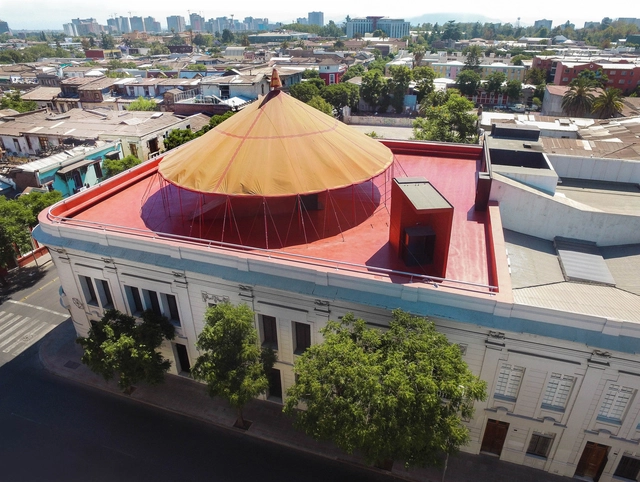
Tomorrow, Chile celebrates Cultural Heritage Day, marking two decades since its inaugural edition. This year, a wide range of buildings will open to the public, featuring free tours and activities on Saturday, May 25, and Sunday, May 26.
Below, we highlight 10 unique initiatives that promise a distinct experience.
Argentina was selected by vote at the General Assembly of the Bureau International des Expositions to host Expo 2023. For the first time on Latin American soil, the event focuses on creative industries as a synthesis of science, art, and technology to drive economic growth, increase employment, foster intelligence, improve quality of life, and generate sustainable development.
With a three-month duration, the event expects an estimated nine million visitors. In this context, the design of the habitat is not merely a requirement but a central component of the event's theme. Consequently, six international ideas competitions will be launched to solicit proposals for the construction of the Expo 2023 site, which will subsequently serve as a legacy: a major metropolitan park for science and knowledge, and a campus for creative industries.
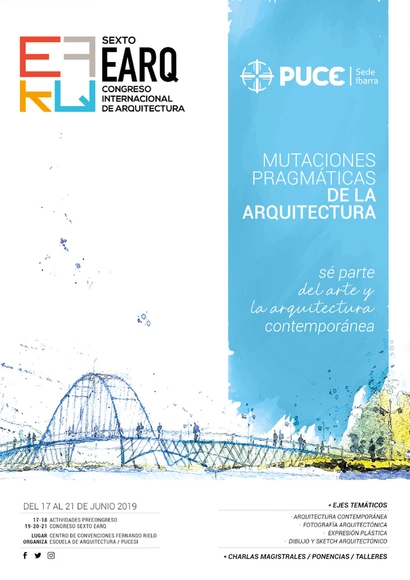
The Pontificia Universidad Católica del Ecuador Sede Ibarra invites you to participate in the sixth edition of the Academic Event of the School of Architecture (EARQ), featuring the international congress "Pragmatic Mutations of Architecture," which will take place at the university campus from June 17 to 21.
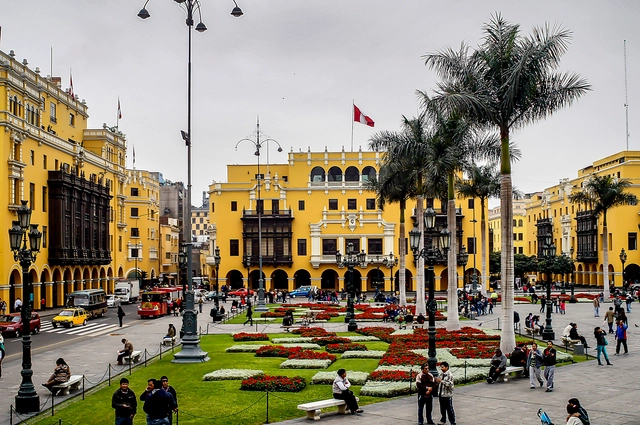
Ahead of the Bicentennial of Peru's Independence, the Ministry of Culture, the Municipality of Lima, and Grupo Centenario launched an international architecture and landscaping competition for the design of a metropolitan park surrounding the Pachacamac Sanctuary in Lima. The call sought ideas to create a new public space featuring cultural programming and public services, aimed at protecting the sanctuary and connecting it more closely to surrounding communities. The brief proposed a circuit connecting the area's most important cultural projects: the National Museum, the Pachacamac Sanctuary Site Museum, and the Urpi Wachaq wetland restoration initiative. Discover all the winning projects below.
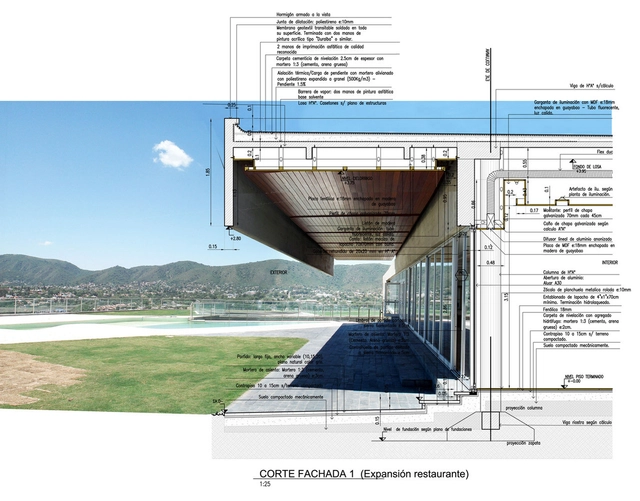
The visual presentation of a project, which architects are responsible for, must effectively communicate and analyze the organization of the project's material elements. This essential creative process allows those involved to effectively identify and even modify key aspects and components of the building during all phases of its conception.
Because of the inherent challenges of material selection and other practical issues, the development of what exactly will be built tends to be relegated to the end of the design process. But a true understanding of minor yet invaluable details is among the most interesting and important aspects of the best architectural projects.
In our search for the most outstanding recent examples of construction detail representations, we've collected a series of ten drawings that celebrate different styles and approaches.
*Editor's note: the following article was written by an editor of ArchDaily in Spanish. Some project descriptions mentioned have not yet been translated into English, but we are actively working to make this information available to our global readers.
Two decades since its inception, the Cultural Heritage Day in Chile has established itself as a widely attended event dedicated to both celebrating and reflecting on our shared heritage. This year, the event will feature a variety of free activities held on Saturday, May 25, and Sunday, May 26.
Last month, the National Board of the Association of Architects of Chile announced Miguel Lawner as the winner of the 2019 National Architecture Award, the highest honor an architect can receive in that country. The following interview, conducted in 2015, not only delves into the details of his life story, but also reflects several of his thoughts on the political sphere.
Exhibited in a parallel exhibition at the 2018 Venice Biennale, the Tropi-Co-Re Housing project by SUMA Arquitectos reflects on the intersection of urban and architectural design within the low-income residential context of an equatorial/tropical climate, investigating alternative material systems for its construction, such as bamboo truss structures and folded metal plate roofs.
Read on to explore the project in detail, in the words of its designers.
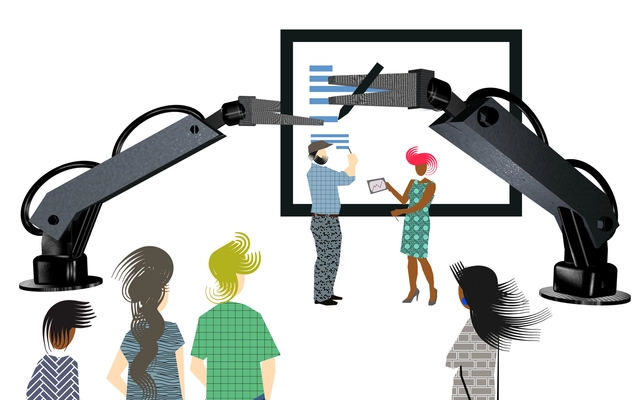
"Domestic Workspaces" by Silvia Garcia Camps brings together 46 international architecture offices through collage, revealing the intimate, domestic, and shared qualities of workspaces through the everyday objects within them. Explore a selection of these illustrations, along with her thoughts, below.