To showcase the valuable output of various Argentine universities, we held our open call for the fourth consecutive year, inviting our Argentine readers to submit their graduation projects.
Architect and Project - Team Lead at ArchDaily Instagram: @ fabe.de
To showcase the valuable output of various Argentine universities, we held our open call for the fourth consecutive year, inviting our Argentine readers to submit their graduation projects.
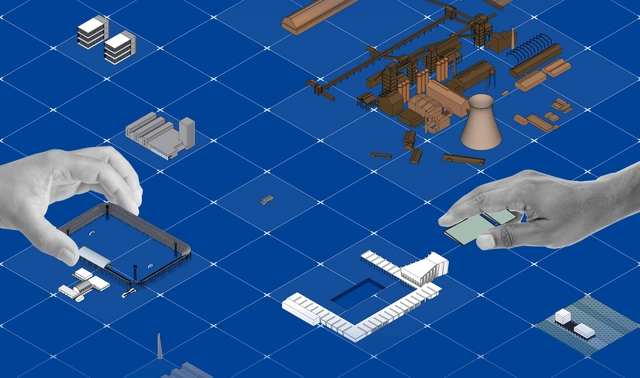
Climate Care – A Curriculum for Urban Practice was a 10-day public program curated by Gilly Karjevsky and Rosario Talevi for the Floating University in Berlin. Climate Care explored the correlations between the environment, urban practices, and education, constructively addressing not only environmental climate challenges but also scrutinizing the complex social, political, and economic climates that surround us today.

The architectural output from Argentine universities is vast and valuable. Consequently, we are once again issuing a call for submissions to showcase the best final degree projects produced by these institutions.
Academic proposals can serve as genuine intellectual and critical works. Our goal with this call is to ensure these projects do not remain hidden, gathering dust on shelves, and losing the opportunity to spark real change in our cities and in how we inhabit and perceive our world.
ArchDaily has created a list of best articles, news and projects that address everything you need to know about glass.

Curated by Ethel Baraona Pohl with the collaboration of César Reyes, the exhibition "Twelve Urban Fables" will be on view from February 13 to July 19, 2020, at Matadero Madrid, proposing new narratives for how we talk about the city.

Flores & Prats, in collaboration with Ouest Architecture, have won first place in the competition to renovate the Ancien Théâtre des Variétés in Brussels, Belgium. The project addresses the transformation of the former theater into an international laboratory for artistic creation, conceived as an open and inclusive public space.

I met with Juan Alberto Andrade and Cuqui Rodríguez from the JAG Studio in Ecuador during their conference for the sixth edition of EARQ (PUCE-SI). The young couple dedicate themselves to documenting and writing about Ecuadorian architecture. By covering the now famous works of Al Borde, Daniel Moreno Flores, Natura Futura, Rama Estudio, among others, the couple have become the unofficial emissaries of their country.
We sat down with the couple for World Photography Day where they shared, not only their start in and work in photography, but the role of photography in contemporary architecture.
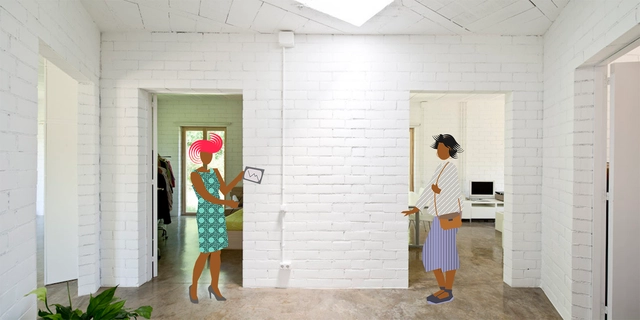
Have you ever had to convince your friends or family that an exposed brick wall can be more interesting than a plastered surface painted white? Or that exposed building systems can offer major advantages when it comes to maintenance? These are recurring scenarios in the professional lives of architects and design firms.
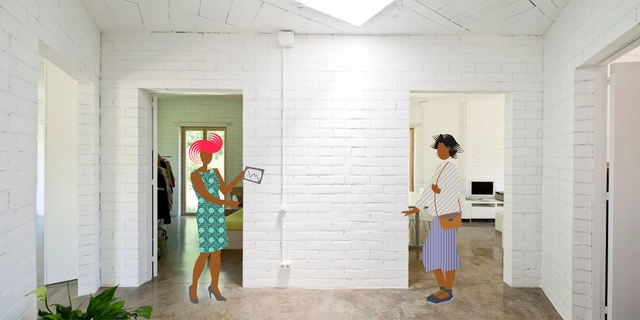
Have you ever had to convince your friends or family that an exposed brick wall can be more appealing than a plastered, white-painted one? Or that exposed building systems can offer significant advantages when it comes to maintenance? Do we connect better with a smooth backdrop for hanging art than with the textures of exposed materials?
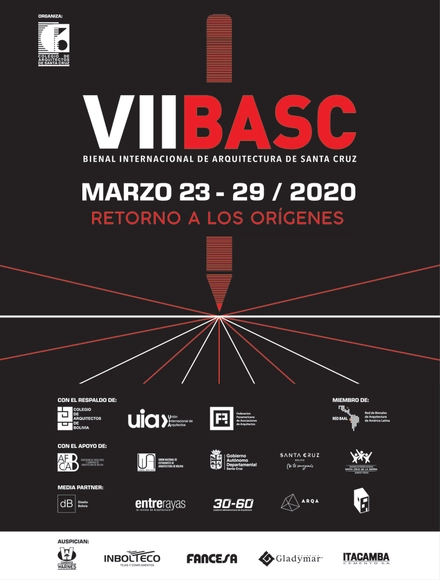
The Santa Cruz College of Architects (CASCZ) has presented the seventh edition of the Santa Cruz International Architecture Biennial, which will take place from March 23 to 29, concurrently with the International Architecture, Construction, and Design Fair (FICAD). This year's theme is "Return to the Origins"—a theoretical framework to reconsider architecture, cities, and our responsibility in the 21st century to reflect on memory and the environment.
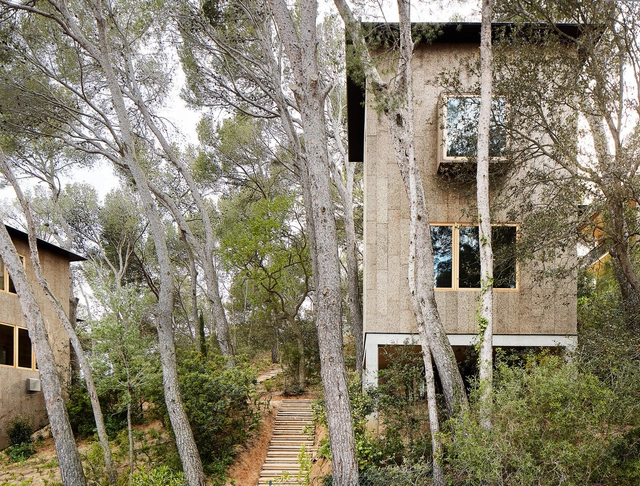
Is wood the future of construction?
The history etched into Spain's wooden houses has many lessons to teach us about the role of wood in creating everything from light-weight and mobile modular homes to interior and exterior finishes. What's more, these lessons are not limited to new constructions. They apply to everything from furniture to remodels.
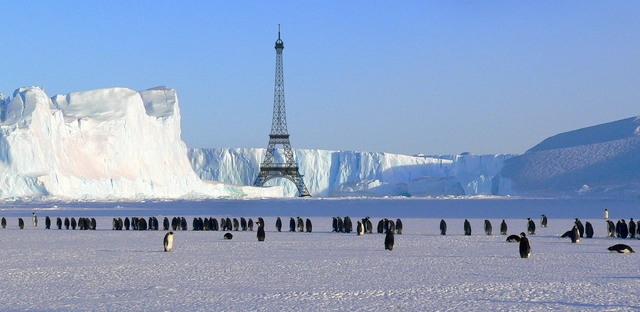
Have you ever had to alter an original design due to construction difficulties or budget overruns, yet never because it negatively impacted the environment?
That is why we want to give our readers the opportunity to openly express their views on this matter. If we were fully aware of the environmental costs of materials today, or their potential future consequences, or the real, global challenges that arise during construction, would it change the way we select and create our designs? Would it be easier for us to advocate for our projects to others and fellow professionals?

ArchDaily has created a list of best articles, news and projects that address everything you need to know about brick.
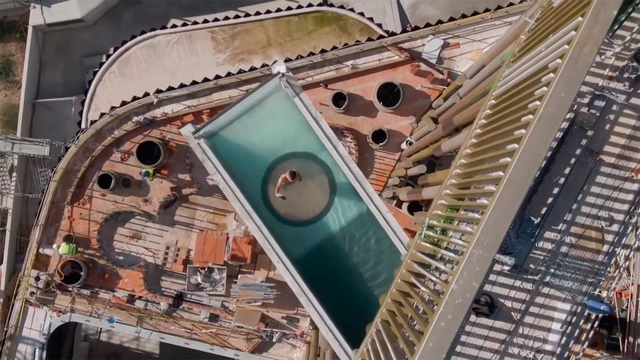
Clavel Arquitectos is behind the design and construction of Odiseo, a building designed to function as an urban oasis and leisure center in Murcia, Spain. The most striking feature from the exterior is what will be Europe's largest cantilevered pool—and the second largest in the world.

Rarely do we encounter an open-air fine arts museum like the Garden of Fine Arts, designed by Tadao Ando in 1994 for the city of Kyoto, Japan. Reproductions at various scales of renowned masterpieces appear among concrete columns, beams, and walls, along with ramps and glass bridges, interacting with cascading waterfalls and the background vegetation from the adjacent Botanical Gardens.
Pancho Gallardo, the Chilean architectural photographer now based in Madrid, has long admired the Japanese architect's work, particularly for, as he explains, "the use of concrete as an element that creates spaces, textures, angles, and shadows which, above all, in spaces like this open-air museum, establish a direct relationship with sunlight, where every corner becomes a dramatic composition of visual angles."
Below, he shares a series of photographs taken on-site, accompanied by more of his thoughts.

The 6th edition of the International Congress on Architecture and Society, titled "La Ciudad que queremos, The city we want," will be held at the Baluarte venue in Pamplona from June 10 to 12, 2020.
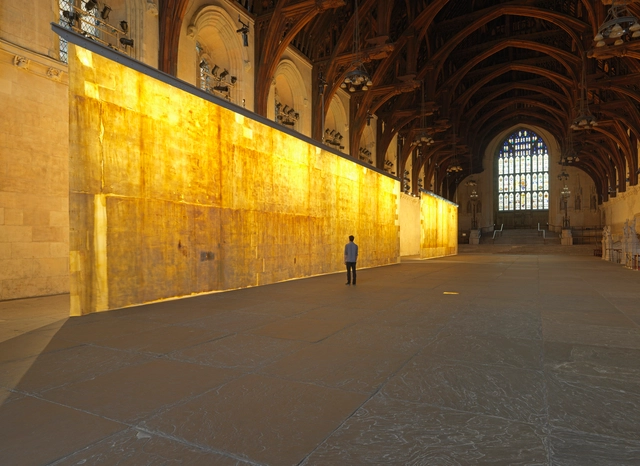
"I am interested in how we transition as people from one phase of life to another, and as cultures from one historical period to another. Transitions are often difficult, maybe even frightening." With this introduction, we can expect the work of artist-architect Jorge Otero-Pailos to offer a different perspective, particularly in how we understand the passage of time in architecture throughout history.
Below, he shares photographs of his series "The Ethics of Dust," which highlights the cleaning of dust and pollution residue from renowned historical buildings and monuments—making the invisible visible.
8206_Photo_·_Javier_de_Paz_Garcia-2.jpg?1581686810&format=webp&width=640&height=580)
Are artists connected to the territory and the community?
Todo por la Praxis presents their project Monumento Residencia, an active research initiative addressing the space of artistic residencies and the resident's engagement with their context.