Fabian Dejtiar

Architect and Project - Team Lead at ArchDaily Instagram: @ fabe.de

BROWSE ALL FROM THIS AUTHOR HERE

The best thesis projects in Uruguay 2020, submit yours!

Academic architectural production in Uruguay is vast and valuable; therefore, we believe it is necessary to launch an open call to showcase the best final degree projects that have emerged from it.

Academic proposals can be true intellectual and critical works. The goal of this open call is to ensure they do not remain stored away, gathering dust on shelves, losing their opportunity to generate real change in our cities and in the way we inhabit and think.

If you believe your 2019 final degree project is compelling enough to be published on our site and that your hard work deserves recognition from the wider community, do not hesitate to submit it using the form at the end of this article.

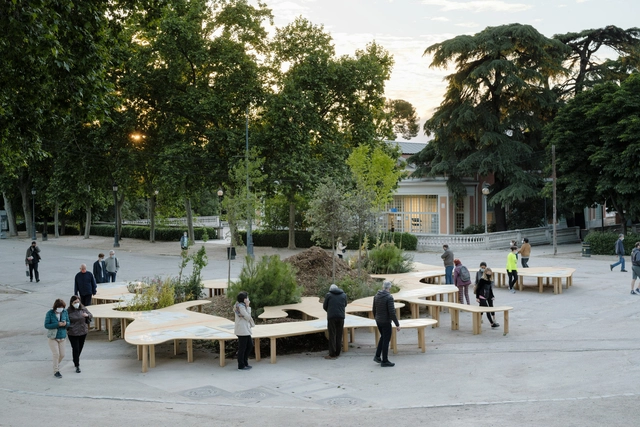
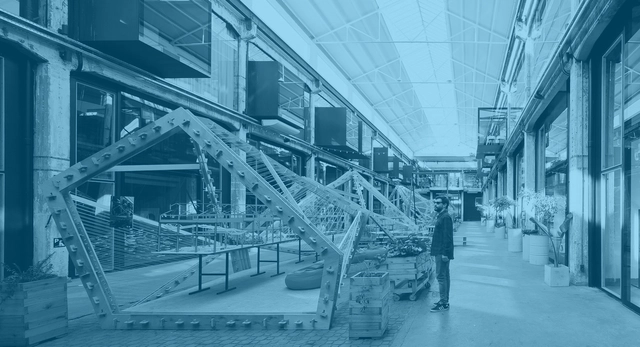
Twelve Urban Fables, exhibition at Matadero Madrid

Curated by Ethel Baraona Pohl with the collaboration of César Reyes, the exhibition "Twelve Urban Fables" will be on view from February 13 to July 19, 2020, at Matadero Madrid, proposing new narratives for how we talk about the city.

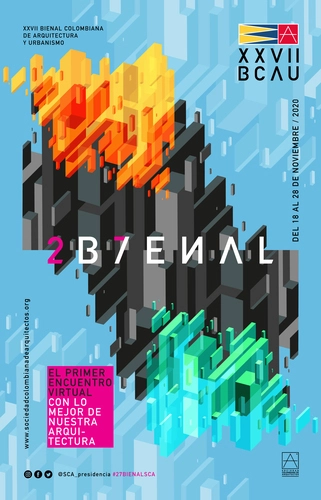
XXVII Colombian Biennial of Architecture and Urbanism 2020

The academic program for the 27th edition of our Biennial will be held virtually from November 18 to 28, 2020. This year’s theme is: Architects committed to innovation and entrepreneurship.

The 10 Best Projects Designed by Architecture Students in Latin America and Spain 2023

Subscriber Access | 

To showcase the outstanding work coming out of Latin American and Spanish universities, at the beginning of this year we launched an open call inviting architecture students to submit their final graduation projects completed in 2022. After thoroughly evaluating the 157 submissions received, our editorial team shortlisted 30 projects and ultimately selected 10 that demonstrate deep critical thinking in addressing their proposed challenges.

Mauro Gil-Fournier on Affective Architectures: "An ecosystem for others to design"

Subscriber Access | 

Mauro Gil-Fournier is a PhD architect, researcher, and professor who, after a 15-year career, decided to found Arquitecturas Afectivas: "a community that creates architecture with pleasure, cultivating the affects of people, other beings, and living things."

What is the process for creating affective architectures? Why are they important for the future of architecture? In the following conversation with Mauro, we delve deeper into this concept, which is fundamentally based on "enabling others to design from their truest expression." 

Loreto Lyon and Cristóbal Molina on the XXII Chilean Architecture Biennial: Vulnerable Habitats

Subscriber Access | 

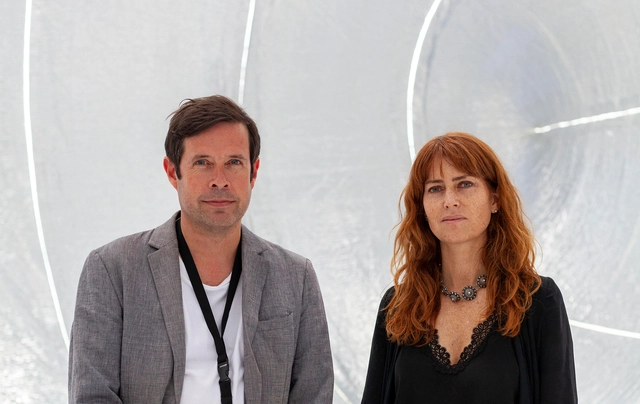
The XXII Chilean Biennial of Architecture and Urbanism is co-directed by Cristóbal Molina, coordinator of the Architecture Area of the Ministry of Cultures, Arts, and Heritage, and Loreto Lyon, director of activities of the Colegio de Arquitectos de Chile. The outcome of this joint alliance between both institutions has successfully driven this cultural event, which took over the public space around the Palacio de La Moneda to foster debate and community around the theme: "Vulnerable Habitats."

During the event, which closes on the evening of Sunday, January 22, we spoke with Cristóbal Molina and Loreto Lyon to learn more about how the pavilions and installations engage with the central theme. Below is what you cannot miss at the XXII Chilean Biennial of Architecture and Urbanism.

Inflatable Architecture: A Look at the Temporary Structure by Smiljan Radic and Nicolás Schmidt

Subscriber Access | 

Architects Smiljan Radic and Nicolás Schmidt designed an inflatable structure for the XXII Chilean Biennial of Architecture and Urbanism. Located in the urban setting of the Palacio de La Moneda in Santiago, it served as a temporary venue for meetings, debates, and lectures that brought public discussions to the forefront regarding the event's central theme: "Vulnerable Habitats."

Open Question: How can cities transition toward a circular economy?

Subscriber Access | 

The concept of the circular economy is increasingly prominent in discussions on architecture and urbanism—especially as cities are home to around 55% of the world's population and continue to grow. The goal of circularity is to reduce the environmental impact of current production and consumption models through the efficient use of material resources and waste reduction. But how can this idea actually be implemented in cities?

How to build without water?

Subscriber Access | 

How can we construct buildings using less water? The construction process consumes a vast amount of water resources, and it is time to consider how to reduce this environmental impact.

How to incorporate new technologies into the design process?

Subscriber Access | 

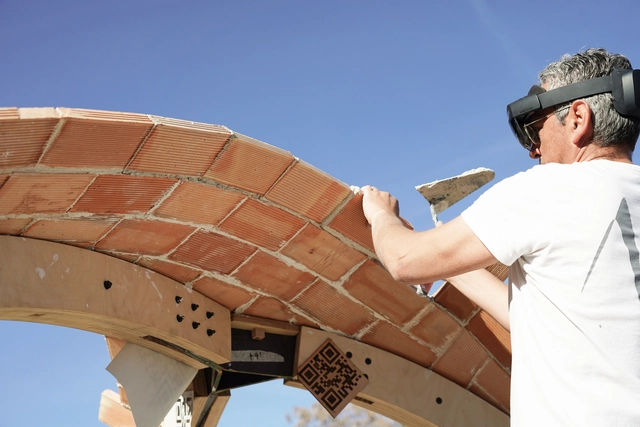
Although the architecture and construction industry has advanced in recent years into new areas such as artificial intelligence (AI), parametric modeling, virtual reality (VR), and other cutting-edge tools, their integration and systematization within the design process remains slow. In an increasingly connected and constantly evolving world, digital tools and emerging technologies are revolutionizing how architects design and build, rewriting the rules and expanding creative horizons. Therefore, it is essential to continue discussing how these tools are being integrated and how their potential can be further unlocked within the discipline.

This July, ArchDaily is exploring the topic of the design process. Within this framework, we want to open up the discussion to hear about your experiences, learn from your successes, challenges, and mistakes—and explore together how these new tools are transforming the practice of architecture.

Open Question: What is the future of color in architecture?

Subscriber Access | 

From Le Corbusier's polychromy to the aesthetic concepts of the Bauhaus, color has played an essential role throughout architectural history. Yet, we stand on the threshold of a new era of innovation where the meaning, application, and impact of color in architecture are constantly evolving. This evolution brings new questions to the fore: Could new materials and finishes revolutionize the color palette? What possibilities does color application hold in virtual spaces? What will be the upcoming color trends in the world of interior design?

Construction Progresses on VM20, the New University of Chile Building in Santiago

Subscriber Access | 

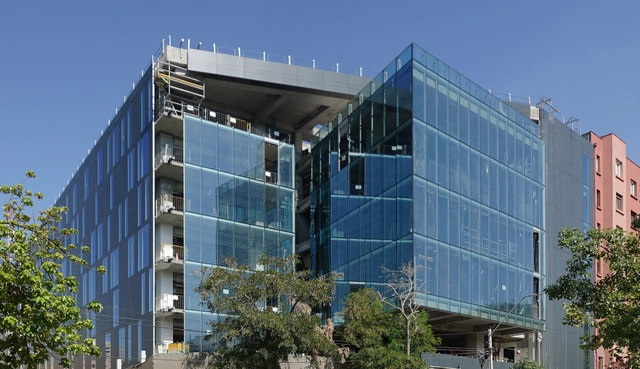
Vicuña Mackenna 20 (VM20), located steps from the Baquedano Metro station in the heart of Santiago, is a new project by the University of Chile. It aims both to become a hub for artistic and cultural outreach and to impact the public space recovery plan in the capital's central area.

Dignity Memorial Mausoleum designed by Grass+Batz Arquitectos, winning project of ESENCIALES x ArchDaily 2023

Subscriber Access | 

Designed by the architects of Grass+Batz, the Dignity Memorial Mausoleum in Chile has been selected as the winning project in the architecture category of ESENCIALES x ArchDaily 2023.

Ecological Design: Green Infrastructure and Public Space in Latin America and the Caribbean

Subscriber Access | 

'Ecological Design: Strategies for the Vulnerable City' is a publication series produced by the Inter-American Development Bank (IDB) to assess the impacts of the climate crisis on the most underserved areas of our cities, while exploring initiatives to improve their spatial and environmental quality. The first volume, launched in early 2021, recognized the challenges of adapting vulnerable areas of Latin America and the Caribbean to climate change, and the second, released in late 2022, built upon this by presenting urban policies, strategies, and case studies to enhance public space through green infrastructure and nature-based solutions.

Building Without Water: A Debate on the Water Footprint (and Rainwater as a New Material)

Subscriber Access | 

Can we construct buildings using less water? Throughout June, ArchDaily opened the debate on water resources in architecture, inviting our readers to join the discussion.

Global water use data is discouraging, and the construction process accounts for a significant portion of this consumption. It was time to think about how to reduce this impact. The need to design buildings that do not require water offered a unique opportunity to explore innovative and sustainable alternatives to minimize or even completely eliminate water use in construction.

How can cities transition toward a circular economy?

Subscriber Access | 

With 55% of the world's population living in cities, the concept of circular economy is increasingly prominent in discussions on architecture and urbanism. The goal of circularity is to reduce the environmental impact of the current production and consumption model through the efficient use of material resources and waste reduction. But how can this idea actually be applied to cities?

Architecture and Ecology: On Restoring (and Creating) Wetlands

Subscriber Access | 

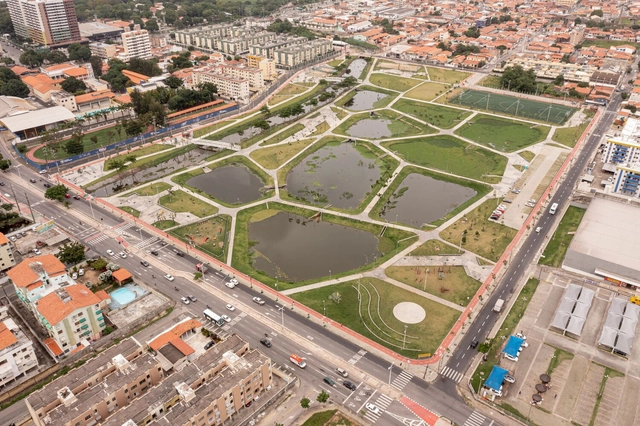
This February 2 marks another World Wetlands Day, held under the theme revitalize and restore degraded wetlands. The 2023 theme highlights that "if done correctly, these sites can offer the same benefits as the original natural wetland."

Sirena: A Tribute to Lina Bo Bardi in Chile

Subscriber Access | 

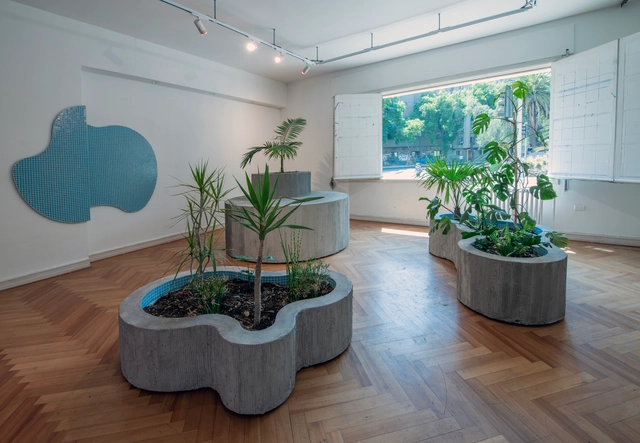
Barco gallery is located in downtown Santiago, right next to Santa Lucía Hill. It occupies an apartment in the homonymous building designed by Sergio Larraín, celebrating a pioneering work of Chilean modern architecture. It is a curatorial practice dedicated to the debate, research, and development of critical and innovative ideas concerning the discipline through exhibition cycles. Its most recent exhibitions include 1972: Cities for Downtown Santiago, You Will Only Have Stones and Additive Manufacturing Shelf.

In partnership with the Embassy of Brazil in Chile, they organized a tribute to the leading figure of Brazilian modern architecture: Lina Bo Bardi. The exhibition "Sirena" by artist Jessica Briceño, curated by Matías Allende Contador and Anton zu Knyphausen, places Bo Bardi's disciplinary work at the center of reflection through an immersive installation that brings together five pieces abstracting her most recurring motifs.