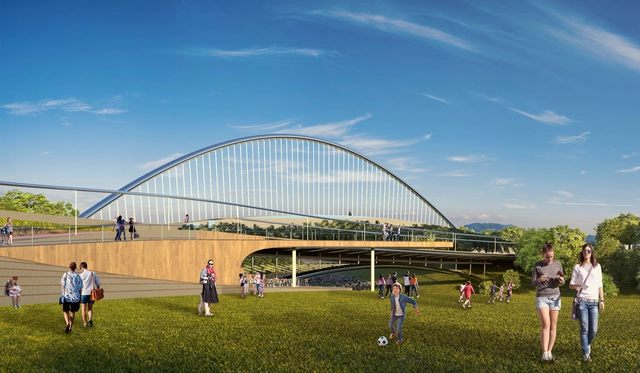
The firm EArquitetos has developed a design proposal for a bridge over the Vrbas River in Banja Luka, Bosnia and Herzegovina. The project received an honorable mention in the international competition. See the proposal below, accompanied by the project description.
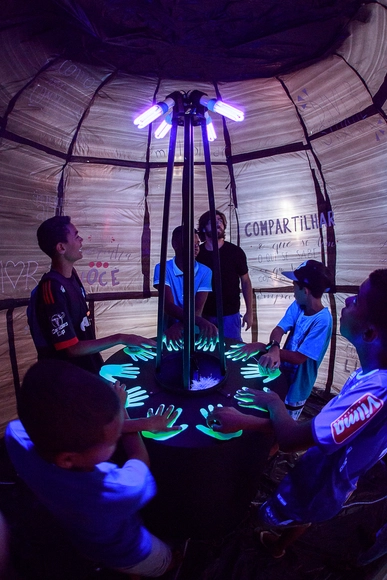
FLUTUA, instalação artística e arquitetônica, Luiza Dalvi e Rayssa Carvalho, com a colaboração de Isabela Magro, Rodrigo Pereira, Ariane Freitas e Alexandre Machado (UFU - MG). Image Cortesia de Instituto Tomie Ohtake
On January 23, 2019, during the opening of the exhibition showcasing the 20 selected projects out of 127 entries from 16 Brazilian states and the Federal District, the three winners of the 1st Instituto Tomie Ohtake Leroy Merlin Design Award and one honorable mention were announced.
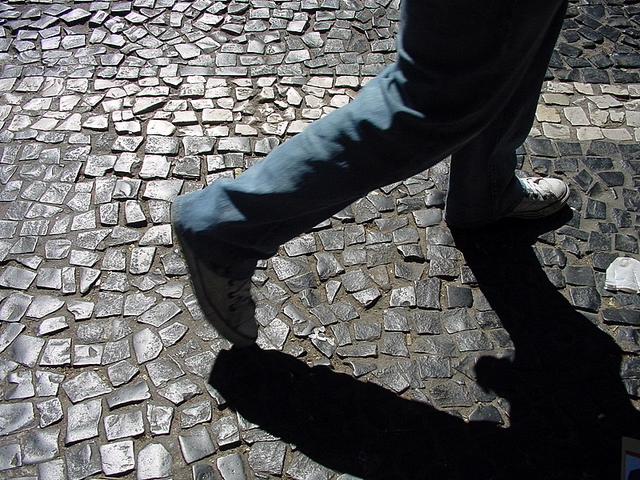
Sidewalk in São Paulo. Image: Marina Burity, via Flickr. License CC BY-SA 2.0
Walking is the simplest, most lightweight, economical, and low-impact way to travel in urban areas, especially for trips under two kilometers. More people walking means a better quality of life for residents and their cities, resulting in reduced government spending on public health. These concepts are universally accepted by urban planners and other contemporary thinkers.
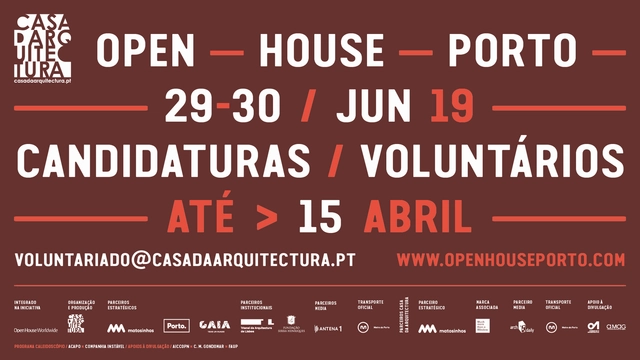
Following the massive success of the last edition, which recorded 32,000 visits, the dates for the 5th Open House Porto (OHP) have been set. On June 29 and 30, a wide range of spaces in Matosinhos, Porto, and Vila Nova de Gaia will open their doors for free, showcasing the excellence of the architectural heritage of the three cities. This itinerary features 70 spaces, 60 percent of which are new additions opening to the public for the first time. Since its first edition in 2015, OHP has welcomed nearly 100,000 visits.
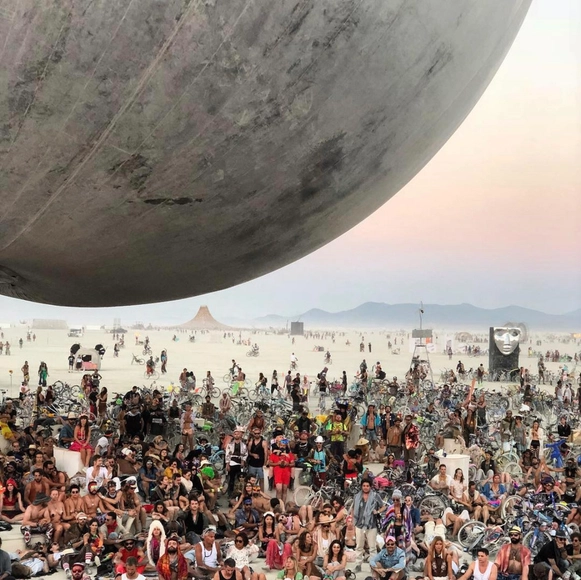
The 2018 edition of Burning Man featured a giant mirrored ball designed by Bjarke Ingels. Courtesy of Bjarke Ingels
Imagine a setting worthy of Mad Max, but filled with high-tech art installations. This is what the landscape of Burning Man looks like, the American art and counterculture festival that every year builds—and immediately afterward destroys—an entire city in the middle of the Nevada desert to host the event. Now, however, Brazil is joining the lineup, hosting its own annual edition of the festival: Tropical Burn.
The Instituto Tomie Ohtake Leroy Merlin Design Award has opened registrations for its second edition, launching with a debate on Contemporary Design. The event features Marta Porto, journalist and specialist in communication, art, and culture policies, as well as an exhibition and art project curator; Ricardo Abramovay, professor in the Department of Economics at FEA and author of "Muito Além da Economia Verde"; and Raquel Rolnik, architect, urbanist, and former National Secretary of Urban Programs at the Ministry of Cities. The discussion will be moderated by Priscyla Gomes, curator at the Instituto Tomie Ohtake.
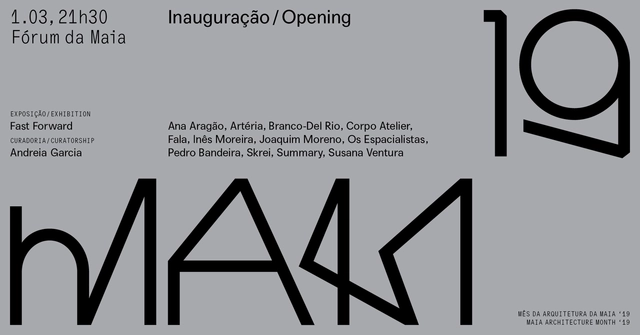
On March 1, 2019, MAM’19 - Maia Architecture Month - Fast Forward will open, curated by Portuguese architect Andreia Garcia. The event aims to envision the territory 100 years from now and will feature eight emerging architecture practices and four architecture critics. As part of a partnership between ArchDaily and MAM'19, we will publish a series of articles by guest critics in the coming days. See below for Andreia Garcia's introduction to the event.
https://www.archdaily.com/1121776/on-the-future-opening-of-maia-architecture-month-2019Pedro Vada
After graduating in 1960, Ruy Ohtake has practiced architecture for over five decades, having worked alongside other major names in Brazilian architecture, such as Vilanova Artigas and Paulo Mendes da Rocha. Until the mid-1980s, his work was characterized by projects closely aligned with what was being produced in São Paulo at the time—a highly Brutalist architecture, defined by a limited material palette and a well-defined vocabulary.
The New Urban Agenda, a document adopted in October 2016 at the United Nations Conference on Housing and Sustainable Urban Development - Habitat III, was recently launched in Portuguese by the United Nations Human Settlements Programme (UN-Habitat) office in Brazil.
Since 2017, the extraction and sale of asbestos has been banned in Brazil by the Supreme Federal Court (STF). However, this ruling did not prevent the state of Goiás from authorizing the extraction of chrysotile asbestos last Tuesday (16). The law stipulates that the extracted material must be used exclusively for export.
Throughout the entire construction process—from the conception of the architectural design to its physical realization—the job site is perhaps where most issues arise. Varying widely in nature, construction setbacks become less frequent the more time is dedicated to the design and planning stages; in other words, the more time invested off-site, the lower the likelihood of major disruptions during construction.
Bulevar e mercado. Image Cortesia de Estúdio Módulo
The City of São Paulo has begun the first phase of interventions to revitalize Largo do Arouche, a busy area in the city's central district. The project includes paving and leveling the square's promenade and installing new street furniture, including benches, bike racks, drinking fountains, bollards, and guardrails.
Energy-efficient projects are becoming increasingly relevant in the fight against climate change, especially considering that the building sector accounts for more than 40% of all electricity consumed in Brazil. While designing with bioclimatic strategies can be a challenge, LabEEE/UFSC, in partnership with the federal government, addressed the question of "how to achieve lower energy consumption and greater indoor comfort for users" by creating a free platform that offers various passive strategies tailored to the characteristics of each Brazilian city.
Eixo central. Image Cortesia de bloco B arquitetura
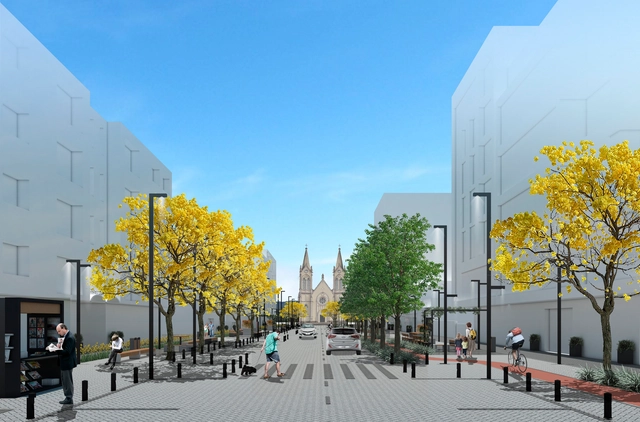
The firm Bloco B arquitetura, led by architects Camilla Ghisleni, Gabriela Favero, and Júlia De Fáveri, in partnership with Laura Rotter's landscape architecture firm Giz de Terra, has won the national competition organized by the municipality of Veranópolis (Rio Grande do Sul) for the urban redevelopment of a stretch of Júlio de Castilhos Street. The objective of the competition was to select "the most appropriate proposal addressing the necessary infrastructure and the improvement of the urban space." Discover the winning proposal below.
1° Lugar - Vinicius Ferreira de Oliveira, Gabriela Geraldelli Tocalino Silva, Gustavo Catapani Jarra e Mariane Banin de Carvalho. Image Cortesia de Projetar.org
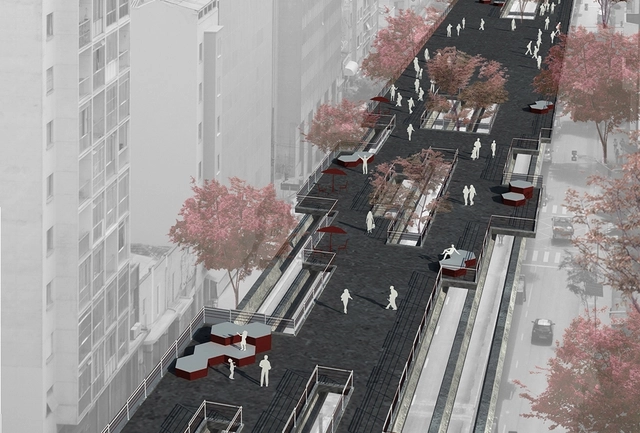
For its 31st competition, organized in partnership with the Associação Parque Minhocão, the Projetar.org portal invited students and young professionals to envision what the Minhocão Park could be. In total, 310 students participated, representing 74 cities, 13 states, and 51 universities.
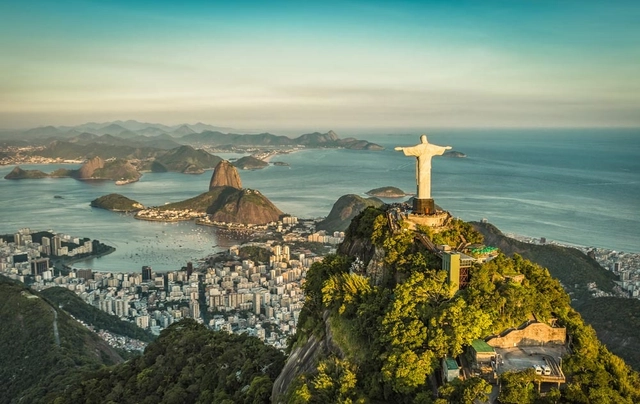
The International Union of Architects (UIA) has launched a global competition to select the logo for the World Capital of Architecture, whose inaugural host city is Rio de Janeiro. The initiative aims to transform Rio, and future designated capitals, into open and creative platforms to discuss, exchange, and find solutions to urban challenges.
Drone footage shows the debris of the building that collapsed in Fortaleza. Photo: Gustavo Pollizzon/G1
A seven-story residential building collapsed this morning in Fortaleza, Ceará. Located in the upscale neighborhood of Dionísio Torres, the building was over 40 years old and was undergoing renovations. A video recorded yesterday by a resident shows the precarious state of the structure's support columns, with exposed and corroded rebar.


.jpg?1563898173&format=webp&width=640&height=580)

.jpg?1569935943&format=webp&width=640&height=580)