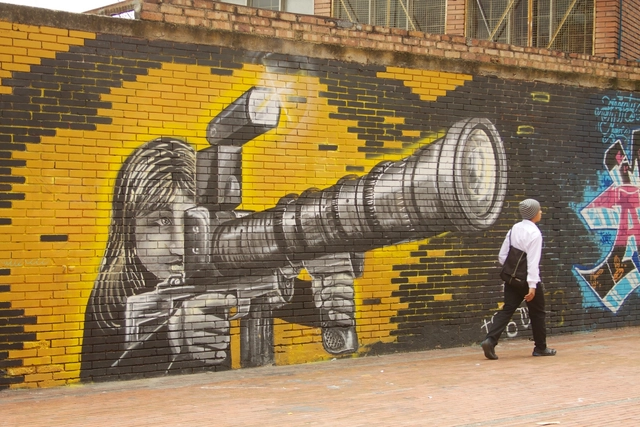
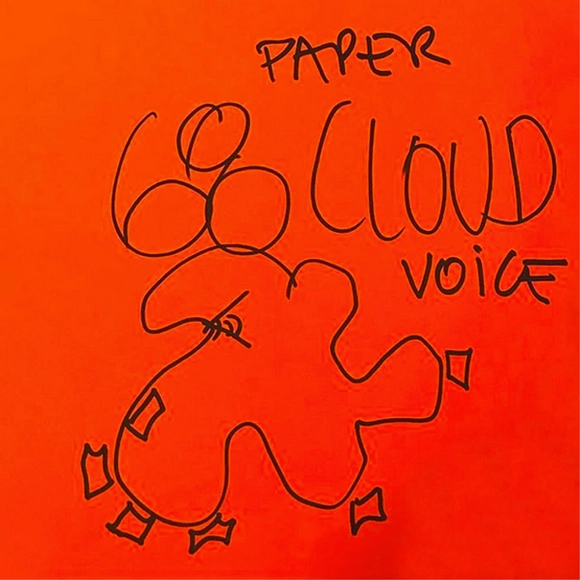
Chilean architect Smiljan Radic, along with Patricio Mardones, are the curators of the exhibition CLOUD '68 - PAPER VOICE, which will be on display from March 14 to May 18, 2018, at the Department of Architecture, ETH Zurich, Hönggerberg in Switzerland.
This exhibition commemorates the 50th anniversary of the social revolution of May 1968, paying tribute to radical European thought and its architecture from 1950 to 1970, which generated diverse perspectives of expression and design forms.
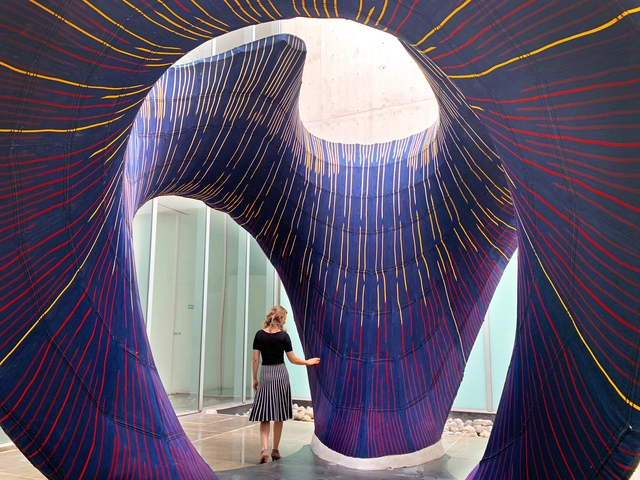
As part of Zaha Hadid Architects' first exhibition in Latin America, the Museo Universitario de Arte Contemporáneo (MUAC) in Mexico City is hosting an experimental structure that pays tribute to Mexican architect and engineer Félix Candela. "Design as Second Nature" showcases several projects by architect Zaha Hadid through models, audiovisual materials, paintings, and photographs, exploring her practice's creative process and highlighting the importance and complexity of design as the articulating axis of forms and construction processes in her work.
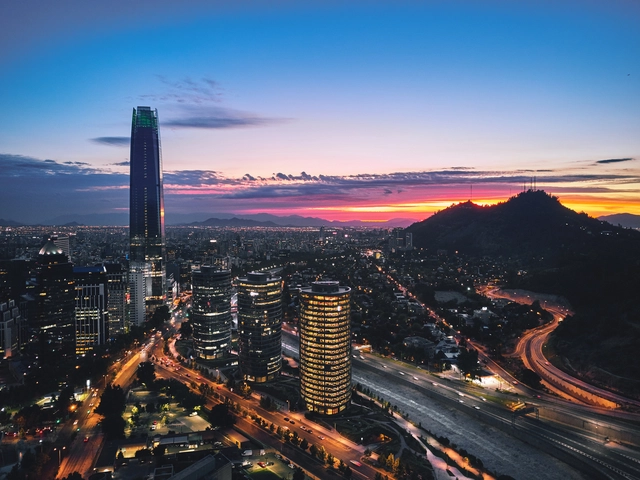
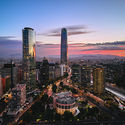
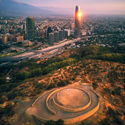
Offering a perspective unusual for locals, Instagram user Deensel photographed Santiago by drone during a visit to Chile. The results feature bucolic sunsets over Santa Lucía Hill, cool summer nights in the city's dense downtown, and unprecedented views of the so-called Sanhattan district, crowned by the Costanera Center —the tallest skyscraper in Latin America— and the Titanium Tower.
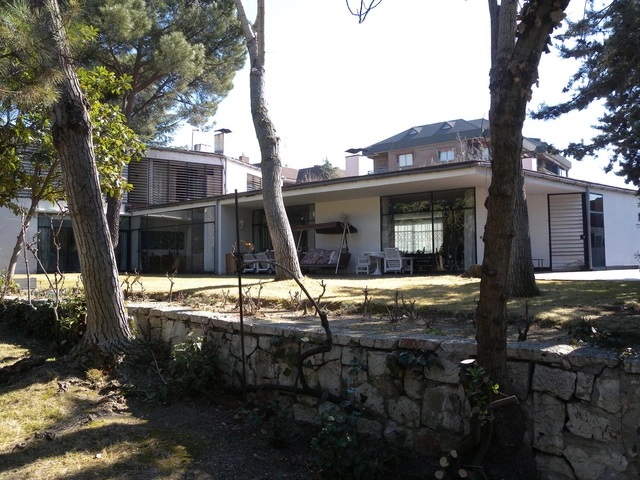
Imagen exterior Casa Vallet. Image Cortesía de Servicio Histórico COAM
The tragic end in early 2017 of the Guzmán House, designed by architect Alejandro de la Sota, seems poised to repeat itself—this time with the Vallet de Goytisolo House, one of three works built in the capital by José Antonio Coderch (1913-1984), a prominent 20th-century Spanish architect, and his partner Manuel Valls.
According to the newspaper El Mundo, the General Directorate of Cultural Heritage of the Community of Madrid has issued a report rejecting the designation of this example of modern residential architecture—located at 5 Belisana Street in Madrid's Ciudad Lineal district—as a heritage site.
https://www.archdaily.com/1113962/coderchs-vallet-house-remains-at-risk-of-demolition-due-to-a-lack-of-heritage-protectionJavier García Librero
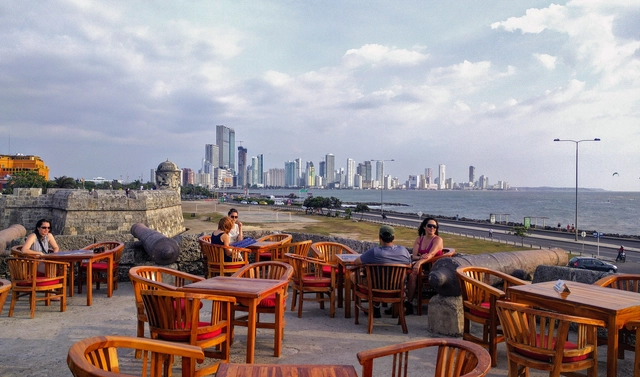
The construction of a four-tower housing complex just steps from the historic center threatens Cartagena (Colombia)’s status as a UNESCO World Heritage site. The community is currently awaiting a judicial ruling on the Aquarela case, the name of the multi-family social housing (VIS) project.
According to statements by the Bolívar Business Council (Consejo Gremial de Bolívar)—the organization tasked with promoting competitive development in the city and department—the situation is delicate, as the advanced stage of construction complicates potential decisions. Given that the city is one of Latin America's primary tourist destinations, the lack of oversight from national and local authorities—who failed to act in accordance with the planning principles outlined in Article 2 of the Colombian Constitution—is difficult to explain.
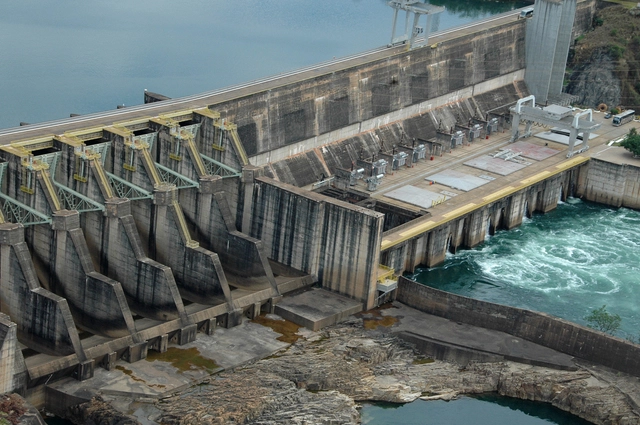
Two young entrepreneurs from Curitiba have developed a technological innovation that brings a long-held dream within reach for many Brazilians: owning a personal power plant. As reported by Tribuna do Paraná, mechanical engineers Felipe Wotecoski (31) and Juliano Rataiczyk (30) have created a device capable of generating electricity in a backyard with minimal environmental impact.
Similar in size to a four-burner stove, the micro-plant can generate up to 720 kilowatt-hours (kWh) per month—enough electricity to power three to four homes and feed the surplus back into the grid. According to the engineers, this output translates to savings of approximately R$ 500 per month on electricity bills.
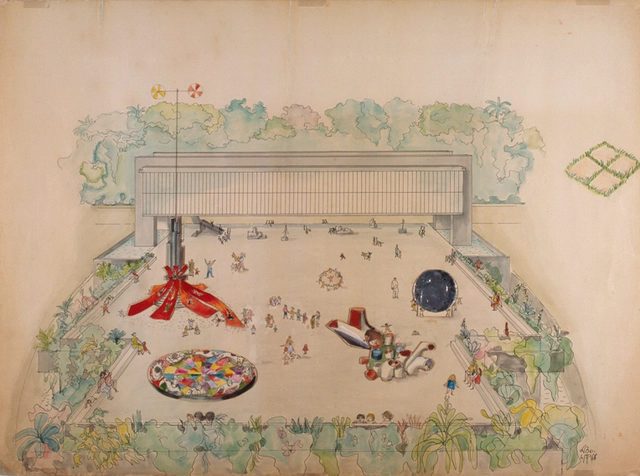
Lina Bo Bardi. Preliminary study – interactive sculptures for the Trianon Art Museum belvedere, 1968. India ink and watercolor on paper, 56.3 x 76.5 cm. MASP Collection, donation from the Instituto Lina Bo e P. M. Bardi
The theme “Women’s Histories, Feminist Histories” will guide the 2019 exhibition program at the Museu de Arte de São Paulo Assis Chateaubriand (MASP). Six solo exhibitions by female artists—Djanira da Motta e Silva, Tarsila do Amaral, Lina Bo Bardi, Anna Bella Geiger, Leonor Antunes, and Gego—have already been confirmed, alongside a major group exhibition sharing the program's title.
Videos
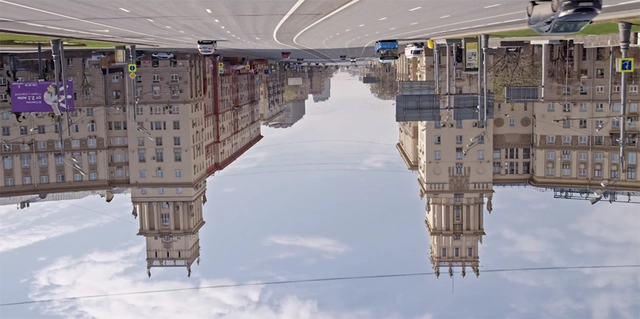
Captura de tela do filme "The Hyms of Muscovy", de Dimitri Venkov. Image Cortesia de Arquiteturas Film Festival
The Arquiteturas Film Festival, one of the most prominent film festivals dedicated to cinema addressing architecture and cities, has announced the list of award-winning films for its 2018 edition. In its 6th edition, the festival, which is an independent project promoted by DYMA – Do You Mean Architecture, focused on "exploring what we learn from the futuristic, utopian, or hyper-realistic stories that have been shaping our visual culture through cinema."
Believing that “there is no cinema without architecture,” the objective of Arquiteturas is to discover and present films that foster meaningful contemporary debates and broaden the viewer's critical thinking.
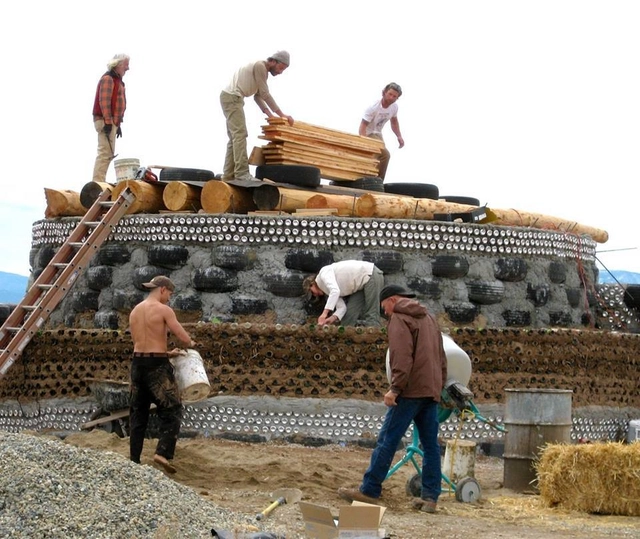
Bioconstruction is based on the principle that it is possible to build with a very low environmental impact. To promote this concept and present practical techniques, the Ministry of the Environment is offering a free online guidebook for training and information on the subject and its methodologies.
Although created for a course within the Support Program for Ecotourism and Environmental Sustainability in Tourism (Proecotur), the material is highly useful for anyone wishing to better understand bioconstruction and learn the details of different sustainable and environmentally friendly techniques.
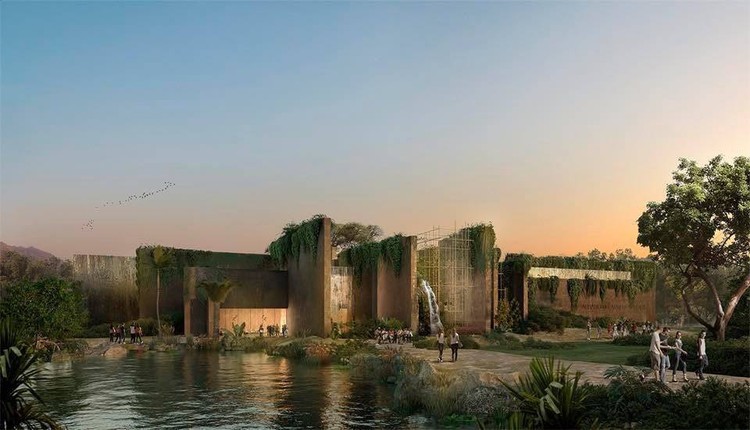
With an investment of 1.188 billion pesos, a new aquarium will be built in Mazatlán. According to local authorities, it will be the largest in Latin America, spanning 12,384 square meters, with 3,917 square meters allocated for outdoor areas and 9,441 square meters for interiors.
The Mexican architecture firm led by Tatiana Bilbao will head the project in collaboration with international companies, including San Francisco-based EHDD, San Diego-based TJP Engineering, and Chicago-based Space Haus.
Once the bidding process—expected to take three months from the release of the call—is complete, construction will take 24 months. This timeline is planned to avoid disrupting the operations of the existing aquarium.
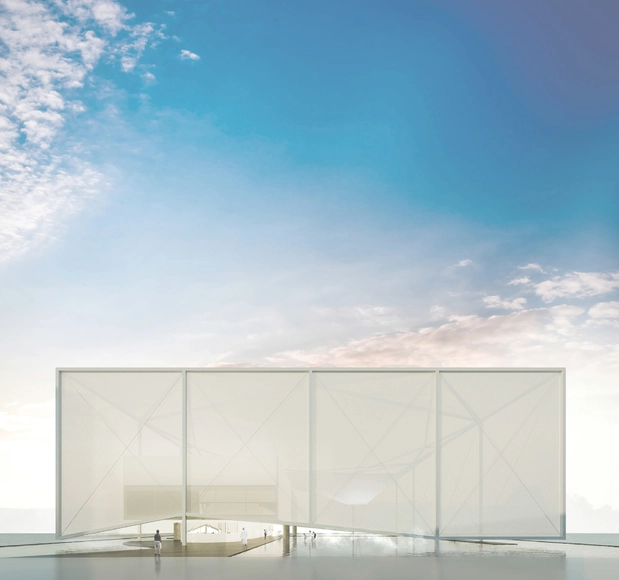
1st Place. Image via official website of the National Public Competition for Architecture and Exhibition Design – Brazil Pavilion at Expo Dubai 2020
The results of the competition for the Brazilian Pavilion at EXPO 2020 were announced today, November 12. The objective of the competition was to select a proposal and subsequently commission the complete Executive Project (Architectural Design, Complementary Engineering Projects, and Exhibition Design), construction supervision, consulting, and related services for the Brazilian Pavilion at the World Expo. The competition was promoted by Apex-Brasil (Brazilian Trade and Investment Promotion Agency) and organized by the Federal District Department of the Institute of Architects of Brazil (IAB/DF).
According to the competition brief, “the Brazilian Pavilion should highlight diversity with the theme TOGETHER FOR DIVERSITY, sub-divided into nature, people, and tomorrow (Together for Nature, Together for People, and Together for Tomorrow). These are the starting points for the architects to showcase the diversity of fauna and flora, the ethnic, creative, and cultural multiplicity of our people, and present Brazil as a unifying country, as well as a key global actor in international sustainability issues. The keyword summarizing the Brazilian theme is sociobiodiversity—and the Brazilian Pavilion, from its conception, must reflect this unique characteristic of the country.”
The Council of Architecture and Urbanism (CAU) has re-released the free guidebook on Technical Assistance for Social Interest Housing (ATHIS), originally published by CAU/SC. The 60-page document contextualizes this assistance work in relation to public authorities, the general public, and professionals, presenting different service delivery scenarios.
Murales en Pasarela Parque del Ebro. Image Cortesía de La Calle es un Museo
At FITUR, the Logroño City Council presented LA CALLE ES UN MUSEO (The Street is a Museum), a project aimed at revitalizing tourism and cultural visits in the city by showcasing public artworks and their creative processes, narrated by the artists themselves.
https://www.archdaily.com/1113768/logrono-promotes-art-tourism-by-turning-its-streets-into-a-museumPola Mora
Opening its doors alongside the Infinito Vão exhibition, “Two Houses by Paulo Mendes da Rocha” will be on display until February 10, 2019, at the House Gallery. Curated by Nuno Sampaio, “Two Houses” offers the opportunity to visit two unique projects from the collection of architect Paulo Mendes da Rocha, which, in line with the transatlantic focus of this program, are located in Portugal and Brazil.
Ever since we announced the results of the competition for the “New Biobío Regional Theater,” an initiative led by the Regional Government and the Architecture Area of the Council of Culture and the Arts, we had been eagerly looking forward to seeing the winning proposal finally built.
https://www.archdaily.com/1113761/the-narrative-behind-the-theater-designed-by-smiljan-radic-eduardo-castillo-and-gabriela-medrano-for-the-biobio-regionPola Mora
The Institut Ramon Llull has presented the project RCR. Dream and Nature_Catalonia in Venice in Barcelona, an exhibition showcasing RCR Arquitectes as part of the collateral events of the 16th Venice Architecture Biennale, set to open on May 26.
Representing Catalonia at the 2018 Venice Biennale, the project is co-curated by journalist Pati Núñez and architect Estel Ortega alongside the 2017 Pritzker Prize-winning firm. Together, they have created a space free of scale models or blueprints to "investigate and rethink humanity's relationship with the world, located at the La Vila estate in Vall de Bianya (Girona, Catalonia)," according to an official statement from the Catalan institute.
Thanks to its geographical and climatic characteristics, Bogotá has great potential for the development and enjoyment of nature tourism. The Colombian capital is bordered by the beautiful Eastern Hills, which connect with countless parks and trails that welcome visitors.
Among its natural wonders is the Sumapaz Páramo, the largest of its kind in the world. Exploring each of these places is undoubtedly an experience that few have the opportunity to enjoy and admire. As a result, numerous activities have sparked public interest in weaving together a city rich in environmental assets, including parks, rivers, wetlands, and gardens.
The 2018 CEMEX Pavilion competition was conceived to provide the student community of Guadalajara with an opportunity and a voice to express their aspirations, interests, concerns, and critiques of the profession, channeling them into an intervention within the courtyard of a heritage house in the city's historic center, which functions as a workshop and cultural center. The event is organized by eSCALA, CENTROmx, and TEMAdc—groups made up of students and alumni of the Centro Universitario de Arte, Arquitectura y Diño of the Universidad de Guadalajara—and the winners of the 2018 CEMEX Pavilion Competition, which included one first-place and two second-place projects, were recently published.






.jpg?1525983268 "via Enfoque Informativo")
.jpg?1525983259 "via Enfoque Informativo")
.jpg?1525983252 "via Enfoque Informativo")
.jpg?1525983245 "via Enfoque Informativo")


.gif?1538085748)