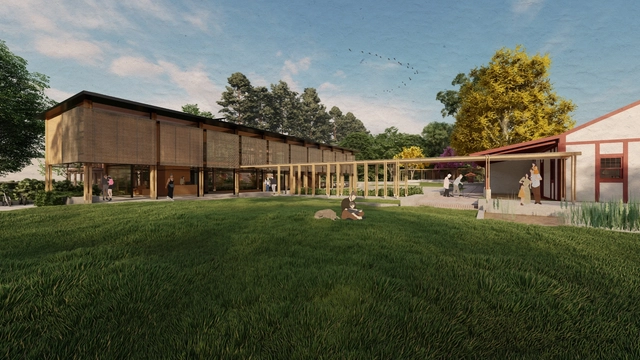
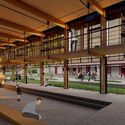
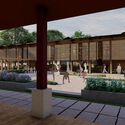
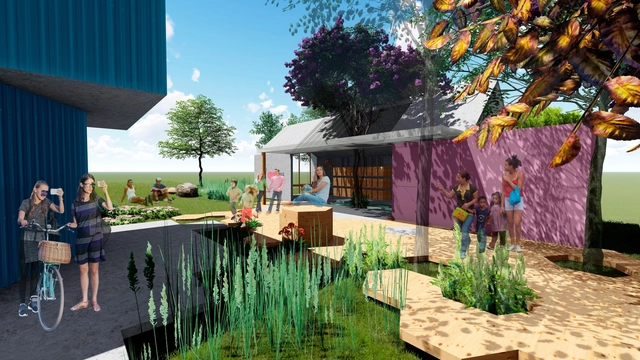
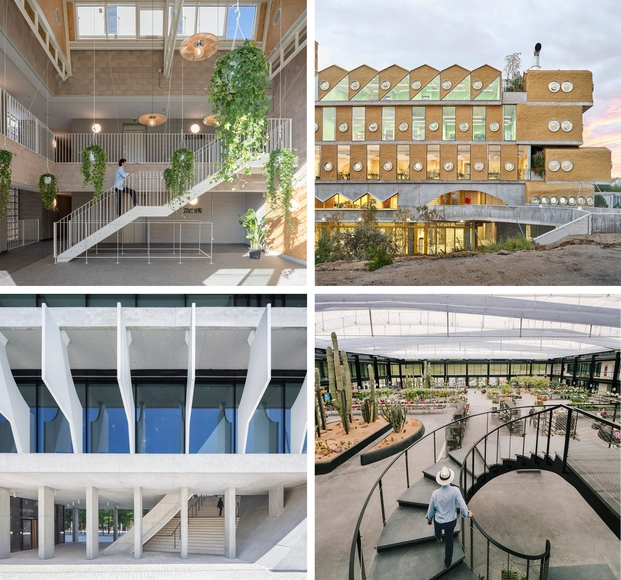
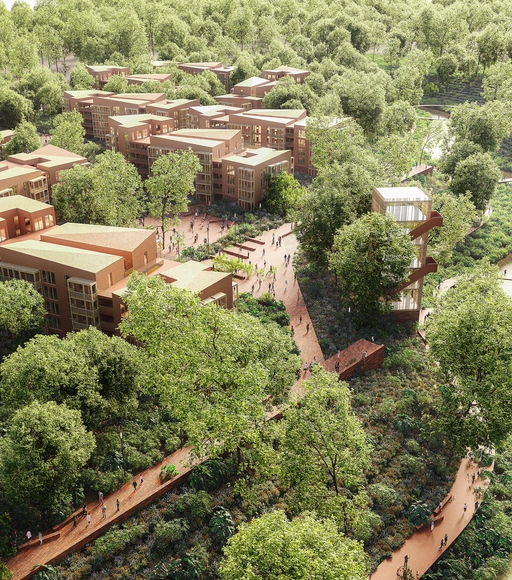
The Mayor's Office of Bucaramanga, together with the Colombian Society of Architects, sought innovative proposals for the orderly and sustainable development of Bucaramanga's urban peripheries in Colombia. Through viable, long-term management, financial, social participation, and regulatory models, the initiative aimed to foster the creation of a “Nuevo Norte” (New North) as a key central hub for the city and its metropolitan area, serving as an epicenter for inclusive, cohesive, productive, biodiverse, connected communities with high-quality habitats.
The public ideas competition for the territorial occupation model of the municipality's North Border aimed to gather urban proposals that integrate the needs and opportunities of both rural and urban environments. In this competition, the jury—composed of José Alejandro Gómez Suárez, Giovanna Vittoria Spera Velásquez, Helga María Rivas Ardila, Diana Wiesner Ceballos, and Manuel Sánchez Ruiz—awarded first prize to TA – El Taller De Arquitectos. Read on to learn more about the winning project.
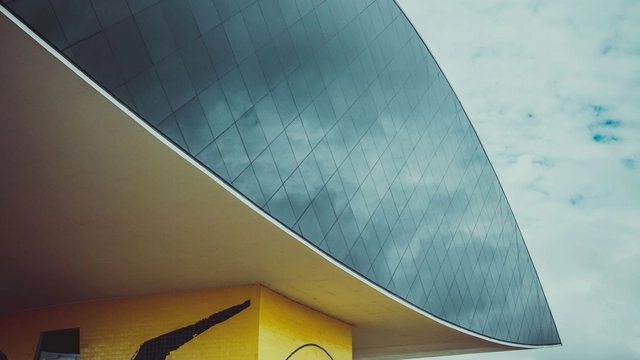
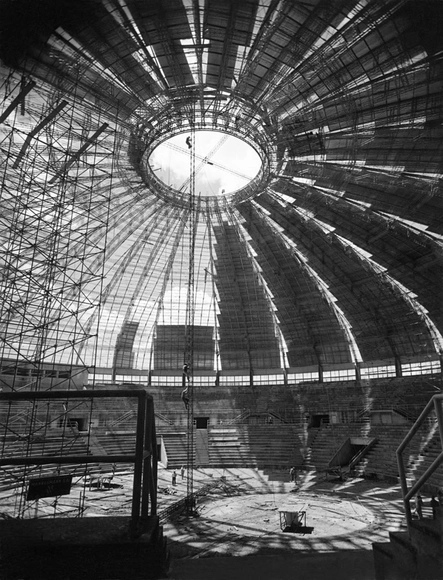
Roof of the Ibirapuera gymnasium with aluminum panels. São Paulo, c. 1955. Credit: Hans Gunter Flieg / IMS
One of the leading names in Brazilian photography, Hans Gunter Flieg (1923) worked in the fields of industry, advertising, and architecture. His images document the country's industrial development and verticalization, particularly in the city of São Paulo, starting in the 1940s. Through highly technically sophisticated photographs, he documented industrial facilities, machinery, buildings, and objects, challenging the boundaries between the objectivity of documentary photography and formal rigor.
https://www.archdaily.com/1136036/records-of-industrialization-in-brazil-ims-paulista-opens-retrospective-of-photographer-hans-gunter-fliegArchDaily Team
The film Volume II: Inhabiting the Territory is part of the project From the Periphery, which comprises a trilogy of documentaries exploring various themes related to contemporary Latin American architecture.
This second installment is an audiovisual essay focusing on the academic practice of the Talca School of Architecture and its relationship with the inhabitant, the landscape, and the materiality of Chile's Central Valley through the experience of the Taller de Obras. Specifically, the narrative is set during the 2006 edition of the course, held in the town of Curtiduría under the theme of vulnerability as the workshop's central axis.
The US Cities Forward program selects various municipalities in the Western Hemisphere requiring urban assistance based on environmental, economic, and social criteria, focusing on the concepts of "sustainability, inclusion, and resilience." The initiative recently announced the 24 cities that will participate from this year through 2026, engaging in peer-to-peer learning with US cities while gaining access to tools and funding to achieve their sustainability goals.
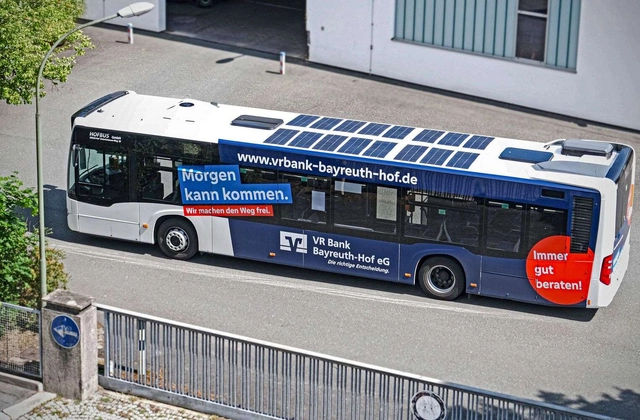
The first bus to be equipped with solar modules is running in the German city of Hof, in northeastern Bavaria. Photo: Sono Motors
The German company Sono Motors became world-famous for developing the Sion, an electric car powered by solar energy. However, due to a lack of funding to support pre-series production, the project was terminated in February of this year, and the company’s focus is now on adapting and integrating its patented solar technology into third-party vehicles.
This business setback could be good news for the environment, since instead of focusing on individual vehicles, the business model has been restructured to serve a wide range of vehicles, including buses, trucks, and refrigerated vehicles.
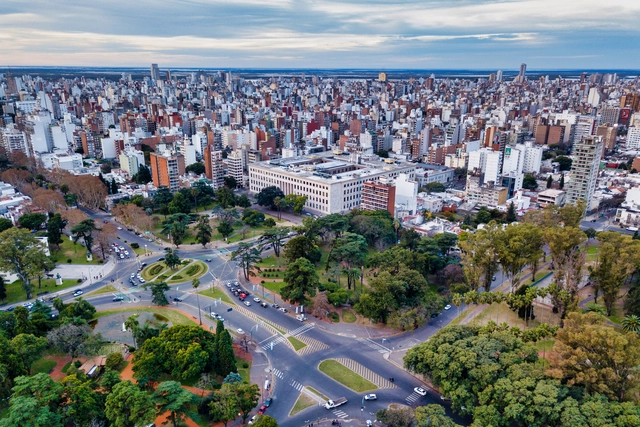
Aerial view of Independencia Park and the city skyline in Rosario, Santa Fe, Argentina. Image by buteo. Image via Shutterstock
Aiming to build a more sustainable, inclusive, and resilient future, the U.S. Department of State, ICLEI-Local Governments for Sustainability, Resilient Cities Catalyst, and the Institute of the Americas recently announced the list of Latin American, Caribbean, and U.S. cities that will participate in the “Cities Forward” program. The city of Rosario, Argentina, was selected to work in connection with Chattanooga, Tennessee, in the United States.
A Drug Rehabilitation Center in the Cracolândia region of São Paulo. This was the theme of the first design competition organized by Labideias, open to students and recent graduates in architecture and urbanism with up to two years since graduation.
Architecture can play a critical role in questioning existing possibilities. It can be a voice that, through the built environment, proposes more humanized, creative, and inclusive approaches. Based on this premise, the organization invited participants to develop a proposal that addresses the needs of a marginalized and increasingly persecuted population. Discover the winners and honorable mentions of the #001 Labideias Competition below.
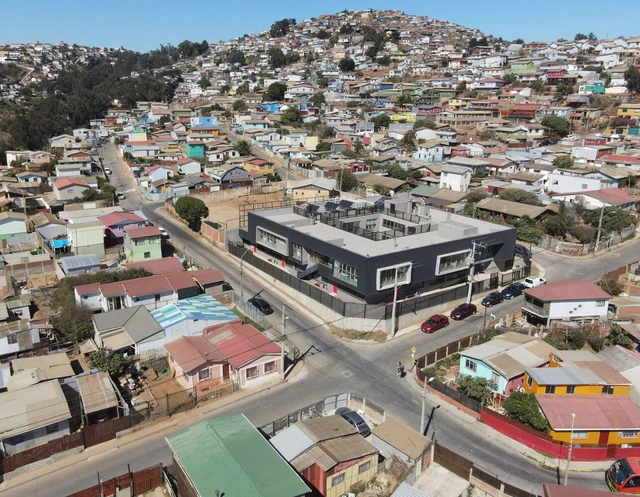
Courtesy of Raúl Goycoolea. ImageGolondrina Kindergarten and Nursery School in Valparaíso
While Chile is recognized as having one of the best education systems in Latin America, it also maintains a dual public and private system where disparities can often be significant. To address this issue, the Ministry of Education (MINEDUC) launched the Educational Reactivation Plan, which aims to allocate 100 billion Chilean pesos to preserve the infrastructure of public educational facilities.
Videos
Rio de Janeiro - Special Group samba schools perform at the Marquês de Sapucaí Sambadrome on the second day of parades (Fernando Frazão/Agência Brasil) - [CC BY 3.0 br (https://creativecommons.org/licenses/by/3.0/br/deed.en)]
Last year, the samba school Unidos da Tijuca announced the theme for its 2020 parade at the Marquês de Sapucaí: "Architecture and Urbanism." The choice was inspired by the unprecedented title Rio de Janeiro received from UNESCO as the World Capital of Architecture, as well as the city's selection to host the World Congress of Architects—an event organized by the International Union of Architects (UIA) that is expected to draw around 15,000 professionals this July. In addition to honoring architects and urban planners, the school will bring critical issues facing the field to the parade, such as the right to the city, the construction industry's role in the climate crisis, heritage preservation, and even ancestral architectural knowledge.
Primeiro Lugar. Image Cortesia de IAB-DF e Consórcio Arena BSB
The Institute of Architects of Brazil - Federal District Department and the Arena BSB Consortium have announced the results of the National Architecture and Landscape Competition for the Redevelopment of the Arena BSB Sports and Leisure Complex, which includes, among other facilities, the Mané Garrincha National Stadium.
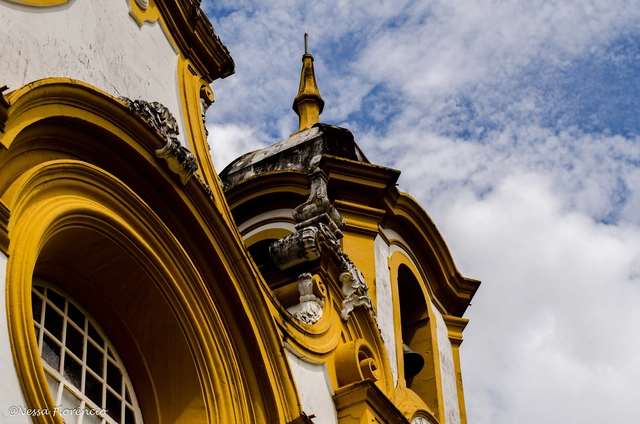
Photo: Nêssa Florencio on Visualhunt / CC BY-NC-ND
The National Institute of Historic and Artistic Heritage - Iphan has opened applications for 10 fellowships for the Professional Master's in Cultural Heritage Preservation. Interested candidates can apply until March 2, 2020.
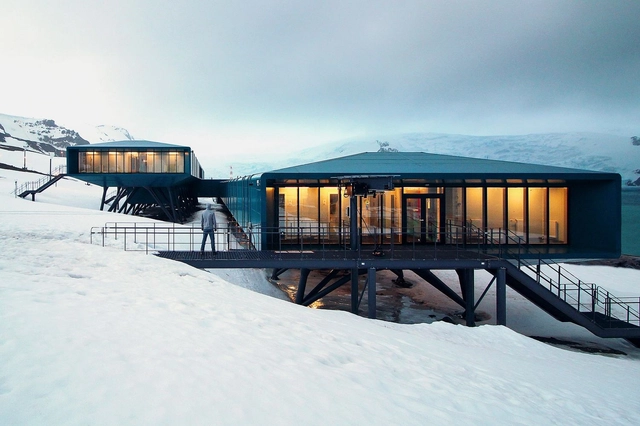
Estação Antártica Comandante Ferraz. Image Cortesia de Estúdio 41
Nearly eight years after the project's inception, the Comandante Ferraz Research Station, Brazil's Antarctic research base designed by Curitiba-based firm Estúdio 41, will soon be inaugurated. With construction completed since March of last year, the official opening is scheduled for this January.
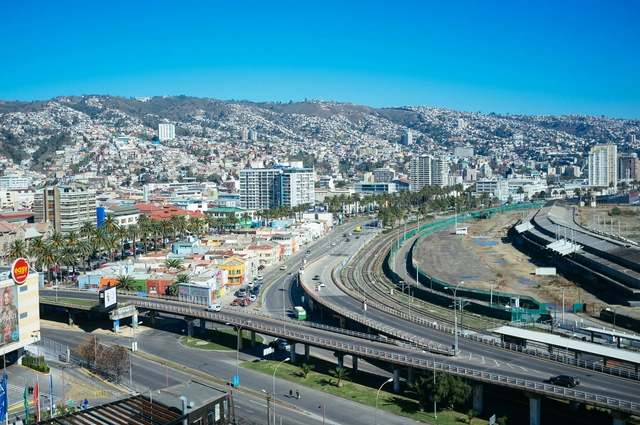
City of Valparaíso, Fifth Region, Chile. May 21, 2017. Image via Shutterstock / MARCELODLT
Several new projects have been introduced this year that bring significant changes to transit options for Chile's residents. These include the addition of the new Santiago Metro Lines and a new preliminary cable car project designed to connect Valparaíso with Placilla de Peñuelas.
In August, the Colegio de Arquitectos de Chile celebrated its 81st anniversary at its National Headquarters in Santiago. To mark this anniversary, the 2023 CA Awards ceremony was held.
The firm Solss Arquitetura was awarded first place in the national competition Iconicidades, organized by the State Government of Rio Grande do Sul and launched in April this year. The initiative sought to select the best proposals for transforming public spaces into hubs that foster the creative economy in the cities of Pelotas, Rio Grande, Santa Maria, Cachoeirinha, and São Leopoldo.
The firm won the competition in São Leopoldo, which aimed to choose the best revitalization project for the Casa da Feitoria and the Immigrant Museum, preparing the site for the bicentennial celebrations of German immigration in Brazil. Discover the project below:
https://www.archdaily.com/1136008/solss-arquitetura-wins-competition-for-the-requalification-of-casa-da-feitoria-and-the-immigrant-museum-in-sao-leopoldoArchDaily Team
Edifício sede dos meliponários. Image Cortesia de Equipe de projeto
This “unsolicited architecture” project is driven by the pursuit of professional practice that makes an active contribution, an ethical commitment to promoting the field of architecture and urbanism, and a desire to address pressing local and global challenges through a distinct, positive, and multidisciplinary approach.
Professionals registered with the Council for Architecture and Urbanism (CAU) are invited to participate in the 2020 Census of Architects and Urban Planners. Much like the 2012 Census, this survey aims to map the profile of the architecture and urbanism sector as well as inform CAU's initiatives. In addition, it will update the data collected in the first survey, which saw participation from 90% of registered professionals at the time.
The international architecture and city festival Open House will take place in Madrid from September 21 to 24, 2023, inviting residents to visit and explore some of the capital's most iconic buildings. Extending beyond Madrid to open several spaces in San Lorenzo de El Escorial, this ninth edition will open the doors of over 120 buildings and studios, while also offering 13 outdoor routes and itineraries to discover Madrid's architecture.
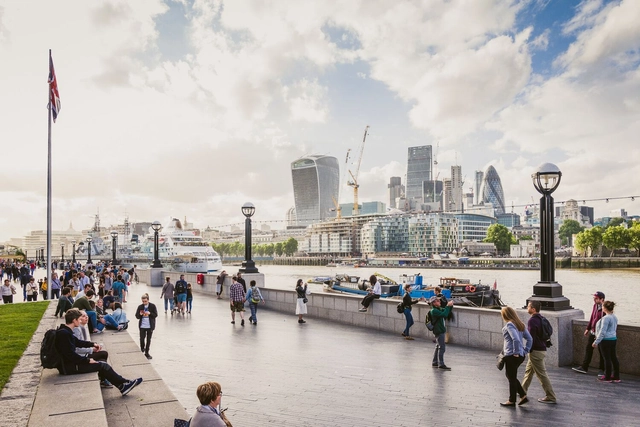
London is one of the world's great metropolises and faces a challenge common to urban centers: air pollution caused by fossil fuel vehicles. To combat this issue, the city established Low Emission Zones in 2008, fining large vehicles operating with pollutant emissions above established limits.
How are Brazilian municipalities preparing to face climate change? What laws are being created? How are resources being invested? To increase transparency regarding public policies focused on the climate and the environment, the Diário do Clima was created.
Comandante Ferraz Antarctic Station. Photo: Courtesy of Brazilian Navy
The highly anticipated Brazilian Antarctic research station, the Comandante Ferraz Antarctic Station, was inaugurated today on King George Island. Designed by Curitiba-based firm Estúdio 41, in partnership with Portuguese engineering firm AFAconsult, and built by the China National Electronics Import and Export Corporation (Ceiec), the new station, which replaces the former facility destroyed by a fire in 2012, will be dedicated to climate change research.
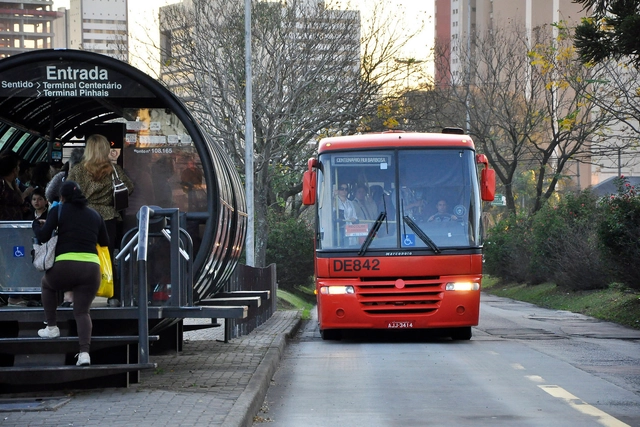
Photo: Mariana Gil/EMBARQ Brasil, via Flickr. Licensed under CC BY-NC 2.0
Curitiba's Integrated Transport Network was listed as one of the 50 most influential projects of the last 50 years, according to the Project Management Institute (PMI), a global organization with a presence in more than 160 countries.
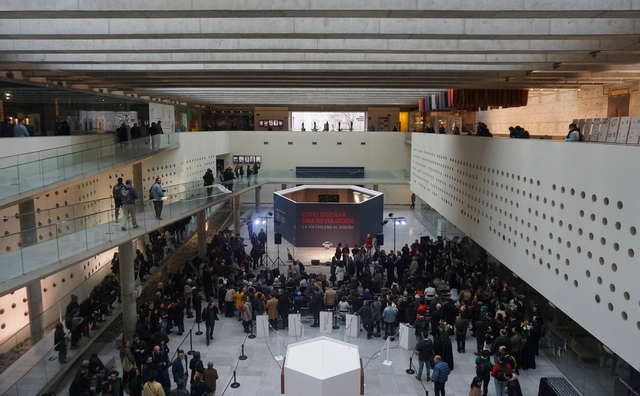
On September 7, the exhibition "How to Design a Revolution: The Chilean Road to Design" opened at Santiago's Centro Cultural La Moneda (CCLM), as part of the activities commemorating the 50th anniversary of Chile's civil-military coup. The exhibition showcases graphic and industrial design created during the administration of President Salvador Allende, bringing together over 350 original pieces and featuring a complete reconstruction of the Cybersyn operations room. The show will run until January 28, 2024.
Jointly produced by the Pontificia Universidad Católica de Chile, the Massachusetts Institute of Technology (MIT), and CCLM, in collaboration with the Ministry of Science, Technology, Knowledge, and Innovation and the Goethe-Institut Chile, the exhibition is curated by designer Hugo Palmarola and architect Pedro Ignacio Alonso—both recognized for winning the Silver Lion for Monolith Controversiesat the Chilean Pavilion during the 2014 Venice Architecture Biennale. Renowned Colombian science historian Eden Medina of MIT also participated in the project.



.jpg?1578439538&format=webp&width=640&height=580)

![Paola Masera + Campos Studio and [H] Arquitectos, among the winners of the Region V / FCARM 2023 Architecture Biennial - Featured Image](https://snoopy.archdaily.com/images/archdaily/media/images/64ef/815f/5286/7b4f/7ea0/5523/slideshow/ganadores-de-la-ii-bienal-de-arquitectura-de-la-region-v-de-la-federacion-de-colegios-de-arquitectos-de-la-republica-mexicana-ac_2.jpg?1693417830&format=webp&width=640&height=580)