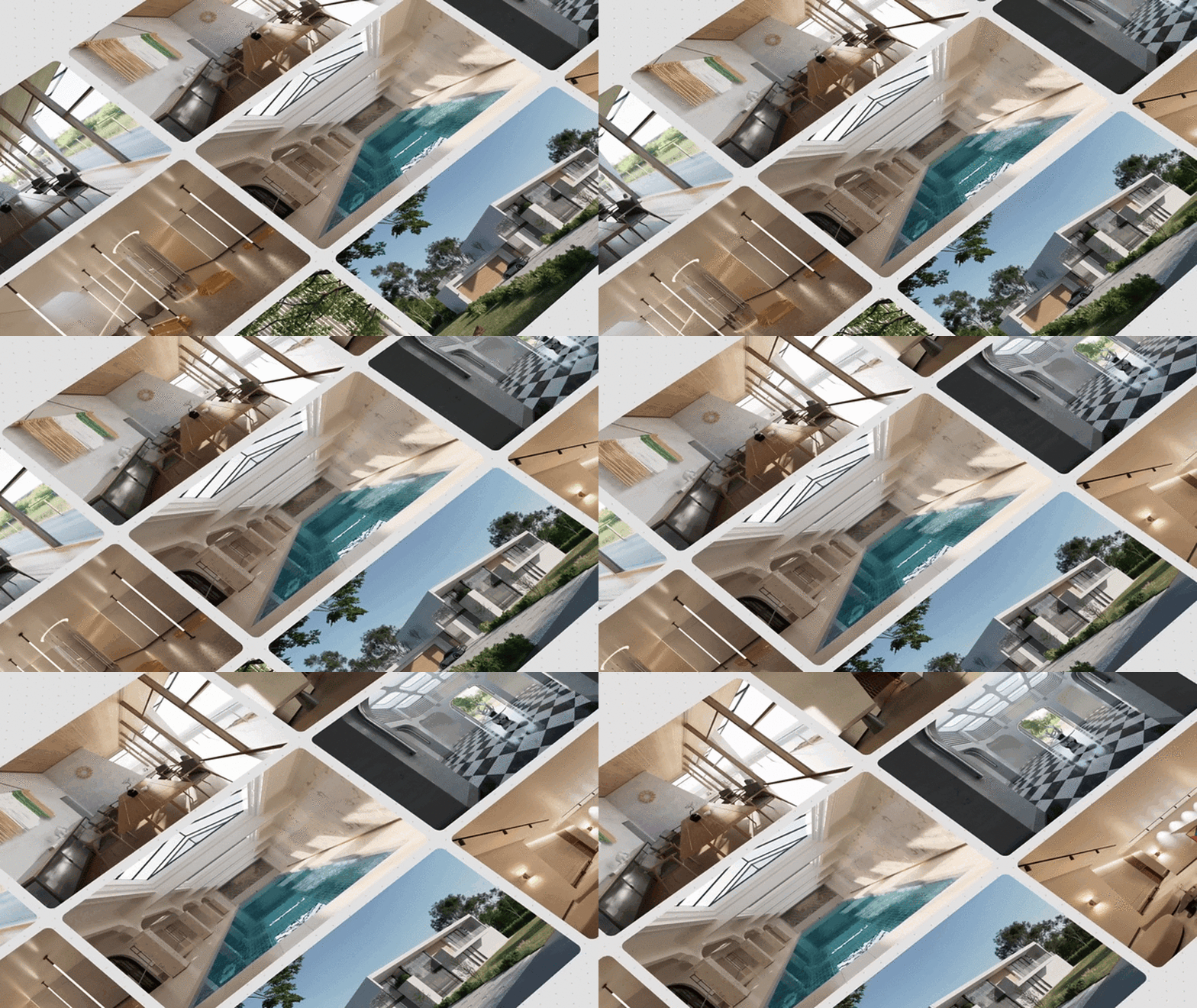
How to visualize architectural concepts in SketchUp using D5 Lite for faster design exploration.
How to visualize architectural concepts in SketchUp using D5 Lite for faster design exploration.
Brazil's greatest living architect, Paulo Mendes da Rocha does not appreciate architecture alone. Music is also part of his daily life, and this playlist—shared with us by his daughter, Joana Mendes da Rocha—features some of the musical preferences of our Golden Lion.

The Institut Ramon Llull has presented the project RCR. Dream and Nature_Catalonia in Venice in Barcelona, an exhibition showcasing RCR Arquitectes as part of the collateral events of the 16th Venice Architecture Biennale, set to open on May 26.
Representing Catalonia at the 2018 Venice Biennale, the project is co-curated by journalist Pati Núñez and architect Estel Ortega alongside the 2017 Pritzker Prize-winning firm. Together, they have created a space free of scale models or blueprints to "investigate and rethink humanity's relationship with the world, located at the La Vila estate in Vall de Bianya (Girona, Catalonia)," according to an official statement from the Catalan institute.
Thanks to its geographical and climatic characteristics, Bogotá has great potential for the development and enjoyment of nature tourism. The Colombian capital is bordered by the beautiful Eastern Hills, which connect with countless parks and trails that welcome visitors.
Among its natural wonders is the Sumapaz Páramo, the largest of its kind in the world. Exploring each of these places is undoubtedly an experience that few have the opportunity to enjoy and admire. As a result, numerous activities have sparked public interest in weaving together a city rich in environmental assets, including parks, rivers, wetlands, and gardens.

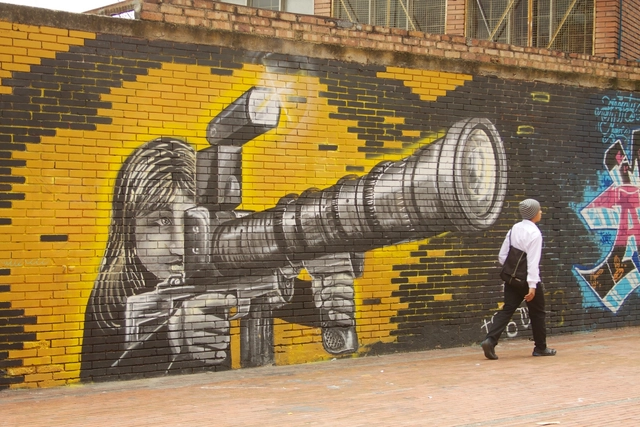
At FITUR, the Logroño City Council presented LA CALLE ES UN MUSEO (The Street is a Museum), a project aimed at revitalizing tourism and cultural visits in the city by showcasing public artworks and their creative processes, narrated by the artists themselves.

The 2018 CEMEX Pavilion competition was conceived to provide the student community of Guadalajara with an opportunity and a voice to express their aspirations, interests, concerns, and critiques of the profession, channeling them into an intervention within the courtyard of a heritage house in the city's historic center, which functions as a workshop and cultural center. The event is organized by eSCALA, CENTROmx, and TEMAdc—groups made up of students and alumni of the Centro Universitario de Arte, Arquitectura y Diño of the Universidad de Guadalajara—and the winners of the 2018 CEMEX Pavilion Competition, which included one first-place and two second-place projects, were recently published.
James Wright retraces the steps of Walter Gropius in the new documentary Konstruktion Argentina. The film explores various Argentine architectural works, revealing their German influence.
Mar del Plata, Buenos Aires, and Berlin are some of the settings where the journey takes place.
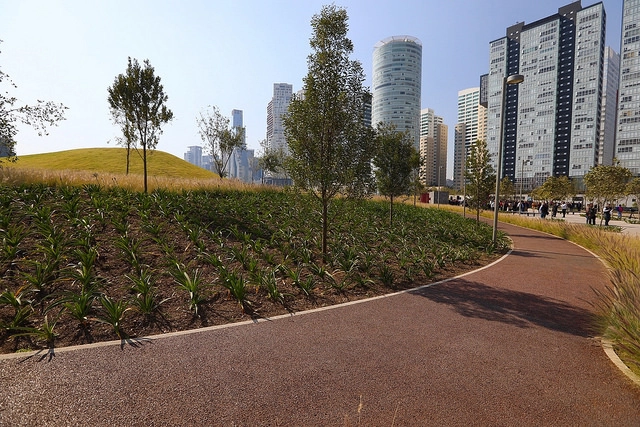
During the Real Estate Show 2018—an event bringing together leading national and international industry figures, and a premier showcase for iconic, cutting-edge architectural projects—La Mexicana park, in Santa Fe, Mexico City, was awarded first place by the Association of Real Estate Developers (ADI) during the sixth edition of the event.
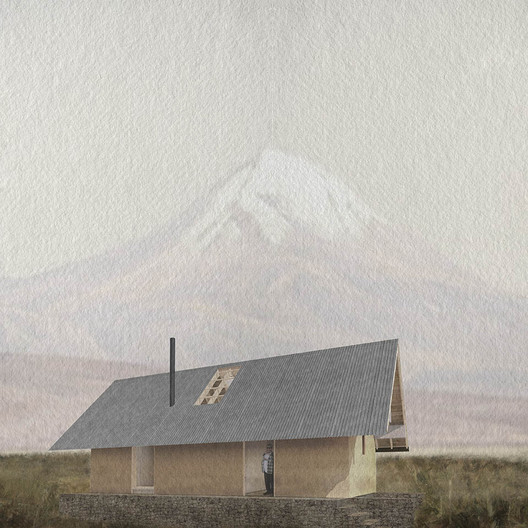
It is our duty to place human dignity at the center of the reconstruction process.
- Telar Social México
On September 19, 2017, Mexico experienced one of the strongest earthquakes in its history. Measuring 7.1 on the Richter scale, it left more than 369 casualties and 150,000 homes destroyed across five states, with Oaxaca, Morelos, the State of Mexico, and Guerrero being the hardest hit.
Ecatzingo, located southwest of the Popocatépetl Volcano in the State of Mexico, remains one of the municipalities most severely damaged by the earthquake, where 1,587 affected homes—601 of them uninhabitable—left entire families homeless.

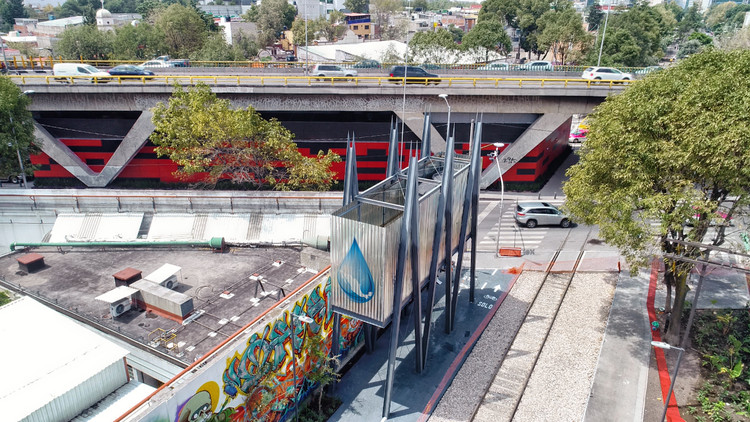
Since its inaugural edition, the European Landscape Biennial has sought to deepen the discussion on landscape intervention, from both landscape architecture and other disciplines related to its study and evolution. As part of its tenth edition, the awards ceremony for the 10th International Landscape Biennial and the Rosa Barba Prizes was held in Barcelona on Friday, September 28. Over 300 projects were submitted to this edition, resulting in nine outstanding finalists from around the world.

Our team is proud to introduce a new editorial partner for ArchDaily en Español: Paisaje Transversal, a Spanish urban innovation firm. Operating with its own proprietary methodologies, the firm specializes in urban regeneration through initiatives like Sustainable Urban Development (DUS) and currently serves as the National URBACT Point in Spain.
Through this partnership, ArchDaily's Spanish-language network will publish articles authored by the Spanish firm, bringing the ongoing dialogue around urban challenges directly to our readers. Citizen participation, turistification, smart cities, public space, mobility, urban negotiation, and urban planning tools are among the topics we will cover weekly across our Spanish-language sites.

On January 24, 2018, Schmidt Hammer Lassen (SHL), one of the world’s leading architecture practices, formally joined the global design firm Perkins+Will in Shanghai. The strategic partnership will expand SHL’s presence in China and reinforce Perkins+Will's commitment to sustainability and design excellence, combining the strengths of both firms to jointly develop the Chinese architecture market.
Harrison noted: “This partnership is founded on shared values between Perkins+Will and Schmidt Hammer Lassen: design excellence, sustainability, innovation, and the highest standards of client service. We also share a design philosophy, firmly believing that extraordinary architecture is always democratic and serves the greater good. We are aligned at every level.”
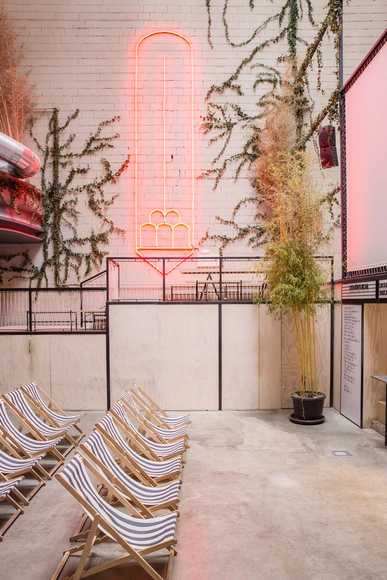
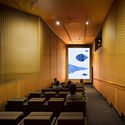
The Official Association of Architects of Madrid has awarded the 2018 COAM First Prize ‘ex aequo’ to the renovation of Sala Equis, designed by architects Lorenzo and Luis Gil (Plantea Estudio), to Espacio SOLO by Juan Herreros and Jens Richter, and to the book Oiza by Javier Vellés.
Regarding Sala Equis, the jury highlighted that the renovation of the former Duque de Alba cinema “equips the available space with contemporary uses, materials, and furniture, balanced with the memory of the existing structure,” and emphasized that it “encompasses the traditional movie theater alongside other activities surrounding this main function.”
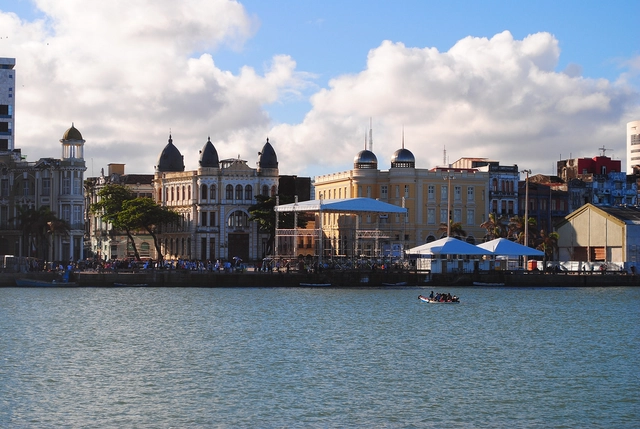
Navigating streets and avenues to get from one place to another is part of the daily routine for anyone living in a major city. Most of the time, it is something done almost automatically, without realizing that behind every street, square, and corner, there is a story.
Recife, the capital of Pernambuco, is one of these places, rich in historic buildings and locations celebrated by great poets and writers.
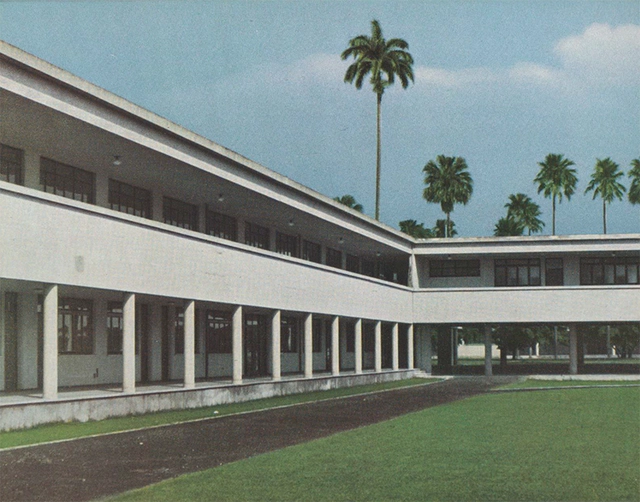
On January 13, 1943, New Yorkers—and, indeed, architects worldwide—were introduced to Brazilian architecture. Brazil builds : architecture new and old, 1652-1942 was an exhibition organized by MoMA (the Museum of Modern Art) showcasing the architecture produced in Brazil, not only at that moment but since the mid-17th century.
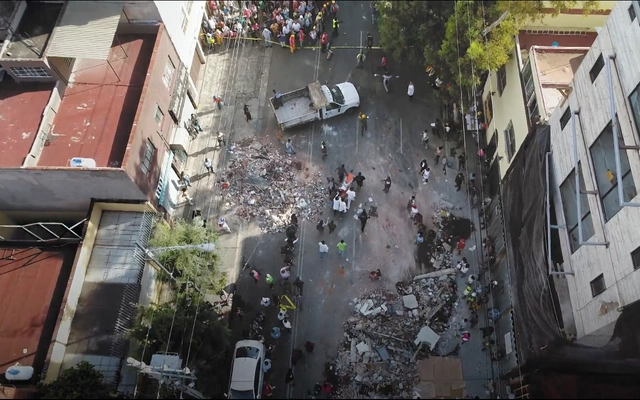
As part of The New York Times' documentary series "En los ojos de México" –where six filmmakers present a perspective on their country– Santiago Arau and Diego Rabasa present "Ciudad Herida" (Wounded City), a chronicle of the 2017 earthquake in central Mexico. Through drone footage, the film captures the strength and resilience shown during a moment of crisis.

The year 2018 marks the centennial of artist Athos Bulcão. In celebration of the life and work of one of Brazil's most influential 20th-century painters, sculptors, and muralists, the National Institute of Historic and Artistic Heritage (Iphan) has launched an updated version of the inventory of his work.
Titled Inventário da Obra de Athos Bulcão em Brasília (Inventory of the Work of Athos Bulcão in Brasília), the book builds upon an initial study conducted by the institute between 2008 and 2009 and published in 2010. That first edition documented 261 works, revealing the sensitivity, versatility, and richness of the artist's creative universe. Officially launched on July 30, the new edition spans over 200 pages, featuring a conceptually expanded and revised content alongside a playful and inventive graphic design.
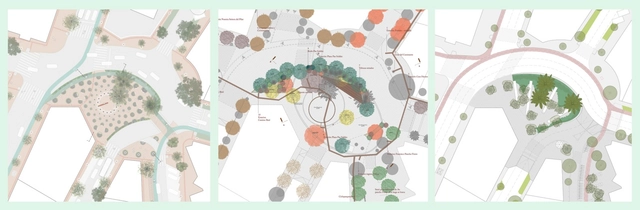
The integration of art and architecture to build a crucial public space at the Paz Soldán roundabout—one of the most iconic and highly trafficked areas in Lima's San Isidro district—was one of the major challenges presented by the Municipality of San Isidro and Grupo Centenario when they launched the Paz Soldán Plaza National Competition. The competition is part of the "2021: Bicentennial Projects" initiative, directed by Gary Leggett.
Among its primary objectives, the competition seeks the transformation of the primarily vehicular roundabout into a freely accessible pedestrian plaza. Additionally, it proposes the spatial integration of the new Paz Soldán Plaza with the monumental area of El Olivar forest, not only establishing this new area as a gateway to the park but also making it a benchmark for other areas of the city. Meanwhile, the anticipated public art proposal offers a reflection on the role of art in public space. It is also worth noting the broad vision of the roundabout as an urban complex, extending beyond the specific area of intervention.
The three finalists and two honorable mentions have already been announced. Out of 160 registered teams, 60 submitted entries. The jury comprised architects Óscar Borasino, Sharif Kahatt, and Michelle Llona, along with art specialists Max Hernández Calvo and Natalia Majluf. The process was advised by specialists including Juan Carlos Dextre, on mobility and traffic impact, and Patricia Dias, on heritage. Finally, the selection of the winner will include a double-weighted vote from the San Isidro Neighborhood Boards.
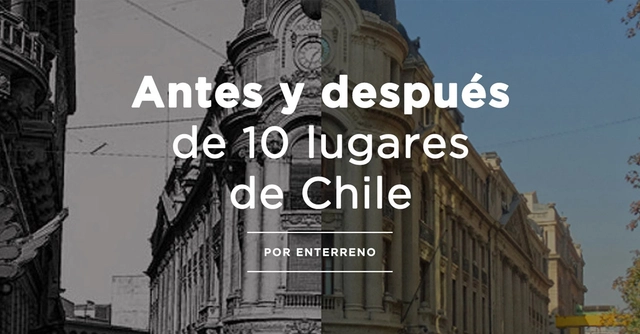

The website Enterreno is building the first “collaborative time machine” using historical images, allowing thousands of people to travel through time via their mobile devices from anywhere in the country or the world. The platform features over 45,000 photographs revealing what Chile was like in both the distant and recent past, shared by everyday people from their family archives and other sources.
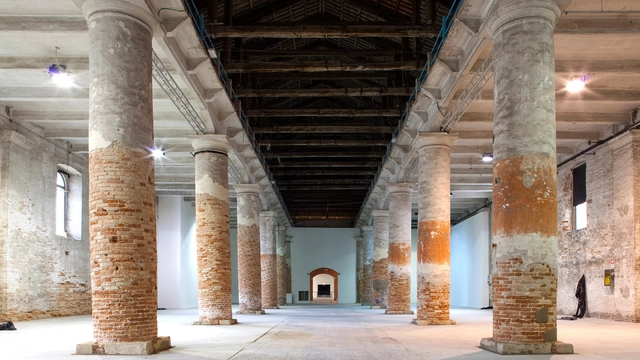
The Venice Architecture Biennale has released the list of participants for this year's main exhibition, FREESPACE. Among the 71 selected architects, offices, and collectives, three Brazilians are featured on the list: Carla Juaçaba, GrupoSP and Paulo Mendes da Rocha, recipient of the Golden Lion for Lifetime Achievement in the 2016 edition.
Curated by Irish duo Yvonne Farrell and Shelley McNamara, partners at Grafton Architects, this year's theme seeks to reveal "diversity, specificity, and continuity in architecture." According to Paolo Baratta, president of La Biennale di Venezia, FREESPACE aims to promote "desire" in architecture.
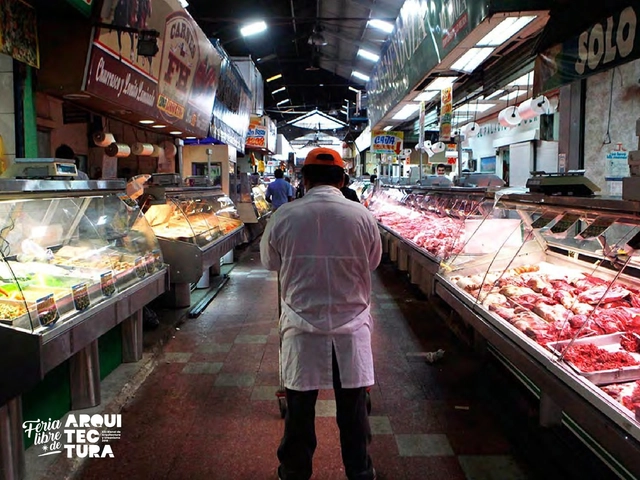
A "common, everyday, and collective" space is the goal set by the curatorial team of the upcoming 2019 Chilean Architecture and Urbanism Biennial. This was announced during the official launch last Thursday, November 8, at the headquarters of the Architects Association of Chile (Colegio de Arquitectos) in Santiago.
The first edition of the Biennial to be held in Santiago since 2013—the last two editions took place in Valparaíso—will be located in the traditional Franklin neighborhood of the Santiago commune, a historic sector of the capital currently undergoing urban transformation driven by real estate pressure, commercial reconversion, and historic preservation.

By the end of 2018, at least five cities in Germany could test a model approach to combating pollution. The trial will discourage private vehicle use while offering free public transit—a solution currently adopted in only a few places.
Bonn, Essen, Herrenberg, Reutlingen, and Mannheim are the German cities included in the proposal drafted by the federal government. “We are considering making public transport free of charge to reduce the number of private cars,” German ministers stated in a letter sent to the European Commission. “Fighting air pollution effectively without unnecessary delays is of the highest priority for Germany,” the document adds.

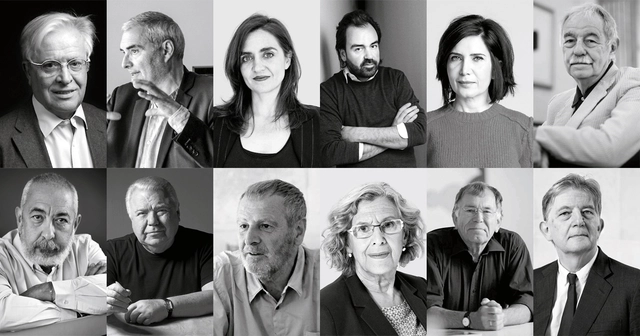
On June 14, the second and final day of the 5th International Congress of Architecture and Society took place at the Baluarte Congress Center and Auditorium of Navarre in Pamplona, Spain. The day's sessions focused on topics as diverse as urban development, the political ecology of cities, mobility, and the future of our cities.
Architects Farshid Moussavi and Belinda Tato opened the day's first session, focusing their reflections on the importance of public spaces in cities as “generators of citizenship.” Both experts also highlighted the role of people in shaping cities.

A few days ago, we welcomed @archdailyco to Instagram. ArchDaily Colombia's dedicated account on the platform serves as a new showcase for local architecture. To mark this milestone, we invited our readers to share their best photos of Colombian architecture using the hashtag #ArchDailyCo.
Today, we present six of the best photos, along with ArchDaily Colombia's featured project of the week on our Instagram account. This inaugural selection spans Bogotá and Medellín, contrasting concrete and brick, while showcasing both bird's-eye cityscapes and architectural details captured by our followers.
Remember to tag your future photos of Colombian architecture on Instagram with the hashtag #ArchDailyCo for a chance to be featured in our next roundup.
.gif?1538085748)
Opening its doors alongside the Infinito Vão exhibition, “Two Houses by Paulo Mendes da Rocha” will be on display until February 10, 2019, at the House Gallery. Curated by Nuno Sampaio, “Two Houses” offers the opportunity to visit two unique projects from the collection of architect Paulo Mendes da Rocha, which, in line with the transatlantic focus of this program, are located in Portugal and Brazil.