Alongside Tiê, an adventurous capybara, Lina sets off on a journey through ten public spaces around the world – such as the High Line in New York or Paulista Avenue in São Paulo – to discover the secrets of how cities are built. The two are the main characters of the book Casacadabra – Cidades para Brincar (Cities to Play), a new release from Pistache Editorial, which launches its crowdfunding campaign on April 16 on Catarse. The book features text by Bianca Antunes and Simone Sayegh, with illustrations by Luísa Amoroso. This is the second title in the Casacadabra series – the first, titled Invenções para morar (Inventions for Living), presented the architecture of ten houses around the world.
The São Paulo City Government has resumed discussions regarding property tax (IPTU) exemptions and discounts for landmarked buildings. Previously debated during the administrations of Gilberto Kassab and Fernando Haddad, the issue is currently the focus of a newly drafted bill.
The proposal limits the IPTU exemption to landmarked properties located in downtown São Paulo, within a perimeter that is still being defined. It will not apply to properties subject to general zoning restrictions, such as those in historically preserved neighborhoods like Jardins and Pacaembu.
Registration is now open for the 1st National Public Photography Contest organized by the Council of Architecture and Urbanism of Goiás (CAU/GO), under the theme “Historic Heritage in Architecture and Urbanism.” Submissions will be accepted until 4:00 PM on September 24 at the CAU/GO headquarters.
On the morning of March 10, 2018 (Beijing time), at the 2018 Civic Trust Awards ceremony held at Manchester's iconic Old Trafford stadium (home of Manchester United), OPEN's completed project, the “Tsinghua Ocean Center,” was honored with a Civic Trust Award!
Established in the UK in 1959, this prestigious award is highly regarded, because it recognizes not only outstanding project design but also its value to the public. From urban planning to public art, the awards consider the built environment within a broader context, driven by the belief that design must serve its users.
https://www.archdaily.com/1113669/uks-2018-civic-trust-awards-announced-tsinghua-ocean-center-designed-by-open-architecture-wins韩爽 - HAN Shuang
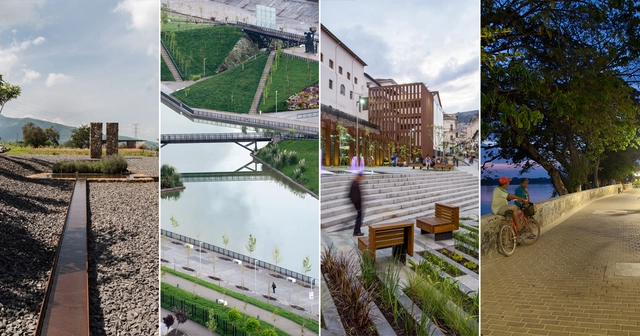
Yesterday, Monday (September 10), the 3rd Latin American Landscape Architecture Biennial announced the finalists for the competition, which will take place in Mexico City on September 26 and 27. Organized since 2014 by the Mexican Society of Landscape Architects (SAPM), the biennial seeks to highlight the role of landscape architecture in shaping the habitat in Latin America, with a particular emphasis on the environmental and social challenges facing the region.
"We seek to encourage participation in landscape construction to showcase the broad and diverse panorama of local interventions that ultimately help define a region sharing common challenges and solutions," the organizers state in the biennial's guidelines.
The 19 built works, unbuilt projects, and research papers meet the biennial's criteria, focusing on projects that respect the landscape and its values, demonstrate a commitment to sustainability, and integrate and address social issues, among other criteria.
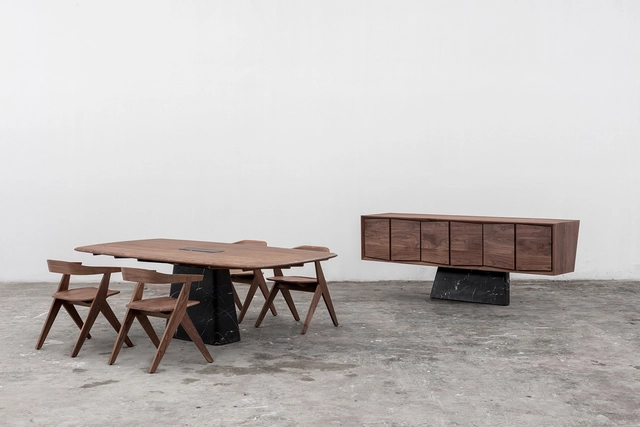
The Dolmen Collection is based on an exploration of balance between elements of different materialities. This exercise highlights the physical properties of stone and wood, creating tension between the suspended and supporting elements. Designed by Héctor Esrawe, Manuel Bañó, Federico Stefanovich, and Alejandro Ramírez, it comprises a dining table with chairs and a cabinet.
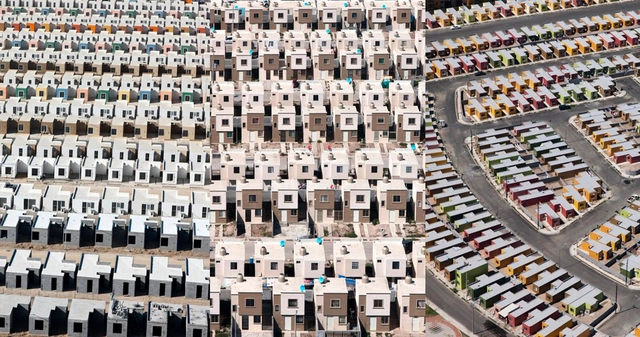
'Alta Densidad' (High Density) is a project by architect Jorge Taboada comprising a series of aerial photographs that depict the stories of a city. This series is presented as an "archaeological vestige" where "people lose their face and identity and become invisible."
The history of social housing in Mexico has come a long way, undergoing transformations that concern not only architecture, but also the organizations leading their construction and the government.
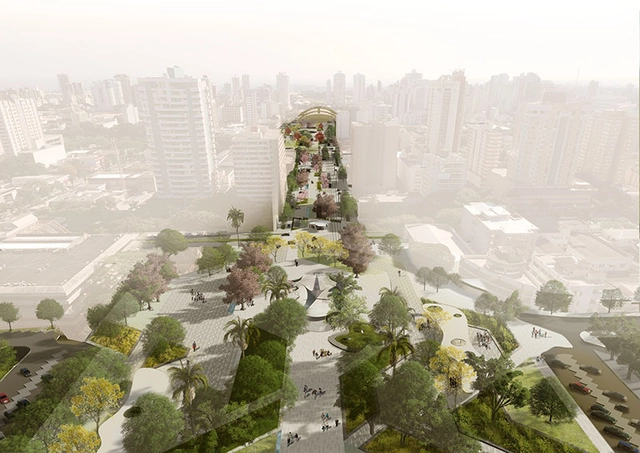
The official results for the National Competition for the Requalification of the Public Space of the Monumental Axis of Maringá have been released. This central urban area lies between Cathedral Square (Praça da Catedral) and the Vila Olímpica sports complex. Totaling approximately 169,000 square meters, the Monumental Axis includes gardens, public spaces, parking areas, and perimeter paving along the building facades. Due to the site's vast scale, proposals had to be presented in seven sectors to facilitate phased bidding and construction. The winning project was designed by a team comprising Pedro Paes Lira, Manoela Muniz Machado, Julia Marini, Laura Figueiredo, and Juliette Tellier from the firm Natureza Urbana, with landscape consulting by Bianca Vasone, Gabriella Ornaghi, and Lilian Dazzi, and engineering consulting by Alexandre Horiye Ferreira and Felipe Macedo Barbosa.
The jury, composed of architects and urban planners Haroldo Pinheiro, José Gilberto Purpur, Mario Figueroa, Orlando Busarello, and Renato Leão Rego, selected the following winners:
This discrepancy was highlighted in a petition on Change.org addressed to Jordi Ludevid, then-president of the CSCAE, in which the signing architects called for greater active participation of women at all stages of the process, seeking equal representation with their male colleagues.
https://www.archdaily.com/1113704/women-architects-in-spain-join-forces-to-create-their-own-association-amaeJavier García Librero
An inseparable figure from Brasília, Athos Bulcão is responsible for works that bring color and geometric patterns to the purity of the federal capital's architecture. To promote the artist's work, the National Institute of Historic and Artistic Heritage (Iphan) launched the book Athos, Colorindo Brasília, the first volume of the Patrimônio para Jovens collection, an initiative by Iphan's Federal District office and the Federal District Department of Education (SEDF).
After two editions at the Parque Cultural de Valparaíso, the Chilean Biennial of Architecture and Urbanism will return to Santiago in 2019. On Wednesday, June 6, the Mayor of Santiago, Felipe Alessandri, and the President of the Chilean Association of Architects, Humberto Eliash, signed the official agreement during a ceremony at the Mercado Matadero Franklin, which was attended by city council members, Minister of Housing and Urban Development Cristián Monckeberg, undersecretaries, regional authorities, and other officials.
During the ceremony, organizers confirmed that the 21st Biennial will take place in October 2019, with both the Mercado Matadero Franklin and the Teatro Huemul serving as the main venues for the country's premier architectural event.
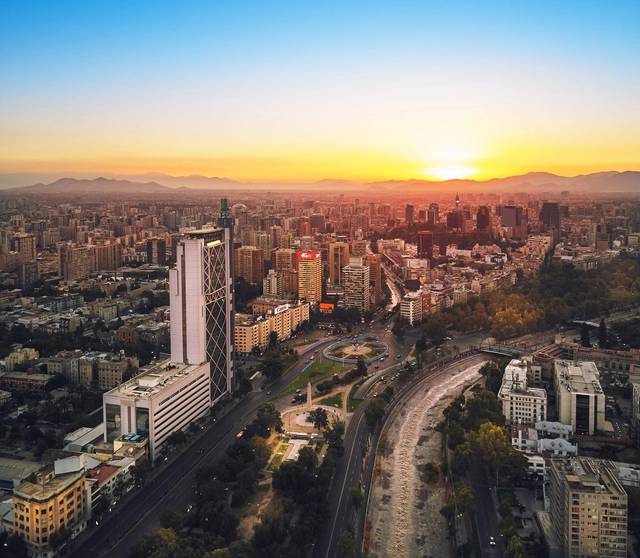
As is tradition, digital travel platform TripAdvisor has released the results of the 2018 Travelers' Choice awards. These accolades are determined by millions of reviews posted on the website, measuring "the year-over-year increase in positive traveler review ratings," the company explains. Additionally, these cities "have also experienced an increase in search traffic and booking interest" for accommodations.
According to Brooke Ferencsik, communications director at TripAdvisor, the selected cities share the fact that "they all have excellent accommodations, wonderful restaurants, and exceptional attractions for every travel budget."
In South America, six countries are represented on this year's list. Below, discover the ten cities chosen by TripAdvisor users:
Dampness from water ingress, condensation, or leaking and burst pipes; cracks and fissures in partition walls, facades, columns, or beams; corrosion, deformation, and spalling are some of the most common building pathologies that can affect a structure throughout its lifespan. Detecting these issues is essential to address them, keep the building in good condition, and prevent accidents or structural failures.
To address this, the Official Association of Architects of Madrid (COAM) has launched its first public awareness campaign, titled ‘Arquitecto de la Casa’ (House Architect). The initiative aims to raise awareness about the necessity and benefits of ongoing building maintenance, highlighting specialized architects as the most qualified professionals for the job.
https://www.archdaily.com/1113684/discover-arquitecto-de-la-casa-coams-new-campaign-to-maintain-building-healthJavier García Librero
Videos
Libro: Desde la resta. Image Cortesía de n`UNDO
More than six years have passed since n´UNDO launched its manifesto, which, through its 11 points, advocates for and promotes a new way of approaching architectural action based on non-construction and reuse. This approach is grounded in the re-architecture of territory and the city through subtraction and renunciation.
Since November 11, 2011, n`UNDO has built a highly active and compelling track record through urban and territorial intervention plans aimed at the social, cultural, environmental, and physical improvement and recovery of our surroundings. In addition, they have participated in several competitions, earning numerous awards and accolades, and have carried out extensive educational work through workshops, courses, lectures, and conferences. Notable among these was the symposium “Empty Space, Subtraction, and Silence: Subtraction and Renunciation in the Creative Process. An Interdisciplinary Perspective,” held in Madrid in November 2016.
https://www.archdaily.com/1113847/through-subtraction-a-different-and-necessary-way-of-shaping-the-cityJavier García Librero
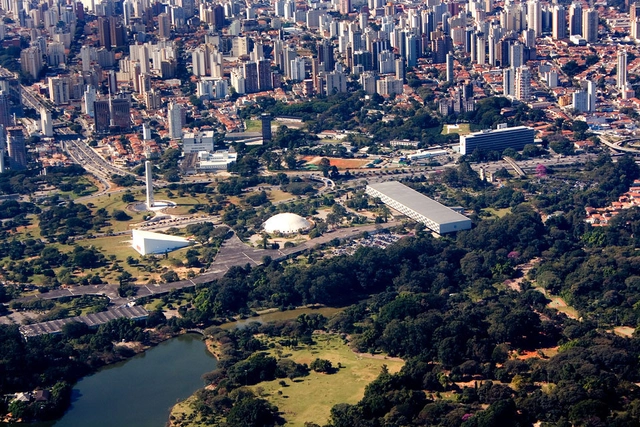
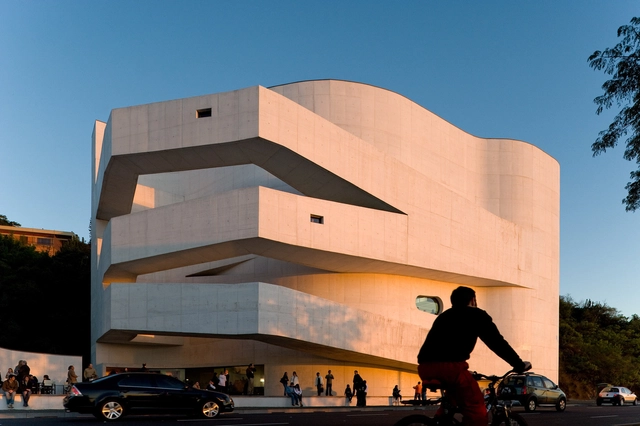
Ibirapuera Park. Photo: Fernando Stankuns on Visual Hunt / CC BY-NC-SA
Paulo Mendes da Rocha is currently the most admired and respected figure in Brazilian architecture. However, his extensive list of works narrowly missed including an intervention project for the work of another master, Oscar Niemeyer. Commissioned in 2015 by São Paulo's previous municipal administration to develop a redesign project for Ibirapuera Park, the proposal by the 2006 Pritzker Prize laureate was shelved in December of last year.
Porto Alegre will host the 21st Brazilian Congress of Architects in October 2019. Organized by the Institute of Architects of Brazil, the event will serve as a preparatory meeting for the 27th World Congress of Architects (UIA2020RIO), which will take place in Rio de Janeiro in 2020. The theme of this edition is Space and Democracy.
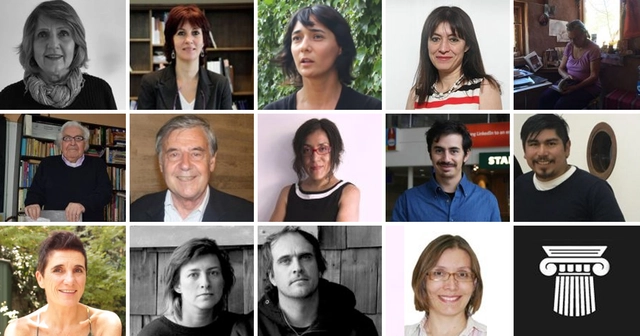
Ganadores de los Premios CA 2018. Línea superior: Beatriz Buccicardi (izq)., Pilar Barba, Verónica Arcos, Claudia Silva, María Magdalena Gutiérrez. Línea central: Osvaldo Cáceres, Gustavo Munizaga, Paulina Villalobos, Juan Pablo Urrutia, José Luis Catalán. Línea inferior: Cazú Zegers, Tania Gebauer, Eugenio Ortúzar, Claudia García Lima. Image Cortesía de Colegio de Arquitectos
On the occasion of the 75th anniversary of the Colegio de Arquitectos de Chile, the professional association has announced the winners of the 2018 CA Awards, the country's most important national honors.
Following a 2017 edition heavily criticized for the absence of women among the honorees, this year's awards not only introduced two new categories promoted by the Mujer Arquitecta organization—the Dora Riedel and Eliana Caraball awards—and another recognizing regional contributions, but women also swept 9 of the 12 categories awarded by the Colegio de Arquitectos to its members.
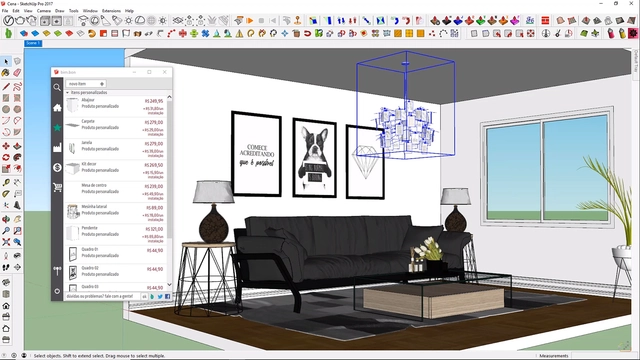
SketchUp is one of the most widely used digital modeling software programs in both professional practice and academia—and undoubtedly the most intuitive. However, the ease of creating orthogonal geometries can quickly turn into a nightmare when the goal is to design curved and organic shapes and objects.
With this in mind, Gabriel Chahoud of Chahoud Cursos released 30 video tutorials for what he called "SketchUp Month," sharing tips on how to model objects that, at first glance, seem complex to create in this software.
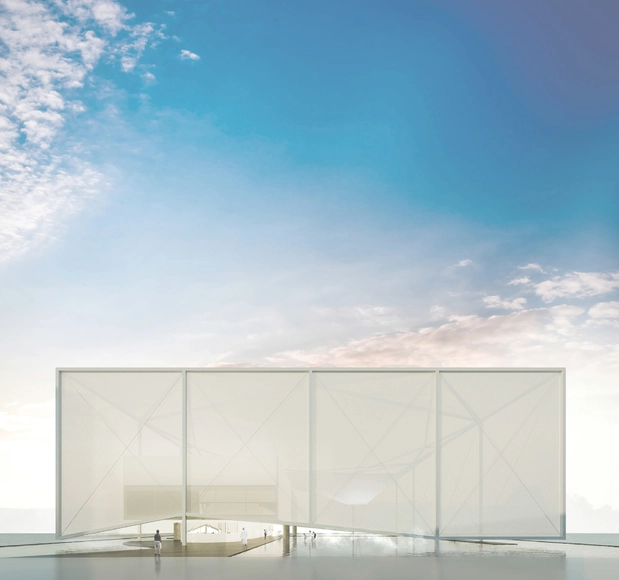
1st Place. Image via official website of the National Public Competition for Architecture and Exhibition Design – Brazil Pavilion at Expo Dubai 2020
The results of the competition for the Brazilian Pavilion at EXPO 2020 were announced today, November 12. The objective of the competition was to select a proposal and subsequently commission the complete Executive Project (Architectural Design, Complementary Engineering Projects, and Exhibition Design), construction supervision, consulting, and related services for the Brazilian Pavilion at the World Expo. The competition was promoted by Apex-Brasil (Brazilian Trade and Investment Promotion Agency) and organized by the Federal District Department of the Institute of Architects of Brazil (IAB/DF).
According to the competition brief, “the Brazilian Pavilion should highlight diversity with the theme TOGETHER FOR DIVERSITY, sub-divided into nature, people, and tomorrow (Together for Nature, Together for People, and Together for Tomorrow). These are the starting points for the architects to showcase the diversity of fauna and flora, the ethnic, creative, and cultural multiplicity of our people, and present Brazil as a unifying country, as well as a key global actor in international sustainability issues. The keyword summarizing the Brazilian theme is sociobiodiversity—and the Brazilian Pavilion, from its conception, must reflect this unique characteristic of the country.”
The Council of Architecture and Urbanism (CAU) has re-released the free guidebook on Technical Assistance for Social Interest Housing (ATHIS), originally published by CAU/SC. The 60-page document contextualizes this assistance work in relation to public authorities, the general public, and professionals, presenting different service delivery scenarios.
Brazil's greatest living architect, Paulo Mendes da Rocha does not appreciate architecture alone. Music is also part of his daily life, and this playlist—shared with us by his daughter, Joana Mendes da Rocha—features some of the musical preferences of our Golden Lion.
The Institut Ramon Llull has presented the project RCR. Dream and Nature_Catalonia in Venice in Barcelona, an exhibition showcasing RCR Arquitectes as part of the collateral events of the 16th Venice Architecture Biennale, set to open on May 26.
Representing Catalonia at the 2018 Venice Biennale, the project is co-curated by journalist Pati Núñez and architect Estel Ortega alongside the 2017 Pritzker Prize-winning firm. Together, they have created a space free of scale models or blueprints to "investigate and rethink humanity's relationship with the world, located at the La Vila estate in Vall de Bianya (Girona, Catalonia)," according to an official statement from the Catalan institute.
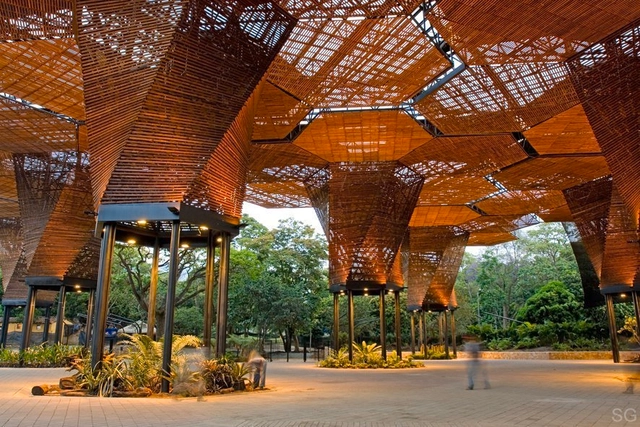
Thanks to its geographical and climatic characteristics, Bogotá has great potential for the development and enjoyment of nature tourism. The Colombian capital is bordered by the beautiful Eastern Hills, which connect with countless parks and trails that welcome visitors.
Among its natural wonders is the Sumapaz Páramo, the largest of its kind in the world. Exploring each of these places is undoubtedly an experience that few have the opportunity to enjoy and admire. As a result, numerous activities have sparked public interest in weaving together a city rich in environmental assets, including parks, rivers, wetlands, and gardens.



.jpg?1520927101&format=webp&width=640&height=580)
.jpg?1540313339&format=webp&width=640&height=580)