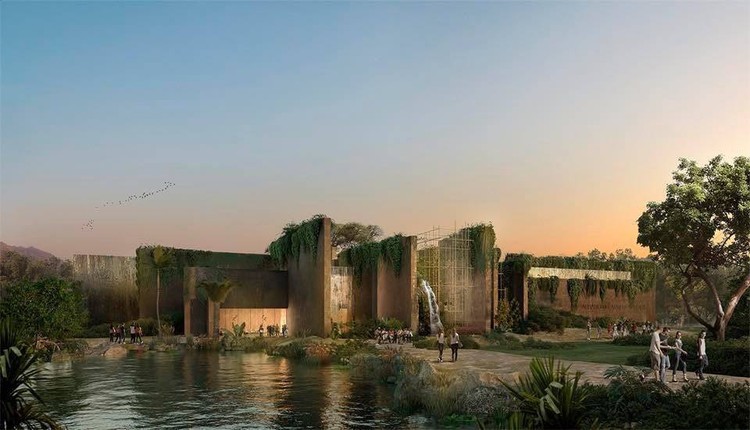
With an investment of 1.188 billion pesos, a new aquarium will be built in Mazatlán. According to local authorities, it will be the largest in Latin America, spanning 12,384 square meters, with 3,917 square meters allocated for outdoor areas and 9,441 square meters for interiors.
The Mexican architecture firm led by Tatiana Bilbao will head the project in collaboration with international companies, including San Francisco-based EHDD, San Diego-based TJP Engineering, and Chicago-based Space Haus.
Once the bidding process—expected to take three months from the release of the call—is complete, construction will take 24 months. This timeline is planned to avoid disrupting the operations of the existing aquarium.
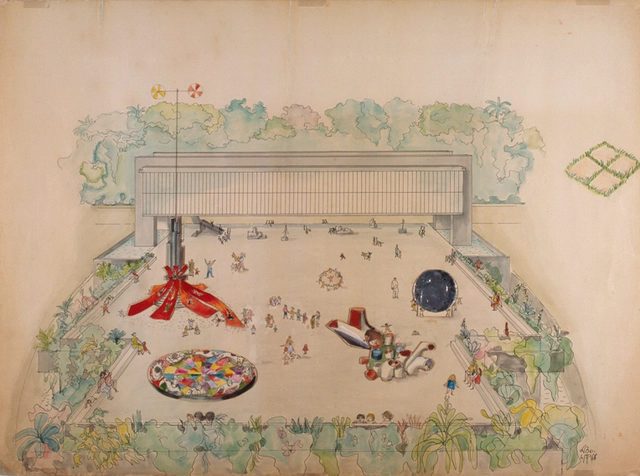
Lina Bo Bardi. Preliminary study – interactive sculptures for the Trianon Art Museum belvedere, 1968. India ink and watercolor on paper, 56.3 x 76.5 cm. MASP Collection, donation from the Instituto Lina Bo e P. M. Bardi
The theme “Women’s Histories, Feminist Histories” will guide the 2019 exhibition program at the Museu de Arte de São Paulo Assis Chateaubriand (MASP). Six solo exhibitions by female artists—Djanira da Motta e Silva, Tarsila do Amaral, Lina Bo Bardi, Anna Bella Geiger, Leonor Antunes, and Gego—have already been confirmed, alongside a major group exhibition sharing the program's title.
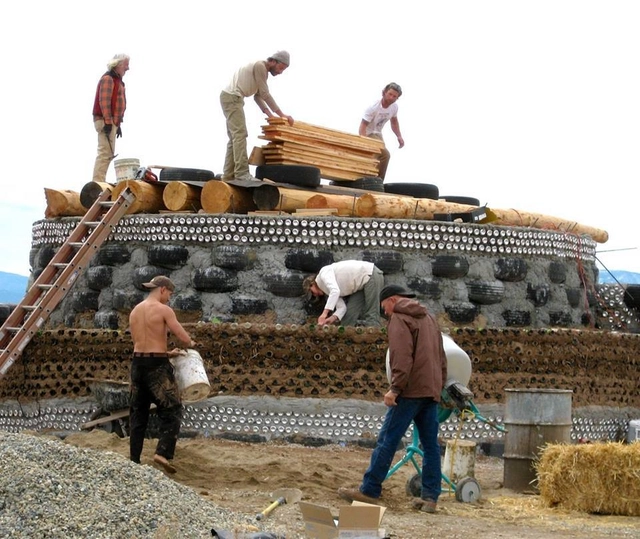
Bioconstruction is based on the principle that it is possible to build with a very low environmental impact. To promote this concept and present practical techniques, the Ministry of the Environment is offering a free online guidebook for training and information on the subject and its methodologies.
Although created for a course within the Support Program for Ecotourism and Environmental Sustainability in Tourism (Proecotur), the material is highly useful for anyone wishing to better understand bioconstruction and learn the details of different sustainable and environmentally friendly techniques.
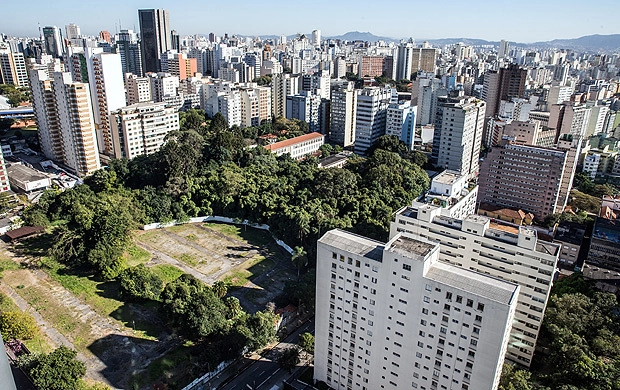
A happy ending to one of the disputes over the appropriation of urban space in São Paulo: the land that will house Augusta Park is finally becoming a public and common asset. After decades of impasse, the social, environmental, and cultural function of the city's last central woodland has prevailed over the right of the developers owning the land to exploit it by building high-rises.
https://www.archdaily.com/1113977/sao-paulo-gets-augusta-park-finallyRaquel Rolnik e Augusto Aneas
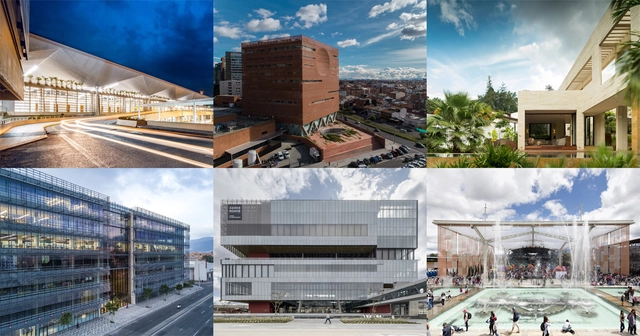
The Jury of the XXVI Colombian Biennial of Architecture and Urbanism has presented the list of projects and publications selected for the next edition of the event, which will be held once again in Cartagena this year.
Divided into eight categories, the 283 submitted projects were evaluated by an international jury comprised of Iñaqui Carnicero (Spain), Alejandro Beals (Chile), and Fabián Farfán (Bolivia), alongside local architects Germán Fonseca, Julián Rincón, Sara Giraldo, and Diego Aguilera.
The 108 finalist projects for the upcoming Colombian Biennial are:
The documentary FILME PAISAGEM, um olhar sobre Roberto Burle Marx (Landscape Film: A Look at Roberto Burle Marx) opens in theaters on November 15, showcasing the Brazilian landscape architect's profound contribution to the country's native flora. Written and directed by João Vargas Penna, the film is a journey through the art and personality of Roberto Burle Marx, who was also a painter, cook, and singer—lesser-known facets of his life to the general public.
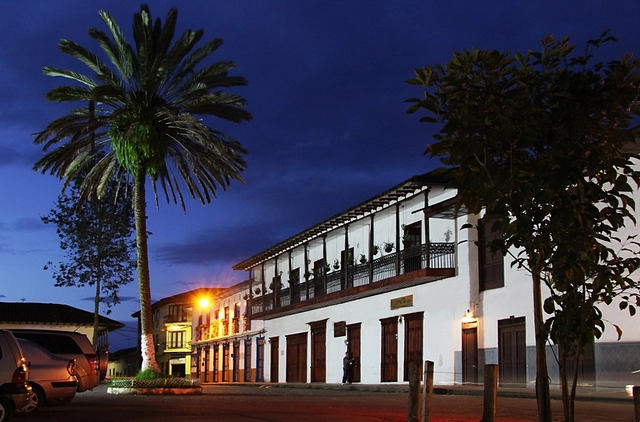
The vernacular architecture of bahareque was one of the first seismic-resistant building technologies in Colombia. By the late 19th century, this construction method was widely used across many regions of the South American country, valued for its earthquake resistance, speed of construction, and low cost. This was well before brick and sand-cement mortar arrived in cities like Medellín and Bogotá, eventually spreading to the rest of the country.
This construction method arose after its performance was analyzed as a viable system for implementation in different regions with high seismic activity. Its application leverages local, context-specific materials, making it a prominent vernacular technique in Colombia. It characterizes much of the colonial architecture still found today in historic centers and towns with rich heritage.
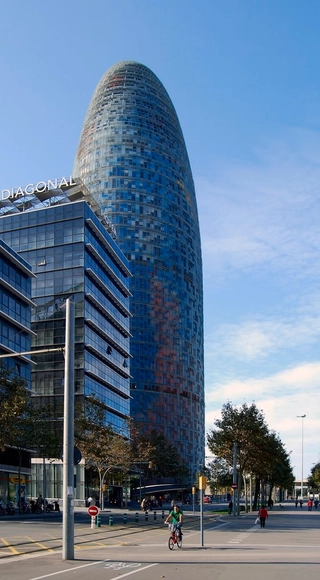
Although the Catalan political situation remains mired in uncertainty, companies seem to be regaining confidence in Barcelona as a location for their corporate headquarters, following the city's 2017 loss of the opportunity to host the European Medicines Agency (EMA) at Torre Glòries (formerly known as Torre Agbar) to Amsterdam.
Now, however, Facebook has chosen this tower—designed by architects Jean Nouvel and Fermín Vázquez (b720)—as the site for an operations center to combat and eliminate harmful content, such as fake news, on the social network.
https://www.archdaily.com/1114033/facebook-sets-up-offices-to-combat-fake-news-in-barcelonas-agbar-towerJavier García Librero
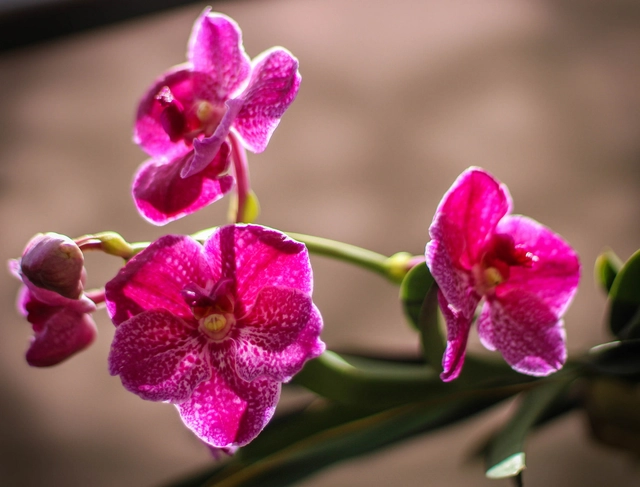
The orchid, or Cattleya trianae as it is scientifically known, is one of the most beautiful flowers. Its texture, combined with the variety of colors and species, makes this flower truly unique. It is estimated that Colombia has more than 3,500 species growing across nearly the entire country. Furthermore, the country has become the second-largest exporter of orchids in the world, behind only the Netherlands.
Colombia's first virtual herbarium of living orchid collections is a research project led by the Colombian Orchidology Society (SCO) with the support of the Humboldt Institute and the Corporation for Biological Research (CIB). The main objective is to establish and develop the virtual herbarium, backing it with a tissue bank. This initiative aims to promote and conserve the species through sustainable use as established in Colombia's orchid conservation plan.
UN-Habitat Executive Director Maimunah Mohd Sharif and Sheikh Mohammed bin Rashid Al Maktoum, Prime Minister of the United Arab Emirates and Ruler of Dubai, presented David Penchyna, Director General of Infonavit, with the Dubai International Award for Best Practices to Improve the Living Environment yesterday.
Established in 1996 to recognize global initiatives that excel in their contribution to sustainable urban development, this year's award was presented to the work led by INFONAVIT, within the framework of SEDATU's activities, carried out in collaboration with the UN-Habitat office in Mexico and with invaluable data contributions from local municipalities.
As you know, ArchDaily has joined forces with Spotify, the world's largest music streaming platform. From the start, we have been sharing our own playlists for those moments in the lives of all architects. We have also invited architects from Latin America and Spain to share the music that inspires them, or better yet, the sounds that have shaped their careers.
In this installment of ArchDaily en Español + Spotify, we share an ad hoc playlist to close out the year: Fiesta para Arquitectos. A constantly updated playlist to get the party started... while you edit your plans.
1º lugar. Image Cortesia de Concurso Público Nacional de Arquitetura para o Memorial às Vítimas da Kiss
The results of the National Public Architecture Competition for the Memorial to the Victims of Kiss were announced this Tuesday morning (April 10) in a ceremony held in Santa Maria. The project unanimously awarded first place was by the firm Motta e Zene Engenharia e Arquitetura, from São Paulo (SP), represented by architect Felipe Zene Motta. The ceremony also recognized the five ranked projects and the five that received honorable mentions.
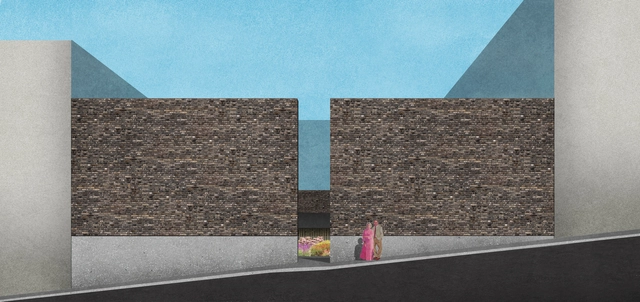
According to the jury, the proposal stands out for its appropriate urban integration and placement at the average level of the terrain, its symbolic character, and the delicacy of placing its focal point in a flower garden at the center of the exhibition. The project reinforces the emotional significance of the site of memory, while offering the city a narrative of the event that contributes to healing. Ease and simplicity of construction and maintenance are supported by the spatial organization of functions on a single level.
Alongside Tiê, an adventurous capybara, Lina sets off on a journey through ten public spaces around the world – such as the High Line in New York or Paulista Avenue in São Paulo – to discover the secrets of how cities are built. The two are the main characters of the book Casacadabra – Cidades para Brincar (Cities to Play), a new release from Pistache Editorial, which launches its crowdfunding campaign on April 16 on Catarse. The book features text by Bianca Antunes and Simone Sayegh, with illustrations by Luísa Amoroso. This is the second title in the Casacadabra series – the first, titled Invenções para morar (Inventions for Living), presented the architecture of ten houses around the world.
The São Paulo City Government has resumed discussions regarding property tax (IPTU) exemptions and discounts for landmarked buildings. Previously debated during the administrations of Gilberto Kassab and Fernando Haddad, the issue is currently the focus of a newly drafted bill.
The proposal limits the IPTU exemption to landmarked properties located in downtown São Paulo, within a perimeter that is still being defined. It will not apply to properties subject to general zoning restrictions, such as those in historically preserved neighborhoods like Jardins and Pacaembu.
Registration is now open for the 1st National Public Photography Contest organized by the Council of Architecture and Urbanism of Goiás (CAU/GO), under the theme “Historic Heritage in Architecture and Urbanism.” Submissions will be accepted until 4:00 PM on September 24 at the CAU/GO headquarters.
On the morning of March 10, 2018 (Beijing time), at the 2018 Civic Trust Awards ceremony held at Manchester's iconic Old Trafford stadium (home of Manchester United), OPEN's completed project, the “Tsinghua Ocean Center,” was honored with a Civic Trust Award!
Established in the UK in 1959, this prestigious award is highly regarded, because it recognizes not only outstanding project design but also its value to the public. From urban planning to public art, the awards consider the built environment within a broader context, driven by the belief that design must serve its users.
https://www.archdaily.com/1113669/uks-2018-civic-trust-awards-announced-tsinghua-ocean-center-designed-by-open-architecture-wins韩爽 - HAN Shuang
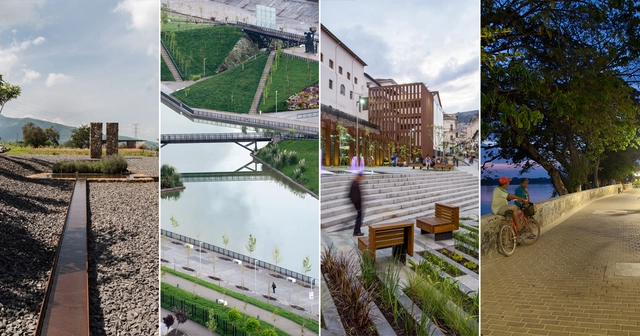
Yesterday, Monday (September 10), the 3rd Latin American Landscape Architecture Biennial announced the finalists for the competition, which will take place in Mexico City on September 26 and 27. Organized since 2014 by the Mexican Society of Landscape Architects (SAPM), the biennial seeks to highlight the role of landscape architecture in shaping the habitat in Latin America, with a particular emphasis on the environmental and social challenges facing the region.
"We seek to encourage participation in landscape construction to showcase the broad and diverse panorama of local interventions that ultimately help define a region sharing common challenges and solutions," the organizers state in the biennial's guidelines.
The 19 built works, unbuilt projects, and research papers meet the biennial's criteria, focusing on projects that respect the landscape and its values, demonstrate a commitment to sustainability, and integrate and address social issues, among other criteria.
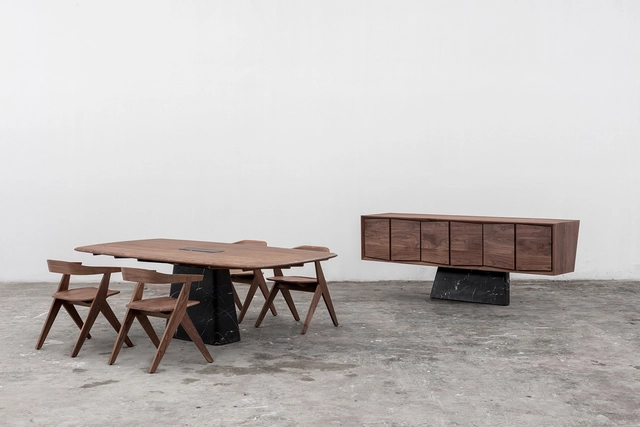
The Dolmen Collection is based on an exploration of balance between elements of different materialities. This exercise highlights the physical properties of stone and wood, creating tension between the suspended and supporting elements. Designed by Héctor Esrawe, Manuel Bañó, Federico Stefanovich, and Alejandro Ramírez, it comprises a dining table with chairs and a cabinet.
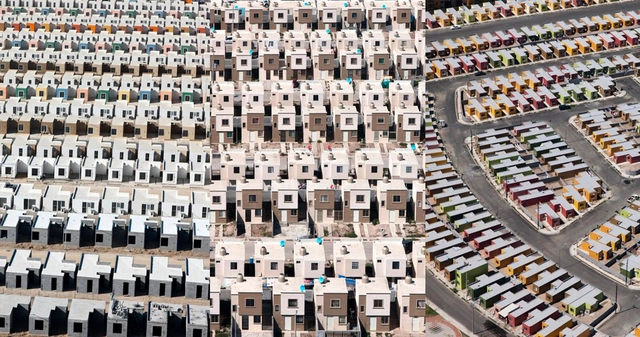
'Alta Densidad' (High Density) is a project by architect Jorge Taboada comprising a series of aerial photographs that depict the stories of a city. This series is presented as an "archaeological vestige" where "people lose their face and identity and become invisible."
The history of social housing in Mexico has come a long way, undergoing transformations that concern not only architecture, but also the organizations leading their construction and the government.
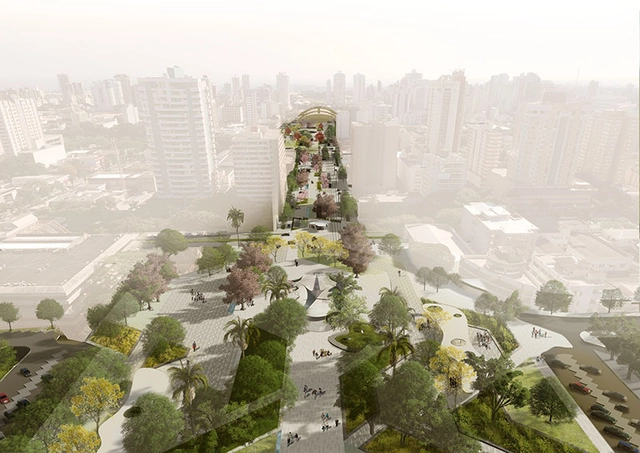
The official results for the National Competition for the Requalification of the Public Space of the Monumental Axis of Maringá have been released. This central urban area lies between Cathedral Square (Praça da Catedral) and the Vila Olímpica sports complex. Totaling approximately 169,000 square meters, the Monumental Axis includes gardens, public spaces, parking areas, and perimeter paving along the building facades. Due to the site's vast scale, proposals had to be presented in seven sectors to facilitate phased bidding and construction. The winning project was designed by a team comprising Pedro Paes Lira, Manoela Muniz Machado, Julia Marini, Laura Figueiredo, and Juliette Tellier from the firm Natureza Urbana, with landscape consulting by Bianca Vasone, Gabriella Ornaghi, and Lilian Dazzi, and engineering consulting by Alexandre Horiye Ferreira and Felipe Macedo Barbosa.
The jury, composed of architects and urban planners Haroldo Pinheiro, José Gilberto Purpur, Mario Figueroa, Orlando Busarello, and Renato Leão Rego, selected the following winners:
This discrepancy was highlighted in a petition on Change.org addressed to Jordi Ludevid, then-president of the CSCAE, in which the signing architects called for greater active participation of women at all stages of the process, seeking equal representation with their male colleagues.
https://www.archdaily.com/1113704/women-architects-in-spain-join-forces-to-create-their-own-association-amaeJavier García Librero
An inseparable figure from Brasília, Athos Bulcão is responsible for works that bring color and geometric patterns to the purity of the federal capital's architecture. To promote the artist's work, the National Institute of Historic and Artistic Heritage (Iphan) launched the book Athos, Colorindo Brasília, the first volume of the Patrimônio para Jovens collection, an initiative by Iphan's Federal District office and the Federal District Department of Education (SEDF).
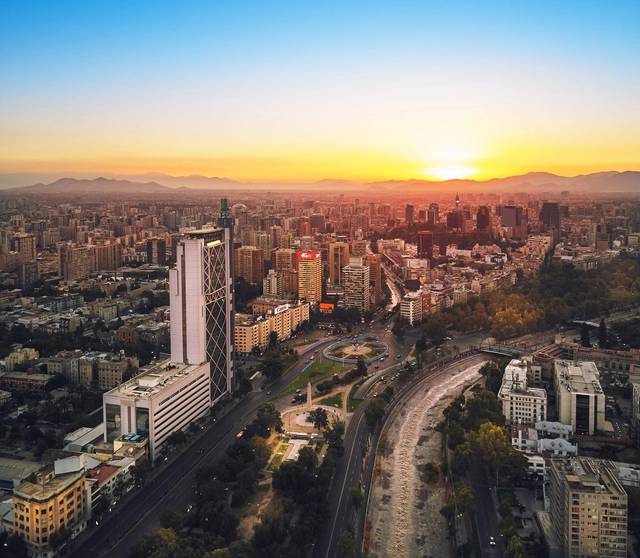
After two editions at the Parque Cultural de Valparaíso, the Chilean Biennial of Architecture and Urbanism will return to Santiago in 2019. On Wednesday, June 6, the Mayor of Santiago, Felipe Alessandri, and the President of the Chilean Association of Architects, Humberto Eliash, signed the official agreement during a ceremony at the Mercado Matadero Franklin, which was attended by city council members, Minister of Housing and Urban Development Cristián Monckeberg, undersecretaries, regional authorities, and other officials.
During the ceremony, organizers confirmed that the 21st Biennial will take place in October 2019, with both the Mercado Matadero Franklin and the Teatro Huemul serving as the main venues for the country's premier architectural event.

.jpg?1525983268 "via Enfoque Informativo")
.jpg?1525983259 "via Enfoque Informativo")
.jpg?1525983252 "via Enfoque Informativo")
.jpg?1525983245 "via Enfoque Informativo")





.jpg?1520927101&format=webp&width=640&height=580)

.jpg?1540313339&format=webp&width=640&height=580)