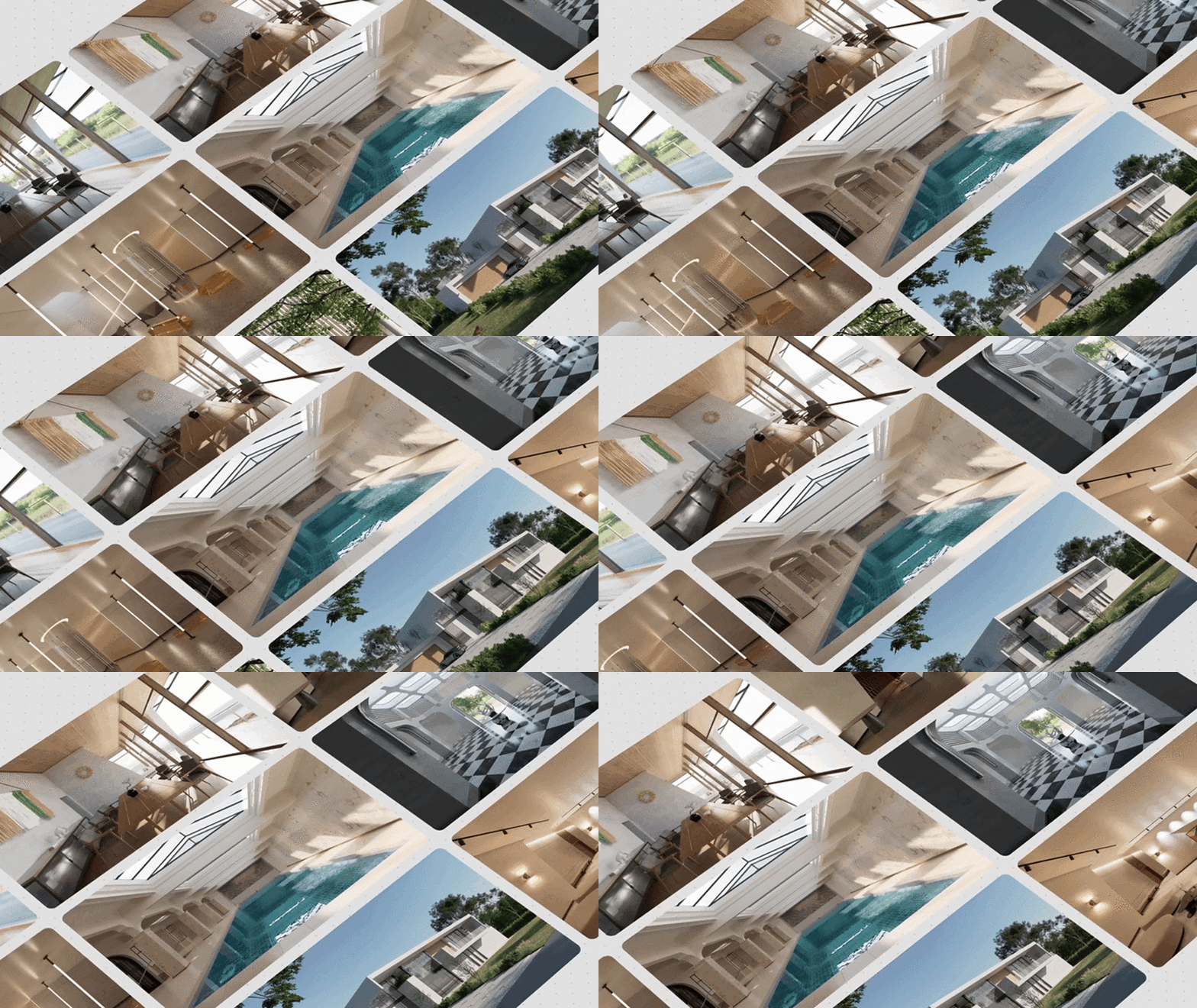
How to visualize architectural concepts in SketchUp using D5 Lite for faster design exploration.
How to visualize architectural concepts in SketchUp using D5 Lite for faster design exploration.
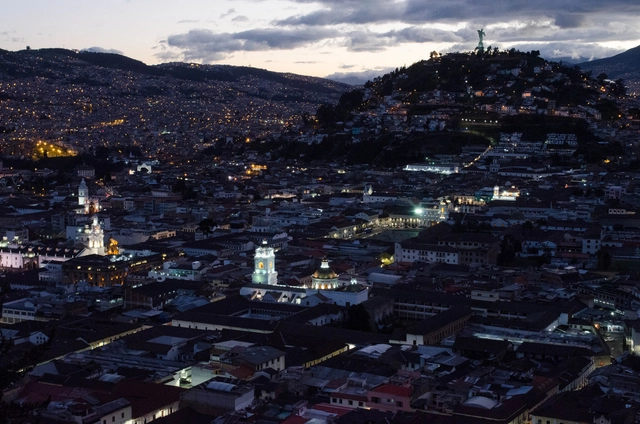
With one month to go before its opening, the details of the official program for the 21st Pan-American Architecture Biennial of Quito (BAQ2018) have been announced. Marking its 40th anniversary, the event will focus its dialogue and debate on architecture itself.
To be held from November 19 to 23 in the Ecuadorian capital, the event offers a prime opportunity to discuss and debate a discipline that, in recent years, has seen a decline in the spaces dedicated to fostering such encounters and dialogue.
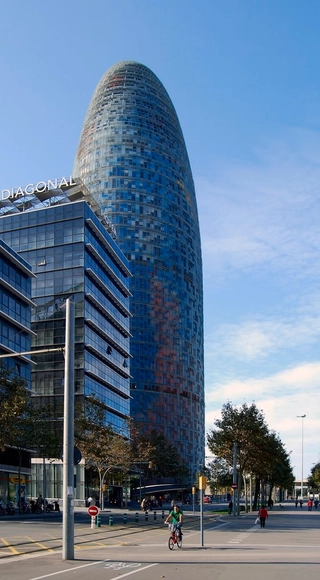
Although the Catalan political situation remains mired in uncertainty, companies seem to be regaining confidence in Barcelona as a location for their corporate headquarters, following the city's 2017 loss of the opportunity to host the European Medicines Agency (EMA) at Torre Glòries (formerly known as Torre Agbar) to Amsterdam.
Now, however, Facebook has chosen this tower—designed by architects Jean Nouvel and Fermín Vázquez (b720)—as the site for an operations center to combat and eliminate harmful content, such as fake news, on the social network.

National Architect and Urban Planner Day, celebrated on December 15, has officially become law. Law 13,627/2018, which adds the date to the official Brazilian calendar, was signed into law by the Presidency of the Republic on January 16. This marks an important step in the process of professional recognition initiated by CAU/BR and regional CAUs since their creation in 2011. The Council began operating precisely on December 15 so that its establishment would coincide with the birth date of Oscar Niemeyer.

The Brazilian Institute of Geography and Statistics (IBGE) released last week the 2017 edition of the Profile of Brazilian Municipalities (Munic). According to the document, fewer than half of Brazilian cities have structured planning for housing. The report points out that last year, of the country's 5,570 municipalities, 59.6% had some type of housing-directed initiative, but only 39.7% had a Municipal Housing Plan.
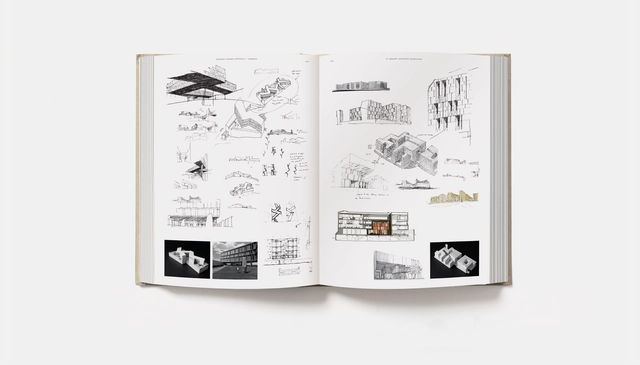
Phaidon recently published Elemental, a monograph that fully illustrates the social commitment and methods of Alejandro Aravena and his colleagues.

A historical platform available online offers a look at the last one hundred years of architectural competitions in Uruguay, exploring the shape of the city its society set out to imagine.
100 Years of Architecture Competitions in Uruguay is a project created by authors Virginia Delgado, Francisco Magnone, and Marcelo Staricco (architects and design instructors, DEAPA - FADU, UdelaR) along with research advisor Mag. Arch. Diego Capandeguy.

The crowdfunding campaign to produce the 2019 Athos Bulcão Illustrated Calendar is now live. Through November 28, the public can contribute to the production and distribution of 6,000 copies of the calendar. In return, supporters will receive copies of the publication alongside rewards featuring the artist's work, such as bookmarks, postcards, books, tote bags, magnet sets, mouse pads, silver jewelry, and even framed tiles, as well as having their names printed in the acknowledgements section. Supporters can view the rewards and make their contributions on Catarse.
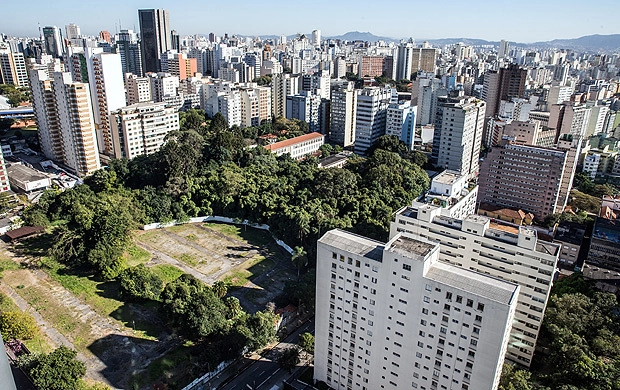
A happy ending to one of the disputes over the appropriation of urban space in São Paulo: the land that will house Augusta Park is finally becoming a public and common asset. After decades of impasse, the social, environmental, and cultural function of the city's last central woodland has prevailed over the right of the developers owning the land to exploit it by building high-rises.
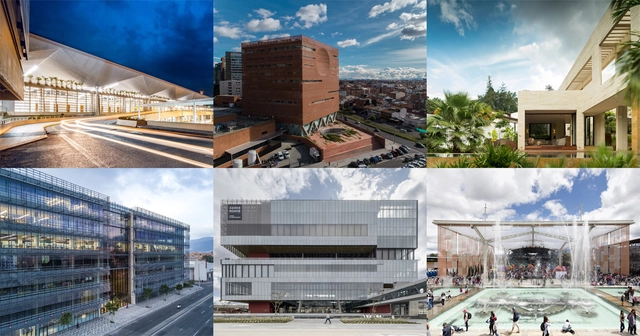
The Jury of the XXVI Colombian Biennial of Architecture and Urbanism has presented the list of projects and publications selected for the next edition of the event, which will be held once again in Cartagena this year.
Divided into eight categories, the 283 submitted projects were evaluated by an international jury comprised of Iñaqui Carnicero (Spain), Alejandro Beals (Chile), and Fabián Farfán (Bolivia), alongside local architects Germán Fonseca, Julián Rincón, Sara Giraldo, and Diego Aguilera.
The 108 finalist projects for the upcoming Colombian Biennial are:
The documentary FILME PAISAGEM, um olhar sobre Roberto Burle Marx (Landscape Film: A Look at Roberto Burle Marx) opens in theaters on November 15, showcasing the Brazilian landscape architect's profound contribution to the country's native flora. Written and directed by João Vargas Penna, the film is a journey through the art and personality of Roberto Burle Marx, who was also a painter, cook, and singer—lesser-known facets of his life to the general public.
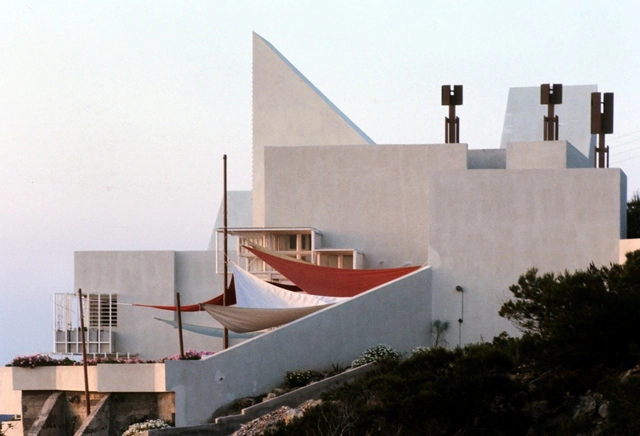
The Van der Driesche House, designed by Spanish architects José Antonio Martínez Lapeña and Elías Torres Tur—winners of the 2016 National Architecture Award—has narrowly escaped demolition, avoiding yet another loss of contemporary Spanish architectural heritage to cultural insensitivity.
On Tuesday, September 18, the Island Council of Ibiza approved a decree suspending the demolition of the Van der Driesche House for up to three months. Because the building is currently neither listed nor declared of cultural interest, the next step is to take the necessary measures to preserve its cultural value, preventing any work or intervention that could alter the complex's original features.

On August 30, the press conference for the 2018 Beijing Design Week - 751 International Design Festival was held at the Geyuan space in Beijing's 751D·PARK. Wang Yudong, General Manager of Beijing Design Week, and Zhang Junyuan, General Manager of 751D·PARK Cultural Development Co., Ltd., delivered opening remarks. The event was attended by Per Boesgaard, Sector Counselor for Sustainable Urban Development at the Royal Danish Embassy, Bart Hofstede, Cultural Counselor of the Dutch Embassy, and over 40 Chinese and international media representatives.
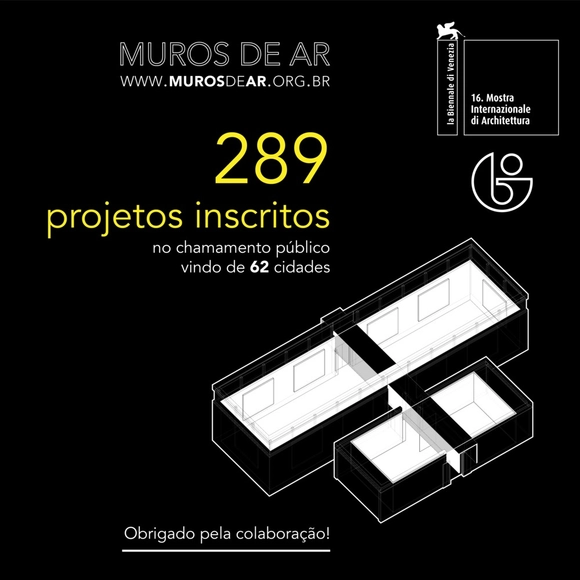
The open call for projects for the Brazilian Pavilion at the 16th International Architecture Exhibition of the Venice Biennale closed on Friday, January 19, at 11:00 p.m., after being open to the public for one month.
The initiative aimed to find projects across Brazil that demonstrate architecture as a tool to mediate conflicts, nego
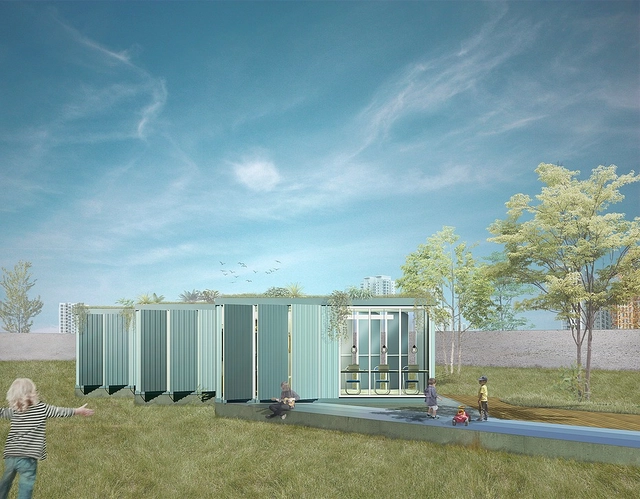
The Agisa Todeschini Ideas Competition brought together architects and students of architecture and urbanism to select and award the three best free-design concepts utilizing one or more habitable modules as an interactive space for the beneficiary institution. In addition to a cash prize, the competition winner will design a furnished habitable module to be built and donated to Lar Infantil Sol Amigo—an organization supporting vulnerable children in Curitiba—to serve as an educational and interactive space.
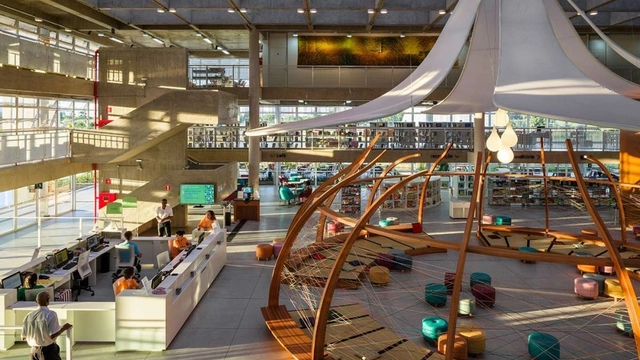
The Villa-Lobos Park Library (BVL), in the western zone of São Paulo, is one of five finalists for the best public library award from the International Federation of Library Associations and Institutions (IFLA), the industry's most prominent international organization. The Villa-Lobos Park Library was built on the site of a former open-air landfill. The revitalization of the area led to the creation of a free-entry, open-access reading space, modeled after the São Paulo Library in Youth Park (Parque da Juventude), which has also competed for another international award.
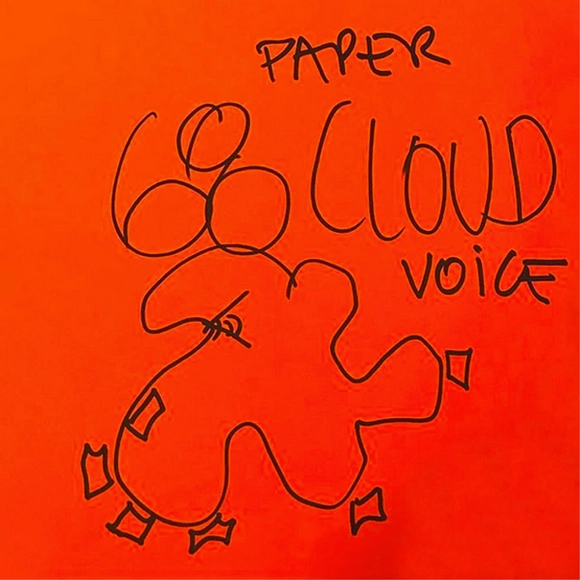
Chilean architect Smiljan Radic, along with Patricio Mardones, are the curators of the exhibition CLOUD '68 - PAPER VOICE, which will be on display from March 14 to May 18, 2018, at the Department of Architecture, ETH Zurich, Hönggerberg in Switzerland.
This exhibition commemorates the 50th anniversary of the social revolution of May 1968, paying tribute to radical European thought and its architecture from 1950 to 1970, which generated diverse perspectives of expression and design forms.
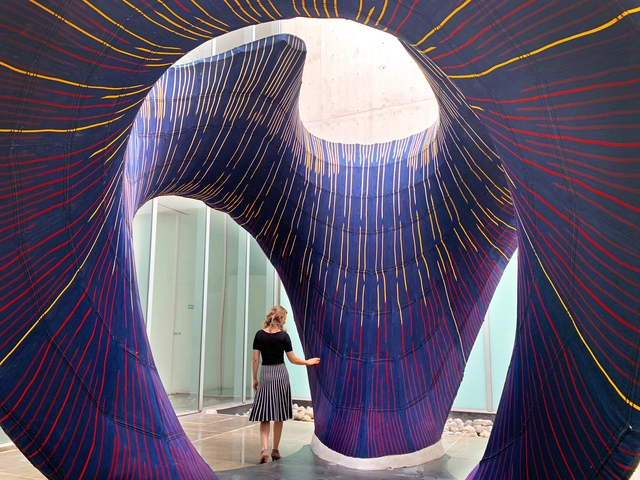
As part of Zaha Hadid Architects' first exhibition in Latin America, the Museo Universitario de Arte Contemporáneo (MUAC) in Mexico City is hosting an experimental structure that pays tribute to Mexican architect and engineer Félix Candela. "Design as Second Nature" showcases several projects by architect Zaha Hadid through models, audiovisual materials, paintings, and photographs, exploring her practice's creative process and highlighting the importance and complexity of design as the articulating axis of forms and construction processes in her work.
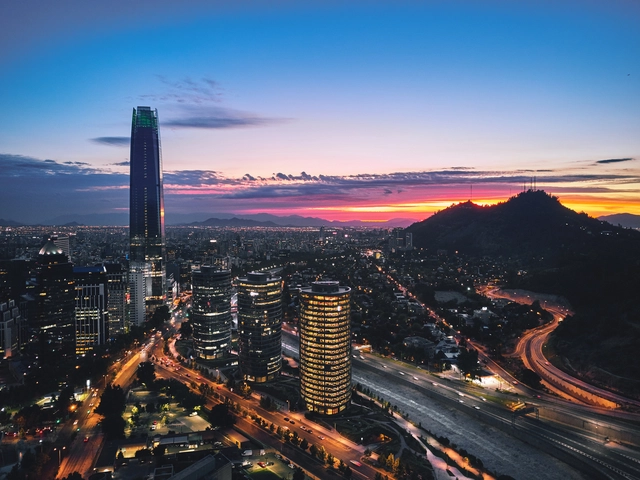
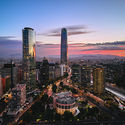
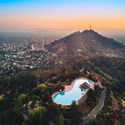
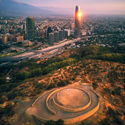
Offering a perspective unusual for locals, Instagram user Deensel photographed Santiago by drone during a visit to Chile. The results feature bucolic sunsets over Santa Lucía Hill, cool summer nights in the city's dense downtown, and unprecedented views of the so-called Sanhattan district, crowned by the Costanera Center —the tallest skyscraper in Latin America— and the Titanium Tower.
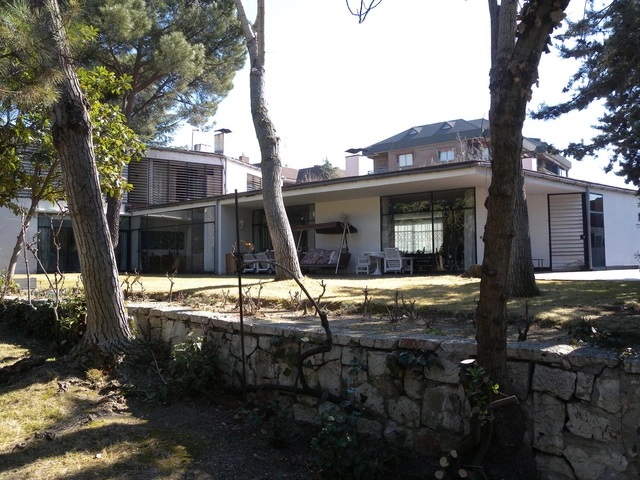
The tragic end in early 2017 of the Guzmán House, designed by architect Alejandro de la Sota, seems poised to repeat itself—this time with the Vallet de Goytisolo House, one of three works built in the capital by José Antonio Coderch (1913-1984), a prominent 20th-century Spanish architect, and his partner Manuel Valls.
According to the newspaper El Mundo, the General Directorate of Cultural Heritage of the Community of Madrid has issued a report rejecting the designation of this example of modern residential architecture—located at 5 Belisana Street in Madrid's Ciudad Lineal district—as a heritage site.
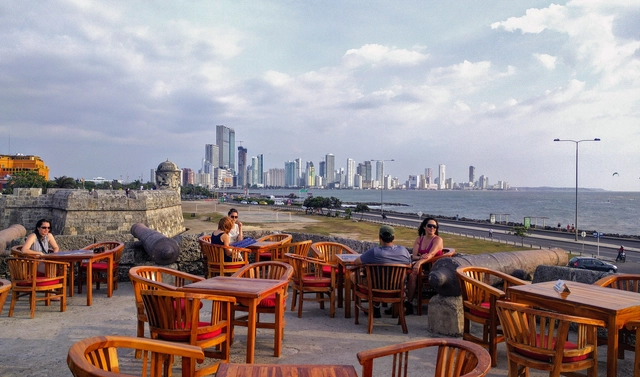
The construction of a four-tower housing complex just steps from the historic center threatens Cartagena (Colombia)’s status as a UNESCO World Heritage site. The community is currently awaiting a judicial ruling on the Aquarela case, the name of the multi-family social housing (VIS) project.
According to statements by the Bolívar Business Council (Consejo Gremial de Bolívar)—the organization tasked with promoting competitive development in the city and department—the situation is delicate, as the advanced stage of construction complicates potential decisions. Given that the city is one of Latin America's primary tourist destinations, the lack of oversight from national and local authorities—who failed to act in accordance with the planning principles outlined in Article 2 of the Colombian Constitution—is difficult to explain.
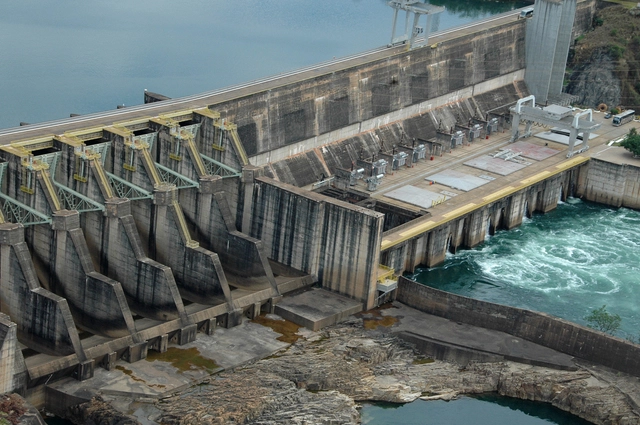
Two young entrepreneurs from Curitiba have developed a technological innovation that brings a long-held dream within reach for many Brazilians: owning a personal power plant. As reported by Tribuna do Paraná, mechanical engineers Felipe Wotecoski (31) and Juliano Rataiczyk (30) have created a device capable of generating electricity in a backyard with minimal environmental impact.
Similar in size to a four-burner stove, the micro-plant can generate up to 720 kilowatt-hours (kWh) per month—enough electricity to power three to four homes and feed the surplus back into the grid. According to the engineers, this output translates to savings of approximately R$ 500 per month on electricity bills.
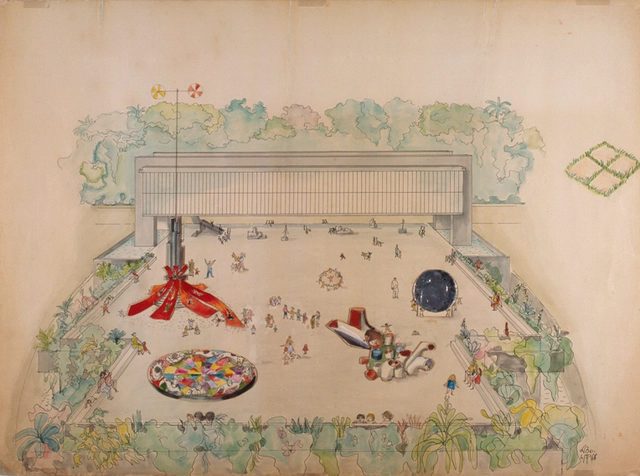
The theme “Women’s Histories, Feminist Histories” will guide the 2019 exhibition program at the Museu de Arte de São Paulo Assis Chateaubriand (MASP). Six solo exhibitions by female artists—Djanira da Motta e Silva, Tarsila do Amaral, Lina Bo Bardi, Anna Bella Geiger, Leonor Antunes, and Gego—have already been confirmed, alongside a major group exhibition sharing the program's title.
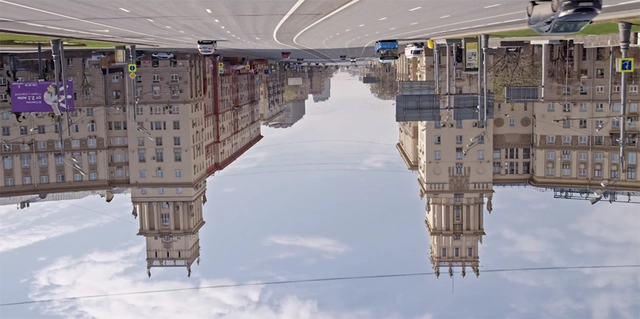
The Arquiteturas Film Festival, one of the most prominent film festivals dedicated to cinema addressing architecture and cities, has announced the list of award-winning films for its 2018 edition. In its 6th edition, the festival, which is an independent project promoted by DYMA – Do You Mean Architecture, focused on "exploring what we learn from the futuristic, utopian, or hyper-realistic stories that have been shaping our visual culture through cinema."
Believing that “there is no cinema without architecture,” the objective of Arquiteturas is to discover and present films that foster meaningful contemporary debates and broaden the viewer's critical thinking.
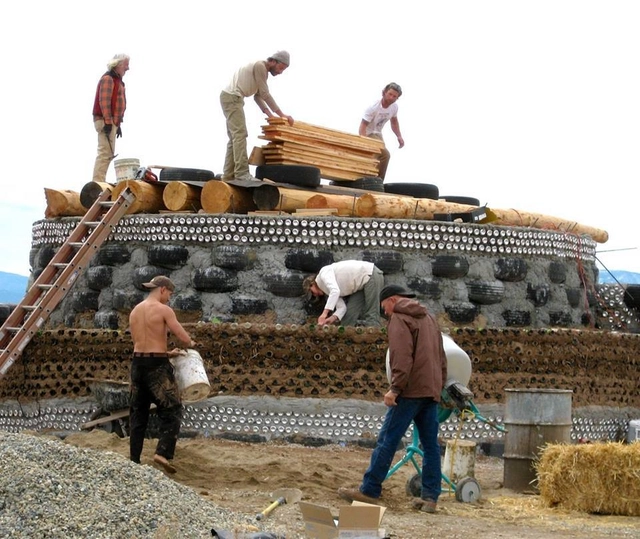
Bioconstruction is based on the principle that it is possible to build with a very low environmental impact. To promote this concept and present practical techniques, the Ministry of the Environment is offering a free online guidebook for training and information on the subject and its methodologies.
Although created for a course within the Support Program for Ecotourism and Environmental Sustainability in Tourism (Proecotur), the material is highly useful for anyone wishing to better understand bioconstruction and learn the details of different sustainable and environmentally friendly techniques.