Colombia's topography features both plains and mountainous areas. Despite the challenges this poses for urban development, the country's major cities—from its capital, Bogotá, to Medellín and Cali—have been founded upon it. While this topography has posed significant challenges for construction and mobility, it has also paved the way for innovation, inspiring architectural projects that seamlessly integrate with the mountainous terrain, adapt to their specific altitude, and reflect regional culture.
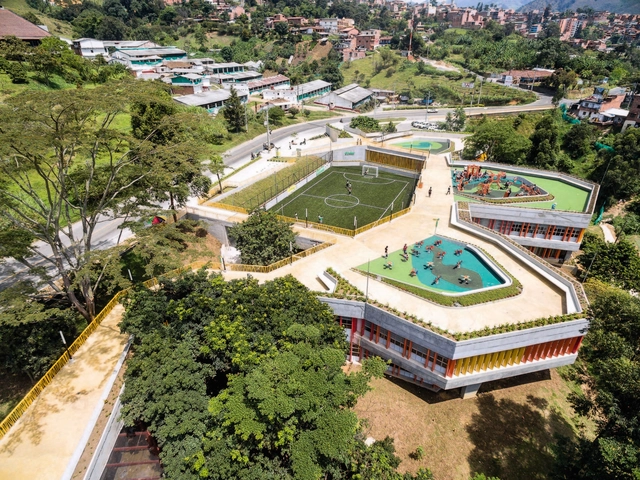
Colombian practices Urbanittá and Lumaa have been awarded first place in the competition to design the Comfamiliar recreation park in Huila, Colombia.
This initiative is part of the organization's mission to expand its recreational services in the southern region of the department. The project entails the construction of a recreation center in Pitalito, strategically located near major cultural and tourist attractions, including the Tatacoa Desert and the San Agustín, Alto de los Ídolos, and Alto de las Piedras archaeological parks.
Out of 132 cities across 23 countries worldwide, a Colombian city has once again won the One Planet City Challenge, an initiative organized by the World Wide Fund for Nature (WWF) to recognize urban centers taking action for sustainability.
The winning city is Montería, which was recognized during the Global Climate Action Summit held in San Francisco, United States, on September 12. Awarded for the fourth consecutive year, the Colombian city was highlighted for implementing sustainable mobility through urban design modifications, such as the construction of bike lanes and pedestrian pathways. Additionally, Montería was recognized for integrating strategies in its agricultural sector, particularly in cattle ranching, which is known to be a major contributor to the greenhouse effect.
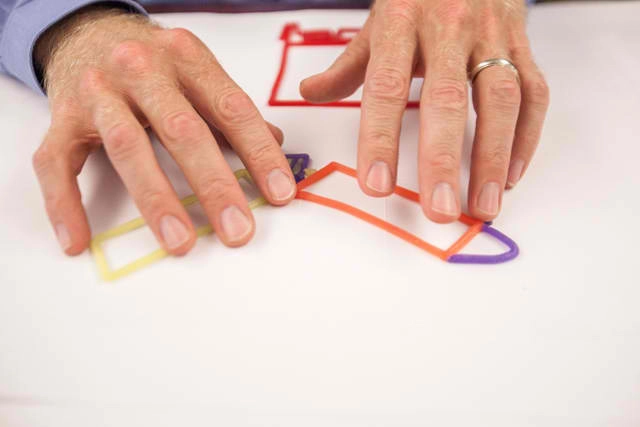
The dynamics of city dwellers are shaped by their daily routines, including the work they perform, their schedules, and their chosen mode of transportation. Furthermore, physical and mental conditions underpin how people interact with the streets. This experience is entirely subjective, determined by factors such as age, height, or any physical condition involving the loss of a sense or limb.
People walk, crossing at traffic lights when they see the signal change, while simultaneously listening to a playlist on their phones. They recognize textures because they see them, and they track the direction of the wind visually. They perceive the city without deeply engaging with the sensory information they receive.
Walking the streets of Bogotá, one is inevitably captivated by the mix of artistic currents across every block. The diverse constructions reflecting history, the passage of time, and the survival of houses and buildings in the face of the city's imminent spatial shifts create a sort of architectural palimpsest—where some structures are repurposed and spaces are renovated, yet the imprint of history endures.
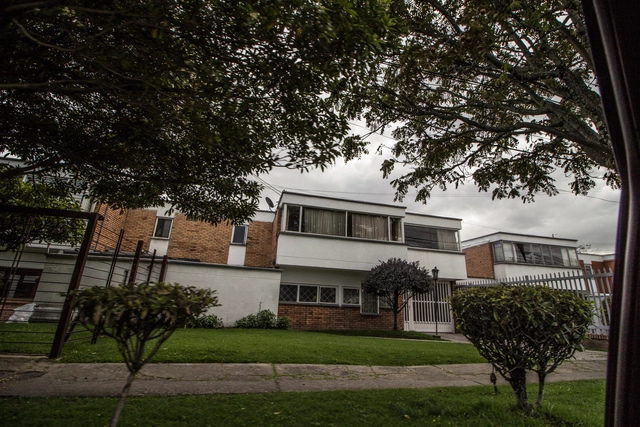
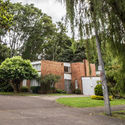
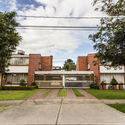
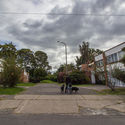
Indeed, the Niza Antigua neighborhood was one of the districts declared a cultural heritage site. Designed by architect Willy Drews in the 1960s, its location—at the time far from Bogotá's financial and commercial center—prompted a series of shifts in the lifestyles of its residents, while the absence of fences and the proximity between houses fostered a strong sense of community among neighbors.
Located 2,600 meters above sea level is the so-called “green lung” of the city of Bogotá. This is Simón Bolívar Central Park, recognized as the most important and largest in the Colombian capital. Geared toward recreation, sports, and cultural events, this space is located in the locality of Barrios Unidos, making it easily accessible to most residents and tourists. On this day, December 15, 1991, its official inauguration took place.
In an interview with the newspaper El Colombiano, designer and mobility expert Mikael Colville-Andersen analyzed the current state of mobility in Medellín, one of Colombia's largest and most influential cities. “Walking or riding a bike in Medellín is like a video game,” the Danish expert explained.
Major Colombian cities face numerous questions surrounding the relationship between mobility, culture, politics, and society. The capital of Antioquia is no exception, according to the cycling and urban planning expert, who was visiting the city for the second time after a previous trip in 2016.
Every Sunday morning, 120 kilometers of Bogotá are transformed into an extensive cycling circuit. This is La Ciclovía, a cultural and recreational initiative in which some of the Colombian capital's streets are designated as wide bike paths, allowing both residents and tourists to travel across Bogotá by bicycle.
In a radio interview broadcast by RCN, architect Jaime Ortiz recalls the origins of the ciclovía in the 1970s, when it emerged as a proposal developed alongside other architects to open up major avenues as cycling spaces every Sunday.
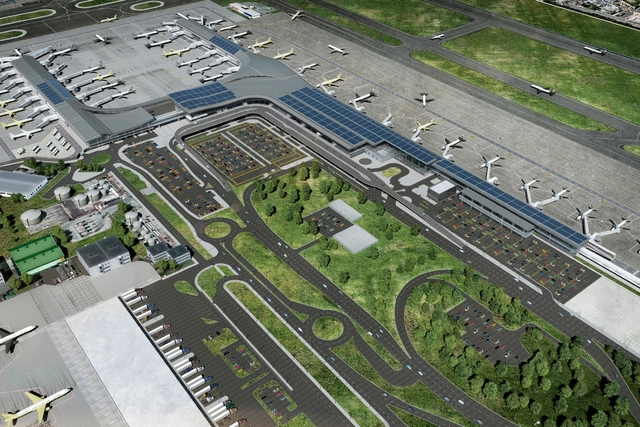
A solar energy system has been under construction since September of this year at El Dorado International Airport in Bogotá, Colombia. It is currently billed as the largest photovoltaic project in Latin America, according to local and international media outlets such as El Tiempo and EFE.
Set to begin operations in the first quarter of 2019, the installation will feature over 10,000 solar panels and have a capacity of 2,800 kWp. It will generate 3,815,000 kWh annually, equivalent to the energy consumed by 1,590 homes. Additionally, the project will use 89.4 km of cabling—a length comparable to the distance between Bogotá and Villavicencio.
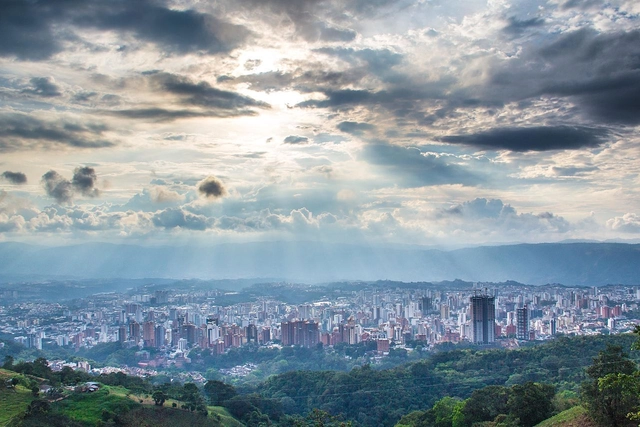
The cities of Bucaramanga (Colombia) and Cipolletti (Argentina) are the winners of the second edition of the international competition “City for People,” organized by the Government of the City of Buenos Aires and the Inter-American Development Bank (IDB).
The award ceremony, held in Buenos Aires, recognized the Argentine city in the Sustainable Mobility category for its proposal to implement a sustainable mobility plan designed for youth. Meanwhile, the Colombian city won in the Reviving Cities category with the renovation of the Patio de los Edecanes, a late-18th-century structure in downtown Bucaramanga.
Espacio Odeón in Bogotá has announced the winning projects for the open call Odeón o de la contingencia. This marks the Colombian venue's fourth exhibition cycle, for which curators Alejandro Martín Maldonado and Estudio Altiplano have organized an architectural competition that explores the spatial conditions of Odeón, as well as its history, present, and future.
According to the organizers, the exhibition "will present proposals that intervene in the building and question—through humor, play, and fiction—its spatial, heritage, urban, and economic conditions, while speculating on new ways of inhabiting, intervening in, and maintaining it."
La Casa Ensamble Chacarrá / Ruta 4. Image Cortesía de Ruta 4
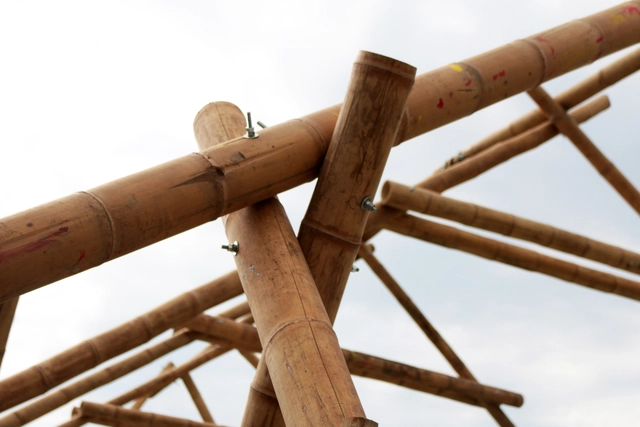
As a subspecies of bamboo, guadua has been used as a construction material from the Spanish conquest to the present day. Its strength, lightweight nature, and flexibility offer numerous structural advantages and applications. Since it is native to the forests of Colombia and Ecuador, it has been widely used in local building projects. Additionally, its ease of cultivation and processing makes it a highly sustainable material.
This selection highlights six projects where guadua has been used as both a structural and aesthetic resource.
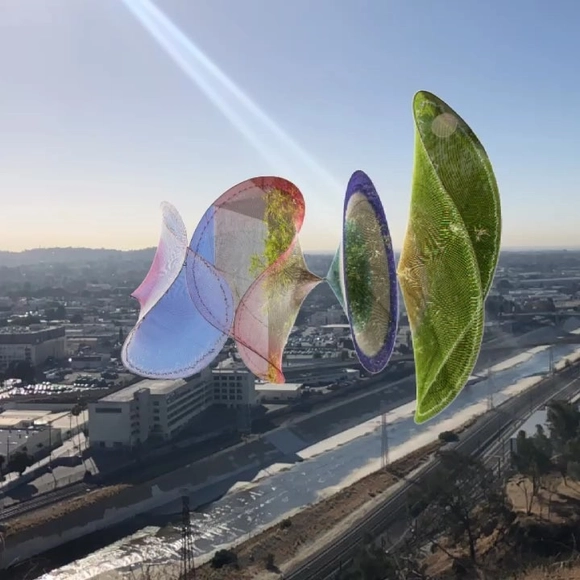
Colombian artists Carolina Caycedo and Gala Porras-Kim arrive in the United States with two augmented reality art installations. These projects seek to convey social, economic, and environmental issues through augmented reality.
These installations are part of the project “Defining line,” which leverages the reach of technology through a free mobile application, democratizing access and virtually bringing people closer to works of art.
Bogotá is well-known for its diverse public markets, which not only host the sale of meat, grains, fruits, and vegetables, but also serve as spatial representations of Colombian culture.
These traditional establishments have grown alongside the city's population, undergoing significant spatial transformations over time. For locals, they remain the essential place for grocery shopping, while for tourists, they are major attractions offering a sensory exploration of Colombia's diverse flavors, aromas, and textures.
Through the Urban Development Corporation (EDU) and the Colombian Society of Architects (SCA), last November Medellín launched an international call for proposals to design a space for memory and reflection on the period between 1983 and 1994 at the site of the demolished Monaco Building, the former residence of drug lord Pablo Escobar.
Here, we present the proposal by Taller Síntesis, which outlines a new way of telling history through space, inviting reflection on the past while honoring the lives of the victims of drug trafficking. According to the designers, "over time, this building has become a tourist destination for visitors arriving in Medellín who want to learn about the figure behind television shows that fail to faithfully reflect the reality of this era of drug trafficking."
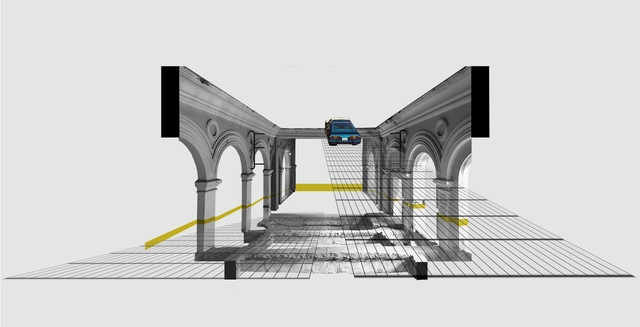
Perspectiva general. Image Cortesía de Taller Alterno
The Colombian firm Taller Alterno, alongside Laura Flórez and Alexander Jiménez, won the competition for the Rumipamba Park in Pasto, Colombia. Sponsored by the Mayor's Office of Pasto and the Colombian Society of Architects (Nariño Chapter), the architectural competition awarded first place to the proposal “Rumipamba | Parque Botánico” (Rumipamba | Botanical Park), a project that proposes a green oasis in the heart of the capital of Nariño, aiming to make a positive environmental impact while simultaneously offering a recreational space for citizens.
Germán Tamayo, one of the lead designers, told Diario del Sur: “This is an understated proposal, using simple and sustainable materials, where we wanted to evoke the city's topography and bring it inside the park. As a result, we designed spaces for community life, encounters, small events, and gatherings.”
Music is a vital connection to culture. While it serves as a source of entertainment, it is also a medium for communicating ideas and expressing artistic creativity. Through romantic, social, political, or historical themes, every song evokes memories and emotions.
Although there is an endless array of genres today compared to decades past, music still allows us to travel the world without leaving home through its lyrics and music videos. With this in mind, we have compiled a list of 10 songs that not only feature the names of cities in their titles, but also, through their lyrics and visual storytelling, capture the essence of each place—whether capitals or not—bringing to life the magic of their architecture and streets.
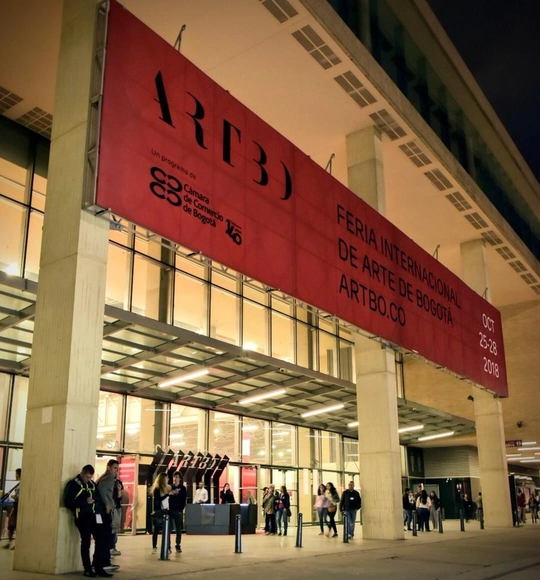
During the Bogotá International Art Fair (ARTBO), held between October 24 and 28, Colombian artist Miller Lagos was awarded the second edition of the Kubik Prize. According to the organization, the prize “commissions a project that bridges art and architecture from an innovative perspective for the benefit of the city and its inhabitants.”
“In his recent work, the artist has undertaken projects in public spaces, examining the relationship between human populations and their bodies of water,” Kubik Lab stated, explaining its decision.





.jpg?1545014447&format=webp&width=640&height=580)