Rodrigo Vielmo Moura

BROWSE ALL FROM THIS AUTHOR HERE

Benefits of Activating Public Space Around the World

Subscriber Access | 

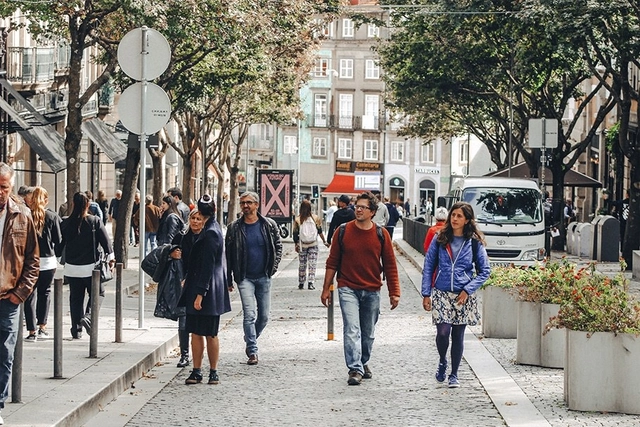
Urban public space is, and must remain, a platform for social, cultural, and political expression. Studies such as those by UN-Habitat recognize that accessible, safe, and inclusive public spaces are vital tools for mitigating urban inequality.

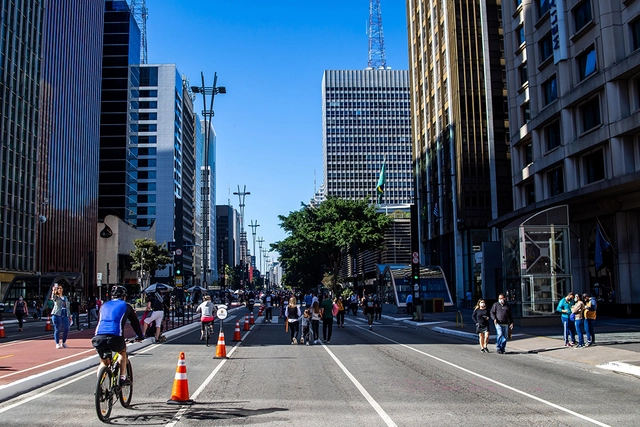
Moreover, when conceiving these spaces as a "living room," they should ideally be functional and welcoming to everyone, ensuring users feel "invited" to linger, use, and care for them. Over the past two decades, open public spaces (streets, intersections, squares, plazas, parks, etc.) have increasingly become the focus of strategic and tactical activations and experiments.


Benefits of Activating Public Space Around the World - Imagem 1 de 4Benefits of Activating Public Space Around the World - Imagem 2 de 4Benefits of Activating Public Space Around the World - Imagem 3 de 4Benefits of Activating Public Space Around the World - Imagem 4 de 4Benefits of Activating Public Space Around the World - More Images+ 3

Daily bad examples hinder “cities for people”

Subscriber Access | 

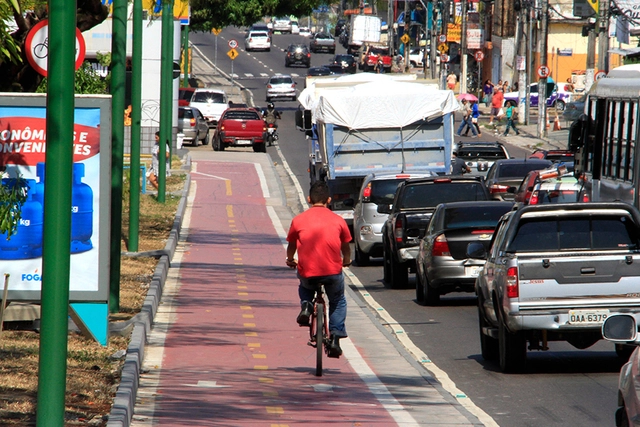
Living, working, and experiencing cities with vibrant streets, downtowns, and parks, adequately sized sidewalks, efficient public transit, and low congestion levels are shared aspirations worldwide. Achieving these conditions is no easy task, and cities that offer them certainly did not do so through car-oriented planning.

With populations daily subjected to poor examples of how a city should function, certain paradigms, phenomena, and policies continue to hinder the planning and operation of “cities for people.”

Community engagement and social capital are essential for street safety

Subscriber Access | 

Street safety goes far beyond policing and lighting. While these factors may be important in certain contexts, community engagement and building social capital are key to making cities safer. “Feeling safe is crucial for people to embrace urban space,” says Jan Gehl.

The importance of micromobility during and after the pandemic

Subscriber Access | 

Cities are on the front lines of the fight against Covid-19. This pandemic has manifested as a global crisis, and the decisions made at this delicate moment by governments, policymakers, decision-makers, and the public will have profound consequences for the future. Countless contexts are already undergoing changes that alter—if only temporarily—human behavior. Social distancing measures, lockdowns, health protocols, and restrictions on urban mobility are major drivers in shaping new urban realities.