As a city develops, it constructs its own physical and social geography. Consequently, each sector or "neighborhood" develops its own way of inhabiting space, and the combination of these modes forms the city's identity.
As a city develops, it constructs its own physical and social geography. Consequently, each sector or "neighborhood" develops its own way of inhabiting space, and the combination of these modes forms the city's identity.
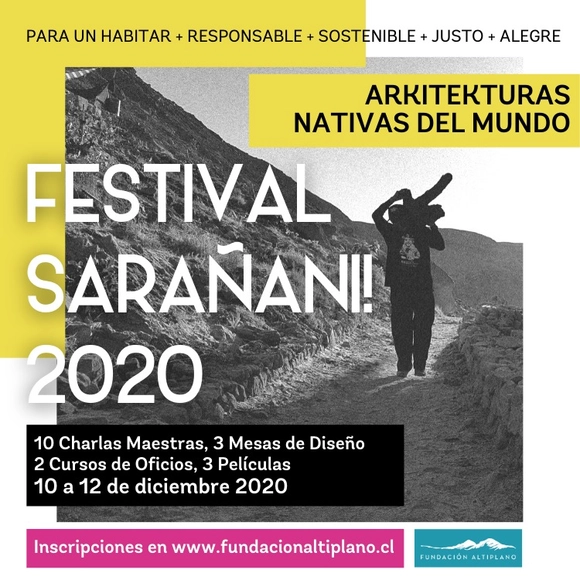
From December 10 to 12, the first Sarañani! (Let's Walk!) Native Architectures of the World Festival will take place, featuring guests from Angola, Japan, Italy, Mexico, Bolivia, Portugal, and Peru. The event is organized by the Altiplano Foundation through its Sarañani! (Aymara for "Let's Walk") School of Conservation.
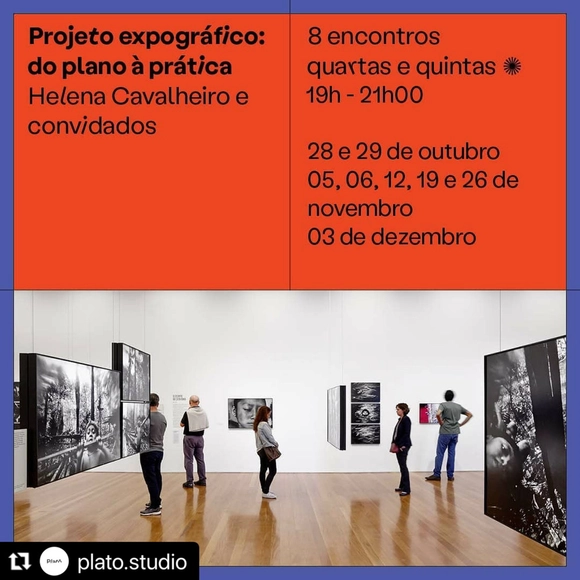
What are the conceptual and technical issues that shape an exhibition design project? Who are the agents involved in the process? What are the most commonly used tools and work stages? Although rooted in the realm of architecture, the task of translating an artistic narrative into space has its own particularities.
Aimed at students and professionals interested in working on the development of exhibition architecture projects, the course offers an overview of the practice and its specificities, presented through lectures and design exercises based on real-world situations.

The Saint-Gobain Group, a global leader in sustainable construction, will announce the winners of the 7th edition of the Saint-Gobain Architecture Award – Sustainable Habitat on September 23. The initiative aims to recognize and reward the best architectural projects that excel in comfort, innovation, and sustainability solutions. This year, for the first time, the ceremony will be broadcast online and will be open to the general public via the company's YouTube channel.
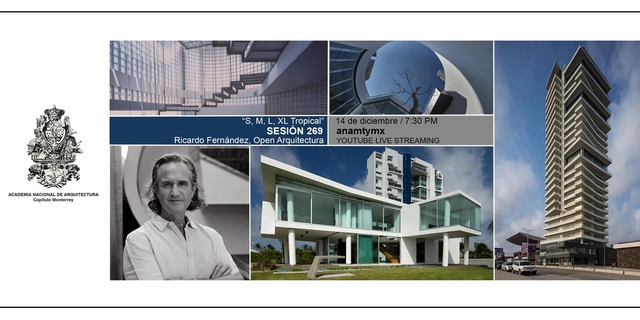
Ricardo is a prominent Mexican architect who has served as a professor, speaker, and international juror. Originally from Veracruz, he holds a Bachelor of Architecture from the University of Miami and a Master of Architectural Design from SCI-Arc in Los Angeles, California. He also participated in academic programs at L'École d'Architecture de Nancy in France and The Glasgow School of Art in the United Kingdom.
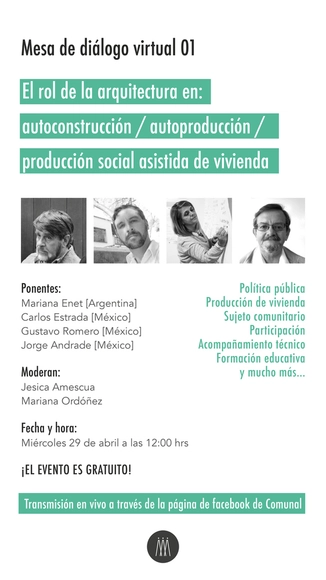
In light of recent statements by the Federal Government and new programs announced by institutions related to housing production in Mexico, we believe it is necessary to engage in dialogue and exchange ideas to better understand the concepts of self-construction, self-production, and assisted social housing production, as well as the role of architecture in these social processes.

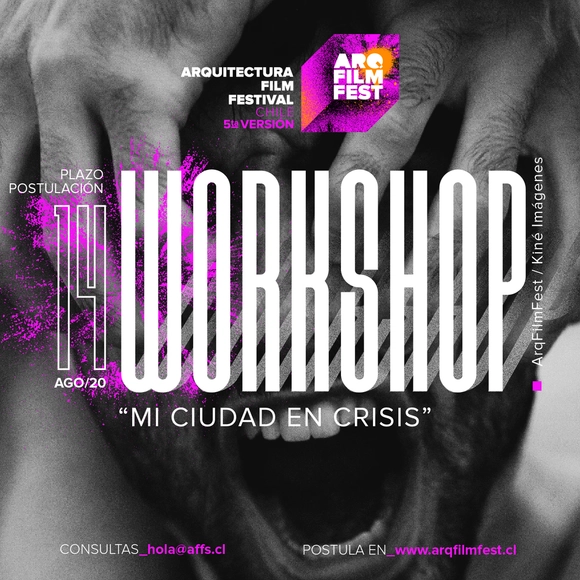
We are currently facing an unprecedented global challenge; it is the first time in history that humanity as a whole has seen its biological integrity threatened simultaneously, regardless of geographic, cultural, or technological differences. As we seek to overcome mounting economic difficulties, we face the monumental ethical challenge of how to move forward under the imperative of preserving life above all else.
The workshop will address this fundamental question through the potential of architectural and urban design. It is a call to action and reflection for a radical improvement of current urban space conditions, especially in environments most vulnerable to the risks of COVID-19. This emergency research and design agenda is aimed at creating alternatives for the current built environment through low-cost response devices capable of addressing infrastructural needs with minimal resources.
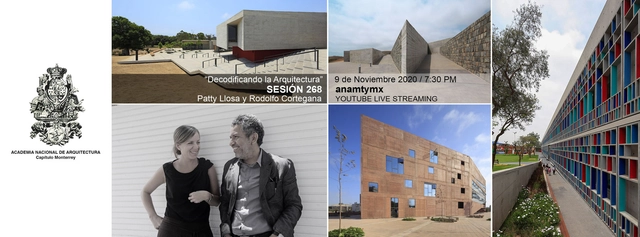
Session 268. "Decoding Architecture" Llosa Cortegana Arquitectos.
Seminar: Conversations on expanded and emerging practices in architecture.

Online Podcast Course for architects with Eduardo Useche of @arquialien
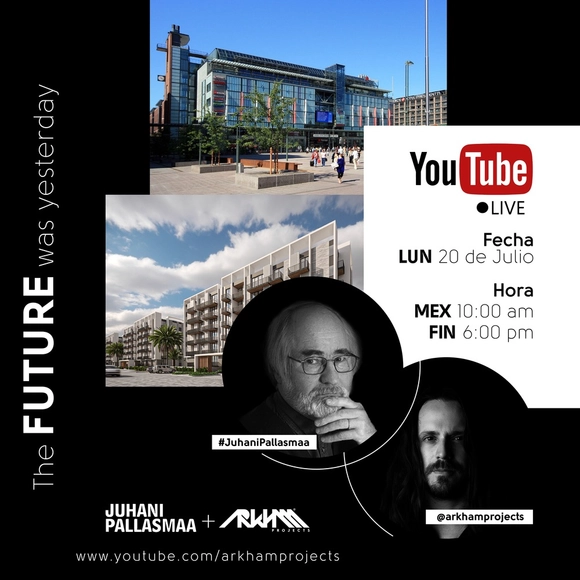
Min Peniche, creative director of Arkham Projects, will be in conversation with Juhani Pallasmaa to discuss the future of architecture and how it resonates with topics explored decades ago. The discussion will examine the similarities and differences between past and present thinking, architecture, and humanism.
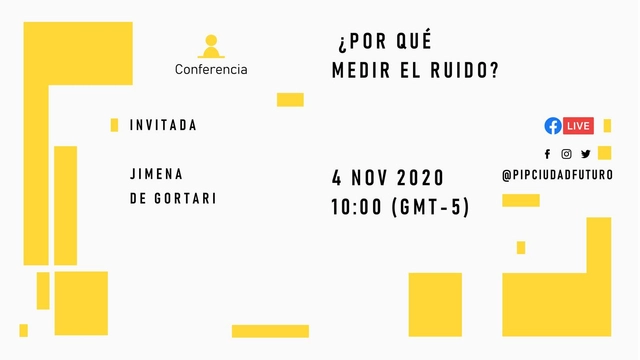
Noise levels influence perceptions of comfort and public health in any given space. 🔊 🏙
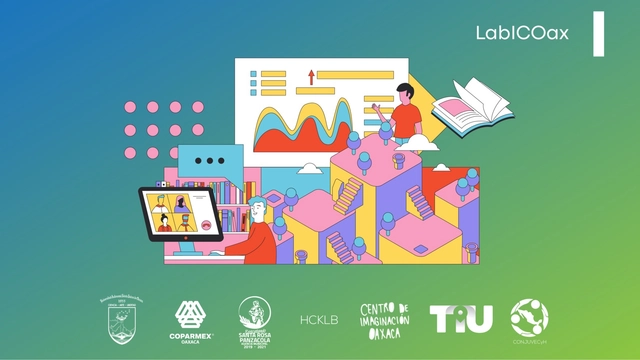
Citizen Innovation is a process that experiments with solving social problems using open technologies and methodologies—whether digital, social, or ancestral—through the involvement of the affected community itself. This shifts the role of citizens from passive recipients of institutional actions to protagonists and producers of their own solutions.

Farhid Maya of Taller Síntesis presents "Architecture of Memory," the fourth virtual lecture in the "Architecture Lessons from a Distance" series.
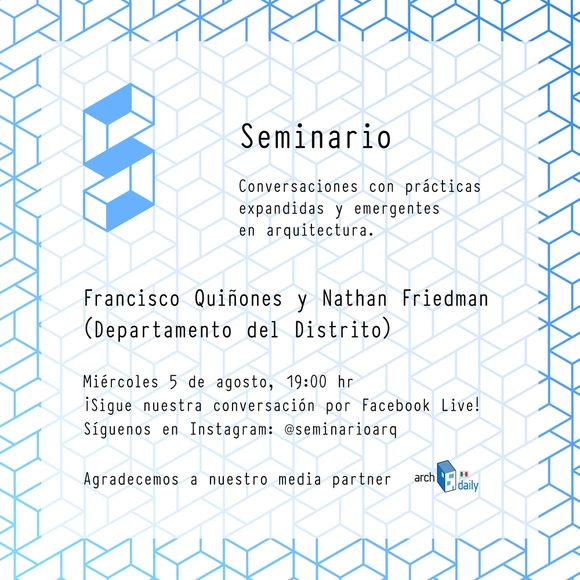
Seminar: Conversations with expanded and emerging practices in architecture.
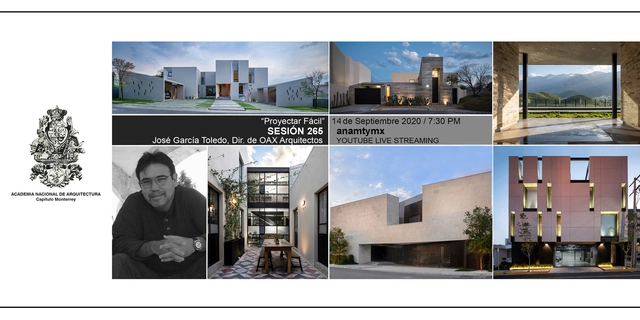
Reflecting on the importance of the residential home in today's context, this talk focuses on the most representative single-family housing projects developed by our firm. The discussion will cover our personal approach to these spaces, exploring the spatial narrative and the resources employed to interpret and adapt to the lives of their inhabitants.

CAP Regional Lima invites you to attend the event "The Use of Technology in the Offices of Zaha Hadid Architects and Foster + Partners."

Lima Cómo Vamos, an institution with over a decade of experience, is calling for submissions of research and projects focused on our cities and their development. Selected research will be presented at the III Foro Ciudades Cómo Vamos, a platform for sharing approaches, evidence, and proposals with public authorities, private institutions, and the general public committed to improving the country’s cities and the quality of life of their inhabitants.