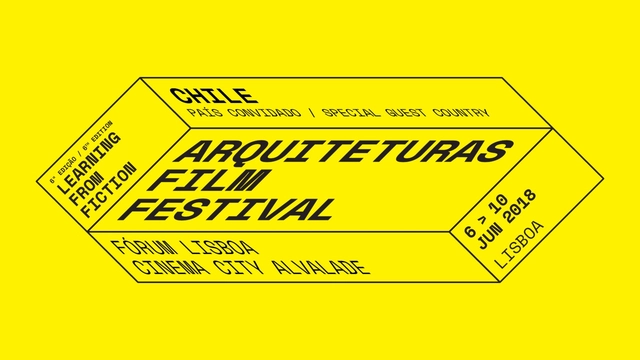
The Arquiteturas Film Festival in Lisbon is the only Portuguese international film and architecture festival, and it will hold its sixth edition from June 6 to 10 at the Forum Lisboa and Cinema City Alvalade.
The Arquiteturas Film Festival in Lisbon is the only Portuguese international film and architecture festival, and it will hold its sixth edition from June 6 to 10 at the Forum Lisboa and Cinema City Alvalade.

Seven of Latin America's leading architectural photographers gather at the MAE—the Museum and Archive of Architecture of Ecuador—to present seven distinct perspectives on modernity in an unprecedented photography exhibition.
The exhibitors—Leonardo Finotti (Brazil), Cristóbal Palma (Chile), Daniela Mac Adden (Argentina), Rafael Gamo (Mexico), Federico Cairoli (Argentina), Onnis Luque (Mexico), and Bicubik (Ecuador)—present brief, authorial essays on modern architecture in the Americas.
The exhibition is part of the parallel events of the XXI Pan-American Biennial of Architecture in Quito and will be open from November 15, 2018, through January 20, 2019.
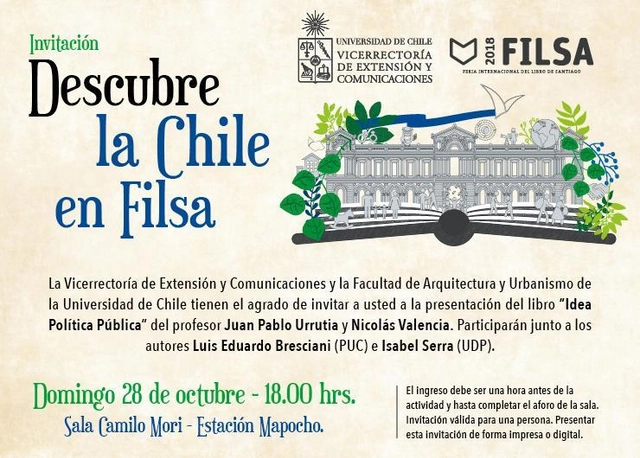
The Office of the Vice President for Outreach and Communications and the Faculty of Architecture and Urbanism at the University of Chile invite you to the presentation of the book Idea Política Pública at the 38th Santiago International Book Fair (FILSA 2018).

Following the success of the 2017 workshop, where students conceived the Amazon Climate Change Learning Center—one of 15 finalists selected from 384 proposals in the WDCD Climate Change Challenge—this year’s AA Visiting School Amazon workshop is all about hands-on experience.
The goal is to design and build a small prototype of an experimental floating structure in the middle of Lake Mamori in the Amazon. This model will be built in collaboration with the local community, in partnership with Ecofloat, and under the guidance of AA Visiting School Amazon faculty Nacho Martí and Marko Brajovic.
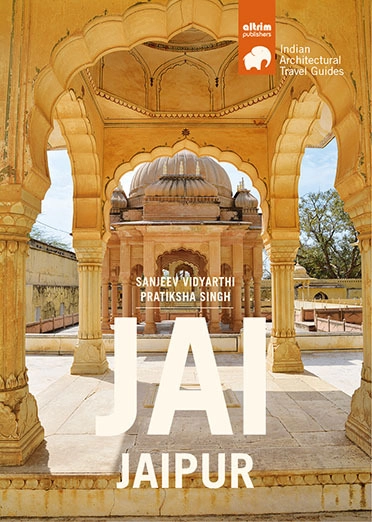
Discover the city of Jaipur, the capital of Rajasthan, through this architectural travel guide. Founded in the 18th century by Maharaja Sawai Jai Singh, the city was planned according to the Hindu Vastu Shastra method, utilizing a grid system and imbuing its buildings with a signature pink hue. Jaipur is a cradle of Rajput, Mughal, and various other cultures, and it also houses a wealth of vernacular tradition. Beyond the Pink City’s preserved unique atmosphere and old-world charm, visitors can immerse themselves in the cultural heritage of the past within the city’s vibrant environment.
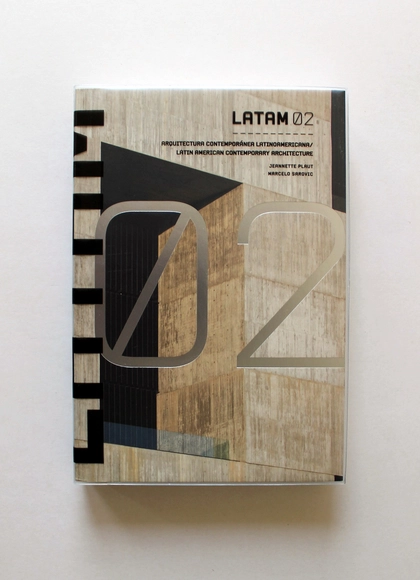
LATAM 02: Contemporary Latin American Architecture is the second book in a series that brings together outstanding architectural projects from the last five years in which Hunter Douglas has participated. Authored by Jeannette Plaut and Marcelo Sarovic (Constructo), the publication features 44 works from six countries: Argentina, Brazil, Chile, Colombia, Mexico, and Panama.
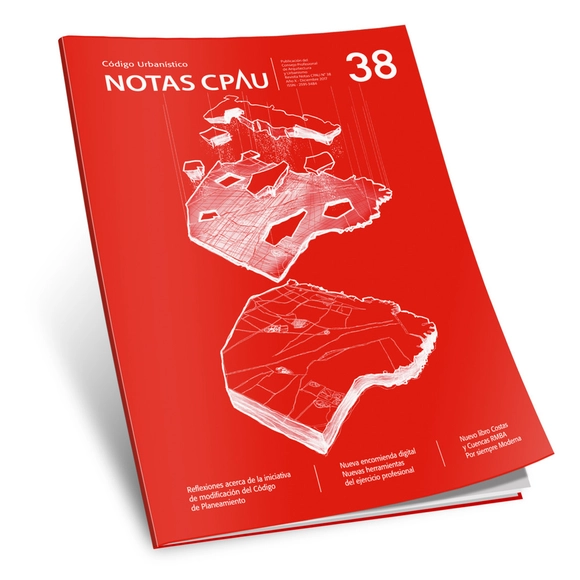
Are you aware of the revision and replacement of the Buenos Aires Urban Planning Code? Have you been searching for reflections on its modification recently?
Fittingly, the new edition #38 of the Professional Council of Architecture and Urbanism’s Online Magazine, Notas CPAU, presents the theme 'Urban Code'.
In this issue, the publication comprehensively addresses the issues raised in the Urban Code proposed by the Government of the City of Buenos Aires, as well as the Professional Council’s response to it.
Below are a few words from the magazine’s director, Bárbara Berson, followed by the table of contents.
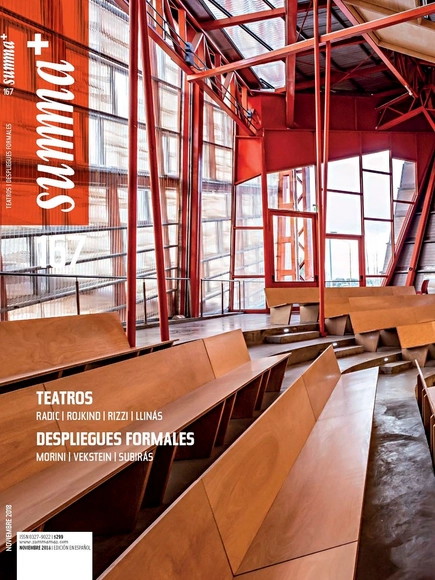
Four theaters share the opening section of this issue of Summa+, presenting a brief current overview of the subject—at least as far as concert and theater halls are concerned—while acknowledging the range of flexibility these types of spaces can possess. The Shakespearean Theater in Gdansk, designed by Italian architect Renato Rizzi, could be considered the most unique, as it is situated on the same site and follows the same layout as its century-old predecessor. Its distinctiveness lies in the ability to use either a central stage surrounded by galleries or a traditional stage against the back of the hall. Furthermore, it features a retractable roof, allowing for open-air performances.
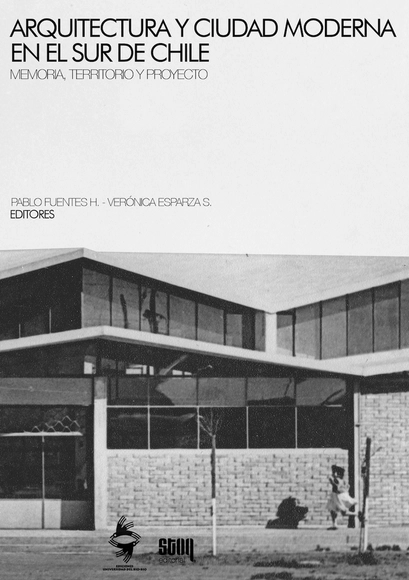
This editorial project originated from the seminar "SURMODERNO, Valuation of Modern Heritage in Southern Chile," held in Concepción in 2015. Building on the papers presented at that event, this publication was developed two years later following meticulous editorial work. Its purpose is to share and disseminate the modern architecture developed in cities such as Chillán, Concepción, Talcahuano, Lota, Nacimiento, Osorno, and Punta Arenas.
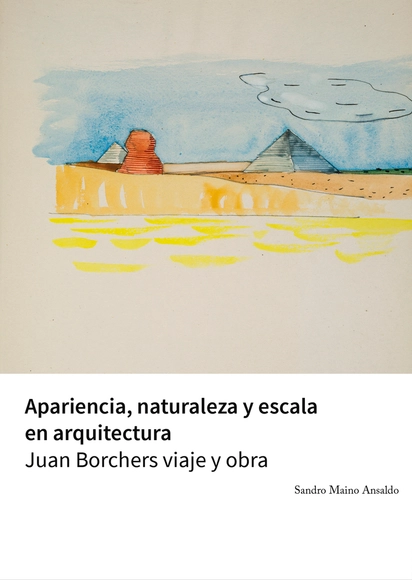
This book, written by Sandro Maino Ansaldo with a foreword by Fernando Álvarez Prozorovich (UPC) and Fernando Pérez Oyarzún (PUCCh), explores the travels of Chilean architect Juan Borchers Fernández through Europe and the Mediterranean between 1948 and 1950. During this period, he established the foundations of his architectural thought through the observation of major monuments of Western architecture and the study of seminal texts in the Western tradition.
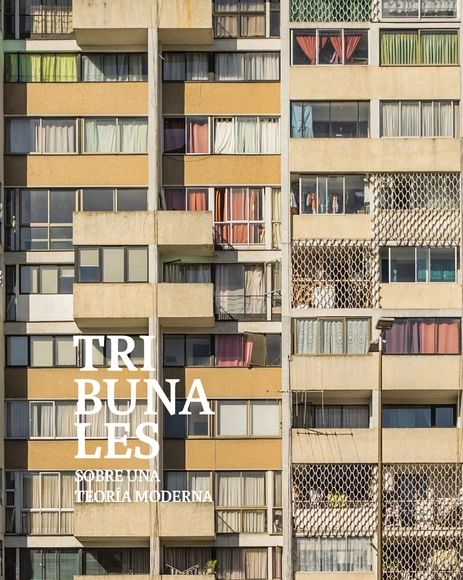
Tribunales: sobre una teoría moderna is based on the curatorial work of Leslie Fernández and Óscar Concha, developed within the framework of the Móvil project (2015–2016 cycle), which involved sound, fine, and visual artists, alongside photographers and architects. The book consists of conversations with the cycle's participants regarding their approach to modern theory, as well as theoretical essays that structure the text around three thematic areas: urbanism, architectural design, and restoration.
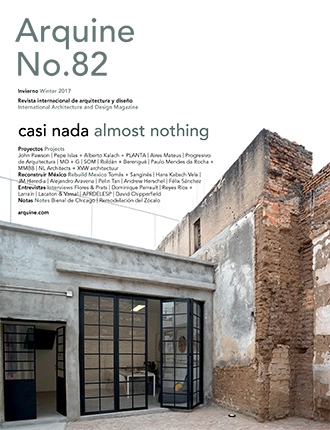
Following the devastating earthquakes last September, which affected more than 150,000 homes and buildings across various states and cities in Mexico, rescue and reconstruction have become fundamental tasks. Recycling and rebuilding imply a profound social repair and a valuation of what already exists, avoiding indiscriminate demolitions, the consequences of which are irreparable in economic, ecological, and heritage terms.
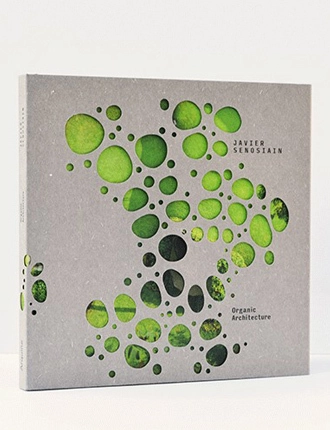
The role of the organic in the history of modern architecture has been primarily attributed to figures such as Frank Lloyd Wright and Bruno Zevi, who, for much of the 20th century, challenged radical mechanistic, functionalist, and rationalist proposals with a vision that sought to recover the organic relationship between humans and their environment. The broad definition of the organic allowed the scope of modern architecture to expand, encompassing subsequent generations such as Alvar Aalto, and even Eero Saarinen or Jørn Utzon.

Ornamento Journal is a visual exploration of the formal values of architectural detail, regardless of its constructive purpose.
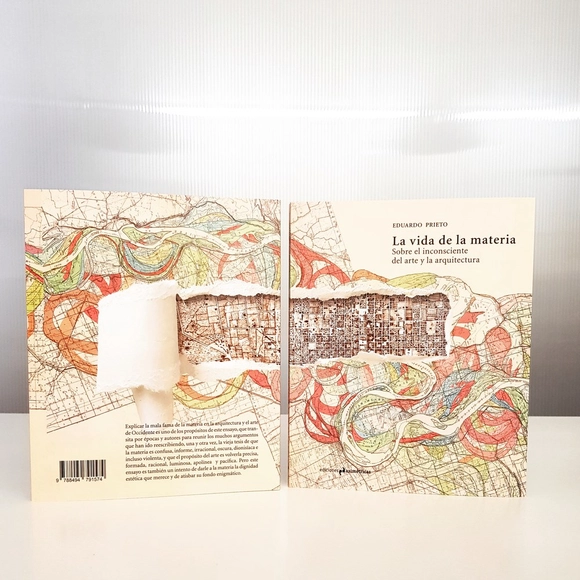
One of the aims of this essay is to explain the poor reputation of matter in Western architecture and art, traversing various eras and authors to assemble the many arguments that have repeatedly rewritten the long-standing thesis that matter is confused, formless, irrational, dark, Dionysian, and even violent, while the purpose of art is to render it precise, formed, rational, luminous, Apollonian, and peaceful. Yet this essay also seeks to grant matter the aesthetic dignity it deserves and to glimpse its enigmatic depths.

New ideas competition on Desall.com: Manifattura Falomo and Desall invite you to design a system that helps consumers select the most suitable mattress based on their specific needs at retail locations.
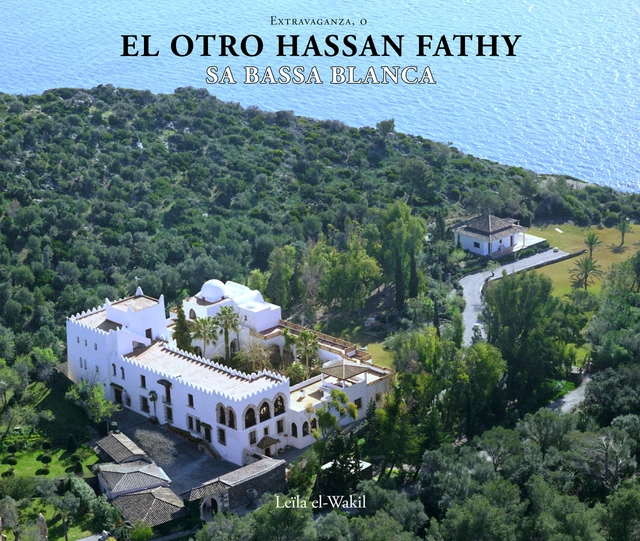
This book is the first monograph dedicated to one of Hassan Fathy's houses. Sa Bassa Blanca also holds the added interest of being virtually the only work built by the Egyptian architect in Europe. Leïla El-Wakil, an art historian and architect specializing in traditional architecture and historical heritage, rigorously documents the entire design and construction process of the house, framing it within Fathy’s body of work while simultaneously highlighting its uniqueness.
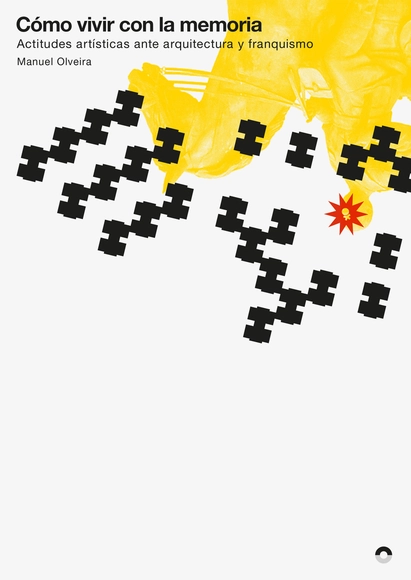
This book by Manuel Olveira served as the basis for the exhibition 'How to Live with Memory: Artistic Attitudes Toward Architecture and Francoism,' held at the Museum of Contemporary Art of Castile and León (MUSAC), Spain, between February 17 and June 3, 2018. It includes images of the exhibited works and texts by Manuel Olveira, Alberto Tellería, and Alejandro S. Garrido. The book explores how the seventeen selected artists examine the architecture of the Franco regime and the transition period to analyze the legacy of the dictatorship.