SkyCity invites you to design the future of housing. There is $17,000 USD in prizes and the opportunity to join us for a one-month residency in Changsha, China.
Following the success of our inaugural challenge last year, SkyCity is pleased to invite architects, designers, artists, engineers, scientists, restorers, digital nomads, craftspeople, and anyone with big ideas from around the world to participate in the SkyCity Challenge 2019: The Future of Housing. Current construction methods are impacting our environment by depleting limited resources and relying on outdated techniques. We believe that, with today’s technology, we can create far more sophisticated housing solutions that will revolutionize the future.
Our second open call borrows its title from Stevphen Shukaitis’s book, Imaginal Machines, to address productive structures that operate through radical and collective imagination. This mechanism is activated by social self-determination and joint action—the result of the exchange of experiences, knowledge, and techniques that have shaped us as a society.
Choosing high-performance BIM software is key to developing efficient projects by automating tasks that traditionally consumed time in conventional design workflows—such as documentation, calculations, analyses, and other repetitive processes.
The competition calls for the conceptualization of a coliving housing project as a replicable design tool for Mexico City, serving as a framework for other cities facing challenges related to overpopulation and the high demand for quality housing.
The Council of Architecture and Urbanism of Rio de Janeiro (CAU/RJ) is conducting an unprecedented study to profile architects and urban planners working in the state of Rio de Janeiro. The survey primarily aims to gather data on professionals working outside the capital and those employed in the public sector. The initiative also seeks to gather input for the council's strategic planning for the 2021–2023 triennium.
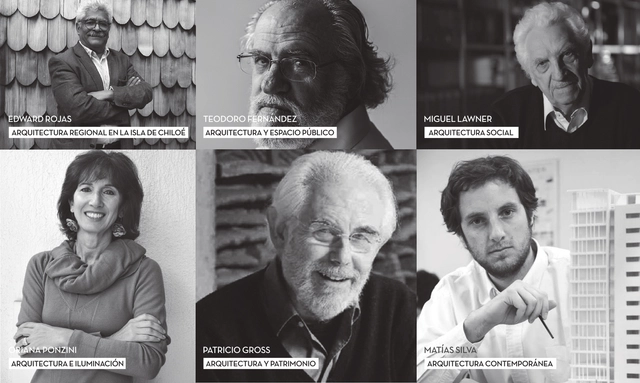
“Arquitectos” is a micro-documentary series produced by AvantVisual and directed by Mauro Alfaro on the life and work of prominent Chilean architects. The series was originally scheduled to premiere at the XXI Chile Architecture and Urbanism Biennial, “The Common and the Everyday.” However, due to the suspension of the Biennial in the wake of the 2019 social uprising, the premiere could not take place.
CAU/RJ has extended the registration deadline for the CAU+Mulheres Awards. Female architects and urban planners now have until November 26 to submit their projects.
Now in its second edition, the CAU+Mulheres Award is one of the Council's initiatives to promote dialogue and increase the visibility of female architects and urban planners across their various fields of work. The award features five categories: Architectural Design; Interior Design; Urban Design; Architectural Design for Emergency Situations; and Theoretical Studies (theses, dissertations, books, and publications).
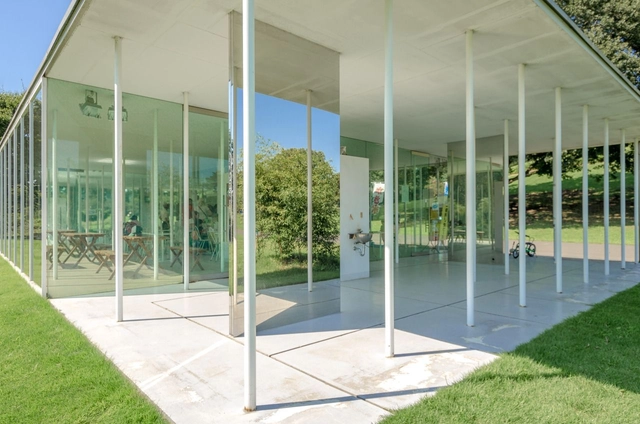
Japan’s natural and built landscapes coexist intensely, creating highly dynamic and unique spatial relationships in architecture. Taught by architect and professor Marina Lacerda, the course presents works by architects who have explored these relationships from various perspectives. The selected architectural proposals exemplify conceptual, spatial, and material aspects.
Giorgio De Vecchi / Giulia Di Lenarda - gerdastudio
Live online conference featuring the curators of the Chilean Pavilion at this year's Venice Architecture Biennale, discussing the process and experience of their participation. Organized by the Universidad Mayor School of Architecture, the session will be presented by Emilio Marín and Rodrigo Sepúlveda, and moderated by Marco Beovic.
The Colegio de Arquitectos de Chile is celebrating another anniversary with a series of free, fully online activities. This milestone began on Wednesday, August 4—the 79th anniversary of the enactment of Law 7.211, which established the Colegio de Arquitectos in 1942—marking the start of the Month of Architecture.
This year, we celebrate the 25th anniversary of the Ibero-American Society of Digital Graphics (SIGraDi) with the XXV SIGraDi International Conference.
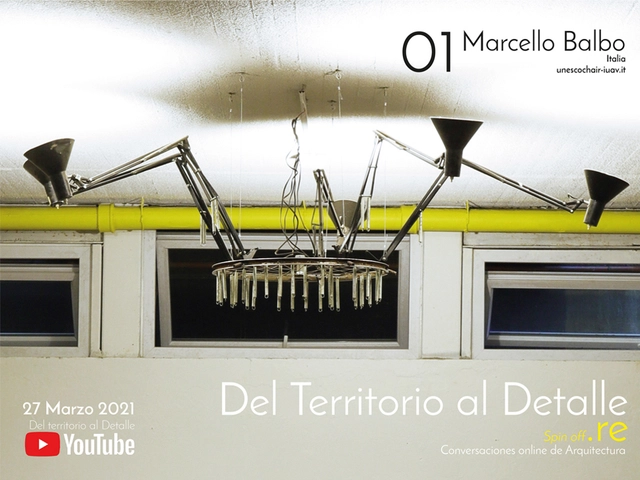
As part of ‘Del territorio al Detalle’, a space for academic dialogue and reflection that brings together architecture professors, students, and renowned architects, the spin-off "Del territorio al detalle .re" explores the thesis that a territory's richness stems from its capacity for renewal. Through informal conversations with relevant figures, the series examines how activating disused spaces can transform them into both challenges and resources.
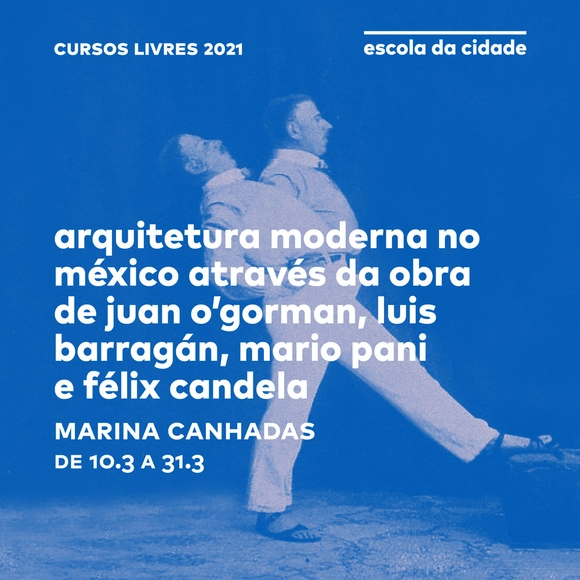
Modern architecture in Mexico can be understood through its diverse facets. This course aims to study and discuss, through theoretical and expository lectures, the work of four major architects of this period in Mexico: Juan O'Gorman (1905–1982), Luis Barragán (1902–1988), Mario Pani (1911–1993), and Félix Candela (1910–1997). The sessions will address the historical, political, and cultural contexts of Mexico during this era, while also drawing parallels with the work of Le Corbusier and other artists such as José Clemente Orozco, Mathias Goeritz, and Jesús “Chucho” Reyes. In this way, the course seeks to understand not only the discourse and practice of these architects but also the very construction of Modern Architecture in Mexico.
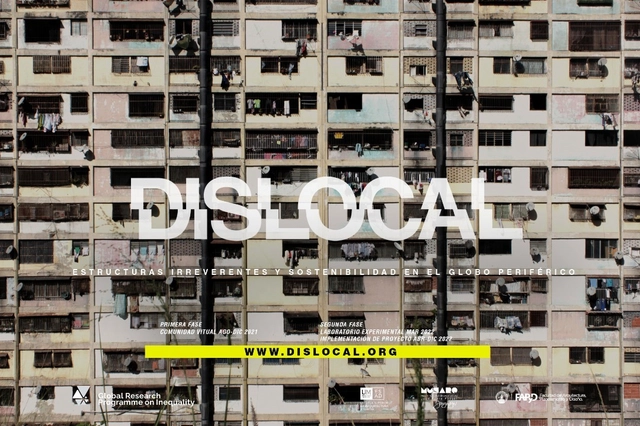
DISLOCAL: Irreverent structures and sustainability in the peripheral world, led by Venezuelan architects and a global network of gentle cooperation
Venezuelan architects from various latitudes have joined forces with global allies through an experimental university that seeks to "build, not simulate, reality with an eye on the global periphery."
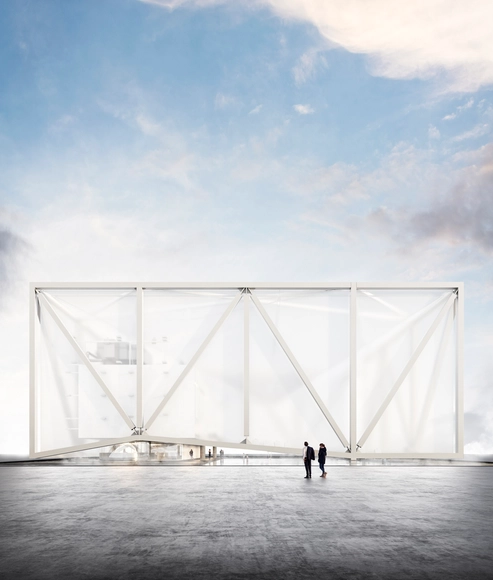
Superbacana+ invites architect José Paulo Gouvêa and engineer Miguel Maratá, members of the winning team for the Brazilian Pavilion competition at Expo Dubai, to discuss the challenges of this innovative structure, which will represent the country at the upcoming world expo. The conversation will be moderated by our partner, architect and photographer André Scarpa.
3D rendering of the artwork “O Sonho é Eterno” (The Dream is Eternal) by Verena Smit at Vale do Anhangabaú
The "Cidade do Futuro" (City of the Future) exhibition presents three poetic light-art installations from December 10 to 19. Created by artists Felipe Morozini, Verena Smit, and Marco Loschiavo, the works will occupy the Vale do Anhangabaú in São Paulo and are free to the public.
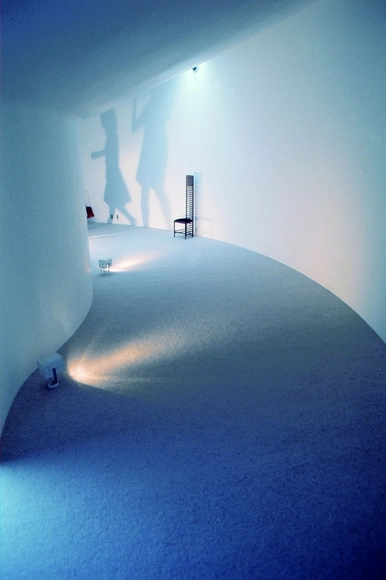
Form and void are inseparable concepts in Japanese culture. This course proposes an analysis of selected architectural works, supported by the aesthetic notion of Ma, to explore different conceptions of space-time in Japan. The course aims to present the conceptual, spatial, and material aspects of these projects to foster an understanding of the potential relationships between form and void, as well as to approach the void as a form of potential rather than an absence. The course is intended for anyone interested in architecture and Japan in general.