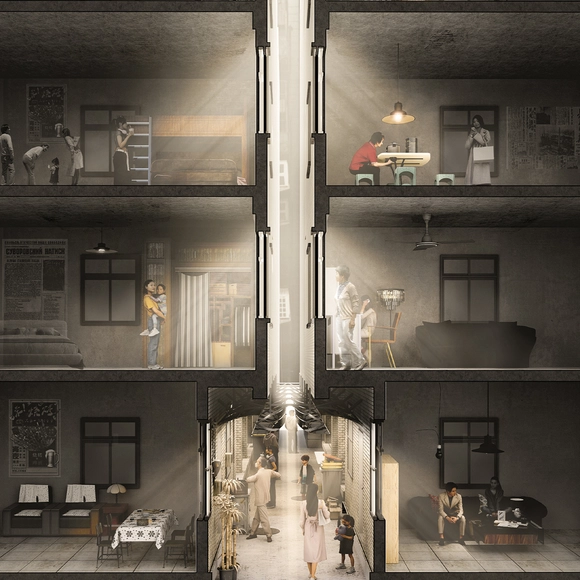
In 1949, at a time when Argentina was one of the most powerful countries in the world, the city of Buenos Aires launched the construction of the Sexto Panteón, an underground necropolis containing 150,000 burial plots. This monumental Brutalist-style cemetery is the first and largest experimentation of modern architecture applied to the funerary field, and yet remains unknown.
Achitectural gifts are everywhere: libraries funded by wealthy philanthropists, shelters donated by humanitarian organizations, farms paid for with development grants, mosques financed by Islamic foundations, and stadiums handed over as part of diplomatic charm offensives. Embedded in religious and imperial traditions of gift-giving, architectural gifts shape the urbanization process across the world. Humanitarian, developmentalist, and diplomatic building-gifts have become ubiquitous in rapidly expanding African, Asian, and South American metropolises and their hinterlands. In North American and European cities, philanthrocapitalists invest in cultural, social, and educational facilities passed down by the dwindling welfare state.
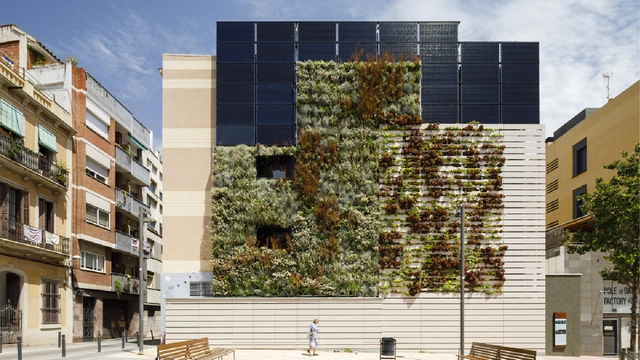
Terraco EIFS offers a cost-effective method to achieve thermally efficient external walls, significantly reducing energy consumption and operational costs. Image Courtesy of Terraco
In today's construction industry, achieving energy efficiency, sustainability and safety along with aesthetics are essential goals for architects and consultants. Exterior Insulation and Finishing Systems (EIFS) are versatile, high-performance solutions that meet these requirements for both new builds and renovations. These multi-layered exterior insulation systems significantly enhance thermal performance and offer energy savings of up to 50% while providing flexibility in design.
According to the Markets and Markets report on "Exterior Insulation and Finish System (EIFS) Market - Global Forecast To 2028," the growth of the EIFS market is mainly driven by the need to reduce greenhouse gas emissions and rising development of green buildings, mandated through the introduction of stringent building energy codes in some countries. Therefore, the importance of using certified EIFS systems as per local energy codes is highly advocated.
The International VELUX Award jury has selected ten regional winners from the 468 submitted projects, from 220 schools of architecture around the world. The renowned jury, consisting of, Song Yehao (CN), Jenni Reuter (FI), Ewa Kurylowicz (PL) and Kent Holm from VELUX A/S (DK), met for the jury meeting in Copenhagen.
The A' Design Award and Competition in pursuit of recognizing excellent design works that were proposed and completed within the last 10 years. Every year, A' Design Award features a reputable jury panel of specialist in various categories, to evaluate design projects that submitted to A' Design Award.
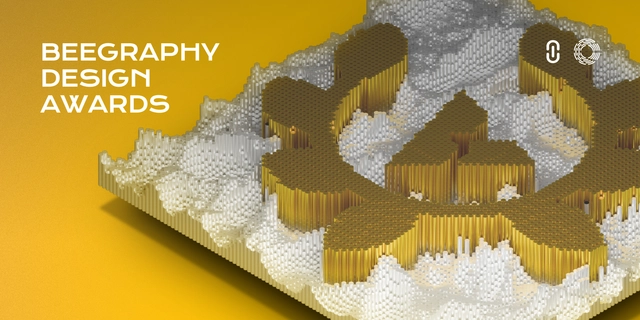
BeeGraphy is thrilled to announce the launch of our Design Awards, an exciting competition designed to push the boundaries of creativity and innovation in computational design. Whether you're an architect, designer, engineer, or a creative enthusiast, this competition offers a unique platform to showcase your talents and make a mark in the world of design.
In the competitive fields of architecture and design, mastering the art of visualization is as crucial as generating innovative ideas. Whether you harness 3D models from SketchUp, use AI-generated images with Diffusion [Labs], or employ external rendering programs like V-Ray, selecting the right visualization technique can significantly advance your professional journey.
Here’s a closer look at the top ten benefits of architectural visualization, illustrated by real-world success stories from the industry.
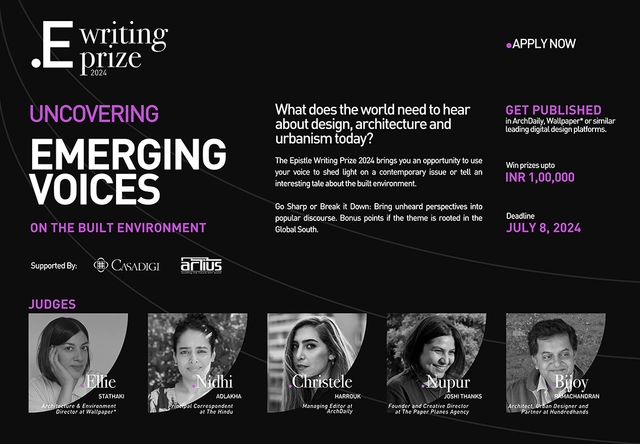
The Epistle Writing Prize is an annual competition dedicated to recognising outstanding writing on design, architecture and environment. Celebrating the power of the written word, participants are invited to inform, intrigue or persuade readers by presenting novel arguments or interesting narratives on the built environment. Stemming from Epistle’s mission to democratise architectural discourse, the 2024 edition seeks to highlight compelling voices and stories from the Global South, bringing attention to previously unheard perspectives.
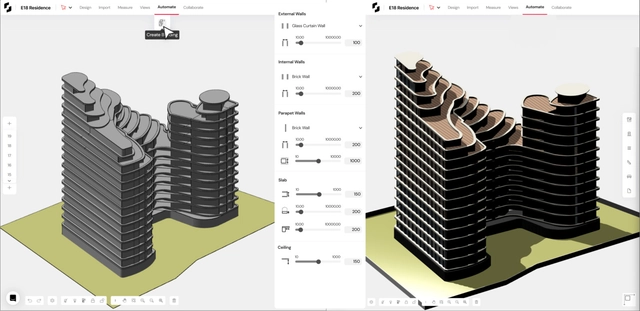
Every project begins with a program brief outlining the spaces, areas, and requirements essential to kick off the design process. This essential document guides architects in understanding client needs, allocating space efficiently and ensuring the design meets the project's functional requirements.
However, manually converting this tabular data from a spreadsheet to spatial data in your massing tool is incredibly tedious and time-consuming. Tools such as Snaptrude are designed to help architects iterate faster and make more informed design decisions.
Louis Henry Sullivan (1856–1924) is a foundational figure in American architecture. Long considered the founding architect of the skyscraper, he first came to wide attention in 1889 with the completion of the Auditorium Building in Chicago. Here, for the first time, every remaining structure designed by Louis Sullivan is captured in striking color by award-winning architectural photographer James Caulfield and is accompanied by highlights of his life and accomplishments, detailed by Patrick F. Cannon.
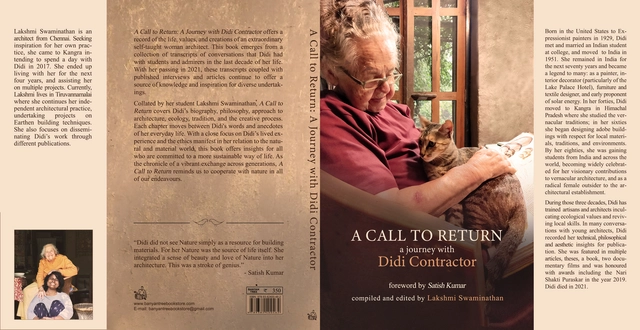
Cover image: Didi Contractor in her home in Sidhbari, Himachal Pradesh, India. Photographed by Lakshmi Swaminathan. Cover page credit: Lakshmi Swaminathan
'A Call to Return: A Journey with Didi Contractor' offers a record of the life, values, and creations of an extraordinary self-taught woman architect. Born in the United States to Expressionist painters in 1929, Didi met an Indian student at college, married, and moved with him to India in 1951. She remained in India for the next seventy years and became a legend to many: as a painter, interior decorator (particularly of the Lake Palace Hotel in Udaipur), furniture and textile designer, and early proponent of solar energy.
The TUMO Center for Creative Technologies is now partnering with Institut Lyfe (ex-Institut Paul Bocuse) in Lyon to establish a unique culinary ecosystem in the Armenian city of Gyumri with the support of the European Union. The project involves revitalizing the historic food market of the city, establishing a unique culinary school in the heart of it, and surrounding it with restaurants and shops that are symbiotic with the market and the school. Information about the project and the competition can be found at https://market.tumo.org/
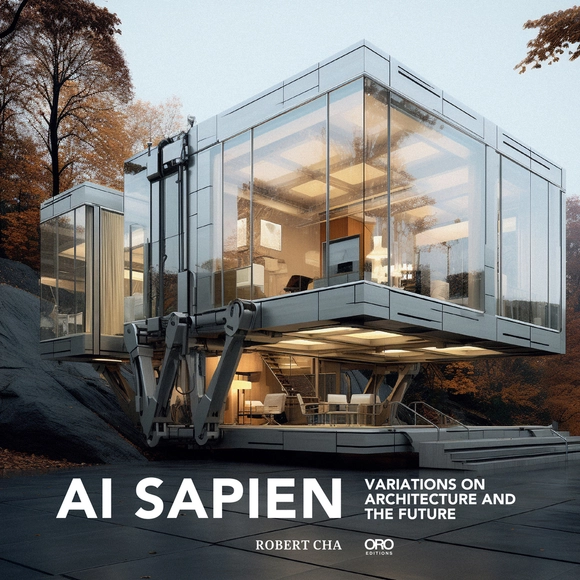
AI Sapien unveils a paradigm-shifting vision of the future where artificial intelligence (AI) transforms architecture into thinking machines. This experimental book features an alchemy of 128 original AI-generated artworks along with insightful dialogues and evocative poetry created in collaboration with AI, all set to Bach’s Goldberg Variations.
Courtesy of Saint-Gobain Architecture Student Contest
More than 224 universities from 29 countries participated in the 19th edition of the Saint-Gobain Architecture Student Contest’s international final. Students from all over the world imagined projects to transform a district of Helsinki in Finland. The winners have just been revealed during an event held by Saint-Gobain in the Finnish capital between June 10th and 12th, 2024.
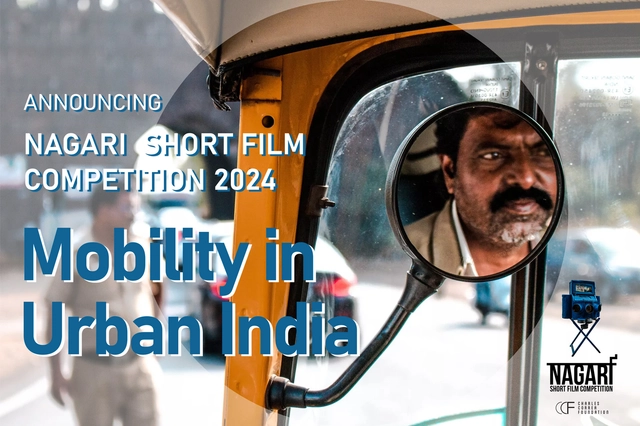
Open call for Nagari Short Film Competition 2024 - Mobility in Urban India
The Nagari Film Competition is an annual competition designed to guide and develop films that focus on urban issues, specific to Indian cities. Nagari intends to be a bioscope for the city, and through this lens we explore diverse conditions and engage with urban issues.