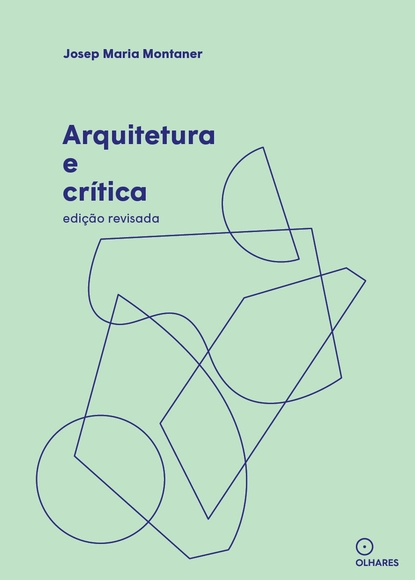
Book: Architecture and Criticism, Olhares Publishing
Focusing on the relationship between architecture and criticism, this introduction to architectural theory provides the necessary context to understand the mechanisms, limitations, and objectives of the field. It spans from the pioneers of 20th-century architectural criticism to key figures in modern historiography, such as Sigfried Giedion, and the writings of leading architects like Adolf Loos and Le Corbusier. The text explores various interpretations derived from existentialism, phenomenology, iconography, and structuralism, leading up to the current post-structuralist landscape—highlighting figures such as Peter Eisenman, Rem Koolhaas, and Kenneth Frampton. This journey through the 20th century offers a comprehensive understanding of the critical frameworks employed from the field's origins to the present day.
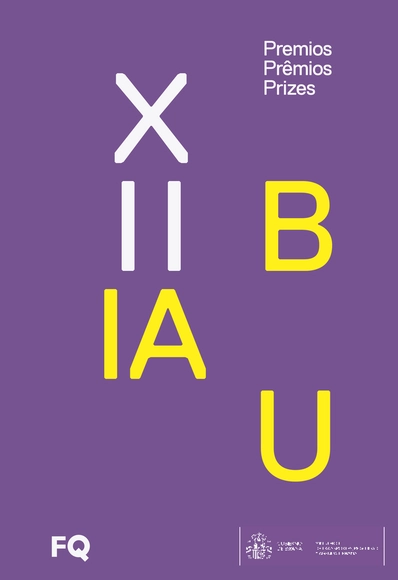
Cortesía de XII Bienal Iberoamericana de Arquitectura y Urbanismo
The digital version of the catalog for the XII Ibero-American Biennial of Architecture and Urbanism (XII BIAU) is now available. It compiles documentation on the Trayectoria, Panorama of Works, Actions on the Margins, Publications, and Teaching Programs awards, as well as the life and work of Ana Falú (recipient of the 2022 Ibero-American Architecture and Urbanism Award).
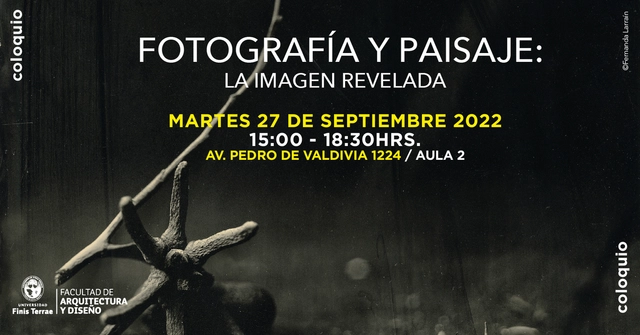
The Research and Publications Department of the Faculty of Architecture and Design at Universidad Finis Terrae will host its second colloquium on Photography and Architecture. This edition's central theme will be "Photography and Landscape: The Revealed Image," featuring presentations by architects and academics Alejandra Bosch, Macarena Cortés, and Magdalena Sierra (Director of the Finis Terrae School of Architecture); photographer and educator Fernanda Larraín; and architect, photographer, and FAD Director of Research and Publications, Philippe Blanc.
Guided by architect and Universidad Finis Terrae professor Paula Velasco—one of the leads on the Palacio Pereira restoration project—the "Lastarria: Identity and Heritage" Urban Crossing will take place this Saturday, October 1st. This activity, organized by the School of Architecture, features a faculty-led walking tour that explores the cultural, urban, and historical significance of the neighborhood.
Serra do Curral, Belo Horizonte. Photo: Carlos M Teixeira
What is the potential of the void? For architect Carlos M. Teixeira, it is a field of study, work, and fascination that he has explored for over two decades. This sensitive perspective on the possibilities of the unbuilt environment gave rise to the book Em Obras: História do Vazio em Belo Horizonte, the second, revised and expanded edition of which hits shelves this month. In this publication, Teixeira proposes a new approach to cities, focusing not on buildings, but on spaces with the potential to rethink how people relate to the urban environment, viewing public space as a field for social and environmental transformation.
“Diálogos Aislados” is organized by the School of Architecture at Universidad Finis Terrae. This Wednesday, October 5, the event will feature Ecuadorian architect David Barragán and Chilean biologist Bárbara Saavedra as guests.
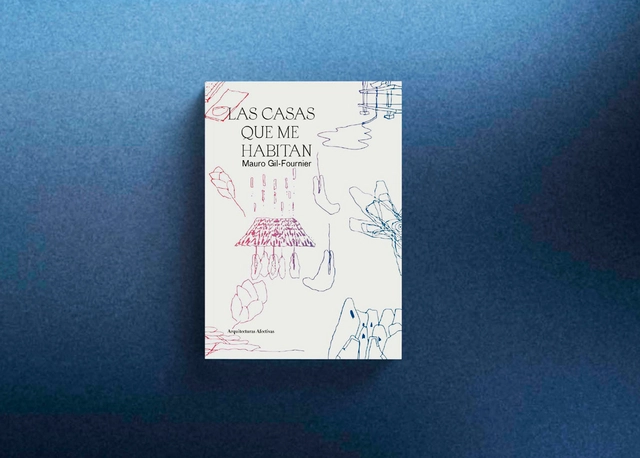
We think we inhabit our houses, our squares, and our cities, yet we only truly inhabit our ordinary practices. The houses presented here are the affections that inhabit us in our day-to-day lives.
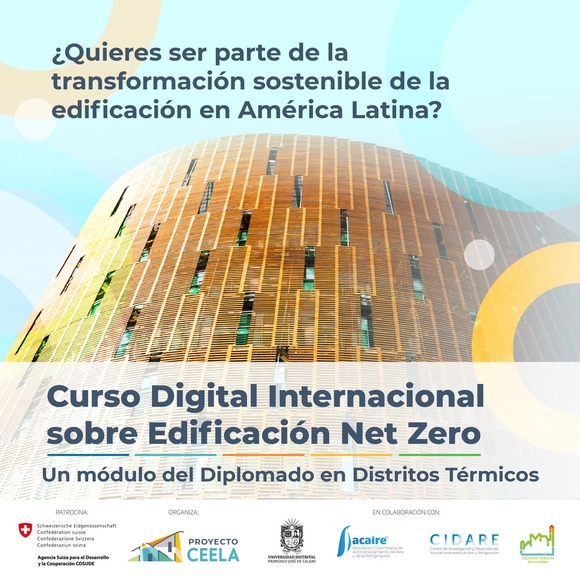
The Net-Zero Building International Digital Course (CDI) is aimed at architecture and engineering professionals throughout Latin America. It is free of charge and, thanks to its asynchronous digital format, offers significant flexibility to participants.
A course shaped by journeys. The city is a space for constructing knowledge, and walking serves as the tool for a critical analysis of its conditions of existence. Cultural heritage is, above all, how we live, socialize, navigate, and think over time; it is about how we engage with what exists and what we produce for the future. Through four routes across different neighborhoods in São Paulo, the classes seek to deepen the analysis of the city through the lens of cultural heritage and explore the development of routes as a tool for inquiry. Cultural references, urban heritage, daily uses, the obsolete, politics, and the fetishization of cultural heritage will be the guiding themes of the activities.
The Saint-Gobain Group, a global leader in construction solutions, and the Brazilian Association of Architectural Offices (AsBEA) will host the 9th edition of the Saint-Gobain AsBEA Architecture Award on October 25 at 7:30 PM. The awards ceremony, which will be broadcast online, aims to recognize innovative architectural projects that combine comfort and sustainability, encouraging clean technologies and processes that prioritize the environment.
The 4th Art, City, and Urbanities Meeting proposes a dialogue with the concepts of "borders" and "confluences" to foster reflection on the current urgencies and emergencies of art within urban space and the context of the geopolitical dynamics involving Brazil's North and Northeast regions. In doing so, we ask: what can we learn about urban contexts when we bring such diverse regions together? We know that, despite their diversity, cities face similar challenges. Political, economic, and environmental divisions increasingly reinforce separations, privileges, and dynamics of marginalization. Such conditions delineate and reinforce borders beyond the geographical, affecting the quality of life for humans and more-than-humans, as well as prospects for a collective future.
Rethinking Ergonomics: From Building to Urban Space presents theoretical and practical aspects in harmony within the built environment and their importance in architectural projects.
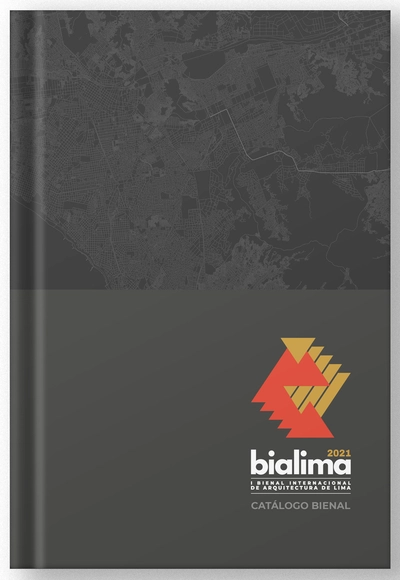
After months of rigorous compilation and editing, the BIALIMA 2021 CATALOG is now a reality. Spanning 437 pages, it documents the inaugural International Architecture Biennial of Lima (BIALIMA 2021)—an event supported by the Ministry of Housing, Construction, and Sanitation and the Bicentennial Project, and officially recognized as the Bicentennial Architecture Biennial.
- Learn about the career path of architect Natan Bueno and discover how they grew their presence on social media - How to showcase your work and identity through Instagram - Best practices for attracting clients through social media - How to balance social media with your office routine - Success tips for growing your architecture and design firm
BIM technology, now a mandatory requirement for engineering services within federal public administration agencies and entities, has become a reality in Brazilian universities and firms.
Featuring exercises in every chapter, this book introduces the ISO 19650 standard, recently implemented in the country, and contributes to industry discussions both conceptually and practically. Furthermore, it offers a variety of supplementary materials, such as:
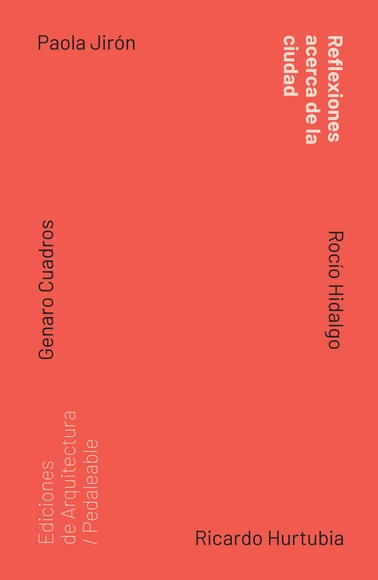
This book compiles reflections from four academics from various national universities on the city, urbanism, public space, mobility, and transportation. It is the product of "Conversations by the Wayside," a series of interviews developed by Corporación Pedaleable in collaboration with Ediciones de Arquitectura in response to the global COVID-19 pandemic. Currently, literature on sustainable mobility and urban planning from everyday, interdisciplinary perspectives remains scarce and under-disseminated. This is what motivated us to reach out to various stakeholders in academia, public policy, and urban practice to discuss and exchange ideas regarding the issues surrounding these concepts.